Utah Youth Fishing License Cost for Ages 12 and 13
It can be surprisingly confusing for parents to figure out the exact fishing license requirements and costs for their kids in Utah, especially when kids hit those "in-between" ages. One minute they're fishing for free, the next you're wondering if you need to shell out for a license. If you've got a 12 or 13-year-old who's eager to cast a line in Utah's beautiful waters, you're probably asking yourself, "Do they need a license, and how much is it going to set me back?" This guide is here to clear up all that uncertainty, detailing the specific costs and requirements for that age group so you can get your young angler out on the water legally and without a hitch.
Understanding Utah's Youth Fishing License Requirements for 12 and 13-Year-Olds
The rules around fishing licenses in Utah can feel like a bit of a maze, especially when you're trying to figure out which age group falls where. It’s easy to get mixed up, but for those specific 12 and 13-year-olds, the state has clear guidelines that every parent and guardian needs to understand before their child makes that first cast. This isn't just about following the law; it's about fostering a sense of responsibility in our younger generations as they engage with Utah's incredible natural resources.
The Specific Age Bracket and Why It Matters
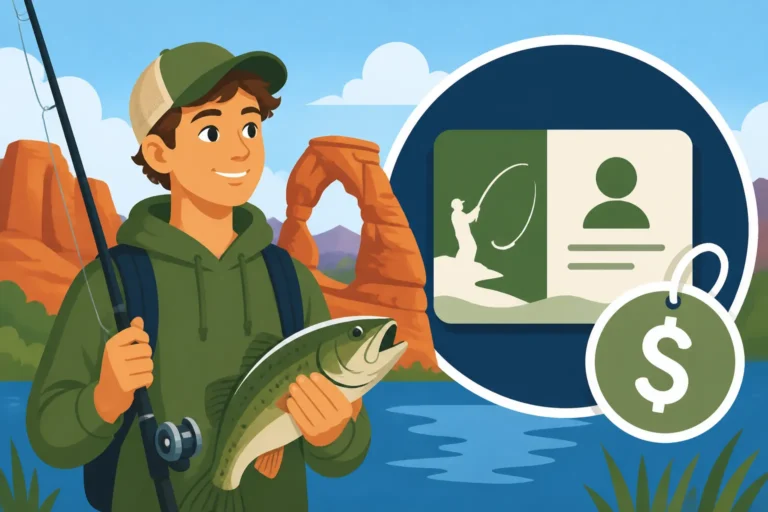
In Utah, the magic age for needing a fishing license begins at 12 years old. This means that once your child celebrates their 12th birthday, they officially transition from being able to fish for free to requiring their own license to legally participate. This can sometimes catch families by surprise, especially if they've enjoyed years of fishing without needing to worry about permits for their younger children. It's a common point of confusion, and frankly, a bit of a bummer for some budgets, but it's a critical regulation set by the Utah Division of Wildlife Resources (DWR) to help manage and conserve the state's fisheries.
The reason for this age cutoff is rooted in the DWR's efforts to balance access with conservation. Funds generated from license sales directly support vital programs like fish stocking, habitat restoration, and enforcement of fishing regulations. While children under 12 are encouraged to fish freely to spark their interest in the outdoors, by age 12, they're typically more capable of understanding and adhering to regulations, and their participation begins to contribute more significantly to angling pressure. If you've ever wondered, "Do Kids Under 12 Need a Fishing License in Utah?", the answer is a resounding no, but that privilege ends abruptly once they hit double digits in their age and beyond. So, when that 12th birthday rolls around, it’s time to start planning for that license.
Current Costs for a Youth Annual Fishing License
Alright, let's get down to brass tacks: what's the actual cost for your 12 or 13-year-old to get their annual fishing license in Utah? For a resident youth in this age bracket, an annual fishing license costs $5.00. Yes, you read that right – it's a very reasonable price, especially when you compare it to the cost for adult resident licenses or even nonresident youth licenses. This modest fee covers them for an entire year of fishing adventures, starting from the date of purchase.
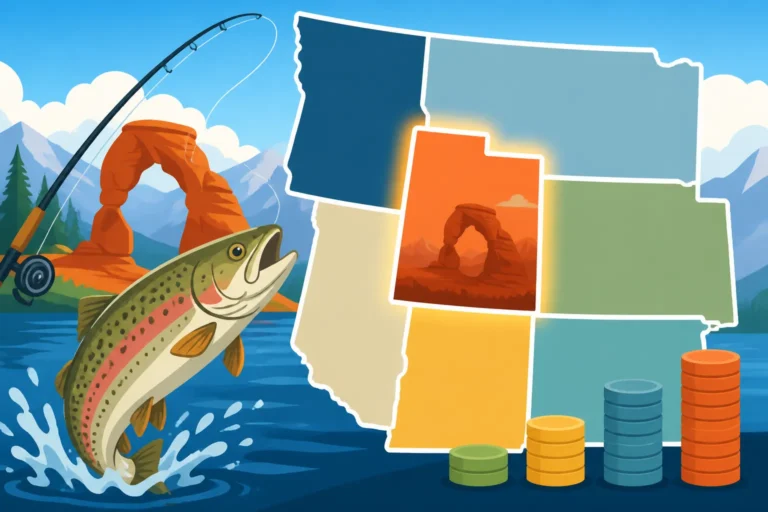
It's important to understand that this is for a "Resident Youth Annual Fishing License." An annual license is typically valid for 365 days from the purchase date, providing maximum flexibility for your young angler to fish throughout the different seasons. There aren't usually shorter-term options (like 3-day or 7-day) specifically marketed for resident youth, as the annual fee is already so low. However, if you're a non-resident family visiting Utah with a 12 or 13-year-old, the costs will be different and significantly higher, mirroring the non-resident adult fees, though often with specific youth non-resident options available. Always check the official DWR website for the most current pricing, as fees can sometimes be adjusted. Knowing these numbers is crucial for your personal Utah Fishing License Costs by Age and Residency planning.
How to Purchase a Utah Fishing License for Your 12 or 13-Year-Old
Getting a fishing license for your child might seem like a daunting task, but thankfully, the Utah Division of Wildlife Resources (DWR) has made the process incredibly streamlined. Whether you prefer the convenience of your computer or a quick trip to a local store, there are accessible options to ensure your 12 or 13-year-old is ready to hit the water legally.
Online Purchase Process and What You Need
The easiest and most common way to purchase a Utah youth fishing license is online, directly through the Utah DWR website. This is particularly convenient because you can do it from the comfort of your home, any time of day or night. The process is pretty straightforward, but you’ll need a few pieces of information ready for your child:
- Child's Personal Information: You'll need their full legal name, date of birth, current address, and a valid email address. For residents, proof of residency isn't usually required upfront for youth licenses, but it’s always good practice to have it on hand just in case.
- Parent/Guardian Information: You, as the purchasing adult, will likely need to provide your own contact and payment information.
- Payment Method: Have a credit or debit card ready for the $5.00 fee (plus any small processing fees that might apply, although often for a price this low, they are minimal or absorbed).
Once you complete the transaction, you'll receive a confirmation email, and usually, a printable temporary license. This is important: you can simply print this temporary license at home and your child is good to go! Many anglers also utilize the Utah DWR's mobile app, which allows you to display a digital version of the license on your phone. This is a fantastic option if you don't want to carry a paper copy or forget to print it. For a deeper dive into this convenience, check out our guide on how to Store a Utah Fishing License on Your Phone. The entire process for the Utah Fishing License Online Purchase Process usually takes less than ten minutes.
In-Person Options and Retail Locations
If you prefer a face-to-face interaction, or if you're just out and about, you can also purchase a youth fishing license at various authorized vendor locations across Utah. These include:
- DWR Offices: All regional DWR offices sell licenses. This is a good option if you have specific questions or want to speak with a DWR representative.
- Sporting Goods Stores: Major retailers like Cabela's, Sportsman's Warehouse, or even local hardware and general stores often serve as authorized license agents. These are frequently found near popular fishing destinations, making it easy to grab a license on your way to the lake or river.
- Small Businesses: Many smaller mom-and-pop shops, particularly those specializing in fishing tackle or bait, are also authorized to sell licenses. They often offer local insights along with your purchase!
The advantage of buying in person is that you often receive a physical, durable license card immediately, which can be nice for kids to keep in their tackle box or wallet. It also supports local businesses. Just be prepared to provide the same personal information for your child as you would online. No matter which method you choose, make sure to get that license squared away before their line hits the water! You can find a more extensive list and details about locations in our post about Where to Buy a Utah Fishing License in Person.
Beyond the Cost: Supporting Your Young Angler
Getting the license is just the first step on what we hope will be a lifetime of angling enjoyment for your 12 or 13-year-old. Once that plastic card or digital image is in hand, it's time to think about setting them up for success and instilling a love for the sport that goes beyond just catching fish. It's about teaching them patience, respect for nature, and the thrill of the outdoors.
Essential Gear and Beginner-Friendly Tips for Young Anglers
For a 12 or 13-year-old, the right gear can make all the difference between a frustrating outing and a fantastic one. You don't need to break the bank to get started, but a few key items will ensure they have a good experience.
A decent, easy-to-use spinning rod and reel combo is usually the best bet for this age group. Look for a combo that's not too long or heavy, typically in the 5 to 6-foot range with a light to medium action. Brands like Ugly Stik or Shakespeare make excellent, durable, and affordable beginner combos that can be found easily on Amazon or at local sporting goods stores. Pair this with some 6-8 pound monofilament line, and they're off to a great start. For bait, simple options like PowerBait, worms, or corn often work wonders for stocked trout in Utah's community ponds and smaller reservoirs. Lures like small spinners (e.g., Mepps or Panther Martin) or spoons can also be very effective and add a bit more excitement to the retrieve.
Beyond the rod and reel, a small tackle box to keep hooks, sinkers, bobbers, and a few lures organized is essential. A pair of needle-nose pliers for hook removal, a small cooler for drinks and snacks (and maybe a fish or two!), and a comfortable hat are also great additions. To truly set them up, check out our guide on What Gear Does a First-Time Utah Angler Need? And remember, when you're just starting, finding an accessible spot is key. Places listed in Best Fishing Spots for Kids in Utah often have easy shore access and high stocking rates, increasing the chances of a bite and keeping spirits high.
Understanding Regulations and Promoting Responsible Angling
Getting a license isn't just a formality; it's an agreement to abide by the rules that protect Utah's fisheries. This is a perfect opportunity to teach your 12 or 13-year-old about responsible angling. Even with their own license, they are still under your guidance, and it's our job as mentors to ensure they understand the importance of respecting the environment and the fish they catch.
Spend some time reviewing the Utah Fishing Regulations Explained together. Key regulations to focus on for beginners include:
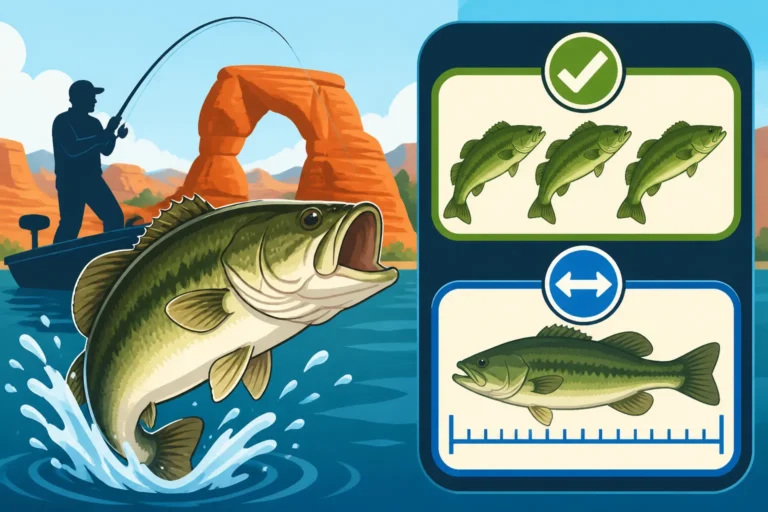
- Bag and Possession Limits: These specify how many fish of a certain species can be kept per day and how many you can have in possession. For instance, knowing the Utah Trout Daily Limit Explained is crucial for many local waters.
- Size Restrictions: Some fish have minimum or maximum size limits.
- Method of Take: What kind of bait or lures are allowed in specific waters.
- Catch-and-Release Practices: If they catch a fish they can't keep, or choose to release, teach them how to handle it gently to ensure its survival.
The DWR website is an invaluable resource for this information, often broken down by water body. Emphasize that these rules aren't there to make fishing harder, but to ensure that everyone, including future generations, can enjoy Utah's incredible fishing opportunities. Teaching them these fundamentals, alongside practical skills like those in Utah Fishing Techniques for Beginners, will not only make them better anglers but also responsible stewards of our natural world. It’s an invaluable lesson that extends far beyond just catching fish.
| Age Group | Utah Resident Annual Fishing License Cost | General Requirement Notes |
|---|---|---|
| Under 12 years old | $0.00 (No License Required) | Encouraged to fish, no license needed. |
| 12-13 years old | $5.00 | Requires a youth annual fishing license. |
| 14-17 years old | $16.00 | Requires a youth annual fishing license. |
| 18-64 years old | $34.00 | Requires an adult annual fishing license. |
| 65 years and older | $25.00 | Discounted senior annual fishing license. |
| Disabled Veterans | Discounted (various options) | Specific requirements apply for discounted licenses. |
| Non-Resident Youth (under 18) | Varies (e.g., $26.00 annual) | Higher cost, similar to non-resident adult fees, check DWR. |
Disclaimer
Please remember that fishing regulations and license costs can change. This guide is based on information available at the time of writing. Always check the official Utah Division of Wildlife Resources (DWR) website or contact them directly for the most current and accurate regulations before heading out to fish.