How to Pack Fishing Gear for a Backpacking Trip to Uinta Lakes
Heading out for a backpacking trip to the pristine, high-altitude Uinta Lakes with a fishing rod in tow sounds like a dream, doesn't it? But then reality hits: how do you fit all your essential camping gear and your fishing tackle into one pack without feeling like you're carrying a small refrigerator? Many anglers find themselves agonizing over every ounce, worried about forgetting something crucial or overpacking and regretting it halfway up a steep trail. This guide will walk you through exactly how to thoughtfully select and efficiently pack your fishing gear for a successful and enjoyable multi-day angling adventure in Utah's stunning Uinta Wilderness.
Understanding the Uinta Lakes Environment and Your Fishing Goals
Before you even start pulling gear out of your closet, it's vital to understand the unique conditions of the Uinta Mountains and what kind of fishing experience you're hoping for. These are not your typical easy-access reservoirs. We're talking about high elevation, often unpredictable weather, and fishing for specific species in often crystal-clear, cold waters. Thinking through these elements first will dramatically influence your gear choices, ensuring every item earns its place in your pack.
High-Altitude Challenges and Climate Considerations
The Uinta Mountains present a distinct set of challenges for backpackers and anglers alike. You'll be at elevations often exceeding 10,000 feet, where the air is thinner, the sun is more intense, and temperatures can fluctuate wildly, even in the height of summer. A warm, sunny afternoon can quickly turn into a chilly evening with unexpected rain or even snow. This means your core backpacking gear needs to be robust enough for these conditions, and your fishing gear must either be adaptable or extremely specialized. You won't have the luxury of running back to the car for forgotten layers or a different rod. Think about quick-drying materials, waterproof protection, and layers that can be easily added or removed. How to Layer Clothing for a Utah Winter Fishing Trip might offer some relevant insights on managing fluctuating temperatures, even if you're not planning a winter trip, as high altitudes can mimic cold conditions.
Moreover, accessibility is a major factor. Many of the most rewarding Uinta Lakes require significant hiking—sometimes several miles over rugged terrain—just to reach. Every ounce in your pack will feel like a pound by the end of the day, making weight reduction a top priority. This isn't the trip for bringing multiple tackle boxes or a heavy boat anchor. You're looking for lightweight, compact, and often multi-functional items that can stand up to the elements without bogging you down.
Target Species and Fishing Approach
What are you hoping to catch in these pristine waters? The Uinta Lakes are primarily known for their various trout species: cutthroat, rainbow, brook, and occasionally tiger trout or splake in certain waters. Understanding your target species helps narrow down your tackle. Are you primarily a fly angler, hoping to match the hatch on a still, clear lake? Or do you prefer spinning gear, casting small lures or bait? Your preferred fishing method will dictate the type of rod, reel, line, and terminal tackle you need to carry.
For example, if you're targeting brook trout in smaller, brush-lined creeks that feed into a lake, a shorter, lighter rod might be more practical than a long fly rod. If you're focused on larger lake trout in deeper lakes, you might need slightly heavier line and lures. Knowing what fish are present and how they typically feed in these high-altitude environments—often on insects, small baitfish, or even tiny crustaceans—will help you make smart choices about the flies, lures, or baits you bring. This focused approach prevents you from packing unnecessary items, which is key when every ounce matters on a long hike. Consider checking out Fish Species Found in Utah's High Uinta Lakes for a detailed breakdown of what you might encounter.
Streamlining Your Fishing Tackle for the Backcountry
Once you understand the environment and your fishing goals, it's time to get ruthless about your tackle. Backpacking demands minimalism, and this applies doubly to fishing gear. You'll need to choose items that are lightweight, durable, and versatile, ensuring you have what you need without carrying excessive bulk.
Rod and Reel Selection: Balancing Portability and Performance
Your rod and reel are the foundation of your fishing setup, and for backpacking, portability is paramount.
- Rods: Look for multi-piece rods (3-piece, 4-piece, or even 5-piece travel rods) that break down into short sections, easily fitting inside or strapping to the outside of your pack. A medium-light to medium action rod, typically in the 6-7 foot range for spinning, or a 4- to 6-weight fly rod, offers excellent versatility for most Uinta trout scenarios. Graphite rods are generally lighter and more sensitive than fiberglass. While a single rod is usually sufficient, some experienced backpackers might bring a light spinning rod and a packable fly rod if their strategy calls for both, but this adds weight and complexity. You can find excellent travel rod options on Amazon, often with durable cases, that make transportation worry-free.
- Reels: Pair your chosen rod with a lightweight, reliable reel. For spinning, a small (1000-2500 size) reel loaded with 4-6 lb test monofilament or fluorocarbon line, or a lightweight braided line with a fluorocarbon leader, is ideal. Fly reels for high-country trout are often more about line storage than heavy drag systems, so a lightweight reel that balances well with your fly rod is sufficient. Spool your reel with fresh line before you go—re-spooling on a mountain trail is a pain. Don't forget a small spool of extra leader material or tippet.
The key here is durability. While lightweight, you don't want something so flimsy it breaks on the trail or with your first Uinta trout. Read reviews, perhaps on a site like Amazon, for travel setups that anglers have successfully used in rugged conditions.
Minimalist Tackle Box: Lures, Flies, and Essential Accessories
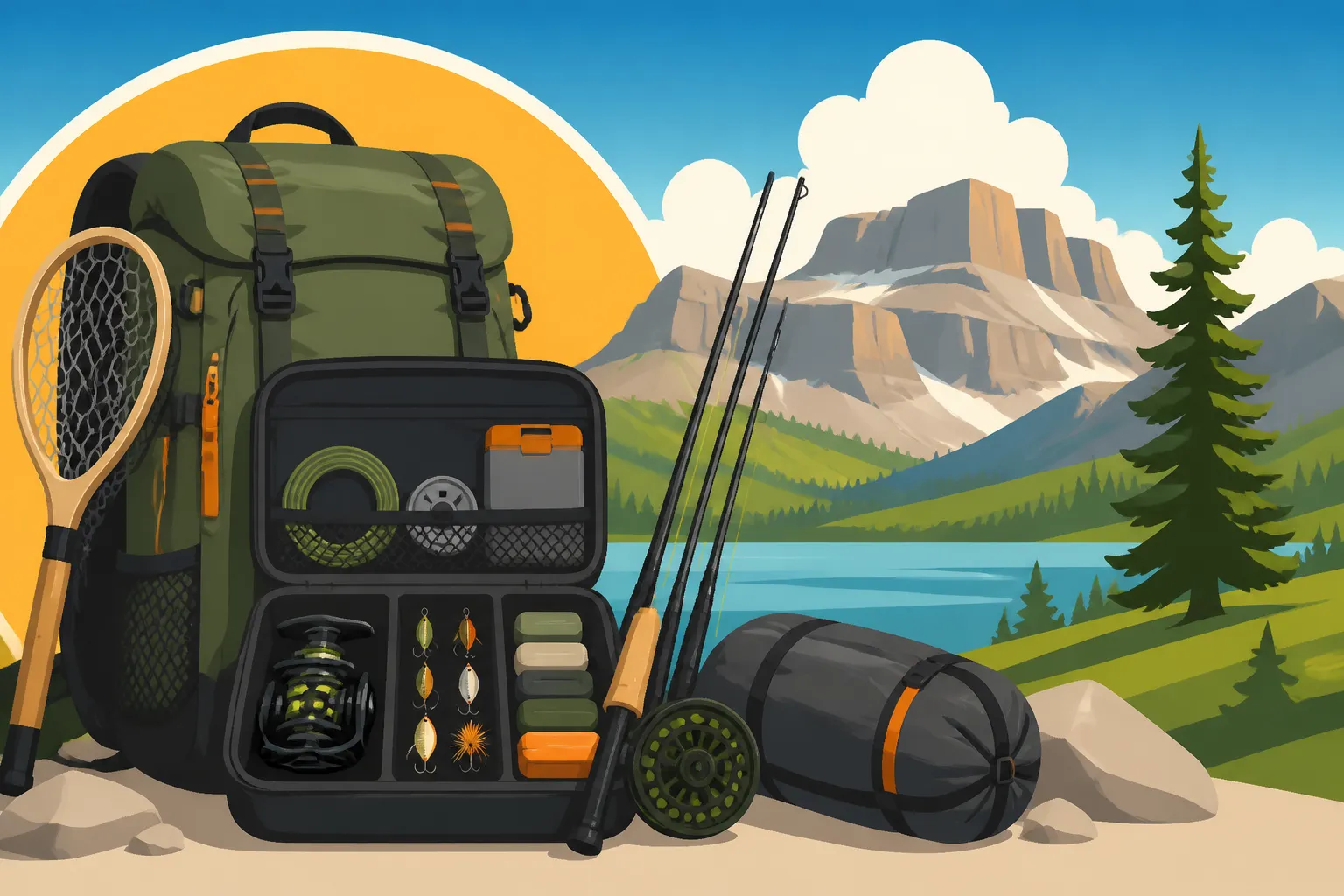
This is where the real weight savings happen. Forget bulky tackle boxes; you'll need a small, compartmentalized box or a series of small soft-sided pouches.
- Lures/Flies:
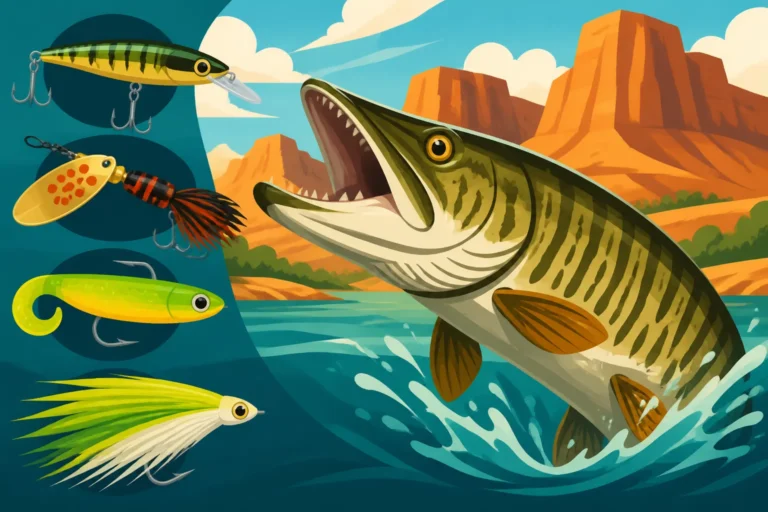
- Spinning: Pack a diverse but limited selection. Small spinners (Mepps, Panther Martin) in various colors (silver, gold, black, rainbow), tiny spoons (Kastmasters, Dardevles), and compact soft plastics (tubes, grubs) on small jig heads cover most scenarios. A few compact crankbaits imitating minnows could also be useful. Focus on proven trout catchers.
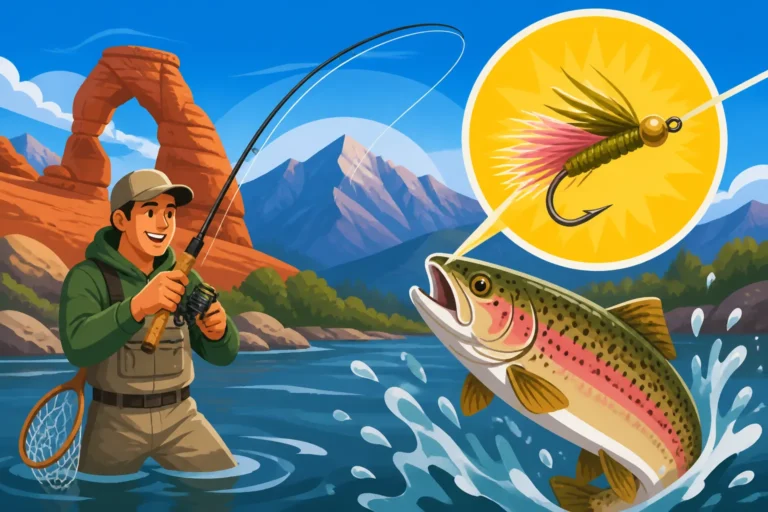
- Fly Fishing: A compact fly box with a variety of patterns is essential. Include dry flies (caddis, stimulators, parachute Adams) for surface activity, nymphs (pheasant tail, hare's ear, prince nymph) for subsurface, and a few small streamers (Woolly Buggers, sculpins) for aggressive fish. Don't forget emerger patterns. Consider checking Best Flies for Utah Trout Streams for specific recommendations, though you'll want to focus on smaller, high-altitude lake-appropriate patterns.
- Terminal Tackle: A small selection of hooks (sizes 8-14), split shot, swivels, and perhaps a bobber or two. A small spools of leader material (fluorocarbon in 4-6 lb test for spinning, or tippet in various sizes for fly fishing) are critical. You'll want to avoid bringing an entire assortment of every possible weight and size.
- Accessories: This is often where unnecessary bulk creeps in.
- Essential Tools: A compact multi-tool with pliers and line cutters, or dedicated fishing pliers, is a must. A small pair of nail clippers can work for line cutting.
- Net: A small, lightweight, collapsible landing net can be incredibly helpful for safely landing and releasing fish, especially if you're targeting larger trout. If you're going ultra-light and expect smaller fish, you might skip this, but it’s a good piece of safety equipment.
- Storage: A compact, waterproof bag or case for your phone, license, and any other small essentials.
- Measuring Tape/Scale: If you plan to measure or weigh your catch, bring a small, lightweight, foldable tape measure and a compact digital scale. Otherwise, leave them at home.
- Sun Protection: Always have sunglasses (polarized are best for spotting fish), a wide-brimmed hat, and sunscreen. The sun at high altitude is no joke.
- First Aid: A small, personal first-aid kit is critical for any backpacking trip, but remember to include items for minor cuts from hooks.
Here's a simplified table to help you visualize a minimalist Uinta Lakes fishing kit:
| Category | Item | Weight/Size Consideration | Notes |
|---|---|---|---|
| Rod & Reel | 4-pc Spinning Rod (6-7 ft, ML) | ~5-8 oz, breaks down to ~20 inches | Sturdy case usually included, consider attaching to pack exterior. |
| Small Spinning Reel (1000-2500 size) | ~7-9 oz | Pre-spool with 4-6 lb mono/fluoro or braid. | |
| OR 4-6 wt Fly Rod (4-pc) | ~3-5 oz, breaks down to ~25 inches | Choose based on preferred technique. | |
| Lightweight Fly Reel | ~4-6 oz | Match to rod for balance, pre-spool with line/backing. | |
| Line & Leaders | Extra Spool of Leader/Tippet | Minimal | Fluorocarbon for stealth. |
| Lures/Flies | Small Fly Box (diverse trout patterns) | ~2-4 oz | Dry flies, nymphs, small streamers. |
| OR Small Lure Box (spinners, spoons, jigs) | ~4-8 oz | 3-5 of each type, varied colors/sizes. | |
| Terminal Tackle | Small Container (hooks, split shot, swivels) | Minimal | Only essential sizes/types. |
| Tools | Fishing Pliers/Multi-tool | ~3-6 oz | For hook removal, line cutting. |
| Small, Collapsible Net (optional) | ~8-12 oz | Helps protect fish for release. | |
| Misc. | UV Buff/Hat | Minimal | Essential sun protection. |
| Polarized Sunglasses | ~1 oz | Crucial for spotting fish and eye protection. | |
| Sunscreen/Lip Balm | Minimal | High-altitude sun is intense. | |
| Utah Fishing License | Digital on phone + hard copy (optional) | Keep it accessible and legal. How to Store a Utah Fishing License on Your Phone |
Remember, every item on this list should be evaluated for its necessity and potential for dual use. Can your backpacking knife also serve as a makeshift line cutter if your clippers fail? Do you really need those extra 20 jigs? Probably not.
Integrating Fishing Gear with Essential Backpacking Necessities
The real challenge isn't just picking fishing gear, but effectively integrating it with all your other vital backpacking equipment. You have to consider weight, space, accessibility, and protection for both categories of gear. It's a delicate balance that often involves creative packing solutions.
Prioritizing Weight and Space in Your Backpack
When every ounce counts, you need to be brutal with your packing list. Lay out all your backpacking essentials (tent, sleeping bag, food, cooking system, water filter, first-aid, navigation, clothing layers) alongside your chosen fishing gear. Think about where your fishing gear can overlap or replace a backpacking item. For instance, do you need a separate knife for fishing if your backpacking multi-tool has a good blade?
Focus on compressible items for your sleeping system and clothing, freeing up valuable space for your fishing rod and tackle. Consider dehydrating meals to reduce food weight. The goal is a compact, organized pack that distributes weight evenly and allows quick access to items you might need frequently, like your water bottle or rain gear. This also applies to your fishing setup; if you're frequently changing lures, make sure your small tackle box is easily retrievable without unpacking your entire bag.
When it comes to your rod, many backpackers prefer to secure a multi-piece rod in its protective tube to the exterior of their pack. This keeps it safe from being crushed by other gear and makes it easy to grab when you arrive at a promising fishing spot. If you do this, ensure it's securely fastened so it doesn't snag on branches or shift uncomfortably. Smaller tackle items can be tucked into exterior pockets or lid compartments for quick access.
Protecting Your Gear on the Trail
The Uinta trails can be rugged, and the weather unforgiving. Protecting your gear, both fishing and backpacking, is non-negotiable.
- Rod Protection: A sturdy, hard-sided rod tube is highly recommended, especially if strapping it to the outside of your pack. This prevents accidental damage from bumps, falls, or branches. If carrying inside your pack, ensure it's positioned carefully to avoid bending or snapping.
- Tackle Protection: Small, durable, waterproof boxes or zippered bags are ideal for your lures, flies, and terminal tackle. This prevents hooks from snagging other gear and keeps everything dry if you encounter rain or take an unexpected tumble into a stream.
- Waterproofing: Use a large pack liner (a heavy-duty trash bag works in a pinch) or a waterproof pack cover to protect your entire backpack from rain. Consider individual dry bags for crucial items like your sleeping bag, extra clothing, and electronics. The Uintas are known for afternoon thunderstorms, and wet gear at high altitude can be a serious issue.
- Sun and Elements: High-altitude sun can degrade fishing line and plastics over extended periods. While a multi-day trip won't cause severe damage, always store your tackle out of direct sunlight when not in use. Similarly, protect your reel from dust and dirt by keeping it clean and covered.
When purchasing gear, especially smaller, organizational items, it's worth checking out options on Amazon that explicitly mention "waterproof" or "durable for outdoor use." Sometimes a few extra dollars for a more robust small tackle box can save you a headache (and lost tackle) down the line.
Smart Packing Strategies for Uinta Adventures
Now that you've selected your gear, the final step is packing it smartly. It's not just about fitting everything; it's about making it accessible, balanced, and secure for the journey ahead.
Optimizing Your Pack for Comfort and Convenience
A well-packed backpack makes a world of difference on a long hike. The heaviest items, like food and water, should be placed close to your back and between your shoulder blades for optimal weight distribution. Lighter, bulkier items like your sleeping bag can go at the bottom, and frequently accessed items (snacks, map, first aid, water filter) should be in the top or exterior pockets.
Your fishing rod, if in a tube, can be strapped vertically to the side of your pack or horizontally across the top, ensuring it doesn't protrude too far or throw off your balance. Small tackle boxes, leader spools, and fishing tools should be in easily accessible pockets. You don't want to be rummaging through your entire pack every time you want to switch a fly or tie a new knot.
Consider organizing your tackle into smaller, clear pouches within a larger, soft-sided tackle bag. This allows you to grab just the pouch of dry flies or just the box of spinners without bringing out your entire collection. It’s a great way to stay organized on the trail. Some anglers even use a small fanny pack or chest pack for their most-used flies or lures, keeping them instantly available while fishing without needing to take off their main backpack. How to Pack Fishing Gear for a Backpacking Trip to Uinta Lakes is all about minimizing what you carry.
Essential Preparedness: Beyond the Fishing Tackle
While this guide focuses on fishing gear, remember that your overall preparedness for a backcountry trip is paramount. Fishing should enhance your adventure, not compromise your safety.
- Navigation: Always carry a map and compass, and know how to use them. A GPS device or a smartphone with downloaded offline maps (and a power bank) is also highly recommended. The Uintas can be disorienting, especially in bad weather.
- Water: Access to clean water is usually good in the Uintas, but always carry a water filter or purification tablets. How to Read a Utah Reservoir Drawdown for Fishing might give you some insight into water levels, but always plan for purification.
- Food: Bring enough caloric, non-perishable food for your entire trip, plus an extra day's supply for emergencies.
- Emergency Shelter/Fire Starter: A lightweight emergency bivy or space blanket and a reliable fire starter (waterproof matches, lighter, fire steel) can be lifesavers.
- Communication: A satellite messenger or personal locator beacon (PLB) is a wise investment for remote trips, as cell service is non-existent in much of the Uintas.
- Clothing: Layering is key. Even in summer, bring a warm hat, gloves, and a reliable waterproof/windproof outer shell. Check out How to Layer Clothing for a Utah Winter Fishing Trip for ideas on staying warm in cold environments.
It’s about striking a balance. You want to enjoy the thrill of catching fish in a stunning wilderness, but not at the expense of being cold, hungry, or lost. By thoughtfully selecting and strategically packing your fishing gear alongside your essential backpacking equipment, you’ll be well-prepared for an unforgettable Uinta Lakes adventure. You'll find that many reputable outdoor brands, sometimes available through retailers like Amazon, offer lightweight and durable versions of all these essential items designed specifically for backcountry use.
Disclaimer
This article is for general informational purposes only and does not constitute professional advice. Laws, prices and regulations vary by location and change over time. Consult a qualified professional for guidance on your specific situation.