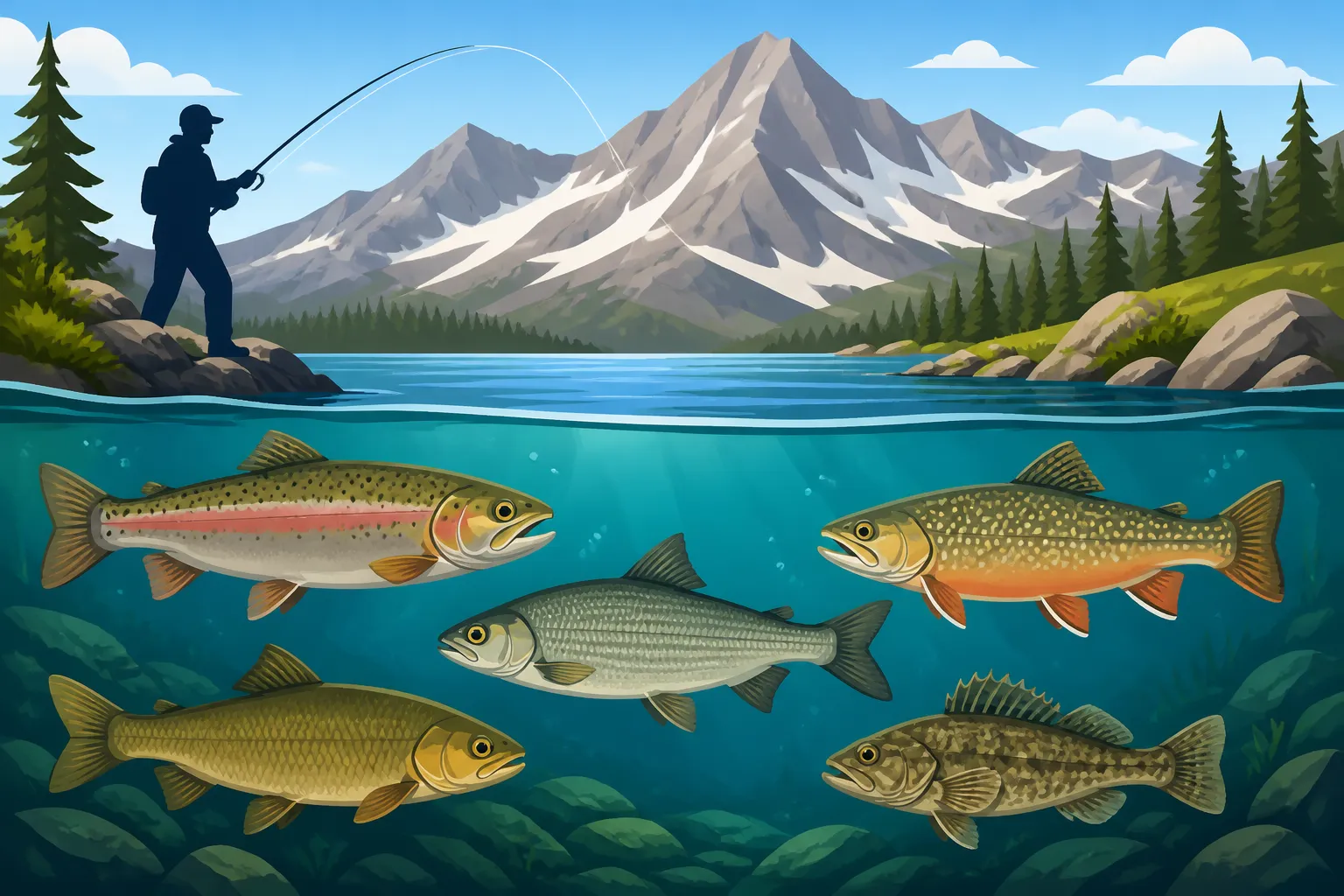
Fish Species Found in Utah’s High Uinta Lakes
There's a special kind of magic that comes with fishing Utah's high Uinta Mountain lakes – the crisp air, the stunning scenery, and the sense of peace you get miles from civilization. But the sheer number of these pristine, often remote waters can make it tough to know what finned friends you're likely to encounter. This guide will take a deep dive into the fascinating fish species that call these high-altitude havens home, helping you prepare for your next angling adventure.
The Unique Environment of High Uinta Lakes
Before we talk about the fish themselves, it's important to understand the remarkable environment they live in. The Uinta Mountains are Utah's highest range, and their countless lakes and streams present a unique set of challenges and opportunities for fish, and for the anglers who pursue them.
The Challenging High-Altitude Environment
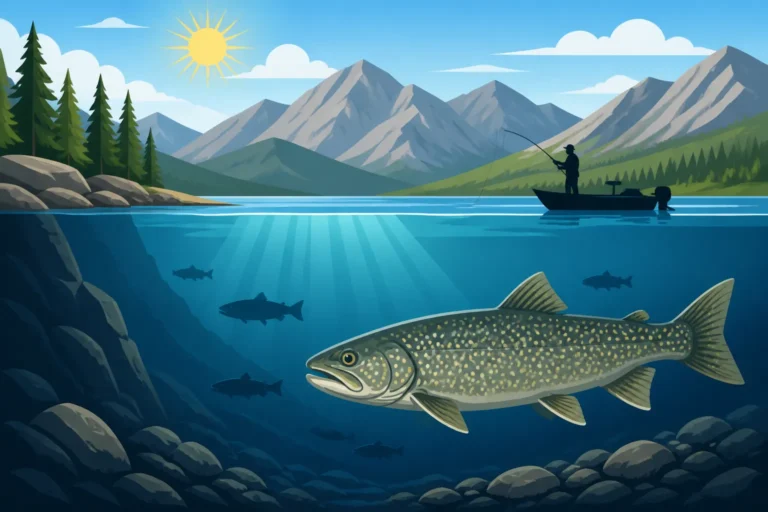
Imagine living year-round in a place where winter lasts a good seven or eight months, where ice can be feet thick, and where the growing season is incredibly short. That's the reality for fish in the high Uintas. The lakes are typically oligotrophic, meaning they are low in nutrients, which translates to slower growth rates for fish compared to lower-elevation reservoirs. The water is often crystal clear, fed by snowmelt, and incredibly cold, even in the height of summer. This cold, clean water is ideal for trout and char species, which thrive in such conditions. However, the limited food sources mean fish often don't reach massive sizes, though what they lack in girth, they often make up for in vibrant colors and sheer fighting spirit. The solitude and wildness of these waters are part of their charm, attracting those who seek a truly remote fishing experience. Many of these lakes are only accessible after long hikes, requiring proper backpacking gear, which you can often find great options for on Amazon.
Natural Barriers and Stocking Programs
Historically, many of the Uinta lakes were fishless, especially those above significant waterfalls or natural barriers that prevented fish from migrating upstream. That's right, some of these seemingly perfect fishing spots wouldn't have any fish if it weren't for human intervention! Over the past century, the Utah Division of Wildlife Resources (DWR) has undertaken extensive stocking programs, often using airplanes to drop fingerling trout into these remote lakes. This has created a vast network of fisheries, offering diverse angling opportunities. The DWR strategically stocks different species in various lakes, often favoring native cutthroat trout in some areas to maintain genetic purity, while introducing other species like brook trout or rainbow trout in others to provide varied fishing experiences. Understanding these stocking practices is key to knowing what you might catch. If you're planning a trip to these beautiful waters, be sure to check the specific regulations and stocking reports, which can often be found through the DWR. For general licensing information, our Utah Fishing License Guide is a great resource.
Primary Game Fish Species in the Uintas
When you lace up your hiking boots and head into the high Uintas, there are a few key fish species you're most likely to encounter. These are the workhorses of the Uinta fisheries, providing countless hours of enjoyment for anglers.
Cutthroat Trout: Utah's Native Jewels
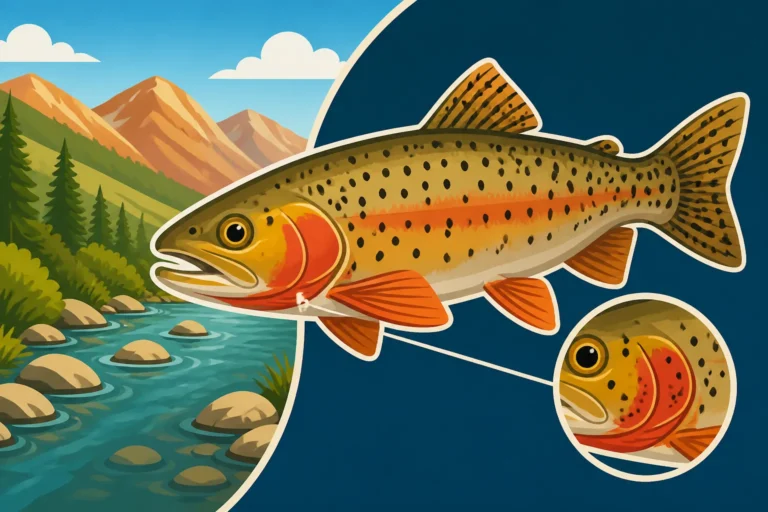
No discussion of Utah fishing, especially in the high country, is complete without talking about the cutthroat trout. These are Utah's native trout, identified by the distinctive red or orange "slash" mark under their jaw, though this can sometimes be faint. In the Uintas, you'll primarily find the Bonneville Cutthroat Trout, or sometimes populations of Colorado River Cutthroat Trout, depending on the drainage. These fish are incredibly resilient, adapted to the harsh conditions of high-altitude streams and lakes. They feed on insects, both aquatic and terrestrial, and can be quite aggressive towards dry flies, nymphs, and small spinners or spoons.
Catching a native cutthroat in its pristine, wild habitat is a truly rewarding experience. They might not be the largest fish, typically ranging from 8 to 14 inches in Uinta lakes, but their beauty and the effort required to reach them make them highly prized. The DWR works hard to preserve the genetic integrity of these native populations, so some lakes are managed as catch-and-release only, or have specific bait restrictions. Always double-check the current Utah Fishing Regulations Explained for the specific lake you plan to visit. Understanding the nuances of Utah Cutthroat Trout Guide can significantly enhance your success.
Brook Trout: Abundant and Feisty
Brook trout, often simply called "brookies," are another incredibly common and popular species in the high Uintas. While not native to Utah, they were introduced many years ago and have thrived, often establishing self-sustaining populations in many lakes and streams. They are easily recognizable by their vibrant, worm-like markings (vermiculations) on their backs, red spots with blue halos along their sides, and the white leading edges on their lower fins.
Brook trout are known for their willingness to bite, making them a fantastic target for anglers of all skill levels, especially beginners or those fishing with kids. They tend to be smaller than cutthroat trout in the Uintas, usually in the 6- to 10-inch range, but what they lack in size, they make up for in feistiness. They readily take small spinners, spoons, flies, and even bait like worms or PowerBait. In some Uinta lakes, brook trout can become overpopulated due to successful natural reproduction, leading to stunted growth. In these situations, harvest limits might be generous, or even unlimited, to help manage the population and improve the overall size of the fish. This makes for some excellent action-packed fishing days where you can catch a lot of fish.
Rainbow Trout and Hybrids: Stocked for Anglers
Rainbow trout are perhaps the most widely recognized trout species, and while they aren't native to Utah, they are a staple in many of the Uinta's accessible lakes, thanks to regular stocking programs. You'll often find them in lakes that are easier to reach or that see higher angler pressure. They are known for their adaptability and strong fighting capabilities. Visually, they have a distinctive pink or red stripe along their sides, small black spots, and generally silver bodies.
In the Uintas, rainbow trout often mingle with other species, and sometimes you'll encounter hybrids. One notable hybrid is the tiger trout, a sterile cross between a brown trout and a brook trout, which we'll discuss more below. Another lesser-known hybrid is the splake, a cross between brook trout and lake trout. While less common in the small Uinta high lakes, splake are stocked in some larger, deeper reservoirs in Utah. Rainbow trout, like brookies, are eager biters and will strike at a wide variety of offerings, from conventional bait and lures to a diverse range of fly patterns. For more on these popular fish, consult our Utah Trout Species Guide. When outfitting your tackle box, you'll find an array of effective spinners and spoons on Amazon that are perfect for these high-country rainbows.
Other Notable Species You Might Encounter
While cutthroat, brook, and rainbow trout dominate the high Uintas, there are a few other intriguing species that might surprise you on the end of your line.
Tiger Trout: The Sterile Hybrid
Tiger trout are a truly unique and striking fish, and while they don't naturally reproduce, they are stocked in some Uinta lakes by the DWR. These sterile hybrids are a cross between a female brown trout and a male brook trout, and they get their name from their distinctive, maze-like patterns that resemble tiger stripes. They are highly sought after by anglers not just for their appearance, but also for their aggressive nature and strong fight.
Tiger trout are typically stocked to help control populations of less desirable fish or to provide a trophy angling opportunity without the risk of overpopulation. They are predatory and will readily chase down lures, streamers, and even larger dry flies. Finding a lake with tiger trout can be a real treat, as they add an exciting dimension to the Uinta fishing experience. They often grow larger than brook or cutthroat trout in the same waters, sometimes reaching impressive sizes for high-altitude fish. Our Tiger Trout in Utah guide offers more detailed information on these fascinating fish.
Arctic Grayling: A High-Altitude Gem
The Arctic Grayling is arguably one of the most beautiful and unique fish you can catch in Utah. While extremely rare in the Uintas now, isolated populations or specific stocked lakes might occasionally hold them. These fish are easily identified by their magnificent, sail-like dorsal fin, which is often spotted with iridescent colors. They also have a distinctive purplish iridescence on their bodies. Grayling are a true cold-water species, thriving in the purest, coldest waters, and are primarily insect eaters.
Catching an Arctic Grayling is often considered a bucket-list item for many anglers. They are delicate fish and are often found in very specific, carefully managed lakes. If you're lucky enough to find a lake with grayling, treat them with care, as their populations can be fragile. They typically respond well to small dry flies, nymphs, and tiny spinners. The thrill of landing one of these elegant fish against the backdrop of the Uinta wilderness is an unforgettable experience.
Non-Game Species
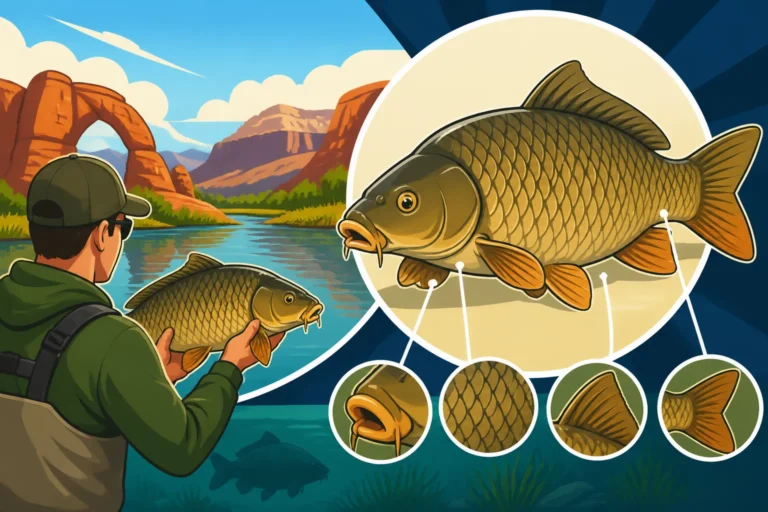
While the focus is usually on game fish, it's worth noting that you might occasionally encounter other species in the Uintas, especially in lower-elevation lakes or those connected to larger drainages. These could include various species of minnows or suckers. These fish typically aren't targeted by anglers but are an important part of the ecosystem, providing a food source for the larger predatory trout. It's rare to encounter them in the remote, nutrient-poor high-altitude lakes, but their presence indicates a healthy food web.
Conservation and Management Efforts in the Uintas
The pristine nature of the Uinta Mountain lakes is not just by chance. Significant efforts go into maintaining these delicate ecosystems and ensuring that future generations can enjoy the same incredible fishing experiences.
Protecting Native Cutthroat Strains
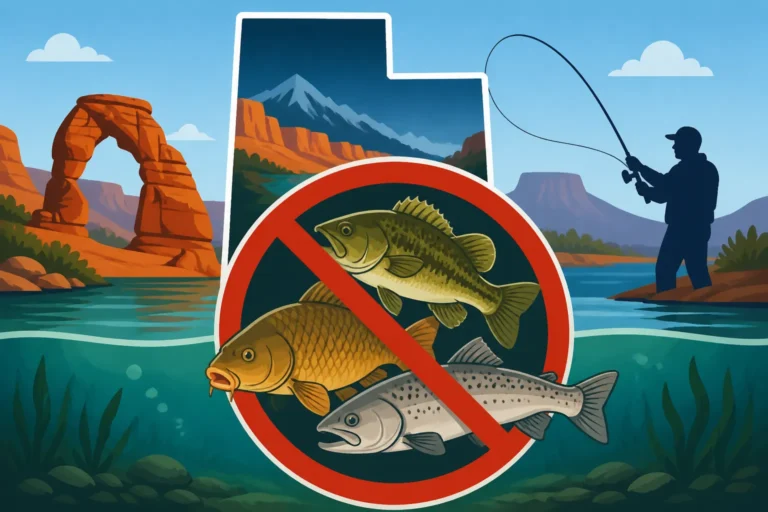
The Utah DWR places a high priority on protecting and restoring native cutthroat trout populations. This often involves specific management strategies for certain lakes and streams. For instance, some waters might be designated as "Conservation Waters" where only native species are present, and special regulations apply to prevent the introduction of non-native fish. This can include regulations about bait, tackle, or even specific catch-and-release rules. The goal is to prevent hybridization with rainbow trout and to ensure the genetic purity of the unique Uinta cutthroat strains.
These efforts are vital because native cutthroat trout are perfectly adapted to the Uinta environment and are a crucial part of the natural heritage of the state. Anglers play a critical role in these conservation efforts by understanding and adhering to regulations, practicing responsible catch-and-release when required, and reporting any suspicious activity. Before embarking on a high Uinta adventure, it's always wise to check the DWR website for the latest updates on specific lake regulations.
Responsible Angling in Fragile Ecosystems
Fishing in the Uintas is an incredible privilege, and it comes with the responsibility to protect these fragile ecosystems. The cold, clear waters and short growing seasons mean that fish populations can be sensitive to overfishing or environmental disturbance. Practicing "Leave No Trace" principles is paramount – pack out everything you pack in, and perhaps even a little more. Be mindful of stream banks and fragile alpine vegetation.
Anglers should also be prepared for the remote conditions. This means carrying appropriate gear, including a sturdy backpack and emergency supplies, which can be easily sourced from Amazon. Knowing How to Pack Fishing Gear for a Backpacking Trip to Uinta Lakes is essential for a safe and enjoyable trip. Understanding specific techniques for these waters, such as those covered in How to Fish High-Altitude Uinta Lakes in July, can also minimize your impact while maximizing your success. Remember, even if you’re fishing a lake with generous limits, consider releasing some of your catch to ensure healthy populations for years to come. The future of Uinta Mountains High Lakes Fishing depends on all of us doing our part.
Quick Reference: High Uinta Lake Fish Species
To help you quickly identify what you might be catching, here's a brief overview of the primary game fish species found in Utah's High Uinta Lakes:
| Species | Identification Markings | Typical Size (High Uintas) | Common Tackle/Flies | Notes |
|---|---|---|---|---|
| Cutthroat Trout | Red/orange "slash" under jaw, black spots | 8-14 inches | Dry flies, nymphs, small spinners | Utah's native, highly prized. |
| Brook Trout | Vermiculations on back, red spots with blue halos, white fin edges | 6-10 inches | Small spinners, worms, flies | Prolific, often abundant and easy to catch. |
| Rainbow Trout | Pink/red stripe along side, numerous small black spots | 10-16 inches | Bait, lures, flies, PowerBait | Commonly stocked, strong fighters. |
| Tiger Trout | Distinctive dark worm-like patterns (tiger stripes) | 10-18 inches+ | Aggressive lures, streamers | Sterile hybrid, stocked for trophy potential. |
| Arctic Grayling | Large, sail-like dorsal fin, purplish iridescence | 10-14 inches | Small dry flies, nymphs, tiny spinners | Beautiful, delicate; rare in Uintas. |
When preparing for your adventure, consider reading Which Uinta Lakes Require a Hike to Reach? for planning your trip, and for gear advice, our What Gear Does a First-Time Utah Angler Need? guide can be quite helpful.
Disclaimer
This article is for general informational purposes only and does not constitute professional advice. Laws, prices and regulations vary by location and change over time. Consult a qualified professional for guidance on your specific situation.