Best Flies for Utah Trout Streams
The diverse and breathtaking trout streams across Utah offer some truly world-class fly fishing opportunities, but knowing which flies to tie on can feel like trying to solve a complex puzzle. From the crystal-clear tailwaters to the freestone rivers tumbling out of the mountains, conditions change rapidly, and so do the preferences of the resident trout. This guide will cut through the confusion, helping you stock your fly box with the best patterns for success on Utah's legendary waters.
Understanding Utah's Diverse Trout Streams and Their Inhabitants
Before we even talk about specific flies, it's crucial to understand the different types of trout streams we have here in Utah and what makes them unique. Our state boasts a remarkable variety, each with its own character, insect life, and fish behavior. A fly that's dynamite on one river might be completely ignored on another.
Tailwaters Versus Freestone Rivers
When you're planning a trip, one of the first distinctions to make is whether you'll be fishing a tailwater or a freestone river. This difference dictates a lot about the hatches you'll encounter and, consequently, the flies you should be using.
Tailwaters, like the famous Green River below Flaming Gorge Dam or sections of the Provo River, are fed by water released from the bottom of a dam. This means their water temperatures are incredibly stable year-round, often staying cool in summer and relatively warm in winter. This stability creates a perfect environment for consistent aquatic insect hatches, particularly midges and tiny mayflies (like Blue-Winged Olives, or BWOs). The fish in these waters tend to be extremely educated and selective, often keying in on specific insect stages and sizes. You'll often find yourself needing to "match the hatch" precisely, using small, accurate imitations. The clear, calm water also demands a more stealthy approach and lighter tippets.
Freestone rivers, on the other hand, are the quintessential mountain streams. Think of the upper Provo River, the Weber, or the Logan River. Their water levels and temperatures fluctuate much more with weather patterns and snowmelt. Spring brings heavy runoff, while summer sees lower, warmer flows, and fall offers crisp, clear conditions. These rivers host a wider variety of insect life, including larger stoneflies, caddisflies, and various mayflies. Fish in freestone rivers can sometimes be less selective, especially during periods of abundant food, and might be more willing to hit attractor patterns. However, they can also be incredibly challenging, especially when water levels are low and clear, or when facing post-runoff conditions. Understanding How Runoff Affects Utah River Fishing is key to success on these waters.
Key Trout Species and Their Feeding Habits
Utah is home to several magnificent trout species, and each has its own personality and preferred dining habits. While there's certainly overlap, knowing what kind of trout you're targeting can help you fine-tune your fly selection. Our Utah Trout Species Guide offers a deep dive into each one, but here’s a quick overview.
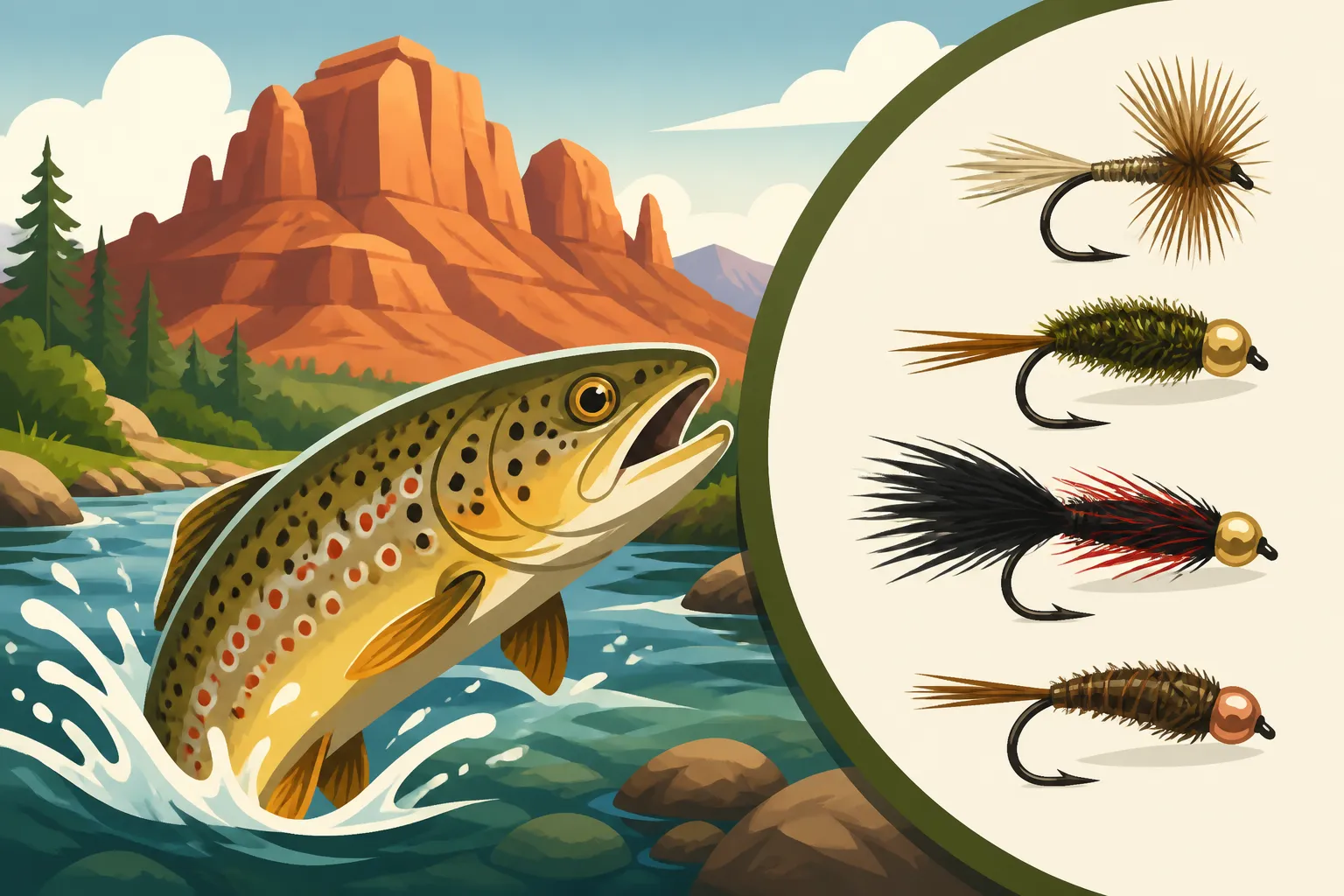
Brown Trout, often found in the larger freestone rivers and tailwaters, are legendary for their wary nature and aggressive feeding habits, especially on streamers. They're opportunistic predators and will eagerly chase baitfish, crawfish, and larger insects. Many anglers consider a big brown trout the ultimate prize. They can be found holding in deeper pools, under cut banks, and near structure, often venturing out to feed during low light conditions.
Rainbow Trout are perhaps the most common and widely stocked trout in Utah. You'll find them in almost every type of water, from small streams to large reservoirs. They tend to be a bit more forgiving than browns and cutthroat, often willing to rise to a dry fly or strike a well-presented nymph. They're strong fighters and a blast to catch, making them a favorite for many anglers. Rainbows are often less particular about specific insect patterns and will respond well to general attractor flies.
Cutthroat Trout, Utah's native trout, are celebrated for their beauty and willingness to take a dry fly. They are often found in higher elevation freestone streams and pristine alpine lakes, but significant populations of Bonneville and Bear Lake Cutthroat thrive in specific rivers and lakes. They tend to be less spooky than brown trout and will often hold in shallower, faster water, making them a delight for sight-fishing. Their diet largely consists of aquatic insects, but they won't pass up a terrestrial.
Lake Trout, also known as Mackinaw, primarily reside in deep, cold lakes like Flaming Gorge. While you won't typically target them with traditional fly fishing gear in streams, understanding their predatory nature for streamer patterns in lake tributaries or at lake inlets is useful if they migrate.
Essential Dry Flies for Surface Action
There's nothing quite like watching a trout rise to sip your perfectly presented dry fly. It's a moment of pure magic, and when the conditions are right, dry fly fishing can be incredibly rewarding. Here are some indispensable patterns for your Utah fly box.
Caddis Patterns for Active Hatches
Caddisflies are abundant in many of Utah's rivers, and when they hatch, the trout often go into a feeding frenzy, aggressively slashing at the surface. These are generally robust flies that float well and are easy to see, making them a favorite among anglers.
The Elk Hair Caddis is an absolute workhorse and arguably one of the most versatile dry flies ever created. Its bushy elk hair wing gives it excellent buoyancy, allowing it to ride high on the water even in riffles and broken currents. I've had countless days on the Provo and Weber rivers where this fly produced strikes when nothing else would. You can fish it dead-drift, or even twitch it slightly to imitate an egg-laying adult. Sizes 12-18 are most common, but don't shy away from larger sizes (10 or even 8) when bigger caddis are hatching. When trout are really aggressive during a caddis hatch, they’re often not too particular, making this a go-to.
Another fantastic caddis imitation is the Stimulator. While often thought of as a general attractor or stonefly pattern, the Stimulator with its bushy body and prominent hackle can effectively mimic larger caddisflies, especially during erratic hatches or when fish are looking for a substantial meal. It's especially effective in faster, choppier water where it creates a natural disturbance. I love fishing Stimulators in sizes 10-14 on larger freestone rivers or as the lead fly in a dry-dropper rig when hitting a stream in the Uinta Mountains. You can find these versatile flies, along with materials to tie your own, readily available on Amazon or at local fly shops.
Mayfly Imitations for Delicate Sippers
Mayflies are the classic insect of fly fishing, and trout can become incredibly selective when a significant mayfly hatch is underway. These delicate insects often require precise imitations and gentle presentations.
The Parachute Adams is the king of generalist mayfly patterns. It imitates a wide variety of mayflies, and its parachute post makes it incredibly easy to see on the water, even in low light or choppy conditions. It sits low in the film, mimicking a struggling or emerging insect, which trout find irresistible. I always carry a wide range of Parachute Adams in sizes 12-20. It's a fantastic search pattern and often the first dry fly I'll tie on when I don't see a specific hatch. It's especially effective on clear, slower stretches of tailwaters.
For those frustrating days when trout are sipping almost invisibly on tiny insects, you'll need Blue-Winged Olives (BWOs). These small, dark mayflies hatch throughout the year, especially on cloudy, overcast days and in cooler water temperatures. They are a staple on our tailwaters, like the Green River. Carrying BWOs in sizes 16-22 (and even smaller!) is absolutely critical. Patterns like the Parachute BWO, Sparkle Dun BWO, or even a simple Thorax Dun BWO will fool the most discerning trout. When trout are rising softly and consistently, often in slow eddies or glassy runs, they're likely targeting BWOs.
And then there are the Tricos, the tiny mayflies that hatch in huge numbers, usually in the early morning during summer. These hatches can be incredibly frustrating due to the microscopic size of the flies and the ultra-selective feeding behavior of the trout. You'll need Trico patterns in sizes 20-26, along with very fine tippet (7x or 8x), to fool these fish. While challenging, successfully navigating a Trico hatch can be one of the most rewarding experiences in fly fishing.
Terrestrials for Summer and Fall Fishing
When the aquatic insect hatches slow down in the heat of summer, or as fall approaches, trout turn their attention to terrestrials – land-based insects that accidentally fall into the water. These flies can often provoke aggressive takes from larger fish.
Hopper patterns are a must-have for summer and early fall, especially on brushy banks where grasshoppers are abundant. Patterns like the Chubby Chernobyl, Dave's Hopper, or a simple Foam Hopper are excellent choices. I love fishing hoppers along grassy banks, under overhanging branches, or near rip-rap. The key is often to let them splat down on the water with a bit of a commotion, imitating a natural fall. Sizes 8-14 are typical, and don't be afraid to go big; a large hopper can bring up a monster brown trout. This is often an effective strategy on the upper Provo River when What Flies Work Best on the Provo River in Fall? are active.
Ants and Beetles are often overlooked but incredibly effective terrestrial patterns, especially on clear, low-water days. Trout eat these insects year-round, but they become particularly important when larger, flashier hatches aren't happening. Cinnamon Ants and Black Ants in sizes 16-20 can be deadly when trout are subtly sipping in slower water or along foam lines. Foam beetles or even a simple black dry fly can imitate many different beetle species. These small, unassuming patterns can save a slow fishing day.
Top Nymph Patterns for Subsurface Success
Let's face it: trout spend the vast majority of their feeding time subsurface, munching on nymphs and larvae. If you're not fishing nymphs, you're missing out on a huge portion of the trout's diet. Nymphing is incredibly effective year-round, especially in Utah's productive tailwaters and freestone rivers.
Mayfly Nymphs for All Seasons
Mayfly nymphs are the bread and butter of subsurface fly fishing. They are found in almost every trout stream and are a primary food source for fish. Having a good selection of these patterns is non-negotiable.
The Pheasant Tail Nymph is a classic for a reason. It's a fantastic imitation of a wide variety of mayfly nymphs and can be fished effectively in almost any condition. Its slender profile and natural coloration make it incredibly lifelike. I always carry Pheasant Tails in sizes 12-20, weighted and unweighted. It's an excellent lead fly in a nymphing rig or a great dropper under a dry fly. This fly is especially productive on selective tailwater trout. For an even more detailed look, check out our guide on Best Nymph Patterns for Utah Tailwaters.
Another indispensable pattern is the Hare's Ear Nymph. With its buggy, shaggy appearance, it effectively imitates many different mayfly and even caddisfly nymphs. Its impressionistic nature often triggers strikes when a more precise imitation might be ignored. Like the Pheasant Tail, I carry the Hare's Ear in various sizes (10-18) and weights. It's a great "attractor" nymph that still has a very natural look, making it perfect for both picky and aggressive fish.
Caddis Nymphs and Larvae Imitations
Caddis nymphs and larvae are incredibly common in many of Utah's rivers, especially those with rocky bottoms and good current. They provide a significant food source for trout.
The Prince Nymph is a beloved caddisfly imitation, but its flashy biots and peacock body also make it a superb general attractor. It's a versatile pattern that works well in a wide range of water types and conditions. I find the Prince Nymph particularly effective in faster, oxygenated water where caddis larvae are abundant. Sizes 10-16 are usually the sweet spot. It's a great fly to add some flash and movement to your subsurface rig.
The Serendipity is a simpler, yet highly effective caddis larva imitation. Its sparse body and natural color can be incredibly buggy and appealing to trout. It's often overlooked, but it's a stealthy and productive pattern, especially in clear water or when fish are being finicky. I like to fish it in sizes 14-18, often as a dropper below a heavier nymph.
Attractor Nymphs and Midge Patterns
Sometimes, the trout aren't keying in on a specific insect, or the water conditions call for something a little more attention-grabbing. Attractor nymphs and tiny midges fill this niche, especially in specific conditions.
The Copper John is a modern classic that absolutely belongs in your fly box. Its heavy bead, flashy wire body, and epoxied wing case make it sink quickly and shimmer enticingly. It's an excellent imitation of a variety of aquatic insects but also serves as a fantastic general attractor, triggering reactionary strikes. I use Copper Johns in sizes 12-18, and in various colors like copper, red, or black. It's a perfect point fly (the heaviest fly in a multiple-nymph rig) for getting your other nymphs down to depth quickly.
Zebra Midges are utterly indispensable, particularly when fishing Utah's tailwaters during colder months or on clear, sunny days. Midges are often the most abundant insect on these rivers, and trout feed on them constantly, sometimes almost exclusively. These small, simple patterns (sizes 18-24, often even 26!) are incredibly effective. I carry them in black, red, olive, and even purple, with various bead colors. They imitate the pupal stage of midges, which drift extensively in the water column. You'll often fish these under an indicator, sometimes in tandem with another small midge pattern.
Streamers for Aggressive Takes and Larger Fish
If you're looking for that heart-stopping, line-stripping take from a truly large trout, then streamers are your weapon of choice. Streamer fishing is all about imitating baitfish, leeches, or crawfish, triggering the predatory instincts of bigger fish. It's a more active style of fishing that can be incredibly rewarding.
Baitfish and Sculpin Imitations
Many of Utah's larger rivers and reservoirs hold significant populations of baitfish like sculpins, dace, and chub. When trout are on the hunt, these patterns can be deadly.
The Woolly Bugger is probably the most famous streamer pattern of all time, and for good reason. It's simple, versatile, and incredibly effective. Its marabou tail and hackled body give it lifelike movement in the water, mimicking a leech, sculpin, or even a large insect nymph. I carry Woolly Buggers in sizes 4-10, in black, olive, brown, and white. You can fish them by stripping them, swinging them, or even dead-drifting them. They work in almost any water condition and are a fantastic search pattern, especially for targeting How to Fish a Streamer for Brown Trout in Utah. They're readily available at local fly shops and online retailers, including Amazon.
Sculpzilla is another fantastic sculpin imitation, designed to get deep quickly and push water, mimicking a fleeing baitfish. Its heavy lead eyes and natural coloration make it incredibly effective for targeting larger trout holding on the bottom or under cover. I prefer Sculpzillas in natural colors like olive, tan, or black, in sizes 4-8. Fishing them with aggressive strips and pauses can often provoke a violent strike from a hungry predator. These are particularly good for the deep pools of the Green River below Flaming Gorge.
Articulated Streamers for Trophy Opportunities
For truly dedicated trophy hunters, articulated streamers take things to the next level. These multi-jointed flies offer an incredible amount of lifelike movement, mimicking larger baitfish or even smaller trout.
Patterns like Sex Dungeons or Drunken Masters are designed to entice the biggest, most aggressive fish in the river. Their articulated bodies allow for a sinuous swimming action that's hard for a hungry brown or large rainbow to resist. These flies are often quite large, ranging from 4-8 inches, and require heavier fly rods (typically 6-8 weights) and stout leaders to cast effectively and handle the big fish they attract. You'll strip them aggressively, often with long pauses, to create the illusion of a wounded baitfish. While you might not get as many bites with these, the bites you do get are usually from fish of a lifetime.
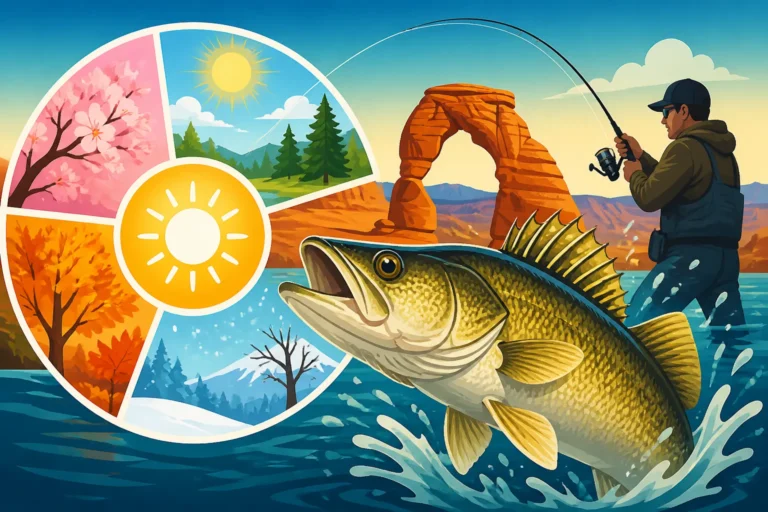
Seasonal Fly Selection Strategies for Utah Trout Streams
Utah's fishing can change dramatically with the seasons, from icy winter mornings to hot summer afternoons. Adapting your fly selection to these seasonal shifts is crucial for consistent success.
Spring Runoff and Early Season Tactics
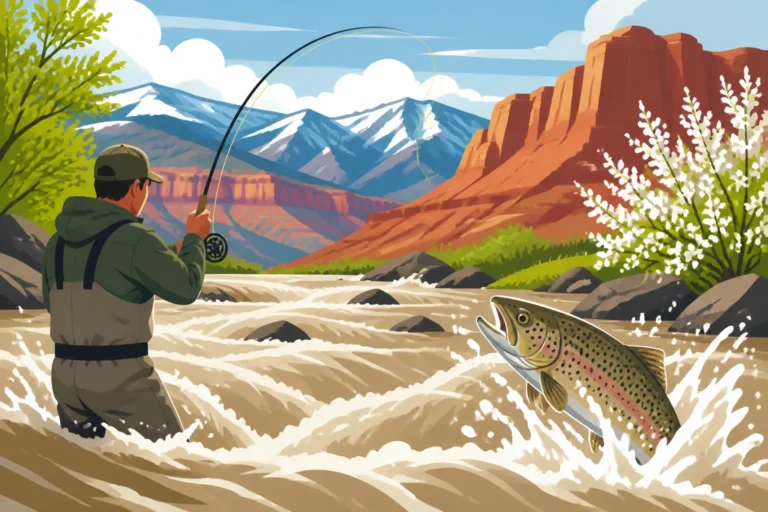
Spring in Utah can be a challenging but rewarding time to fish. The snowmelt causes rivers to swell, becoming high, fast, and often murky. While some rivers might be unfishable during peak runoff, others, especially tailwaters, can still produce.
During runoff, fish move to slower water along the banks, in eddies, or behind structure to escape the main current. They're often looking for larger, easy-to-find meals. This is the time for larger nymphs and high-visibility patterns. Think San Juan Worms or Squirmy Worms (size 10-14, often in red or pink) which imitate earthworms washed into the river. Heavy nymph rigs with split shot are necessary to get your flies down to the fish. Also, larger stonefly nymphs like a Pats Rubber Legs (sizes 6-12) can be incredibly effective when How to Fish a River During Spring Runoff in Utah is high. This period, typically April to early June, is when you focus on subsurface presentations close to the bank.
Summer Hatches and Terrestrial Bonanza
As summer progresses and water levels drop, aquatic hatches become more prevalent, and terrestrials become a major food source. This is prime time for dry fly fishing and dry-dropper rigs.
You'll encounter various caddis hatches throughout the summer, often in the evenings. Mayfly hatches, including Pale Morning Duns (PMDs) and some larger drakes, will also occur. This is when your Parachute Adams, Elk Hair Caddis, and various BWO patterns (sizes 14-20) shine. When no specific hatch is obvious, a dry-dropper rig with a larger terrestrial (like a Chubby Chernobyl, size 10-14) as the dry fly and a small nymph (like a Copper John or Pheasant Tail, size 16-20) trailing below is incredibly effective. This allows you to fish two depths at once and cover a lot of water, mimicking both a fallen terrestrial and an emerging nymph. This is the ideal time to try How to Match the Hatch on the Provo River tactics.
Fall Fishing and the Pre-Spawn Feast
Fall is often considered the most beautiful and productive season for fly fishing in Utah. The leaves turn golden, the air is crisp, and brown trout, in particular, become highly aggressive as they prepare to spawn. This is a fantastic time for streamers, egg patterns, and strong BWO hatches.
Streamer fishing truly comes into its own in the fall. Large brown trout are looking to pack on calories, and they won't hesitate to smash a well-presented Sculpzilla or Woolly Bugger (sizes 4-8) in olive, black, or brown. Focus on deeper pools, undercut banks, and around logjams. Additionally, as trout begin to spawn, egg patterns (like a Glo-Bug or Otter's Soft Egg, sizes 10-16 in orange, peach, or pink) can be incredibly effective, particularly when drifted behind actively spawning fish (though avoid targeting fish directly on redds). Fall also brings prolific BWO hatches on many rivers, so have your small mayfly patterns ready. The Best Season for Fly Fishing in Utah for many is autumn for these reasons.
Winter Midge and Baetis Fishing
Don't put your rods away just because it's cold! Winter fly fishing in Utah can be incredibly productive, especially on tailwaters like the Green and Provo Rivers. The key is understanding that trout are often feeding on tiny insects.
Midges are the dominant food source in winter. Trout will congregate in slower, deeper pools and runs, feeding consistently on midge larvae and pupae. This is when those tiny Zebra Midges, Mercury Midges, and other midge patterns (sizes 20-26) become your best friends. Often, a two-nymph rig with a heavier point fly (like a small Copper John or another midge pupa) and a tiny midge trailing behind, fished under a sensitive indicator, is the way to go. Baetis (winter BWOs) can also hatch on warmer, cloudy winter days, providing another opportunity for small nymphing or even dry fly action. Fishing in winter requires patience, warmth, and an appreciation for the subtle takes of cold-water trout.
Gear Considerations and Fly Box Essentials
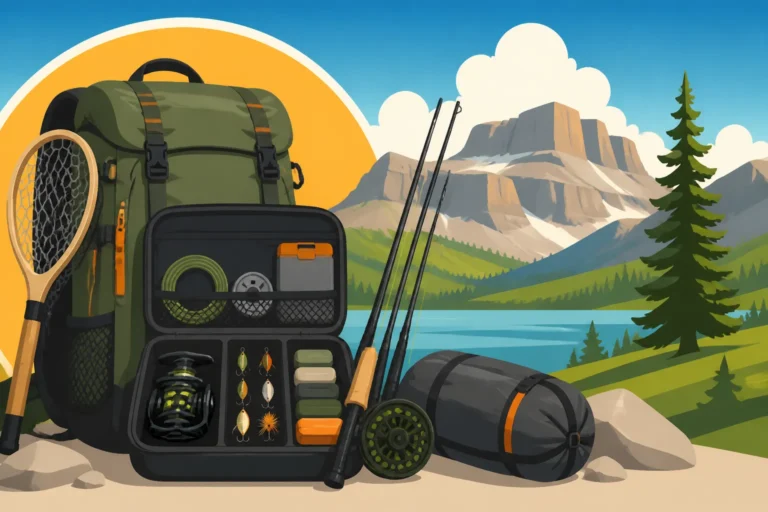
Having the right flies is just one part of the equation; having the right gear to present them effectively is equally important. A well-rounded fly box complements a solid rod and reel setup.
Rods, Reels, and Leaders for Stream Success
For most of Utah's trout streams, a 9-foot 5-weight fly rod is the ultimate all-around tool. It's versatile enough to handle delicate dry fly presentations, cast nymphing rigs with indicators, and even throw smaller streamers. If you're focusing exclusively on smaller mountain streams, a 7.5-foot or 8.5-foot 3 or 4-weight rod can be a blast. For larger streamers and targeting bigger fish, especially if you're venturing to places like the Green River, a 6 or 7-weight rod might be a better choice. To learn more about selecting the right equipment, you can check out resources like Best Fly Rods for the Provo River.
Your fly reel should balance your rod and have a smooth drag system, though for most trout, the reel primarily serves to hold your line. A good weight-forward floating fly line is standard for most stream fishing.
When it comes to leaders and tippets, stealth is often the name of the game, especially on clear tailwaters. A 9-foot tapered leader ending in 4x or 5x is a good starting point. For picky fish or tiny flies, you'll need to extend that with 6x or even 7x fluorocarbon tippet. Fluorocarbon is less visible in water and sinks faster, which can be an advantage when nymphing.
Building a Versatile Utah Fly Box
A well-stocked fly box is an angler's treasure chest. You don't need every fly ever made, but having a good selection of the patterns discussed above, in various sizes and colors, will prepare you for most situations.
Dry Flies:
- Elk Hair Caddis (sizes 12-18)
- Parachute Adams (sizes 12-20)
- Blue-Winged Olives (Parachute BWO, Sparkle Dun BWO; sizes 16-22)
- Chubby Chernobyl / Foam Hopper (sizes 8-14)
- Ants/Beetles (sizes 16-20)
- Tricos (sizes 20-26, for specific summer mornings)
Nymphs:
- Pheasant Tail Nymph (sizes 12-20, beadhead and unweighted)
- Hare's Ear Nymph (sizes 10-18, beadhead)
- Copper John (sizes 12-18, various colors)
- Prince Nymph (sizes 10-16)
- Zebra Midge (sizes 18-26, black, red, olive)
- San Juan Worm / Squirmy Worm (sizes 10-14)
- Pats Rubber Legs (sizes 6-12)
Streamers:
- Woolly Bugger (sizes 4-10, black, olive, brown)
- Sculpzilla (sizes 4-8, olive, tan)
Remember to have multiple copies of your favorite and most effective flies, as break-offs and lost flies are part of the game. Many anglers find it convenient to build their collection by purchasing assortments of flies online, such as those available on Amazon, or by visiting a well-stocked local fly shop like those found in Provo or Salt Lake City.
Here's a quick summary table of key fly types and their typical uses:
| Fly Category | Common Patterns | Best Conditions | Recommended Sizes | Notes |
|---|---|---|---|---|
| Dry Flies | Elk Hair Caddis, Stimulator | Active caddis hatches, faster water | 12-18 | Excellent generalist, floats well |
| Parachute Adams, BWO, Trico | Mayfly hatches, calm water, delicate presentations | 12-26 | Match specific hatch size; Tricos are tiny | |
| Chubby Chernobyl, Foam Hopper, Ant | Summer/Fall, near grassy banks, terrestrial activity | 8-20 | Terrestrials, good search patterns | |
| Nymphs | Pheasant Tail, Hare's Ear | Year-round, imitating various mayfly nymphs | 10-20 | Versatile, natural imitations |
| Copper John, Prince Nymph, Serendipity | General attractor, caddis larvae, getting depth | 10-18 | Flashy, weighted, good point flies | |
| Zebra Midge, Mercury Midge | Winter, tailwaters, picky fish, cold water | 18-26 | Essential for midge factory rivers | |
| San Juan Worm, Pats Rubber Legs | High/murky water, runoff, larger meals | 6-14 | Attractor, often effective in non-hatch situations | |
| Streamers | Woolly Bugger, Sculpzilla, Sex Dungeon | Targeting larger, aggressive trout, low light | 2-10 | Imitates baitfish, leeches; for predatory fish |
Remember, the best fly is often the one presented correctly, so practice your casting and presentation techniques as much as you focus on filling your fly box! Enjoy your time on Utah's incredible trout streams.
Disclaimer
The information provided in this guide is for general informational purposes only and does not constitute professional advice. Fishing regulations, conditions, and best practices can change. Always consult the latest Utah Division of Wildlife Resources (UDWR) regulations before fishing, and prioritize safety on the water.