Walleye Size in Utah Lake
It's a common dilemma when you're gearing up for a fishing trip to Utah Lake: you've heard whispers of impressive walleye, but what's a realistic expectation? Are you likely to reel in a modest dinner, or is there a chance of landing a true lunker? Anglers often feel a mix of excitement and uncertainty about the size potential of Utah Lake's walleye, wondering if it's truly a destination for trophy fish. This guide will dive deep into the typical and exceptional walleye sizes you can expect from Utah Lake, exploring the factors that influence their growth and offering insights to help you understand what might be at the end of your line.
The Walleye Story in Utah Lake: From Introduction to Today's Sizes
The walleye's journey in Utah Lake is a fascinating one, playing a significant role in the sizes anglers see today. Unlike some native species, walleye were intentionally introduced to Utah Lake, and their presence has dramatically reshaped the fishery. Understanding this history and the lake's unique characteristics helps paint a clearer picture of why these fish grow the way they do here.
Historical Introduction and Current Status
Walleye were first introduced to Utah Lake in the mid-1900s, primarily to establish a sport fishery and help control some of the more abundant, less desirable fish populations. At first, the idea might have seemed a bit experimental, as Utah Lake's warm, shallow, and often turbid waters are quite different from the clear, deep, rocky lakes walleye are often associated with in other parts of the country. However, the species quickly took hold, proving incredibly adaptable to its new environment. Over the decades, the Utah Division of Wildlife Resources (DWR) has continued to manage and monitor the population, balancing the desires of anglers with the overall ecological health of the lake.
Today, the walleye population in Utah Lake is considered robust and self-sustaining, a testament to their adaptability and the lake's rich ecosystem. Anglers regularly find success, and the walleye have become a highly sought-after sport fish, known for their delicious fillets and challenging fight. While there are always fluctuations in any fishery, the current status points to a healthy, thriving population that supports a significant angling effort, especially during peak seasons like spring and fall. The sheer number of fish means there's a strong chance of encountering walleye, which also influences the average size you might expect.
What Makes Utah Lake Unique for Walleye Growth
Utah Lake might not fit the classic walleye habitat stereotype, but its distinct features are precisely what contribute to the walleye's growth patterns here. First and foremost, Utah Lake is incredibly fertile. It's a large, shallow, freshwater lake, and this combination means abundant nutrients, which in turn support a massive forage base. Walleye are predators, and a constant, plentiful supply of food is the number one driver of growth. In Utah Lake, walleye have a smorgasbord of options, from various panfish species to an endless supply of carp and white bass. This rich diet translates directly into faster growth rates compared to waters where food might be scarcer.
Another critical factor is the lake's water temperature. Being shallow, Utah Lake warms up significantly in the spring and summer. While some fish prefer colder water, walleye are quite tolerant of warmer temperatures, and warmer water generally means a faster metabolism. A faster metabolism, when combined with abundant food, can lead to quicker growth. However, this also means the fish are more active and burn more energy, so they constantly need to feed. The lake's often turbid nature also plays a role. Walleye are sight predators, but they thrive in lower light conditions, which the lake's turbidity often provides. This gives them a distinct advantage over some prey species, allowing them to hunt effectively throughout the day and night, further contributing to their feeding success and, consequently, their size.
Unpacking the Average Walleye Size in Utah Lake
When you're out on the water, you want to know what's a "good" walleye for Utah Lake. It's easy to get caught up in stories of giants, but having a realistic understanding of the average size will help you appreciate every catch and gauge your success. Most anglers will find that Utah Lake offers a consistent fishery with a good distribution of sizes.
Typical Length and Weight Ranges
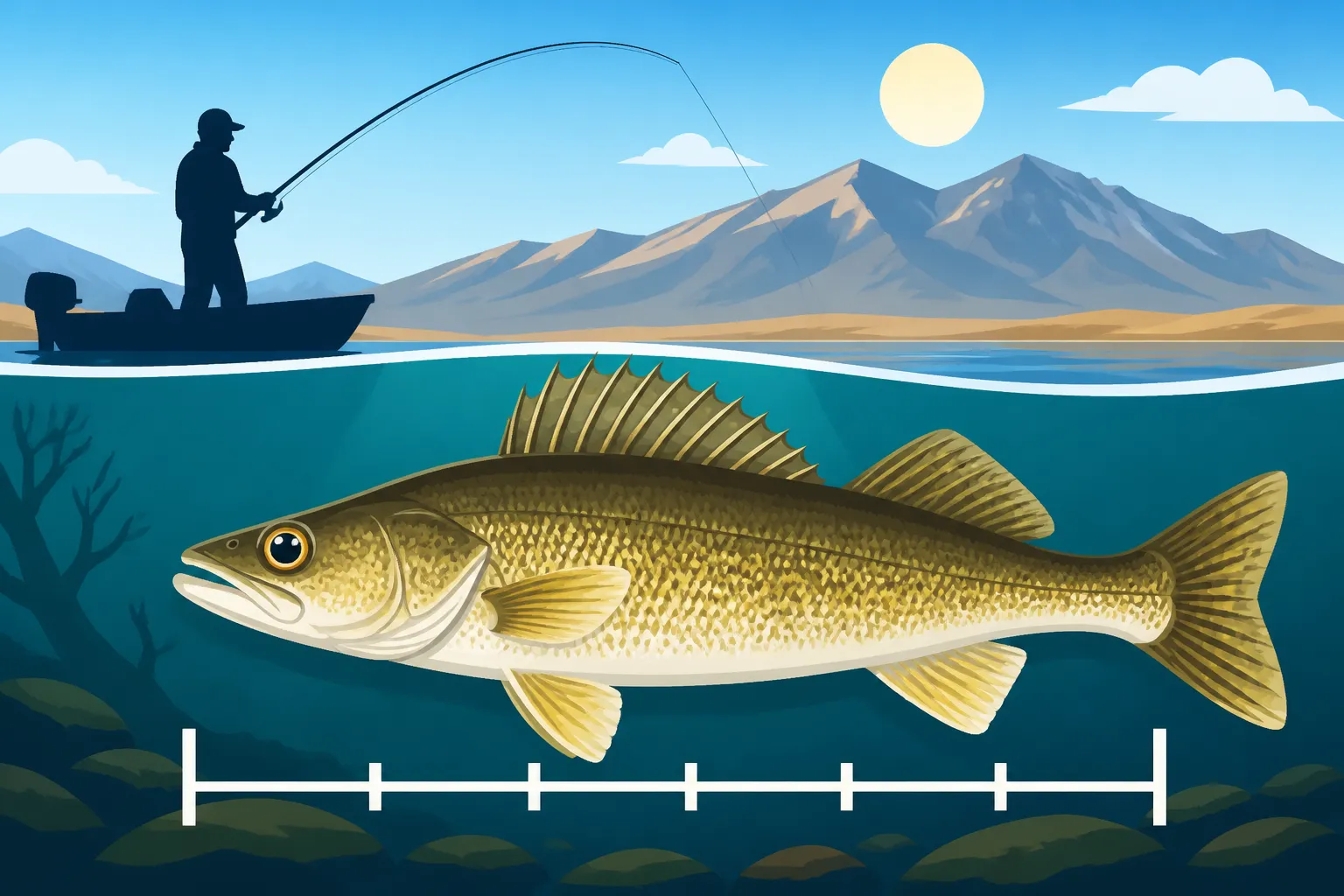
For the casual angler hitting Utah Lake, you can generally expect to encounter walleye in the 14 to 20-inch range. These are solid, healthy fish that provide excellent table fare and a respectable fight. A walleye in this size bracket typically weighs between 1 and 3 pounds, sometimes a bit more depending on its girth and the time of year. While these aren't "trophy" fish by most standards, they represent the bread and butter of the Utah Lake walleye fishery and are the most common size to catch. Many anglers are perfectly thrilled to fill a cooler with fish of this size, especially given their quality as a meal.
As you start to move up, a walleye reaching 20 to 24 inches is certainly a noteworthy catch, pushing into the "good fish" territory for Utah Lake. These fish often weigh 3 to 5 pounds, offering a more substantial battle and a truly rewarding experience. Anything over 24 inches is definitely getting into the "trophy" conversation for many local anglers, often tipping the scales at 5 pounds or more. These larger fish are less common but are caught regularly by dedicated anglers who understand the lake and the species. Keep in mind that fish weight can vary considerably for a given length based on the fish's condition, recent feeding, and whether it's a male or female preparing to spawn.
Factors Influencing Size and Growth Rates
The size and growth rate of walleye in Utah Lake aren't just random; they're the result of a complex interplay of environmental and biological factors. One of the most significant influences is forage availability. Utah Lake is teeming with various prey species, including carp, white bass, various panfish like yellow perch and bluegill, and even crayfish. A rich and diverse diet allows walleye to grow quickly and maintain good body condition. If the forage base were to decline, you would likely see a reduction in the average size and overall health of the walleye population. Anglers often research What Walleye Eat in Utah Lake to better understand their feeding habits and use appropriate baits.
Population density also plays a crucial role. If the walleye population becomes too dense relative to the available food, competition can increase, leading to stunted growth for the general population. The DWR monitors Utah Lake Walleye Population closely to ensure a healthy balance. Water temperature, as discussed earlier, contributes to their metabolic rate; warmer periods with ample food lead to faster growth. Finally, angling pressure and harvest regulations like Utah Walleye Daily Limit and Utah Walleye Harvest Rules can influence the average size of fish remaining in the lake. If anglers preferentially harvest smaller fish, it can allow larger fish to survive and grow. Conversely, if too many larger fish are taken, it might shift the average size downward.
The Allure of Trophy Walleye and Record Potential
While the average walleye in Utah Lake provides plenty of angling enjoyment, there's a certain magic to pursuing a true trophy fish. The prospect of hooking into something exceptional is what keeps many anglers coming back, hour after hour, season after season.
What Constitutes a "Trophy" Walleye in Utah Lake
Defining a "trophy" walleye can be subjective, but in the context of Utah Lake, it generally refers to a fish that stands out significantly from the average catch. For many, a walleye measuring 25 inches or longer and weighing 6 pounds or more would comfortably fit into the "trophy" category. These are truly impressive fish for this particular body of water, demanding specific tactics and a good deal of persistence to land. They represent the upper echelon of the population and are often older, more cunning individuals that have survived numerous angling attempts.
Catching a trophy walleye isn't just about the size; it's about the challenge. These larger fish are often more experienced, harder to fool, and require a greater understanding of their behavior, preferred habitats, and feeding patterns. The thrill of the chase, the strategic planning, and the sheer power of a big walleye on the end of your line make these catches unforgettable. Many anglers dedicate their entire season to trying to land just one such fish, often passing up smaller, albeit perfectly good, walleye in the process.
The Allure of Catching a Record-Setter
Beyond personal bests and trophy class fish, lies the ultimate goal for some: the state record. While the odds are astronomically low, the dream of catching The Utah State Record Walleye is a powerful motivator. The current state record walleye caught in Utah was a monster, a testament to the potential of the state's waters. While Utah Lake is a fantastic walleye fishery, it's worth noting that state records can come from various waters, and often it's about being in the right place at the right time with the right bait.
For many, the pursuit of a record-setter is a lifelong quest, requiring an immense amount of dedication, specialized gear, and an intimate knowledge of the species and the water. It's about pushing boundaries, learning every nuance, and having the sheer determination to keep trying. Even if you don't break a record, the journey of attempting to catch such an exceptional fish will undoubtedly make you a better, more knowledgeable angler. Every large fish caught, carefully measured, and perhaps released, adds to the lore of the lake and fuels the dreams of others.
Practical Tips for Targeting Larger Walleye in Utah Lake
If you're serious about increasing your chances of landing a bigger walleye in Utah Lake, you'll need to adjust your approach. While catching numbers of average-sized fish is fun, targeting trophies often means a change in strategy, technique, and even the gear you use.
Strategies and Techniques for Bigger Fish
Larger walleye are often more solitary and hold in specific areas, making them harder to find but more rewarding to target. One key strategy for bigger fish in Utah Lake is to focus on night fishing. Walleye are low-light predators, and the biggest fish often become most active after dark, venturing into shallower areas or more open water to hunt. Using larger, more aggressive baits or lures during these periods can be highly effective. Understanding What Lures Work Best for Utah Lake Walleye After Dark? is crucial for this approach.
Another effective technique, especially for covering ground and finding those scattered bigger fish, is trolling. This involves slowly moving your boat while dragging crankbaits or spinner rigs at various depths. Larger crankbaits that mimic the lake's abundant forage fish can entice a big walleye. Focus your trolling efforts around submerged structures, drop-offs, or along the edges of weed beds. Big walleye often relate to structure and subtle depth changes. During the spring, when walleye are spawning, targeting specific areas can also yield larger fish; understanding How to Catch Walleye at Utah Lake in Spring can be beneficial. These bigger fish aren't usually in the same spots as the smaller, more aggressive ones, so patience and persistence are key.
Essential Gear for Measuring and Releasing (or Keeping)
Whether you plan to release that trophy walleye or keep it within Utah Walleye Daily Limit for a memorable meal, having the right gear on hand for accurate measurement and handling is paramount. First, invest in a good quality bump board. These specialized measuring devices provide precise length measurements, which are critical if you're chasing records or abiding by slot limits. For weighing your catch, a reliable digital scale is essential. You want one that's accurate and easy to use, especially when dealing with a feisty fish. You can find a wide selection of accurate bump boards, digital scales, and rubberized landing nets on platforms like Amazon, ensuring you're ready to measure your catch quickly and accurately, whether for a photo or to comply with regulations.
Beyond measuring, proper fish handling is vital. A large, rubberized landing net is a game-changer. The rubber mesh protects the fish's slime coat and fins much better than traditional nylon nets, minimizing stress and injury if you're planning a release. For safely removing hooks, especially from deeper-set baits, a good pair of long-nosed pliers or a de-hooking tool is indispensable. Carrying these tools ensures that whether you're celebrating a personal best or carefully returning a fish to the water, you're doing so responsibly and efficiently. Don't forget a quality cooler with ice if you intend to keep your catch; Best Coolers for Keeping Utah Fish Fresh can help keep your walleye in prime condition for the dinner table.
| Feature | Typical Walleye in Utah Lake | Trophy Walleye in Utah Lake | Utah State Record Walleye (Historical) |
|---|---|---|---|
| Length Range (inches) | 14-20 | 25+ | 30+ |
| Weight Range (lbs) | 1-3 | 6-10+ | 15+ |
| Likelihood of Catch | Common | Challenging, but achievable | Extremely rare |
| Primary Goal | Table fare, regular sport | Photo opportunity, personal best | Legacy, ultimate bragging rights |
| Key Strategy | Varied | Night fishing, trolling large baits | Expertise, persistence, luck |
Disclaimer
This article is for general informational purposes only and does not constitute professional advice. Laws, prices and regulations vary by location and change over time. Consult a qualified professional for guidance on your specific situation.