Is the Bonneville Cutthroat Trout Native to Utah?
It’s easy to get tangled up in the question of which fish species truly belong in Utah’s waters and which were introduced over the years. This confusion is especially common with our beloved cutthroat trout, which has several different subspecies across the West. If you’ve ever wondered about the true origins of the Bonneville Cutthroat Trout, you're not alone! This guide will clear up the mystery, confirming its native status in Utah and exploring its rich history, unique characteristics, and ongoing importance to our state's angling heritage and ecological health.
Unraveling the Native Status of Bonneville Cutthroat Trout in Utah
For generations of anglers and conservationists alike, the Bonneville Cutthroat Trout (Oncorhynchus clarkii utah) has been a symbol of Utah’s pristine high-country waters and resilient ecosystems. Its very name, "Bonneville," ties it directly to the ancient Lake Bonneville, a massive prehistoric lake that once covered much of what is now Utah, Nevada, and Idaho. This connection is not just symbolic; it’s a genetic roadmap.
Before European settlement, Bonneville Cutthroat Trout were the dominant, if not exclusive, salmonid species throughout the Bonneville Basin, making them unequivocally native to this region. They thrived in countless rivers, streams, and lakes that eventually flowed into the vast Lake Bonneville system. Think about the sprawling landscape before dams and diversions – a network of interconnected waterways, all populated by these beautiful, adaptable trout. Their presence was a testament to the health and biodiversity of these ancient aquatic systems. This isn't just a historical footnote; it's a fundamental part of Utah's natural heritage, giving them a special place in our state's biodiversity.
The Historical Presence: A True Utah Original
Imagine early explorers venturing into what would become Utah. They would have found an abundance of these vibrant fish, particularly in the Bear River, the Green River tributaries that fed into the Bonneville basin (pre-diversion), and countless drainages flowing into Utah Lake and the Sevier River system. These trout were a crucial food source for indigenous peoples and early settlers, playing a significant role in the region's cultural and ecological fabric. Their historical range covered a massive area, from the high Uinta Mountains all the way down to the low-elevation valleys, demonstrating their incredible adaptability to varied aquatic environments. They were literally everywhere the water ran within their historical basin, making them a true, widespread native.
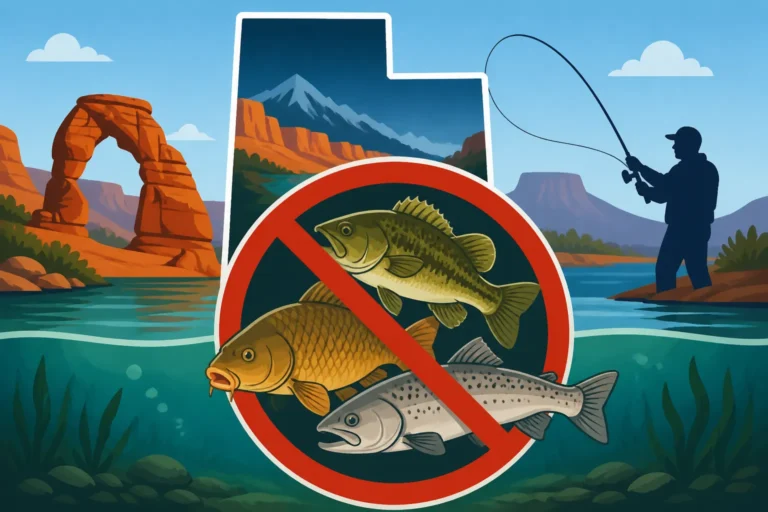
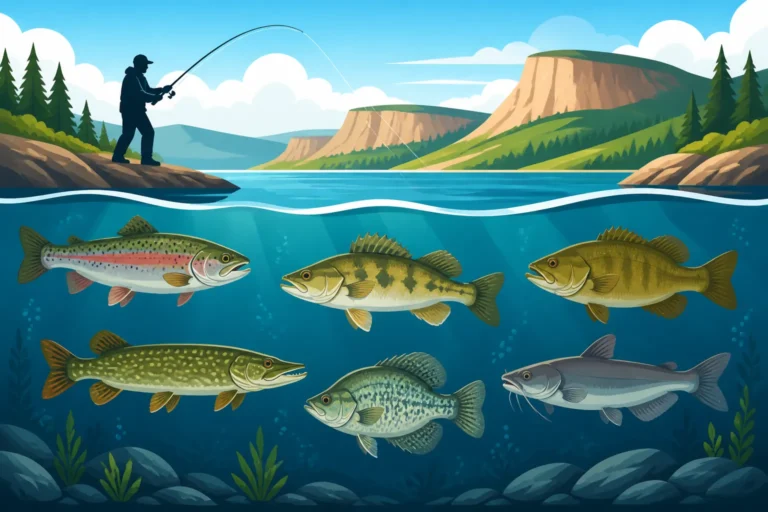
However, over time, habitat degradation, water diversions, and perhaps most significantly, the introduction of non-native trout species like rainbow trout, brown trout, and even other subspecies of cutthroat, severely impacted their populations. These introduced species competed for food and habitat, hybridized with the Bonneville Cutthroat, and introduced diseases, leading to dramatic declines across their native range. It's a sad chapter in our state's history, but one that highlights the challenges native species face when ecosystems are altered and new variables are introduced. Understanding this history is crucial to appreciating the ongoing efforts to protect and restore them today. You can read more about how this impacts the broader Utah Trout Species Guide.
The Decline and Resurgence: A Story of Conservation
The story of the Bonneville Cutthroat Trout isn't just about its native origins; it's also a powerful narrative of decline and, thankfully, resurgence through dedicated conservation. By the mid-20th century, many populations had vanished entirely, and others were so hybridized that genetically pure Bonneville Cutthroat were exceedingly rare, often confined to isolated, high-altitude streams. It was a bleak outlook for what was once the most abundant trout in the region.
However, tireless efforts by the Utah Division of Wildlife Resources (UDWR), alongside federal agencies and conservation groups, have worked to bring them back. This has involved identifying and protecting remnant populations, removing non-native fish from specific drainages, and reintroducing genetically pure Bonneville Cutthroat Trout into their historical habitats. This kind of work is painstaking, often requiring temporary rotenone treatments to clear out competing species, followed by years of careful monitoring. It's a long game, but one that’s showing real success in certain areas. For anglers, this means a chance to fish for a truly native species, a living piece of Utah's past. Supporting these efforts, even through something as simple as purchasing your Utah Fishing License Guide, contributes to the resources needed for such ambitious conservation projects.
What Makes a Bonneville Cutthroat Trout Unique?
While all cutthroat trout share some common traits, the Bonneville subspecies has its own distinct characteristics that set it apart. Identifying these fish correctly is not only satisfying for an angler but also vital for conservation, especially when you encounter waters where release is mandatory to protect native populations. Knowing what you're looking at means you're a more responsible and informed participant in Utah's angling community.
Identifying This Distinctive Trout
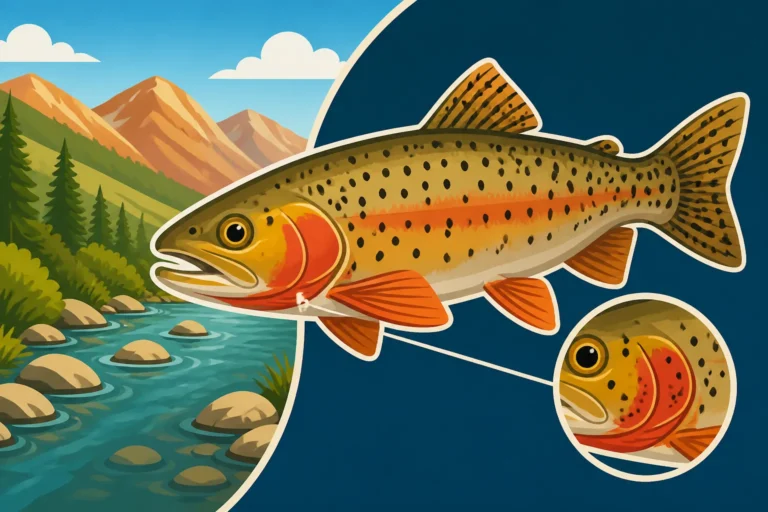
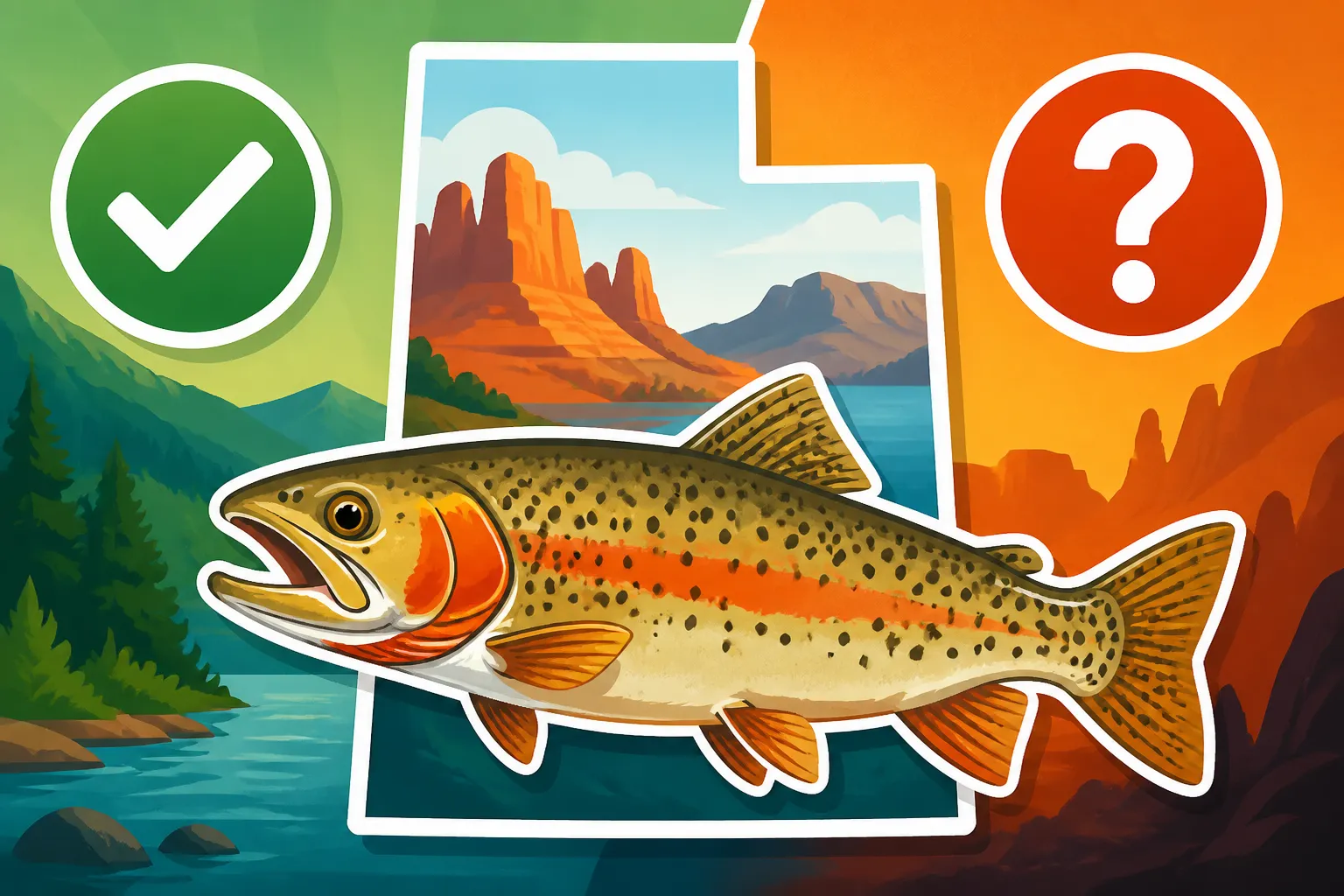
At first glance, identifying a Bonneville Cutthroat Trout can sometimes be a challenge, especially when they hybridize with rainbows. However, there are key features to look for. Generally, they have a somewhat duller, silvery-gray to olive coloration on their sides, often with a subtle pinkish or yellowish hue, unlike the vibrant pink stripe of many rainbow trout. The spots are typically small, numerous, and concentrated more towards the tail and often less on the head or forward body. The "cutthroat" mark, the red or orange slash under the jaw, is usually quite prominent, but can vary in intensity. Their fins might also have a yellowish tint.
One defining characteristic, which is harder to observe without handling the fish, is the presence of basibranchial teeth on the tongue, a trait common to all cutthroat subspecies. For the average angler, the combination of overall coloration, spot distribution, and the clear cutthroat mark is usually enough to make a strong identification, especially if you know you're fishing in a restored Bonneville Cutthroat stream. If you’re serious about identification, a good waterproof fish ID guide, available on Amazon, can be an invaluable tool to carry in your fishing vest. It’s a great way to double-check your observations on the water.
Habitat and Behavior
Bonneville Cutthroat Trout are primarily found in cold, clear, well-oxygenated mountain streams and high-elevation lakes throughout their historic range within the Bonneville Basin. They thrive in environments with abundant insect life, good stream cover, and cool water temperatures. While they can tolerate a range of conditions, their preference for pristine habitats makes them excellent indicators of ecological health. Think about the rugged beauty of a pristine stream tumbling through a canyon – that's prime Bonneville Cutthroat country.
Their behavior is typical of many trout species; they are opportunistic feeders, consuming a variety of aquatic and terrestrial insects, smaller fish, and even some crustaceans. They are often less aggressive than some introduced species, making them a rewarding, if sometimes challenging, target for fly anglers. They tend to hold in deeper pools, behind structure, or in areas with moderate current where food drifts by. Understanding their preferred habitats and feeding habits is key to successfully targeting them. Learning about How Water Temperature Affects Utah Trout Fishing can also give you an edge in understanding where these fish might be holding in their native waters.
The Significance of Bonneville Cutthroat Trout to Utah Anglers and Ecosystems
The importance of the Bonneville Cutthroat Trout goes far beyond just its status as a native fish. It represents a vital connection to Utah's past and holds significant value for both recreational angling and the broader ecological balance of our state's aquatic systems. Its presence is a bellwether for healthy waterways and robust biodiversity.
Fishing for a Piece of Utah's Heritage
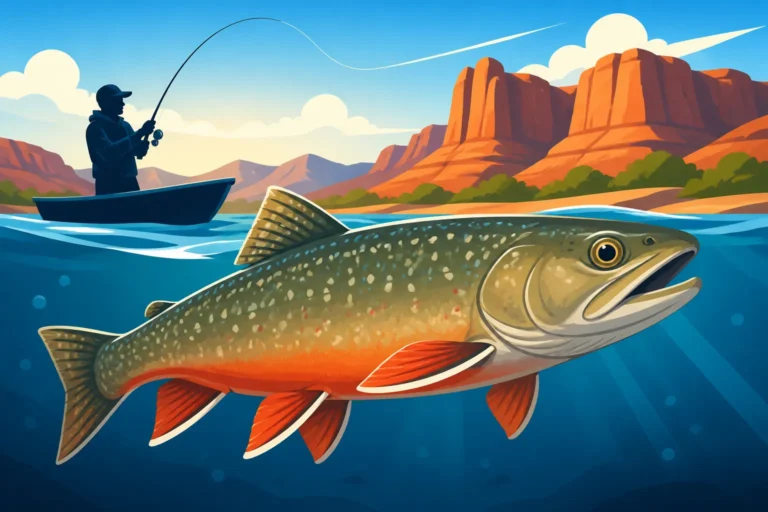
For many Utah anglers, especially those who appreciate native species and conservation, catching a Bonneville Cutthroat Trout is a truly special experience. It’s not just about the fight or the size of the fish; it’s about connecting with a living legacy, a fish that has called these mountains and valleys home for millennia. These fish often inhabit incredibly scenic areas, requiring a bit more effort to reach, which only adds to the reward. Imagine hiking into a remote Uinta lake or a secluded stream, casting your line, and landing a fish that has been part of this landscape since before recorded history. It's a profound connection to the wilderness.
Many of these native fisheries are managed with specific regulations, sometimes requiring catch-and-release, to ensure their continued recovery and protection. This means that anglers play an active role in their conservation every time they wet a line. Being mindful of Utah Catch-and-Release Waters and practicing proper fish handling techniques are crucial. Investing in a good pair of waders and wading boots for accessing these pristine stream habitats, perhaps found through a thorough search on Amazon, can significantly enhance your experience and allow you to explore more of their natural domain responsibly.
Conservation Efforts and Angler Responsibility
The ongoing conservation of Bonneville Cutthroat Trout is a major focus for wildlife managers in Utah. Their recovery is not just about bringing back a single species; it's about restoring the health of entire aquatic ecosystems. When Bonneville Cutthroat thrive, it's often an indication that water quality is good, stream flows are adequate, and other native species are also doing well. They act as an "umbrella species," meaning efforts to protect them benefit many other organisms in their habitat.
Anglers are incredibly important partners in these efforts. Beyond simply following regulations, responsible angling practices, such as preventing the spread of aquatic invasive species, proper catch-and-release techniques, and reporting unusual sightings, directly contribute to their success. When you're fishing in a stream known for Bonneville Cutthroat, remember that every action you take can impact their fragile populations. The UDWR provides extensive information on specific fishing regulations and special management areas for native trout, and it's always worth checking the latest Utah Fishing Regulations Explained before heading out. Our collective commitment ensures that these iconic native trout will continue to grace Utah's waters for generations to come, providing a unique angling experience and maintaining the ecological integrity of our beloved state.
Here’s a quick overview comparing Bonneville Cutthroat Trout with some other common trout in Utah:
| Feature | Bonneville Cutthroat Trout (Native Subspecies) | Rainbow Trout (Introduced) | Brown Trout (Introduced) |
|---|---|---|---|
| Native Status in Utah | Yes, unequivocally native to the Bonneville Basin | No, introduced from Pacific drainages | No, introduced from Europe |
| Typical Coloration | Silvery-gray to olive, subtle pink/yellow hues | Silvery, distinct pink/red lateral stripe | Brown/gold with large dark spots (often haloed) |
| Spots | Small, numerous, concentrated towards tail | Small to medium, evenly distributed, often on fins | Large, dark, sometimes red/orange spots with pale halos |
| Cutthroat Mark | Usually prominent red/orange slash under jaw | Absent (though some hybrids may show faint mark) | Absent |
| Preferred Habitat | Cold, clear mountain streams & high lakes | Wide variety of lakes, rivers, and streams | Cooler rivers, often larger, can tolerate warmer water |
| Conservation Status | Species of Concern, active recovery efforts | Widely stocked, stable populations | Widely naturalized, often prolific |
Disclaimer
This article is for general informational purposes only and does not constitute professional advice. Laws, prices and regulations vary by location and change over time. Consult a qualified professional for guidance on your specific situation.