Best Coolers for Keeping Utah Fish Fresh
There’s nothing quite like the feeling of landing a beautiful trout or a feisty walleye after a long day on the water in Utah. You’ve put in the effort, battled the elements, and finally, you have a prize to take home. But that triumphant feeling can quickly sour if you don't have a reliable way to keep your catch fresh. Too often, anglers find their fish warm, mushy, or even spoiled by the time they get back to the cooler at camp or, worse yet, home. This guide is here to ensure that your hard-earned catch from Utah's diverse waters stays in peak condition, from the moment it leaves the water to the moment it hits your plate, by helping you pick the absolute best cooler for your needs.
Why Cooler Choice Matters for Utah Anglers
When you're out fishing in Utah, you're not just contending with the fish themselves; you're often battling a wide range of environmental factors that can make or break the freshness of your catch. From the scorching sun reflecting off Lake Powell in July to the crisp, sometimes unexpectedly warm, days high in the Uintas, the conditions can be incredibly varied. A generic picnic cooler simply won't cut it if you're serious about preserving the quality and flavor of your fish. The right cooler isn't just a container; it's an essential piece of gear that safeguards your investment of time, effort, and passion.
The Battle Against Utah's Varied Temperatures
Utah's climate is a wild card, and any seasoned angler knows it. One minute you could be enjoying a cool breeze on the Green River, the next you're baking under an intense summer sun at Willard Bay, where temperatures can soar well into the 90s. Even during spring and fall, a warm spell can quickly degrade your catch if your cooler isn't up to snuff. Think about a day spent reeling in striped bass at Lake Powell; without proper insulation, those fish will be compromised long before you make it back to the marina. Effective ice retention isn't just a luxury here; it's a necessity.
Moreover, many of Utah's prime fishing spots, like Strawberry Reservoir or Flaming Gorge, require a significant drive to reach, and then another long drive home. That means your cooler needs to perform for hours, if not an entire weekend, keeping ice intact and fish chilled to a safe temperature. A flimsy cooler that melts ice in a few hours is essentially useless for anything beyond a quick run to a community pond. It's truly a frustration when you pack a cooler full of ice, only to find a pool of lukewarm water a few hours later, jeopardizing all those beautiful fish you just caught.
Preserving Quality for Different Utah Species
The type of fish you target in Utah can also influence your cooler needs. A delicate Bonneville cutthroat trout from Bear Lake, known for its pristine flavor, deserves the utmost care to maintain its quality. The same goes for the vibrant kokanee salmon you might be trolling for at Rockport Reservoir or the delicious walleye from Utah Lake. These species have distinct textures and fat contents, and improper handling or storage can lead to a "fishy" taste or soft flesh that makes them less enjoyable to eat.
For larger species, like a trophy lake trout from Flaming Gorge or a hefty channel catfish from Utah Lake, you'll need a cooler that can accommodate their size without having to bend or cram them in. How to Fillet a Trout After Keeping Your Limit is a great resource, but even before filleting, keeping the whole fish cold is key. Ensuring your cooler can properly chill these fish whole or in large sections prevents bacterial growth and preserves the firm texture that makes them so desirable on the dinner table. This attention to detail extends the shelf life of your fish and ensures that every bite is as fresh and delicious as possible.
The Importance of Post-Catch Care for Flavor
The moment a fish is caught, the clock starts ticking on its freshness. Proper post-catch care is paramount for maintaining flavor and texture, and your cooler plays a central role. Bleeding and gutting fish immediately after catching them is a golden rule for many anglers, especially for species like trout and salmon. This practice, often referred to as field dressing, removes blood and organs that can contribute to off-flavors and spoilage. Once field dressed, these fish need to be plunged into an ice bath as quickly as possible.
Without an adequately cold environment, even a well-bled and gutted fish can begin to degrade. Enzymes naturally present in the fish start to break down tissue, and bacteria multiply rapidly, especially in warmer temperatures. A superior cooler provides that immediate, consistent cold storage, halting these processes. It ensures that the delicate flavors of Best Fish Species for Eating From Utah Waters like rainbow trout, splake, or kokanee salmon are preserved, delivering a culinary experience that truly reflects your efforts on the water. It’s a shame to catch a beautiful fish only for it to taste mediocre because of poor handling in the cooler.
Types of Coolers: What's Right for Your Utah Adventure?
Choosing the right cooler often feels like navigating a maze of options, each promising superior performance. For Utah anglers, understanding the fundamental differences between cooler types is the first step to making an informed decision. Your ideal cooler depends on various factors: the duration of your trip, the size of your potential catch, how you're transporting it, and your budget. Let's break down the main contenders that you'll typically find available at retailers like Bass Pro Shops or even online through Amazon.
Rotomolded Hard Coolers: The Durability Kings
Rotomolded coolers are the heavyweights of the cooler world, and for good reason. Their name comes from the rotational molding process used to create them, which results in a single, seamless piece of plastic for the lid and body. This construction eliminates weak points, making them incredibly durable and resistant to impact, perfect for bumping around in the back of a truck or on a rocky shoreline. They boast thick, pressure-injected insulation, often several inches thick, which is the secret to their legendary ice retention capabilities.
For serious Utah anglers planning multi-day trips to places like Flaming Gorge or the Uintas, where consistent ice is crucial for large fish or extended storage, a rotomolded cooler is often the go-to choice. They can keep ice for days, even a week or more in optimal conditions, meaning your prize lake trout or limits of panfish will stay perfectly chilled. The downside? They are considerably heavier and more expensive than other options. However, for those who prioritize maximum ice retention and rugged longevity, the investment is often well worth it.
Soft-Sided Coolers: Lightweight and Convenient
Soft-sided coolers offer a compelling alternative for anglers who prioritize portability and convenience. These coolers are typically made from heavy-duty fabrics like nylon or TPU, with internal foam insulation. While they can't match the multi-day ice retention of their rotomolded cousins, modern soft-sided coolers have significantly improved their insulating properties, often capable of keeping ice for a full day or even two. They are much lighter when empty and more flexible, making them easier to carry, especially if you're hiking to a remote high-mountain lake or just need a compact solution for a short outing.
If you're making a quick trip to a community pond with the kids, targeting smaller fish, or need a secondary cooler for drinks and snacks while your primary hard cooler holds the big catch, a quality soft-sided cooler is an excellent choice. They are also easier to store in tight spaces on a boat or in the trunk of a car. Just be mindful of their limitations for very long trips or extremely hot conditions, and always ensure you have enough ice to maintain safe temperatures, especially for How to Store Fish on a Hot Day in Utah.
Insulated Fish Bags: Flexible and Space-Saving
Insulated fish bags are a niche but highly effective solution, particularly popular among offshore anglers or those targeting large, long-bodied species that might not fit in traditional coolers. Made from heavy-duty vinyl or similar waterproof materials with closed-cell foam insulation, these bags are designed specifically for fish. They often feature a wide opening for easy loading and cleaning, and many are long enough to accommodate species like large striped bass from Lake Powell or hefty catfish from Utah Lake without bending their bodies.
The primary advantages of fish bags are their flexibility and ability to be stored compactly when empty. When not in use, they can be rolled or folded up, taking up minimal space on your boat or in your vehicle, which is a huge plus for smaller craft or crowded vehicles heading to the reservoir. While their ice retention might be slightly less than a premium rotomolded cooler, they are generally excellent for a full day of fishing and crucial for keeping those big fish straight and pristine. They're a fantastic choice if you're limited on rigid cooler space but still want to protect a substantial catch.
Key Features to Look for in a Utah Fishing Cooler
Choosing the right cooler isn't just about picking a type; it's about evaluating the specific features that will stand up to the unique demands of Utah fishing. You need a cooler that can handle rugged terrain, fluctuating temperatures, and the general messiness that comes with a successful day on the water. Focusing on these key attributes will help you find a cooler that not only keeps your fish fresh but also serves you well for years to come.
Ice Retention: The Ultimate Measure of a Cooler
When it comes to keeping fish fresh, ice retention is the holy grail. This is the cooler's ability to keep ice frozen for as long as possible, directly translating to how long your fish stay optimally chilled. Superior ice retention comes down to several design elements: thick, high-density insulation, a tight-sealing gasket around the lid, and robust latches that compress the lid for an airtight seal. Cheaper coolers often skimp on these features, leading to rapid ice melt and warm fish – a frustrating experience nobody wants.
For multi-day trips or long hauls back from remote fishing spots, look for coolers that boast multi-day ice retention claims. While manufacturer claims can sometimes be optimistic, they offer a good baseline. Reading reviews from fellow anglers often gives a more realistic picture of real-world performance. A cooler that can hold ice for 3-5 days is a solid investment for most Utah fishing scenarios, ensuring your catch stays well below the critical 40°F mark. This is especially vital when fishing in warm weather or when planning a substantial journey.
Size and Capacity: Matching Your Haul
The "right" size cooler is entirely dependent on your fishing habits. Are you usually targeting a limit of trout at a community pond? A 20-quart or 30-quart cooler might be perfect. Planning to bring home several large walleye from Utah Lake or a cooler full of striped bass from Lake Powell? You'll need something in the 65-quart to 100-quart range, or perhaps even larger. It's not just about the volume of fish; you also need to account for a generous amount of ice. As a general rule, many anglers aim for a 2:1 ratio of ice to fish by volume for optimal cooling.
Consider the dimensions as well, not just the stated capacity. Can a large brown trout lay flat without bending in the cooler? Will the cooler fit in your boat's storage compartment or your vehicle's trunk? Some anglers prefer a wider, shorter cooler, while others need a longer, narrower one for specific fish species. Don't forget that a full cooler, especially a large one packed with ice and fish, can be incredibly heavy. While a smaller cooler might limit your haul, it makes transport significantly easier, particularly if you're carrying it any distance from the car. Check out Best Cooler Size to Keep a Trout Limit Fresh for more specific guidance on sizing.
Construction and Portability: Built for the Backcountry or the Boat
The build quality of a cooler dictates its longevity and usability in the rough-and-tumble world of fishing. For hard coolers, look for heavy-duty, UV-resistant rotomolded construction that won't crack under stress or warp in the sun. Strong hinges, often made of stainless steel or heavy-duty plastic, are crucial, as are durable latches that can withstand repeated use without breaking. Skid-resistant feet help keep the cooler from sliding around in a boat or truck bed.
Portability features are equally important. Large coolers often come with rugged wheels and sturdy handles, making it easier to move them when fully loaded. For smaller, soft-sided coolers or fish bags, comfortable shoulder straps and reinforced carrying handles are essential. If you plan on hiking to high-altitude lakes in the Uintas, a lighter, more portable solution that can integrate with a backpack, perhaps even a dedicated insulated backpack, might be more practical. Consider what Best Backpacks for Hiking to Uinta Lakes might be suitable if you're taking a smaller, more portable cooler.
Drainage and Cleaning: Keeping Things Hygienic
After a successful fishing trip, the last thing you want is a cooler that's a nightmare to clean. An efficient drainage system is a small but mighty feature. Look for large drain plugs that allow for quick and complete water removal, ideally tethered so you don't lose them. Some coolers even feature dual drain plugs or channels that help funnel water out without needing to tilt the entire cooler excessively.
Easy-to-clean interior surfaces are also critical. Smooth, non-porous liners resist stains and odors, which are common issues when dealing with fish. Look for coolers with antimicrobial liners to further prevent the buildup of bacteria and smells. This attention to cleaning detail ensures that your cooler stays hygienic and ready for your next adventure, preventing any lingering fishy odors that could contaminate future catches or even your other gear. A well-designed cooler makes the post-fishing cleanup less of a chore, letting you focus on the memories rather than the mess.
Cooler Preparation and Usage Tips for Optimal Freshness
Having the best cooler money can buy is only half the battle; knowing how to properly prepare and use it is just as crucial for ensuring your Utah fish stay fresh. Even a top-tier rotomolded cooler will underperform if not used correctly, and a well-managed budget cooler can often exceed expectations with proper technique. It’s all about creating and maintaining that ideal cold environment.
Pre-Chilling and Ice Management Strategies
One of the most common mistakes anglers make is throwing warm fish into a warm cooler with a handful of ice. This is a recipe for rapid ice melt and lukewarm fish. The key to maximizing ice retention is to pre-chill your cooler before loading it with your catch. A day before your trip, fill your cooler with sacrificial ice or a few frozen water bottles. This brings down the internal temperature of the cooler, so when you add your "good" ice and fish, the cooler isn't wasting energy cooling itself down.
When it comes to ice, more is definitely better, and the type of ice matters. Block ice melts much slower than cubed ice because it has less surface area exposed to warmer air. A combination of both is often ideal: use a layer of block ice on the bottom for long-lasting cold, and then supplement with cubed ice or even frozen gallon jugs of water to fill gaps and surround the fish. These frozen jugs also have the added benefit of providing drinking water as they melt, or simply being refrozen for your next trip, eliminating messy meltwater directly contacting your fish if you prefer. Avoid using crushed ice alone for extended trips, as it melts incredibly fast.
The Best Way to Store Your Catch Inside the Cooler
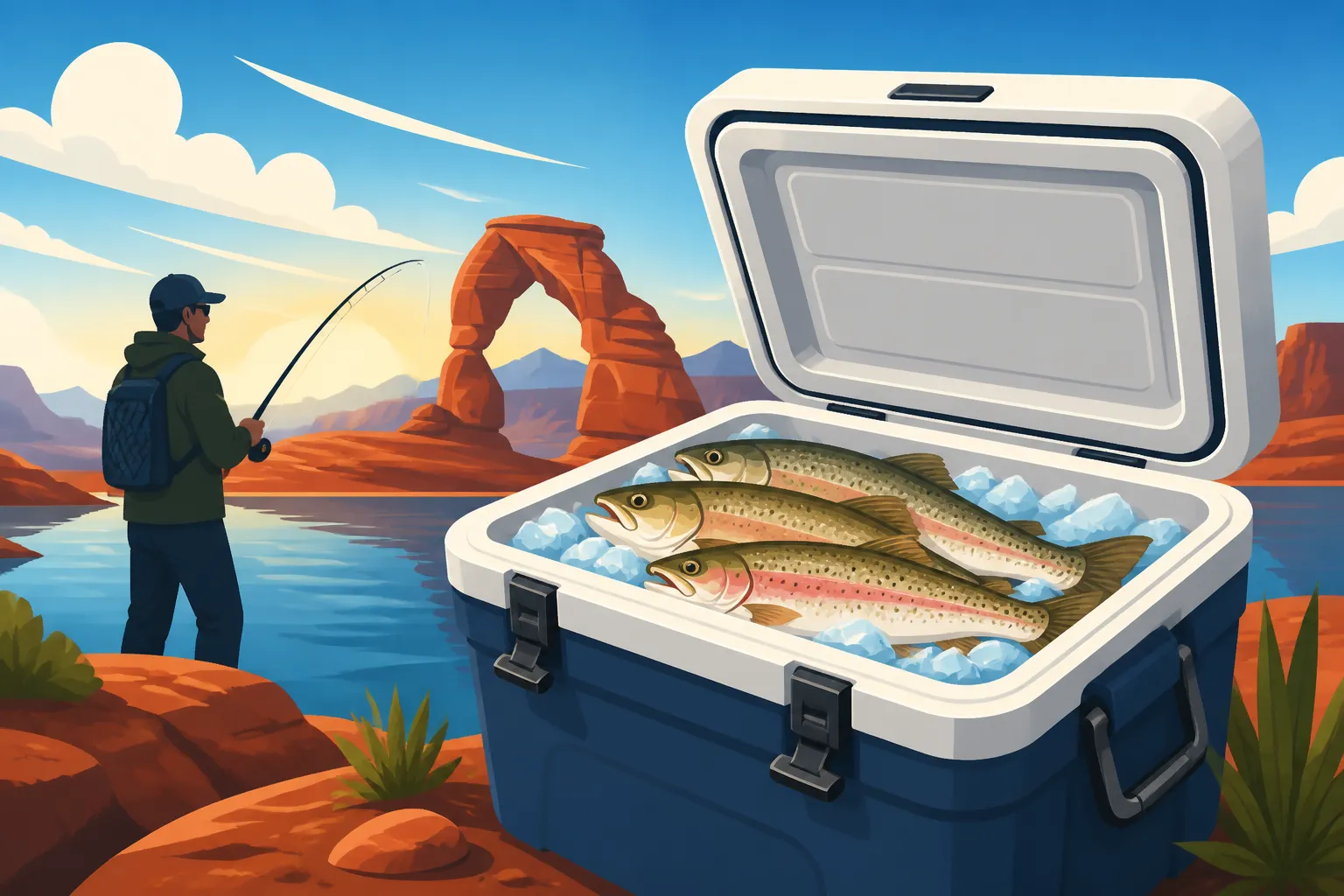
Once your fish are caught and, ideally, field dressed, they need to get into the cooler and onto the ice immediately. The goal is to maximize contact with ice while minimizing exposure to air. Lay your fish directly on a bed of ice, ensuring they are surrounded by it. If you have a particularly good day and catch a limit, layer fish with generous amounts of ice between each layer. Don't just dump ice on top; make sure it's also underneath and around the sides.
Some anglers prefer to put their fish in a large plastic bag (like a garbage bag liner) inside the cooler before adding ice. This keeps the fish from getting waterlogged in the meltwater, though it can slightly reduce direct ice contact. The crucial thing is that the fish are in an ice slurry – a mix of ice and super-cold water. This is actually more efficient at drawing heat away from the fish than ice alone. Regularly check the temperature with a probe thermometer if you're really serious about food safety, aiming for anything below 40°F. If you need to vent the cooler for any reason, do it quickly. Don't open the lid more than necessary; every time you do, warm air rushes in, speeding up ice melt.
Field Dressing and Cleaning Considerations
Field dressing fish, which involves bleeding and gutting them soon after they are caught, significantly improves their quality and shelf life. For many species, especially trout and salmon, cutting the gills and allowing the fish to bleed out while still alive (or just after) removes blood that can taint the flesh and give it a "fishy" taste. After bleeding, carefully remove the entrails. This step is particularly important in warmer weather or for fish you plan to keep for more than a day, as the gut cavity is a prime area for bacterial growth.
Once field dressed, rinse the fish quickly with clean water (if available) to remove any remaining blood or gut matter, then immediately get it into your well-iced cooler. The cold will halt enzymatic action and bacterial growth. If you're at a fishing spot with a dedicated fish cleaning station, like some of Utah's state parks, you can do a more thorough job. Best Fishing Spots With a Fish Cleaning Station in Utah is a great resource if you prefer to clean your fish on-site. The faster you get the fish cold and clean, the better the final product will be, both in terms of taste and food safety.
Cooler Brands and Where to Find Them
In the bustling world of outdoor gear, several cooler brands have risen to prominence, each offering a unique blend of features, durability, and price points. While the core function remains the same – keeping things cold – the execution and target audience can vary significantly. Understanding who the major players are and where you can find their products will help you navigate the market and make an informed purchase decision for your Utah fishing adventures.
Popular Cooler Brands Trusted by Anglers
When you walk into an outdoor outfitter or browse online, you'll encounter a few names that consistently pop up in conversations about high-performance coolers. YETI is arguably the brand that popularized the rotomolded cooler and set the standard for extreme ice retention and rugged durability. Their Tundra series is a staple on many fishing boats and tailgates, known for its robust construction, thick insulation, and bear-proof certification. While a premium investment, many anglers swear by their performance and longevity, especially for extended trips to remote locations.
Another major player is RTIC, which gained popularity by offering comparable rotomolded performance to YETI but often at a more accessible price point. Their coolers feature similar heavy-duty construction and impressive ice retention, making them a strong contender for anglers seeking high value without compromising on quality. Brands like Grizzly, Pelican, and Orca also produce excellent rotomolded coolers, each with their own loyal following and specific design nuances. For soft-sided options, brands like Hydro Flask and Engel offer fantastic performance for day trips or when portability is key.
Shopping for Your Ideal Cooler
Finding the perfect cooler doesn't have to be a scavenger hunt. Major outdoor retailers are your best bet for hands-on experience and expert advice. Stores like Bass Pro Shops typically have a wide selection of hard and soft coolers from various reputable brands. This allows you to physically inspect the latches, hinges, insulation thickness, and overall build quality. You can also get a feel for the weight and size, which is crucial for determining if a cooler will fit your specific needs and transport method. Their knowledgeable staff can often provide insights into which coolers perform best in local Utah conditions, or discuss considerations like What Gear Does a First-Time Utah Angler Need?.
For convenience and often a broader selection, online retailers like Amazon are invaluable resources. You can read countless customer reviews, compare specifications side-by-side, and often find competitive pricing or special deals. While you lose the ability to physically inspect the cooler, detailed product descriptions and user photos can help bridge that gap. Just remember to factor in shipping times if you have an upcoming trip. Whether you prefer the tactile experience of a brick-and-mortar store or the vastness of online shopping, take your time to research and choose a cooler that aligns with your fishing style and budget.
Maintaining Your Cooler for Longevity
Investing in a high-quality fishing cooler is a smart move for any Utah angler. These coolers are built to last, but like any piece of essential gear, they require a little love and regular maintenance to ensure they continue performing at their peak for years to come. Neglecting basic care can lead to lingering odors, compromised insulation, or even damage that shortens its lifespan and diminishes its effectiveness.
Regular Cleaning and Odor Control
The biggest enemy of a fishing cooler is lingering fish smell and bacterial growth. After every fishing trip, as soon as you've unloaded your catch, give your cooler a thorough cleaning. Start by emptying all ice and debris. Then, use warm water and a mild soap or a specialized cooler cleaning solution to scrub down the interior. Pay special attention to corners, drain plugs, and any grooves where grime can hide. A soft brush or sponge usually works best. For tough stains or stubborn odors, a mixture of baking soda and water can be very effective, or even a dilute solution of bleach (1 tablespoon per gallon of water) for a deep sanitize. Rinse thoroughly with clean water.
Don't forget to clean the exterior of the cooler, especially if it's been exposed to mud, fish slime, or bait residue. Wipe down the lid gasket to ensure it stays free of debris, which is crucial for maintaining an airtight seal and optimal ice retention. A clean gasket not only helps prevent leaks but also prolongs the life of the seal itself. Ensuring your cooler is spotless after each adventure will prevent those unpleasant odors from building up and keep it fresh for your next outing.
Storage Tips Between Fishing Trips
Once your cooler is sparkling clean, how you store it between trips is just as important. The absolute golden rule is to always store your cooler with the lid open, or at least propped slightly ajar. This allows for air circulation and prevents moisture from getting trapped inside, which is the primary cause of mildew, mold, and stale odors. Closing a damp cooler, even if it looks clean, creates a perfect breeding ground for undesirable smells and microorganisms.
Store your cooler in a cool, dry place, away from direct sunlight, especially if it's stored outdoors. Prolonged exposure to UV rays can degrade the plastic or fabric over time, weakening its structural integrity and insulation properties. If you live in an area with harsh winters, consider bringing your cooler into a garage or shed to protect it from extreme cold, which can make plastics brittle. For specific advice on general gear care, How to Store Fishing Gear Over a Utah Winter offers excellent insights that can apply to your cooler as well. Following these simple storage practices will ensure your cooler remains in top condition and ready to keep your next Utah catch perfectly fresh.
Cooler Comparison Table
To help you visualize the different types of coolers and their main attributes, here's a quick comparison:
| Feature | Rotomolded Hard Cooler | Soft-Sided Cooler | Insulated Fish Bag |
|---|---|---|---|
| Ice Retention | Excellent (3-10+ days) | Good (1-2 days) | Good (1-2 days) |
| Durability | Extremely High | Moderate to High | Moderate to High |
| Portability | Low (Heavy, bulky) | High (Lightweight, collapsible) | Very High (Flexible, foldable) |
| Capacity | Wide Range (20L to 150L+) | Small to Medium (10L to 40L) | Medium to Large (1-2 large fish to multiple large fish) |
| Price Point | Highest | Mid-Range | Mid-Range |
| Best Use Case | Multi-day trips, large hauls, extreme conditions | Day trips, supplemental, easy transport | Large/long fish, space-saving on boats |
| Common Brands | YETI, RTIC, Pelican, Grizzly | Hydro Flask, Engel, YETI (Hopper) | Reliable Fishing Products, Calcutta, Engel |
This table provides a quick overview, but remember that specific models within each category can vary significantly in their performance and features. Always consult product descriptions and reviews to find the best fit for your personal fishing style and the unique challenges of Utah's waterways.
Disclaimer
This article is for general informational purposes only and does not constitute professional advice. Laws, prices and regulations vary by location and change over time. Consult a qualified professional for guidance on your specific situation.