What Makes Bear Lake Cutthroat Trout Different From Other Cutthroat
You've probably heard the buzz about Bear Lake's cutthroat trout. Maybe you've even caught one and wondered, "Is this just another cutthroat, or is there something truly special about this fish?" It's a perfectly valid question, because while many Western waters boast various subspecies of cutthroat, the ones calling Bear Lake home are genuinely distinct. This guide is here to unravel the unique characteristics that set the Bear Lake Cutthroat Trout apart, helping you understand their history, biology, and why they're such a cherished treasure.
The Unique World of Bear Lake: A Breeding Ground for Distinction
Bear Lake isn't just any large body of water; it's an ancient, deep, and ecologically unique basin straddling the Utah-Idaho border. This very distinct environment has played a pivotal role in shaping the evolution of the cutthroat trout that live within it, making them quite different from their cousins found in other parts of Utah and the intermountain West. It's a fascinating story of adaptation and isolation that explains much of what makes these fish so special.
Geological Isolation and Ancient Origins
To truly appreciate the Bear Lake Cutthroat, you have to look back at the lake's history. Bear Lake itself is what scientists call a "graben lake," formed by faulting and subsidence, and it's been isolated for millions of years. This geological isolation meant that the fish populations within it, including the ancestral cutthroat, evolved without much gene flow from other river systems. Imagine a natural laboratory, perfectly self-contained, where genetic traits could diverge and specialize over vast stretches of time. This prolonged period of isolation is the primary driver behind the unique characteristics of not only the cutthroat but other endemic species found exclusively in Bear Lake. If you're looking to dive deeper into the local fish species or Utah's unique ecosystems, you can find some fantastic guides on Amazon that offer even more scientific detail.
This historical isolation distinguishes them significantly from many other cutthroat populations, like the Bonneville Cutthroat, which historically inhabited vast river networks connected to the Bonneville Basin. While many cutthroat subspecies migrated and interbred across connected waterways, the ancestors of the Bear Lake Cutthroat were cut off, developing their own distinct genetic blueprint. It's this deep lineage and lack of outside influence that makes them a true product of their environment. You can learn more about their specific traits in our Bear Lake Cutthroat Trout Facts article.
Water Chemistry and Supporting Ecosystem
Beyond its geological past, Bear Lake's unique water chemistry has also influenced its cutthroat. The lake is naturally highly alkaline, meaning it has a high pH, and is rich in minerals like calcium carbonate. This creates a specific aquatic environment that not all fish species can thrive in, but the native species, including the cutthroat, have adapted remarkably well. This alkaline water, combined with its depth and cold temperatures, forms a stable habitat that has allowed specific prey species to flourish, which in turn influences the cutthroat's diet and growth.
Perhaps the most significant element of Bear Lake's ecosystem, particularly for its cutthroat, is the presence of the Bonneville Cisco. This small, silvery fish is found nowhere else in the world and forms the primary food source for the larger predatory fish in Bear Lake, including the trophy-sized cutthroat. The abundance of What the Bonneville Cisco Is provides an incredibly rich and consistent food supply, allowing the cutthroat to grow faster and larger than many of their river-dwelling relatives. This unique predator-prey relationship is a cornerstone of the Bear Lake ecosystem and a major factor in the cutthroat's distinctiveness. You can find excellent fishing maps of the lake, helpful for locating these cisco, on Amazon.
Spotting the Difference: Physical Traits of a Bear Lake Cutthroat
When you hold a Bear Lake Cutthroat in your hands, you might initially just see "a cutthroat." But upon closer inspection, and especially when compared to other cutthroat subspecies, certain physical traits become apparent. These aren't just subtle nuances; they're often adaptations to their deep, cold, and prey-rich environment.
Coloration and Signature Markings
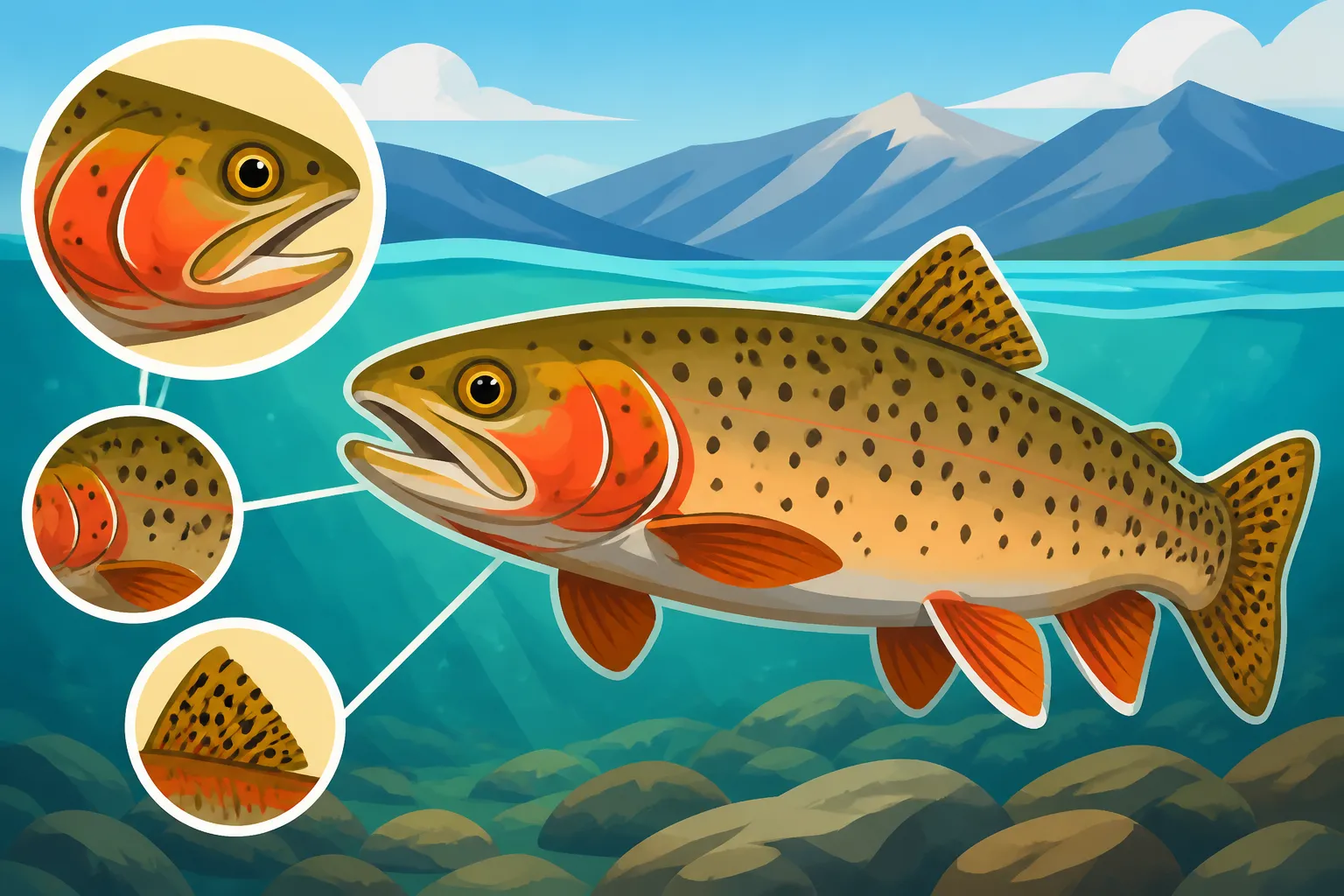
One of the most immediate differences you might notice with a Bear Lake Cutthroat is often its coloration. While all cutthroat trout get their name from the distinctive red or orange slash marks under their lower jaw, the Bear Lake variety can sometimes appear more silvery or even paler than some of their more vibrant, stream-dwelling relatives. Their spots, which are usually present across their body, might be less numerous or more subdued, though this can vary greatly from fish to fish and even depend on the time of year or depth they are caught from. It's not uncommon to see a beautiful, iridescent sheen on their scales, reflecting the clear, deep waters of the lake. Getting a good pair of polarized sunglasses, easily found on Amazon, can make a huge difference in spotting these subtle differences in coloration and markings beneath the water's surface.
In contrast, a river-dwelling Bonneville Cutthroat Trout Identification might display a more olive or brassy hue, with more pronounced and widely distributed spots, offering better camouflage against rocky stream beds. The subtlety of the Bear Lake Cutthroat's markings is a direct reflection of its open-water, pelagic existence where blending with the lake's vast blue expanse is more advantageous than intricate camouflage for hiding among rocks and reeds. Understanding these slight variations can greatly enhance your ability to identify different trout species, a skill covered in our How to Identify Utah Trout Species guide.
Body Shape and Size
Perhaps the most striking physical difference in Bear Lake Cutthroat is their generally robust body shape and impressive size potential. Thanks to the abundant food source provided by the Bonneville Cisco, these fish often exhibit a deeper body and a thicker caudal peduncle (the muscular base of the tail) compared to cutthroat from nutrient-scarce stream environments. They are built for power and speed in open water, rather than the agile maneuvering required in fast currents. It's truly a sight to behold a strong, mature Bear Lake Cutthroat making a run after being hooked.
The average size of a mature Bear Lake Cutthroat can also be significantly larger than many other cutthroat populations. While stream cutthroat might reach 12-18 inches, it's not uncommon for anglers at Bear Lake to catch fish well into the 20-inch range, with true trophy specimens pushing 30 inches or more. These larger fish are not just old; they've benefited from a high-protein diet that allows for exceptional growth rates. This size advantage is a key distinguishing feature and makes them a highly sought-after sportfish, as detailed in our Utah Trout Species Guide.
| Feature | Bear Lake Cutthroat Trout | General River/Stream Cutthroat Trout |
|---|---|---|
| Primary Habitat | Deep, cold, alkaline Bear Lake; migrates to tributaries | Rivers, streams, smaller lakes and reservoirs |
| Typical Size | Often larger, 18-30+ inches; robust body | Generally smaller, 10-20 inches; more streamlined |
| Coloration | Often silvery, paler; iridescent sheen; subtle spots | More varied (olive, brassy); more distinct, numerous spots |
| Diet | Heavily reliant on Bonneville Cisco, also insects, smaller fish | Primarily insects, crustaceans, small fish, zooplankton |
| Spawning Behavior | Large, specific tributary runs (e.g., St. Charles River) | Various river/stream gravel beds |
| Growth Rate | Potentially faster due to abundant large prey | Variable, generally slower due to less rich diet |
Life Cycle and Behavior: More Than Just a Pretty Fish
It's not just their looks that set them apart; the way Bear Lake Cutthroat live their lives, from spawning to feeding, also showcases their distinctiveness. These behavioral adaptations are closely tied to the unique environment of Bear Lake and its endemic species.
Unique Spawning Migration
Most cutthroat trout species are known for their spawning migrations into smaller tributary streams, and the Bear Lake Cutthroat are no exception. However, the scale and significance of these runs, particularly into the St. Charles River, are quite remarkable. These fish will travel from the main lake into these rivers to lay their eggs, a critical event that ensures the continuation of the species. What makes these migrations stand out is the sheer size and number of the fish involved, a testament to the lake's ability to produce robust populations. You can find detailed information about fishing spots and regulations for these unique events in our Bear Lake Fishing Guide and Utah Fishing Regulations Explained.
The timing and success of these spawning runs are incredibly important, and they are carefully monitored by wildlife agencies. Unlike some other cutthroat populations that might have more dispersed or less predictable spawning patterns, the Bear Lake Cutthroat's concentrated runs into specific tributaries are a defining aspect of their life cycle. These are critical times for their population, and specific Utah Catch-and-Release Waters or regulations might be in place during these periods to protect the spawning fish. Many anglers plan their trips around these seasonal events, using specialized gear they might purchase from Amazon.
Dietary Preferences and Prey Availability
As mentioned earlier, the Bonneville Cisco is the linchpin of the Bear Lake Cutthroat's diet. While smaller cutthroat will feed on insects and zooplankton, as they grow larger, the cisco becomes their primary food source. This specialization in diet provides a high-calorie, protein-rich intake that fuels their impressive growth. This is a stark contrast to many other cutthroat populations that might feed predominantly on aquatic insects, terrestrial insects, or smaller forage fish when available. The sheer abundance of cisco allows the cutthroat to focus their predatory efforts, becoming highly efficient hunters of this particular prey.
The cisco themselves undertake unique daily migrations within the lake, rising into shallower waters at night and retreating to deeper, colder waters during the day. The cutthroat have adapted their hunting strategies to coincide with these movements, often feeding actively during dawn, dusk, and even at night. This specialization in both prey and hunting behavior further solidifies what makes the Bear Lake Cutthroat truly different from other cutthroat. Anglers often try to "match the hatch" with their lures, mimicking the appearance of these silvery baitfish.
Preserving a Legacy: Conservation and Management
The uniqueness of the Bear Lake Cutthroat Trout makes its conservation and careful management paramount. These fish face specific challenges, and ongoing efforts are crucial to ensure their populations remain healthy for future generations of anglers and nature enthusiasts.
Challenges and Historical Impacts
Like many native fish populations, the Bear Lake Cutthroat has faced its share of challenges. Historically, overfishing, habitat degradation in spawning tributaries, and the introduction of non-native fish species (which competed for food or hybridized with the native cutthroat) led to significant declines in their numbers. It's a common story in the West, where human development and management decisions had unintended consequences for native species. For many years, the pure Bear Lake Cutthroat was thought to be nearly extirpated, surviving only in small pockets or through careful management. The lessons learned from these historical impacts are vital for present-day conservation efforts.
Anglers and conservationists alike understand the fragility of these unique populations. The struggle to maintain genetic purity and healthy numbers is ongoing. Understanding the Fish Species Found Only in Bear Lake helps emphasize why dedicated management for these particular species is so important, as their loss would mean the extinction of a truly unique lineage.
Modern Efforts and Angler's Role
Today, extensive conservation efforts are in place to protect and enhance Bear Lake Cutthroat populations. These efforts include careful regulation of fishing limits, habitat restoration projects in spawning tributaries, and ongoing research into their genetics and population dynamics. Stocking programs, utilizing genetically pure Bear Lake Cutthroat, are also key to supplementing wild populations and ensuring their resilience. The goal is to balance recreational fishing opportunities with the long-term health and genetic integrity of the species.
As anglers, our role in these conservation efforts is critical. Adhering to Utah Fishing Regulations Explained, practicing responsible catch-and-release techniques when appropriate, and being mindful of our impact on spawning grounds are all ways we contribute. Supporting organizations and agencies involved in these efforts also makes a huge difference. By understanding what makes the Bear Lake Cutthroat unique, we gain a deeper appreciation for their value and our responsibility to protect them. For up-to-date gear and resources for responsible fishing, many anglers turn to retailers like Amazon.
Disclaimer
This article is for general informational purposes only and does not constitute professional advice. Laws, prices and regulations vary by location and change over time. Consult a qualified professional for guidance on your specific situation.