Best Ice Fishing Shelter for Utah Wind
If you've spent any time ice fishing out on one of Utah's beautiful, vast reservoirs like Strawberry or Flaming Gorge, you know the feeling. One minute, it's a calm, crisp winter morning, and the next, a relentless, biting wind sweeps across the ice, turning your peaceful fishing spot into a miserable battle against the elements. It’s enough to make even the most dedicated angler pack up early. This guide is here to help you conquer those notorious Utah winds by choosing the perfect ice fishing shelter, ensuring your time on the hard water is comfortable, productive, and downright enjoyable, no matter what Mother Nature throws at you.
The Unique Challenges of Utah's Winter Winds on the Ice
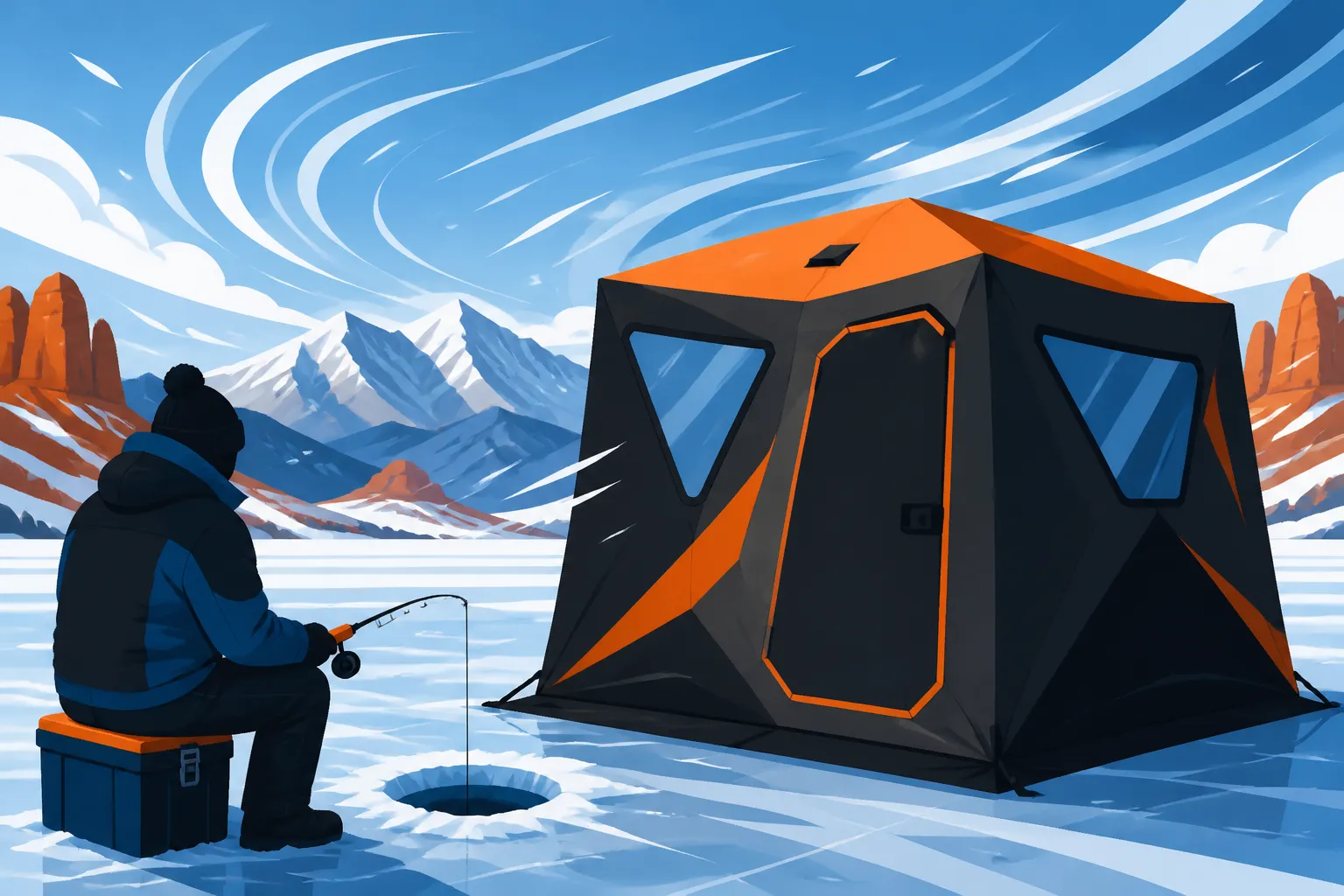
Utah’s diverse landscape, from wide-open high-desert plateaus to towering mountain ranges, creates some pretty formidable wind conditions, especially when you're out on a frozen lake. It’s not just a gentle breeze; it can be a relentless, bone-chilling force that makes enjoying a day of ice fishing nearly impossible without the right protection.
Why Utah's Wind is More Than Just a Breeze
Think about it: many of our prime ice fishing spots, like Bear Lake, Utah Lake, or Scofield Reservoir, are sprawling bodies of water with wide-open surfaces. There are few natural windbreaks once you’re out on the ice, allowing the wind to build up significant speed and force. Add to that the effect of our mountain ranges, which can channel wind or create sudden, unpredictable gusts that come out of nowhere. One moment you're drilling a hole, the next your hat is halfway across the lake. This isn't just an annoyance; it dramatically increases the windchill, making even mild temperatures feel absolutely frigid. When that wind picks up, your comfort levels plummet fast, and your focus shifts from catching fish to simply trying to stay warm. It's a real challenge, and it's why a robust shelter isn't a luxury here; it's practically a necessity.
The Downsides of an Unprotected Fishing Day
Trying to fish without adequate shelter on a windy Utah day is often a recipe for frustration. Your hands, no matter how good your gloves are, quickly become numb and clumsy, making simple tasks like baiting a hook or tying a knot feel like impossible feats. Lightweight gear, like your bucket or even your fishing rod if you set it down for a second, can be easily picked up and sent skittering across the ice. If you’re using tip-ups, a strong gust can knock them over, sending your line spiraling and potentially missing a bite. Beyond the inconvenience, there's a serious safety aspect. Prolonged exposure to high winds and cold can lead to an increased risk of hypothermia, even on days when the thermometer doesn't seem that low. It's truly difficult to focus on the fish when you're constantly battling the elements, wiping tears from wind-chapped eyes, and just trying to stay upright. Having a solid shelter means you can extend your time on the ice and actually enjoy the experience.
Understanding Ice Shelter Types for Wind Resistance
When it comes to picking an ice shelter, you essentially have a couple of main styles that offer different levels of wind resistance and convenience. Both have their strong suits and their drawbacks, especially when faced with those infamous Utah winds.
Pop-Up Hub Shelters: Stability vs. Setup Time
Pop-up hub shelters are incredibly popular, and for good reason. They're essentially tents designed for the ice, with flexible poles that "pop out" to create a spacious interior. They fold down into a relatively compact bag, making them easy to transport in your sled or on the back of your ATV. Once set up, they often offer a lot of elbow room, which is fantastic when you're fishing with a buddy or bringing the whole family. They also typically boast higher ceilings, which makes standing up and stretching much more comfortable, especially for us taller folks.
However, the setup process is where the wind can really play tricks on you. Imagine trying to extend those hubs in a 20-mph gust – it can feel like wrestling a giant kite! If you're alone, it can be a significant struggle, often requiring you to brace the shelter with your body while you try to get the first few anchors in. Without proper anchoring, a pop-up can become a giant sail, easily sliding across the ice or even taking flight if the wind gets under it. The key to making these shelters wind-resistant is their anchoring system and how diligent you are about using it. Once properly secured with plenty of screw-in ice anchors, they can be remarkably stable and comfortable, offering a warm haven from the biting wind. Brands like Eskimo and Clam offer a range of sizes and features for these types of shelters.
Flip-Over Shelters: Quick Deployment and Portability
Flip-over shelters are the workhorses of many serious ice anglers, and they are fantastic when quick setup in windy conditions is a priority. These shelters are built right onto a sled base, which means you store all your gear inside the sled, drag it out to your spot, and then simply "flip over" the canvas tent section. Voila! Instant shelter. The beauty of the flip-over is its low profile when deployed and its integrated structure. The frame is rigid, and the tent fabric is designed to stretch taut, minimizing flapping and wind penetration. Because they’re attached to a heavy sled, they naturally have a lower center of gravity and more resistance to being blown away, though anchoring is still essential.
The speed of deployment is truly unmatched, making them ideal for run-and-gun fishing where you move from hole to hole, or when a sudden squall hits. They shine when you're out by yourself or with just one other person. The main drawback is that they can be heavier and bulkier to transport than a compact pop-up, especially if you're pulling a larger two-person model by hand over rough ice. They also generally offer less standing room, as the ceiling height is often limited by the flip-over design. If you're looking for extreme portability and battle-ready wind resistance, a flip-over from brands like Otter or Shappell is a serious contender. For tips on navigating Utah's ice safely, check out How to Auger Through Utah Ice Safely.
Permanent Non-Portable Shelters: The Ultimate Wind Defense (with caveats)
While not practical for every angler or every lake, it's worth mentioning permanent, or stationary, ice shelters. These are essentially small shacks, often built on skis or a rigid frame, that are towed out onto the ice and left in place for the season (where regulations allow, of course). They can be anything from a simple plywood box to a fully insulated, heated mini-cabin complete with bunks and cooking facilities.
For sheer wind defense and comfort, nothing beats a well-built permanent shelter. Their heavy construction, rigid walls, and ability to be securely anchored (sometimes even frozen into the ice) make them virtually impervious to even the fiercest Utah winds. You can have a stove, plenty of space, and all the creature comforts of home, making long days and even overnight trips incredibly pleasant. However, the caveats are significant. These are not "portable" in the usual sense and require heavy-duty equipment to move. They're typically only an option on specific lakes that permit their use and often involve strict rules about removal dates to prevent them from becoming hazards when the ice breaks up. For the vast majority of Utah anglers seeking flexible, accessible fishing, a portable pop-up or flip-over is the practical choice.
| Feature | Pop-Up Hub Shelter | Flip-Over Shelter |
|---|---|---|
| Wind Resistance | Good, if properly anchored; can be a "sail" during setup. | Excellent, low profile, quick setup, inherent sled weight. |
| Setup Speed | Can be challenging and slow in high wind. | Very fast, often under 1 minute. |
| Portability | Compact when folded, lighter to carry. | Integrated sled, heavier to pull, bulkier. |
| Space | Very spacious, often tall ceilings, room for multiple anglers. | Less interior room, lower ceilings, usually 1-2 anglers. |
| Insulation | Available in insulated versions, good heat retention. | Commonly insulated, excellent heat retention due to smaller volume. |
| Anchoring | Absolutely critical for stability in wind. | Sled provides initial stability, still needs anchors. |
| Cost | Generally more budget-friendly for similar space. | Often a higher upfront cost, especially insulated models. |
Key Features to Look for in a Wind-Resistant Shelter
When you're sifting through all the options, trying to find the perfect ice fishing shelter that can stand up to Utah's blustery conditions, there are a few non-negotiable features you absolutely need to prioritize. These elements make all the difference between a shelter that collapses in a gust and one that provides a warm, steady refuge.
Anchor Systems and Skirt Design
This is, arguably, the most critical aspect for wind resistance. A shelter is only as good as its anchors. Look for shelters that come with sturdy, long screw-in ice anchors, not just flimsy stakes. Screw-in anchors bite firmly into the ice, providing superior holding power. Many shelters will come with several anchor points on the fabric, but more is always better for windy days. Some anglers even add extra grommets or loops to their shelters to allow for more tie-down points.
Beyond the anchors themselves, pay close attention to the shelter's skirt. This is the extra fabric that extends from the bottom edge of the shelter to the ice. A longer, wider skirt is a huge advantage. Why? Because you can pack snow on top of it, creating a seal that prevents wind from blowing under the shelter and keeps warm air from escaping. This simple act drastically increases the shelter's stability and warmth. A robust skirt also helps keep out blowing snow, which can quickly turn the inside of your shelter into a mess. When shopping at places like Bass Pro Shops or browsing options on Amazon, closely examine the anchor type and the skirt design in the product descriptions and images. Remember, a good anchor system is your first line of defense against the wind. How to Check Ice Thickness Safely Before Ice Fishing is also crucial for safe anchoring.
Fabric Durability and Frame Strength
The materials used in your shelter are paramount to its longevity and ability to withstand punishment from both the weather and regular use.
- Fabric Denier Rating: This is a measure of the fabric's thickness and durability. A higher denier number (e.g., 600D, 900D, or even 1200D) indicates a thicker, more tear-resistant fabric. In windy conditions, thinner fabrics can flap violently, increasing wear and tear and making them more prone to rips. While a super high denier might add a little weight, it's a worthwhile trade-off for durability and peace of mind in high winds.
- Frame Materials: For pop-up shelters, the poles are typically fiberglass or aluminum. Fiberglass is common, flexible, and relatively lightweight. Aluminum poles are often found in higher-end models; they are typically lighter and stronger than fiberglass but can be more expensive. For flip-over shelters, the frame system is usually aluminum or heavy-gauge steel tubing. Look for robust, thick-walled tubing that won't easily bend or crimp. Strong hub connectors on pop-ups are also crucial, as these are stress points when the wind is buffeting the shelter. A weak frame or flimsy fabric will quickly succumb to Utah's fierce winds, leaving you exposed and unhappy.
Insulation and Heat Retention
While insulation doesn't directly contribute to wind resistance in terms of keeping the shelter upright, it massively contributes to your comfort and the shelter's overall effectiveness in windy, cold conditions. A well-insulated shelter acts like a thermos, trapping the heat generated by your body or a portable heater.
Many modern ice shelters, especially flip-over models and higher-end pop-ups, come with quilted, thermal insulation sewn into the fabric walls and roof. This multi-layer construction creates air pockets that significantly reduce heat loss. Compare this to a single-layer fabric shelter where cold air can radiate through the material much more easily. On a blustery day, even if the wind isn't penetrating the shelter, a poorly insulated one will feel much colder due to conductive heat loss. Dark-colored interior fabrics can also provide a small amount of passive solar gain on sunny days, helping to warm the interior. When the wind is howling outside, having a properly insulated shelter means your Best Portable Heaters Safe to Use Inside an Ice Shelter can work more efficiently, keeping you toasty and allowing you to focus on the fishing, not the shivering. It means less propane consumed and a much more comfortable experience.
Tips for Maximizing Your Shelter's Wind Resistance in Utah
Even the best wind-resistant shelter can fail if not used correctly. A few smart strategies and the right accessories can make all the difference in turning a potentially miserable day into a successful one on Utah's frozen lakes.
Strategic Setup and Anchoring Techniques
How and where you set up your shelter plays a massive role in its ability to withstand the wind.
- Face the Wind: Position the narrowest side of your pop-up shelter directly into the prevailing wind. This reduces the surface area exposed to the wind's full force, making it less likely to be buffeted or catch air. For flip-overs, which are inherently low-profile, this might be less critical, but still a good practice.
- Use the Snow: Once your shelter is deployed and initially secured, shovel snow and pack it firmly around the entire perimeter of the skirt. This creates a solid seal, preventing drafts from blowing under the shelter and adding significant weight and stability. It's like adding a natural sandbag all the way around your shelter.
- Multi-Point Anchoring: Don't just use the minimum number of anchors. On truly windy days, use every available anchor point on your shelter. If your shelter has extra loops, use them! Consider carrying extra screw-in ice anchors for truly challenging conditions. For pop-ups, anchoring all four corners and at least one point on each side is a good start. The more points of contact with the ice, the more distributed the stress and the less likely a single anchor point will fail.
- Pre-Drill Anchor Holes: If the ice is exceptionally hard, pre-drilling a pilot hole with a smaller auger bit can make screwing in your ice anchors much easier and faster, especially when your fingers are cold or the wind is trying to rip the shelter from your hands.
Essential Accessories for Windy Days
A good shelter is the foundation, but a few key accessories can seal the deal for ultimate wind protection and comfort.
- Heavy-Duty Straps: Some shelters come with flimsy tie-downs. Invest in a set of heavy-duty, adjustable cam-buckle straps. These can provide additional security, especially when draped over the top of a pop-up shelter and anchored on opposite sides, preventing the roof from "lifting" in extreme gusts.
- Extra Ice Anchors: As mentioned, having more screw-in anchors than your shelter came with is always a smart move. They're relatively inexpensive and can be a lifesaver when the wind picks up unexpectedly.
- Heater: A reliable portable heater is non-negotiable. Even the best-insulated shelter will eventually get cold without a heat source. A heater allows you to shed layers, dry out damp gear, and keep your hands nimble for fishing. Ensure proper ventilation, of course! You can read more about How to Stay Warm Ice Fishing in Utah.
- Buddy System: When setting up a pop-up shelter in high winds, having a friend makes the process exponentially easier and safer. One person can hold the shelter down while the other deploys the hubs and secures the initial anchors. This isn't an accessory, but it's a critical tip!
Practical Brand Considerations and Where to Buy
Many reputable brands offer excellent ice shelters designed to withstand harsh winter conditions. Companies like Clam, Eskimo, Otter, and Shappell are leaders in the industry and have a long track record of producing durable, angler-friendly gear. Each brand might have specific features or design philosophies that appeal to different anglers.
When looking at brands, consider their reputation for customer service and parts availability. No matter how good a shelter is, things can break or get lost. Being able to easily get replacement poles or fabric sections is a huge plus.
You'll find a vast selection of ice shelters at outdoor retailers. Big box stores like Bass Pro Shops are excellent for seeing many models in person, allowing you to get a feel for their size, weight, and setup process. Online retailers like Amazon also offer an incredible array of options, often with competitive pricing and detailed customer reviews that can give you real-world insights into how shelters perform in various conditions. Just be sure to check the specific details about denier ratings, anchoring systems, and insulation when comparing models online. Always check the manufacturer's website for the most current specifications and to compare different models they offer. By choosing wisely and employing smart setup techniques, you’ll be well on your way to a comfortable and successful ice fishing season in Utah, regardless of the wind.
Disclaimer
This article is for general informational purposes only and does not constitute professional advice. Laws, prices and regulations vary by location and change over time. Consult a qualified professional for guidance on your specific situation.