Do You Need Studded Boots for Utah River Wading?
One of the most common frustrations for any angler venturing into Utah's beautiful rivers is the unpredictable and often treacherous footing. Whether you're carefully navigating the slick, moss-covered rocks of a popular tailwater or trying to maintain balance on loose gravel in a freestone stream, a fall can quickly ruin an otherwise perfect day on the water. This guide will dive deep into the world of wading boots, helping you decide if studded soles are the key to unlocking a safer, more confident, and ultimately more enjoyable fishing experience in the Beehive State.
The Treacherous Terrain of Utah's Wading Rivers
Wading in Utah's rivers and streams isn't always a stroll through a manicured park. Anglers often face a gauntlet of slippery surfaces, shifting sediments, and uneven ground that can test even the most experienced footwork. Understanding these challenges is the first step in choosing the right gear to keep you upright and focused on the fish.
The Slippery Menace of Algae and Smooth Rocks
Imagine stepping into the crisp waters of the Provo River, excited for a day of fly fishing. You take your first confident stride, only for your foot to slip out from under you on a rock covered in a thin, almost invisible film of algae. This isn't an uncommon scenario. Many of Utah's premier fishing destinations, especially the tailwater fisheries downstream from dams, are notorious for their incredibly slick, algae-covered rocks. These aren't just rough, grippy stones; they're often polished smooth by centuries of water flow, then coated with a microscopic layer of slime that makes them feel like walking on greased ice.
This phenomenon is particularly prevalent in rivers with consistent water temperatures and nutrient loads, which create ideal conditions for algal growth. Think about the Green River below Flaming Gorge Dam, or even sections of the Weber River – these places offer fantastic fishing but demand extreme caution when wading. The smooth limestone or granite rocks, combined with this slick biological film, create a real hazard. It's enough to make even the most graceful angler feel like a newborn giraffe on ice skates, constantly bracing for a tumble instead of concentrating on their cast or reading the water for trout. This constant anxiety about falling can severely detract from the overall fishing experience, making you hesitant to access prime fishing lies that require a bit more daring wading.
Dealing with Dynamic Riverbeds: Gravel, Sand, and Silt
While slick rocks are a major concern, Utah's rivers also present a mosaic of other riverbed compositions that challenge wading boots in different ways. Many stretches, particularly in wider, slower sections or smaller freestone streams, consist of loose gravel. Walking on gravel can feel like trying to move through a pile of marbles; your foot sinks and shifts with every step, demanding constant micro-adjustments to maintain balance. This isn't necessarily "slippery" in the same way algae is, but it's inherently unstable, especially when combined with a strong current that wants to sweep your feet out from under you.
Further downstream, or in calmer back channels and eddies, you might encounter stretches of fine sand or even mucky silt. While these surfaces might not send you sprawling, they can be a real pain to wade through. Your feet can sink deep, making forward progress exhausting and creating a suction effect that tries to pull your boots off. Furthermore, stirring up silt can decrease visibility for both you and the fish, effectively "muddying" the waters of your prime fishing spot. Each type of riverbed demands a different kind of traction, and a boot that excels on one might struggle on another, leaving many anglers in a constant state of compromise. It's this dynamic range of underwater terrain that makes the choice of wading boot so critical for a comfortable and productive day on the river.
The Unmatched Grip and Not-So-Hidden Downsides of Studded Boots
When anglers talk about needing "grip" for wading, studded boots are often the first thing that comes to mind. They offer a distinct advantage in specific situations, but they also come with a set of trade-offs that are important to weigh before committing.
When Studs Become Your Best Friend: Superior Traction
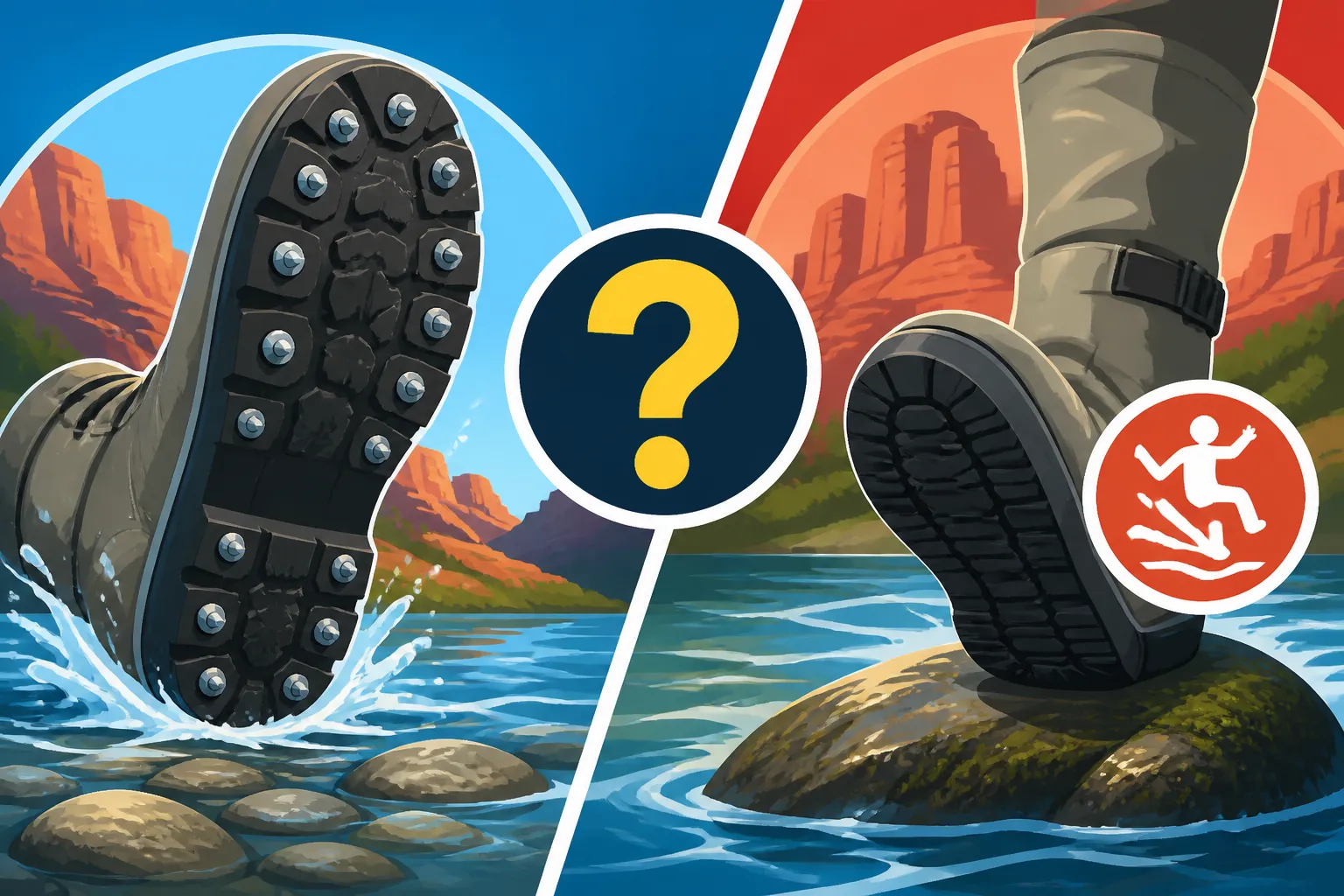
Let's be honest: when you're standing knee-deep in a Utah river, and your footing feels like it's made of butter, the idea of having miniature ice picks on your soles sounds incredibly appealing. This is where studded wading boots truly shine. Their primary purpose is to provide a mechanical bite into slick, hard surfaces like algae-covered rocks, bedrock, and even submerged wood. The small metal studs, often made of carbide or hardened steel, act like tiny anchors, digging into the slick film and giving you a purchase that traditional rubber or even felt soles simply can't match.
The difference in confidence can be transformative. Instead of gingerly shuffling your feet, constantly testing the bottom, you can often take more natural, secure steps. This increased stability not only prevents falls and potential injuries but also allows you to focus more on your fishing technique, reading the water, and presenting your fly or lure effectively. Imagine being able to confidently cross a strong current or wade out to a deeper seam without worrying about losing your balance. For anglers who frequently target challenging, rocky rivers like the middle Provo River or who want to explore difficult-to-reach pockets, the superior traction offered by studded boots can be a game-changer for safety and angling success. It's a feeling of security that can dramatically enhance your enjoyment, letting you push your wading boundaries without fear.
The Practical Realities and Potential Hassles of Studded Soles
While the grip of studded boots is undeniably appealing, they are not without their quirks and considerations. One of the most common complaints revolves around their interaction with boats. If you frequently fish from a drift boat, raft, or even a fishing kayak, those sharp metal studs can easily scratch, gouge, or even puncture expensive boat floors. Many guides and boat owners have strict "no studs" policies for this very reason. It's a genuine concern, as repairing a damaged boat floor can be a significant cost and hassle, making it a deal-breaker for many who split their time between wading and floating.
Beyond boat damage, studded soles present other practical annoyances. Walking on dry land, especially pavement or even hard-packed dirt trails, can be noisy and feel clumsy, like you're stomping around in cleats. They can also be quite destructive to vehicle carpets or bed liners if you're not careful when loading and unloading. Furthermore, the studs themselves can wear down over time, especially if you do a lot of walking on abrasive surfaces. Replacing worn studs or even the entire studded sole can add to the long-term cost of your wading footwear. Anglers often find that while the studs are great in the water, they become a liability on land, requiring them to carry a separate pair of shoes or take extra precautions to avoid damage. This duality means that studded boots are a specialized tool, best suited for specific situations rather than an all-around solution.
Exploring Wading Boot Alternatives: Felt and Advanced Rubber
Before the widespread concern about aquatic invasive species (AIS), felt-soled wading boots were the undisputed kings of river grip. However, modern environmental awareness and advancements in rubber technology have introduced compelling alternatives that every Utah angler should consider.
The Enduring Debate: Felt Soles and Utah's Waters
For decades, felt-soled wading boots were the gold standard for river traction. There's a reason for this: a high-quality felt sole, especially when wet, conforms to the irregularities of slippery rocks and provides an almost uncanny grip. Many seasoned anglers still swear by felt for its ability to stick to slick, algae-covered surfaces, offering a level of confidence that few other materials can provide. On smooth, submerged boulders that would send rubber soles skittering, felt often holds fast.
However, the reputation of felt soles took a hit due to their unfortunate role in potentially spreading aquatic invasive species (AIS) like whirling disease or New Zealand mudsnails. The porous nature of felt makes it incredibly difficult to thoroughly clean and dry, allowing microscopic organisms and larvae to hitchhike from one watershed to another. Because of this, felt soles have been banned in several states, and there's a strong ongoing discussion about their environmental impact. Here in Utah, while felt soles are currently permitted, the Utah Division of Wildlife Resources (DWR) strongly encourages anglers to Utah Aquatic Invasive Species Rules for Anglers and meticulously clean, drain, and dry all their gear, especially felt, before moving between different waters. This means a conscientious felt-wader might spend an hour scrubbing, soaking in bleach solutions, and ensuring their boots are bone-dry – a commitment not everyone is willing or able to make. If you choose felt, you're signing up for an intensive decontamination process every single time you move between fishing locations, and neglecting this responsibility could contribute to serious ecological problems.
Modern Rubber Technology: Versatility and Adaptability
In response to the AIS concerns surrounding felt and the specialized nature of studs, wading boot manufacturers have poured significant resources into developing advanced rubber sole technologies. Gone are the days of slick, generic rubber that offered little traction on anything but dry pavement. Today's high-performance rubber soles feature proprietary compounds and aggressive tread patterns designed to maximize grip in wet, riverine environments. Brands often collaborate with leading sole manufacturers like Vibram to create boots that excel in a variety of conditions.
These modern rubber soles are fantastic for versatility. They offer decent grip on wet rocks (though typically not quite the "stick" of felt or the "bite" of studs), excellent traction on dry trails, gravel, mud, and even snow. This makes them a great all-around choice for anglers who hike to their fishing spots, cross diverse terrain, or spend time both in and out of the water. They are also much easier to clean and decontaminate than felt, making them the environmentally responsible choice for most anglers concerned about AIS. Many rubber-soled boots are also designed with recessed areas or attachment points that allow for the addition of aftermarket studs. This "hybrid" approach means you can have a versatile rubber sole for most situations and then screw in studs for those specific occasions when you know you'll be tackling exceptionally slick, algae-covered terrain. You can find excellent aftermarket stud kits at outdoor retailers like Bass Pro Shops or online through Amazon, allowing you to customize your grip as needed without committing to a permanently studded boot. This adaptability allows anglers to tailor their footwear to the specific challenges of each fishing trip.
Making the Right Call for Your Utah Wading Adventures
Deciding on the perfect wading boot for Utah's diverse waters requires a thoughtful evaluation of your personal fishing habits, the types of water you frequent, and your priorities for safety, comfort, and environmental responsibility. There's no single "best" answer for everyone, but by considering a few key factors, you can make an informed choice.
Matching Your Boots to Your Fishing Style and Favorite Waters
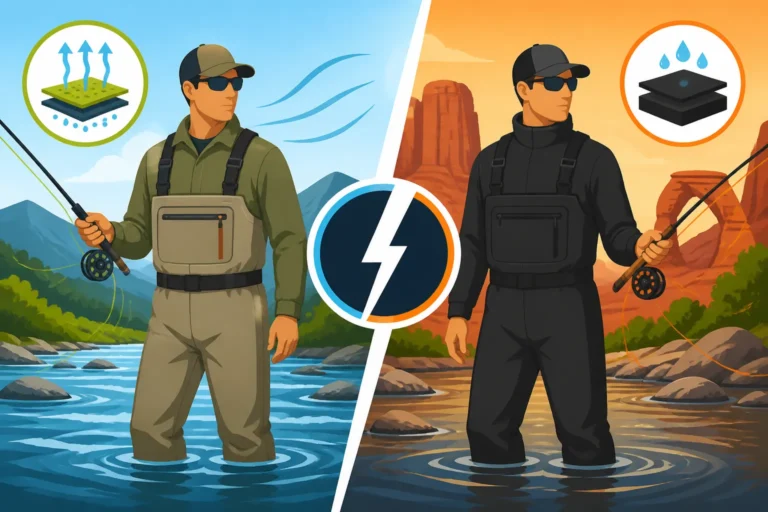
The first question to ask yourself is: where do you fish most often, and how do you fish there? If your angling adventures primarily involve the Provo River or the lower Green River, where smooth, algae-covered rocks are the norm, then the enhanced grip of studs might be a huge advantage. The confidence you gain from stable footing can allow you to wade deeper, traverse stronger currents, and access prime fish-holding lies that you might otherwise avoid. For anglers who spend 90% of their time wading these types of environments, the benefits of studs often outweigh the drawbacks.
However, if your typical outing involves a long hike to high-alpine lakes, crossing dry rocky terrain, or fishing smaller freestone streams with more gravel and varied bottom compositions, then a versatile rubber sole might be a better fit. Studs can be cumbersome and noisy on long hikes, and they don't necessarily offer superior grip on loose gravel or muddy banks compared to a well-designed rubber sole. Consider if you frequently fish from a drift boat or raft; if so, permanently studded boots might be a non-starter due to potential boat damage. Your choice should directly reflect your most common fishing scenarios, ensuring your gear is optimized for the challenges you face most often.
Considering Durability, Comfort, and Environmental Responsibility
Beyond traction, think about the practical aspects of boot ownership. How long do you expect your wading boots to last? Studs, especially if used frequently on abrasive surfaces, can wear down or even pop out. Regularly checking and replacing them adds to the maintenance. Comfort is also paramount; ill-fitting or excessively heavy boots, especially if studded, can lead to foot fatigue and blisters, making a long day on the river miserable. Try on different brands and styles of Best Wading Boots for Utah River Rocks to find a pair that fits snugly without pinching and supports your ankles, especially if you're carrying a lot of gear.
Perhaps most importantly, consider your environmental footprint. The AIS concern with felt is real, and while Utah currently allows felt, the responsibility for decontamination rests squarely on the angler. If you're not prepared for rigorous cleaning and drying protocols, it's safer and more responsible to opt for rubber soles. Even with studs, ensure you're cleaning your boots to prevent the spread of invasive species, as mud and debris can still cling to them. A conscious angler aims to leave no trace, and that includes not transporting unwanted hitchhikers between watersheds.
The Flexible Approach: Aftermarket Studs and Hybrid Soles
For many Utah anglers, the "either/or" choice between studded and non-studded boots feels too restrictive. This is where the hybrid approach truly shines. Many modern rubber-soled wading boots are designed to accept screw-in studs as an aftermarket addition. This allows you to purchase a versatile rubber-soled boot, which is excellent for hiking and provides good general traction, and then add studs only when you anticipate exceptionally slick wading conditions. You can even remove them for days when you'll be in a boat or traversing sensitive surfaces.
This flexibility offers the best of both worlds: the cleanability and multi-terrain performance of rubber, combined with the option for aggressive traction when needed. You can buy bags of replacement studs or full studding kits from retailers like Bass Pro Shops or online via Amazon, giving you complete control over your footwear's capabilities. Some boots even come with integrated, replaceable stud systems that make adding or removing them a breeze. Ultimately, the best choice is often the one that gives you maximum confidence and safety on the water while aligning with your personal ethics and the practical demands of your Utah fishing adventures.
Disclaimer
This article is for general informational purposes only and does not constitute professional advice. Laws, prices and regulations vary by location and change over time. Consult a qualified professional for guidance on your specific situation.