Budget Gear Setup Enough for a First Utah Fishing Trip
It's incredibly exciting to think about getting out on Utah's beautiful waters, whether it's a calm community pond, a bustling reservoir, or a quiet river. But let's be real, the idea of getting into fishing can feel totally overwhelming and, frankly, expensive. You look at all the gear, the fancy boats, the complicated tackle, and suddenly that peaceful day on the water seems like a distant, bank-breaking dream. Don't worry, you absolutely don't need to empty your wallet to enjoy your first Utah fishing trip. This guide is all about cutting through the noise and showing you how to assemble a perfectly effective, budget-friendly fishing setup that will get you casting and catching without the financial stress.
The Essential Gear for Your First Utah Fishing Trip Without Breaking the Bank
When you're starting out, the sheer volume of fishing gear available can make your head spin. There are rods for every species, reels with a dozen bearings, and tackle boxes overflowing with specialized lures. But for your very first trip, especially here in Utah where stocked trout and abundant panfish are often the targets for beginners, you really only need a few core items. The trick is to focus on versatility and durability without overspending. Think "good enough to get started and catch fish," not "pro-level tournament gear."
Rod and Reel: Your Basic Angling Foundation
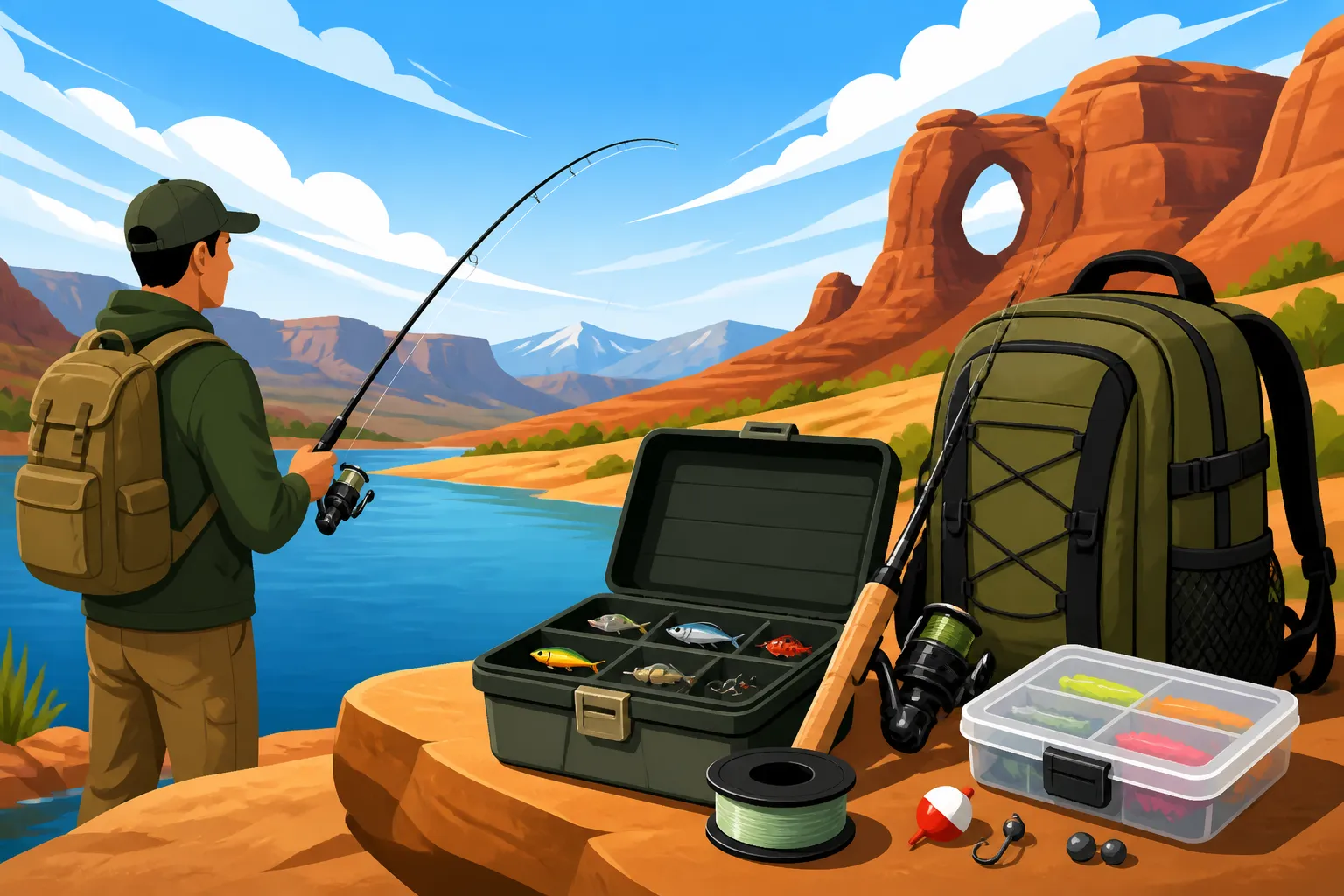
The rod and reel are undoubtedly the heart of your fishing setup. For a beginner looking to fish Utah's community ponds, smaller reservoirs, or even gentle river sections for trout and panfish, a spinning rod and reel combo is almost always the way to go. These combos are designed to be user-friendly, forgiving, and typically come pre-spooled with line, saving you another step and some cash.
When choosing, look for a medium-light action rod, usually around 6 to 6.5 feet long. This length gives you enough casting distance for most shore fishing scenarios while still being manageable for younger anglers or those new to casting. A medium-light action means the rod will have enough flex to make casting lighter lures and baits easier, and it will still have enough backbone to handle a feisty rainbow trout or a decent-sized perch. You'll find plenty of reliable, inexpensive combos from brands like Shakespeare or Ugly Stik, which are widely available at big box stores and sporting goods retailers. These aren't just for kids; many seasoned anglers keep a sturdy, no-frills combo like this around for quick trips or loaning to friends. Don't be fooled into thinking you need the most expensive carbon fiber rod; a fiberglass or composite rod will serve you just fine and withstand a few bumps and drops that inevitably happen when you're learning.
Fishing Line: The Unsung Hero of Your Setup
It's easy to overlook fishing line, but it's literally your connection to the fish. For your budget setup, simple monofilament line is your best friend. It's affordable, easy to tie knots with (which is a huge plus for beginners), and has a bit of stretch, which can act as a shock absorber when a fish strikes suddenly or when you set the hook a little too enthusiastically. You'll often find that beginner combos come pre-spooled with a decent enough monofilament line, saving you the hassle of spooling it yourself.
For most general fishing in Utah—think stocked trout in urban ponds or smaller bass in reservoirs—a 4 to 6-pound test monofilament line is perfect. This strength is sufficient for the fish you're likely to encounter, and it's thin enough to cast well. Going too heavy, say 10 or 12-pound test, might make your casting feel clunky and reduce your lure's action. Conversely, going too light (2-pound test, for example) could lead to frustrating break-offs when you hook into something a little bigger than expected or get snagged on the bottom. Always check the line that comes on your combo, but if you need to buy a spool, it's one of the cheapest items on your list. Remember, proper knot tying is crucial, no matter the line you use. It's worth practicing a simple clinch knot or Palomar knot at home. You can find plenty of videos online, or ask someone at a local tackle shop to show you.
Terminal Tackle: The Bits and Bobs That Catch Fish
Terminal tackle refers to all the small but vital components you tie to the end of your fishing line: hooks, sinkers, swivels, and bobbers. This is where a small investment in a variety of items can open up many fishing opportunities in Utah. Don't buy a massive kit; instead, pick up small packs of essential items.
For hooks, a mixed pack of Aberdeen or baitholder hooks in sizes ranging from #8 to #4 will cover most small to medium fish like trout, bluegill, and perch. You'll want some small split shot sinkers to add just enough weight to your line to cast your bait and get it down to where the fish are. A small variety pack of these is great. Swivels aren't strictly necessary for every setup, but they can help prevent line twist, especially when using spinning lures. A small pack of barrel swivels in size #10 or #12 will do. And finally, bobbers! Watching a bobber go under is one of fishing's simplest joys, especially for beginners and kids. A few small, clip-on bobbers or slip bobbers are inexpensive and highly effective for suspended bait fishing. You don't need anything fancy here, just something that floats and visibly bobs!
A simple table for essential terminal tackle might look like this:
| Item | Recommended Size/Type | Purpose | Budget Tip |
|---|---|---|---|
| Hooks | Aberdeen/Baitholder #8 to #4 | Attaching bait, securing fish | Buy small variety packs, not bulk specialty hooks |
| Sinkers | Split Shot, Small Egg | Adding weight for casting and depth | A multi-size pack is usually inexpensive |
| Swivels | Barrel #10 or #12 | Preventing line twist, especially with spinners | Not always essential, but good to have a few |
| Bobbers | Clip-on or Small Slip | Indicating bites, suspending bait at desired depth | Easy to find in multi-packs or individually |
Smart Choices for Bait and Lures on a Budget
Once you have your rod, reel, and basic terminal tackle, it's time to think about what you'll use to attract fish. This is another area where you can easily go overboard, but for a first trip, simplicity and affordability are key. Utah's most common beginner targets, like rainbow trout and panfish, are not particularly picky, which works in your favor!
Affordable Bait Options That Get Bites
Natural baits are almost always a fantastic and cost-effective choice for enticing fish, especially the eager stocked trout that are prevalent in many of Utah's community ponds and reservoirs. The beauty of bait is that it's often something you can find, purchase cheaply, or even collect yourself.
Worms: The classic for a reason! Nightcrawlers or garden worms are irresistible to a wide variety of fish, including trout, perch, bluegill, and even catfish. You can often dig them up in your own backyard after a rain, or buy a small container at virtually any gas station, grocery store, or sporting goods shop. They are inexpensive, easy to keep alive for a few days, and require no special rigging beyond threading a piece onto your hook. This is often the best choice for a beginner to get that first bite and experience the thrill of catching. Utah Fishing Techniques for Beginners will often highlight the effectiveness of simple bait like worms.
PowerBait: Specifically designed for trout, PowerBait comes in various colors, scents, and forms (nuggets, dough). It's incredibly effective on stocked rainbow trout. While not a "natural" bait, a small jar lasts a long time and is relatively cheap. You just pinch off a piece, roll it into a ball, and mold it around your hook. Many anglers swear by specific colors, but for a first trip, a bright color like chartreuse or rainbow is usually a good bet. Consider reading What Color PowerBait Works Best in Utah Reservoirs? for more specific guidance, but honestly, any of the popular colors will likely get you bites.
Corn: Yes, plain old canned corn! It's a surprisingly effective bait for trout and panfish, especially in heavily fished community ponds where fish are accustomed to seeing various baits. It's incredibly cheap, you probably already have it in your pantry, and it's easy to put on a hook. Just make sure to use a small hook (size 8 or 10) and only thread a couple of kernels on at a time. It’s also a non-toxic option if you’re fishing with children and want to avoid messy worms or scented dough.
Basic Lures for Versatile Fishing
While bait is fantastic, having a few simple lures in your arsenal can add another dimension to your fishing experience. Lures cover more water, can entice a more aggressive bite, and often allow for a more active fishing style. For a budget setup, focus on universal lures that work across different species and conditions.
Spinners: These are arguably the most classic and effective entry-level lure. Brands like Rooster Tail or Mepps have been catching fish for decades. Spinners consist of a blade that rotates around a central shaft, creating flash and vibration in the water that mimics small baitfish or insects. For a beginner setup in Utah, a few small spinners in sizes 0, 1, or 2, with silver, gold, or brass blades, are perfect. They are great for trout, panfish, and even small bass. Just cast them out and retrieve them steadily. The action of the blade does all the work for you! These are definitely among the Lures Every Beginner's Tackle Box Needs.
Small Spoons: Another excellent choice for beginners, spoons are simple metal lures that wobble when retrieved, mimicking an injured baitfish. They cast well, sink at a moderate rate, and can be retrieved steadily or jigged. A couple of small casting spoons in silver, gold, or a bright color like orange or red, around 1/8 to 1/4 ounce, are a solid addition to your budget tackle box. They’re particularly effective for trout in open water or when fishing deeper spots from shore. Many times, just letting them flutter down and then reeling them in with a slight twitch of the rod tip is all it takes to get a strike.
Essential Accessories You Can't Skip (Even on a Budget)
Beyond the basic rod, reel, line, and tackle, there are a few essential accessories that will make your fishing trip safer, more enjoyable, and more successful. These items don't have to be expensive; again, focus on functionality and simplicity.
Net, Pliers, and First Aid: Safety and Success
These three items are crucial for both fish care and angler safety. Skipping them is not recommended, even on the tightest budget.
Landing Net: While you might be able to hand-land smaller fish, a small landing net makes it much easier and safer to bring your catch to shore, especially if you're planning on releasing fish. It reduces stress on the fish and minimizes the risk of dropping it or getting a hook in your hand. A basic rubberized net is ideal as it's gentler on fish scales and slime coats, and it prevents hooks from getting tangled as much as mesh nets. You can find perfectly functional, collapsible nets for a very reasonable price. It doesn't need to be huge; one with a hoop size of about 15-20 inches is usually sufficient for common Utah species. This is particularly helpful when learning How to Release a Fish Without Hurting It in Utah, as a net can keep the fish in the water while you remove the hook.
Needle-Nose Pliers or Hemostats: These are indispensable for safely and efficiently removing hooks from a fish's mouth, especially if the hook is swallowed or deeply set. Trying to use your fingers is risky for both you and the fish. A simple pair of needle-nose pliers from your toolbox or an inexpensive pair from a hardware store will work just fine. Dedicated fishing pliers often have additional features like line cutters, but they aren't strictly necessary for a beginner. Hemostats (small locking pliers) are also great for smaller hooks and delicate work. Having these on hand also reduces your downtime on the water.
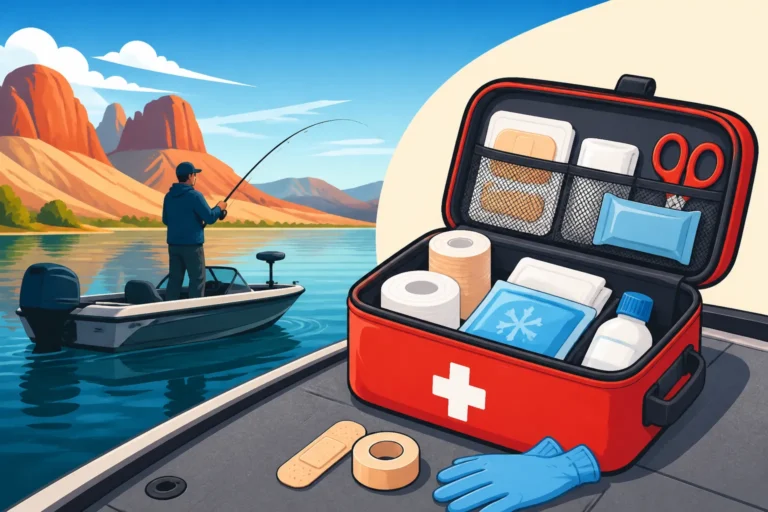
Basic First Aid Kit: Accidents happen, especially when you're dealing with sharp hooks and potentially slippery surfaces. A small, waterproof first aid kit containing bandages, antiseptic wipes, and pain relievers is an absolute must-have. You don't need a trauma kit, just something to deal with minor cuts, scrapes, or hook pokes. A small kit can be assembled from items you already have at home or purchased pre-made for a few dollars. Keeping it in your tackle box or fishing bag means you're always prepared for the unexpected.
Tackle Box and Storage: Keeping It Organized
A good tackle box isn't just about storage; it's about organization, which means less time fumbling and more time fishing. You don't need a giant, multi-tray behemoth for your first trip.
Small Tackle Box or Bag: A simple, single-tray plastic tackle box is perfectly adequate for your essential hooks, sinkers, bobbers, and a few lures. They are lightweight, durable, and very affordable. Alternatively, a small backpack or even a fanny pack with a few clear plastic utility boxes can serve the same purpose. The key is to keep your small items separated and easy to access. This prevents hooks from tangling, weights from rolling around, and lures from getting lost at the bottom of a cluttered bag. Remember, for a truly budget-conscious approach, even a small canvas tote or a sturdy lunchbox can be repurposed with a few ziplock bags or small containers to keep things sorted. An organized setup makes learning How to Set Up a Slip Bobber Rig or tying new knots much less frustrating when you have all your components readily available. For more ideas on how to keep your essentials in order, check out Best Tackle Box Organizer for a Trout Angler.
Where to Find Budget-Friendly Fishing Gear in Utah
Now that you know what you need, the next step is finding it without emptying your wallet. There are several great avenues for budget-conscious anglers in Utah, mixing local options with online convenience.
Local vs. Online: Pros and Cons
Both local stores and online retailers offer advantages when you're trying to put together a budget fishing setup. It often comes down to what you prioritize: immediate gratification and expert advice, or potentially slightly lower prices and a wider selection.
Local Retailers: Visiting a local sporting goods store or even a larger chain like Bass Pro Shops has some distinct advantages. You can physically handle the rods and reels, get a feel for their weight and balance, and see the actual sizes of hooks and lures. More importantly, the staff at these stores are often experienced anglers themselves. They can offer invaluable, region-specific advice on what's biting, where to go, and which budget-friendly gear truly performs well in Utah's specific waters. They might even show you How to Tie a Basic Fishing Knot for Trout Fishing on the spot! Plus, you get your gear immediately, which is great if you decide on a spontaneous fishing trip. Check your local hardware store or even Walmart and Target for entry-level combos; these can be surprisingly good for the price.
Online Retailers: Websites like Amazon are fantastic for price comparison and convenience. You can often find deals on combo kits or bulk packs of terminal tackle that might be harder to find locally. The sheer volume of reviews can also help you gauge the quality of a budget item before committing. However, you can't touch the gear, and sometimes what looks good online feels different in person. Shipping times also mean you need to plan ahead. It's often a good strategy to visit a local store to get an idea of what you like, then check online prices, and perhaps buy your smaller, less tactile items (like hooks, sinkers, or even spools of line) through an online retailer to save a few dollars. This blended approach gives you the best of both worlds.
Getting the Most Out of Your Budget
The biggest secret to a successful budget fishing setup is not just finding cheap gear, but finding versatile, reliable gear that will last and serve multiple purposes. Avoid specialized items that only do one thing unless you're absolutely sure you'll use them frequently.
Focus on Multi-Purpose Gear: Your 6-foot, medium-light spinning combo isn't just for trout; it's perfectly capable of catching perch, bluegill, small bass, or even catfish in community ponds. The small spinners and spoons you buy for trout will also entice other species. Think about the broadest possible applications for each item you purchase. This helps keep your initial investment low and ensures you're not buying gear that will sit unused after one trip. This versatility makes your beginner setup one of the What Gear Does a First-Time Utah Angler Need? that truly gets you on the water catching fish regardless of the specific body of water you're at.
Don't Overlook Used Gear: Check local classifieds, online marketplaces, or even garage sales for used fishing gear. You can often find perfectly functional rods, reels, and even tackle boxes that are still in great shape for a fraction of the cost of new equipment. Just be sure to inspect them for any major damage or rust. A used rod with a new spool of fresh line can be an excellent way to get started. Many times, you can score a decent combo for the price of just the reel new. This can be an excellent strategy for building out a setup when you're just starting, especially if you're looking for gear for younger anglers, as discussed in How to Teach a Kid to Fish in Utah. Remember, the goal is to get out and fish, and a simple, budget-friendly setup is more than enough to start enjoying everything Utah's waters have to offer!
Disclaimer
This article is for general informational purposes only and does not constitute professional advice. Laws, prices and regulations vary by location and change over time. Consult a qualified professional for guidance on your specific situation.