Best Wading Boots for Utah River Rocks
There’s nothing quite like the feeling of stepping into a cool Utah river, ready to cast your line, but that blissful feeling can quickly turn to frustration – or worse, a nasty spill – if your footwear isn't up to the task. Utah's riverbeds are a wild mix of slippery moss-covered rocks, slick mud, jagged edges, and loose gravel, and navigating them safely is paramount. This guide will walk you through everything you need to know to choose the best wading boots, ensuring your feet stay firmly planted and comfortable on your next angling adventure.
The Unique Challenges of Utah's Riverbeds
Anyone who has spent time fishing Utah's incredible rivers and streams knows that the terrain underfoot is often the most formidable challenge. It’s not just about staying dry; it’s about maintaining stability and preventing falls that can not only ruin a fishing trip but also lead to serious injury. From the swift currents of the Provo to the boulder-strewn sections of the Green River, each waterway presents its own set of obstacles that demand specialized footwear.
Why Your Regular Hiking Boots Won't Cut It
You might think your sturdy hiking boots, with their aggressive tread, would be sufficient for river wading. And for some bank fishing or very shallow crossings, they might get you by. But the moment you step into anything more than a few inches of water, their limitations become glaringly obvious. Regular hiking boots are designed for dry or damp land, not perpetually wet, algae-coated rocks. Their soles tend to lose all grip when wet, becoming hockey pucks on slick stones. Plus, they aren't designed to drain quickly, leaving your feet waterlogged, heavy, and susceptible to blisters. When you're constantly fighting for balance, your energy is sapped, and your focus drifts from the fish to your feet, which is no way to enjoy the tranquil beauty of Utah's waters.
Common Frustrations: Slips, Falls, and Cold Feet
We've all been there. You spot a perfect riffle, a promising bend in the river, and you start to wade. One step, two steps, and then whoosh – your foot slides out from under you. You might catch yourself, or you might end up taking an unexpected, cold plunge. Beyond the immediate danger, these slips are incredibly frustrating. They break your concentration, alert every fish in the vicinity, and leave you feeling less confident with every subsequent step. And let's not forget the discomfort of inadequate insulation; cold water seeping into poor-fitting boots, especially in the cooler months, can turn an otherwise perfect day into a miserable experience. You need gear that works with you, not against you, and that starts from the ground up.
Decoding Wading Boot Sole Types for Utah Waters
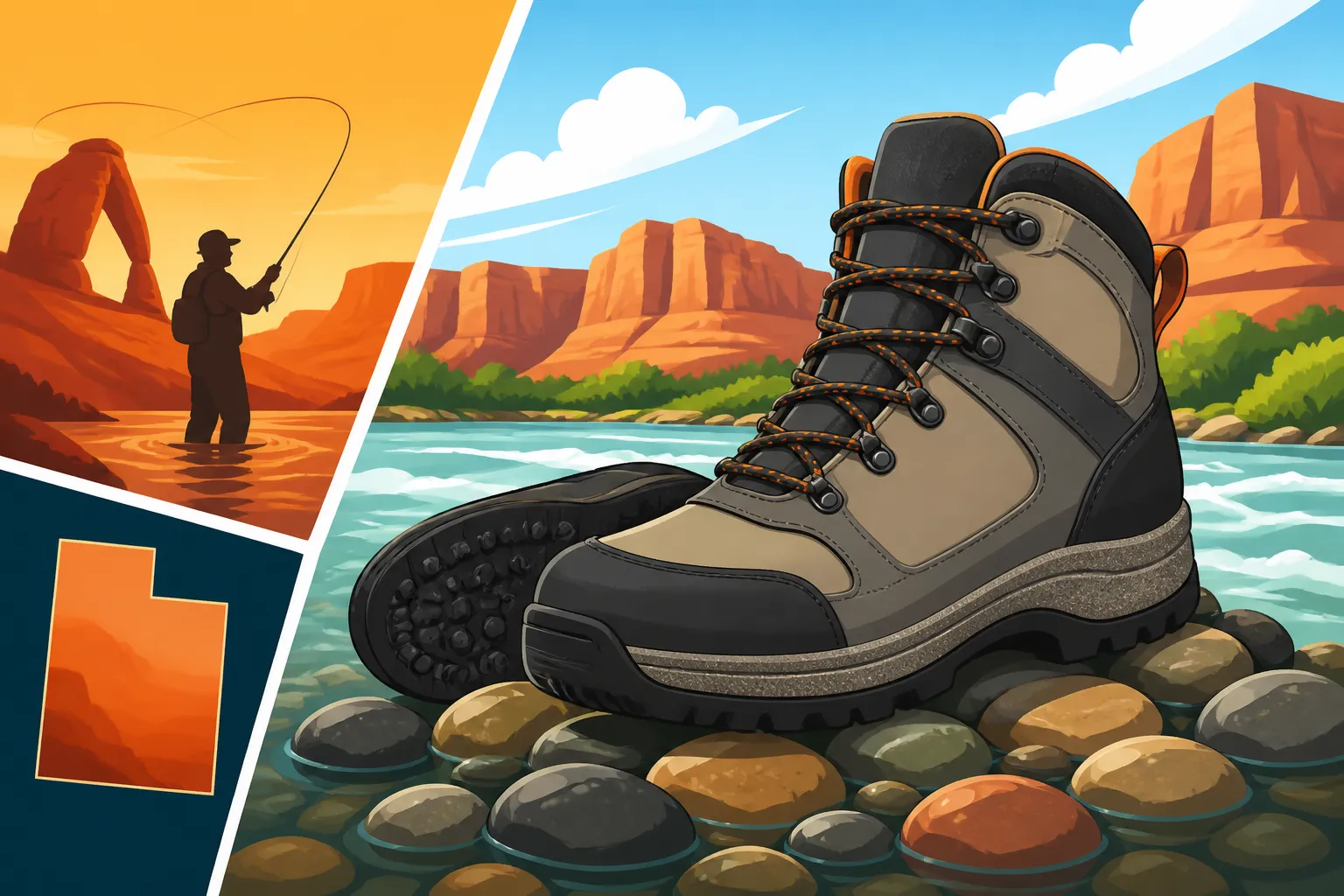
The sole of your wading boot is arguably the most critical component. It's the primary interface between your foot and the treacherous riverbed. Understanding the differences between sole types is key to making an informed decision that suits your specific fishing style and the waters you frequent in Utah. This choice often comes down to a debate between felt and rubber, with various enhancements for each.
The Enduring Debate: Felt Soles
Felt soles have been the traditional go-to for many river anglers for decades, and for good reason. Imagine a dense, almost fuzzy material that truly grips wet, slick rocks like nothing else. The felt acts like a thousand tiny fingers, conforming to the contours of the river bottom and creating incredible friction, even on algae-covered surfaces. For Utah's highly technical fly-fishing rivers like the Provo River or the Green River, where wading safety is paramount in often swift currents, felt soles are often preferred for their superior grip. They can make the difference between a confident stride and a white-knuckle shuffle.
However, felt isn't without its drawbacks. The biggest concern, and one that Utah takes very seriously, is the potential for spreading Aquatic Invasive Species (AIS). Felt is porous and can harbor microscopic organisms, plant fragments, and even tiny quagga or zebra mussel larvae that you might unknowingly carry from one body of water to another. This is why some states have even banned felt soles outright. While Utah hasn't implemented a full ban, rigorous cleaning and drying procedures are absolutely essential if you use felt. You have to be meticulous after every trip, and sometimes, a thorough cleaning might mean a multi-day drying process, which can be a hassle if you fish frequently or different waters back-to-back.
The Versatility of Rubber Soles
Rubber soles, often featuring aggressive lug patterns similar to hiking boots, have come a long way in recent years. Modern rubber compounds are specifically engineered for wet traction, and while they might not offer the absolute stickiness of felt on certain surfaces, they provide a much more versatile and environmentally friendly option. Rubber soles are far easier to clean and decontaminate, making them the responsible choice for preventing the spread of AIS. After a day on the water, a good scrub with a stiff brush and thorough drying is usually sufficient, aligning perfectly with Utah Aquatic Invasive Species Rules for Anglers.
Where rubber truly shines is in its adaptability. They perform exceptionally well on muddy banks, loose gravel, and dry land – something felt soles struggle with, turning felt into a slippery mess outside the water. If you're hiking into a remote stream in the Uinta Mountains, or transitioning frequently between river sections and trails, rubber soles are a clear winner. Many rubber-soled boots also feature drainage ports to shed water quickly, keeping your feet lighter and more comfortable. While the initial grip on a slick, mossy boulder might feel less secure than felt, rubber's overall versatility and ease of cleaning make it a top contender for many Utah anglers, especially when enhanced with studs.
When to Consider Studs or Cleats
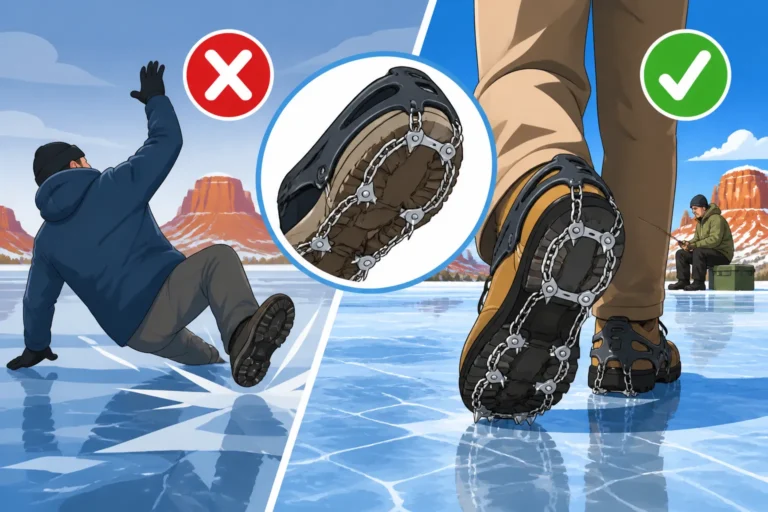
This is where rubber soles truly level up for river fishing in Utah. Studs or cleats are small, metal or carbide-tipped additions that screw into the rubber sole of your wading boots, providing an extra bite into slick surfaces. They are an absolute game-changer on extremely slimy rocks, icy patches, or when you need maximum confidence in swift currents. If you frequently fish challenging rivers like the Weber River or sections of the Provo known for their slick, polished rocks, adding studs to your rubber boots is highly recommended. You can find pre-studded boots, or purchase stud kits to customize your existing rubber-soled boots.
However, studs aren't for every situation. They can be incredibly abrasive on boat floors, potentially damaging rafts or drift boats. They can also be quite noisy and feel awkward on dry land. More importantly, Do You Need Studded Boots for Utah River Wading? often depends on the specific regulations of the water you're fishing. Some areas might have restrictions on studs to protect sensitive aquatic habitats or the integrity of fishing access points. Always check local rules before adding studs. If you opt for studs, consider models with easily replaceable studs, as they can wear down or pop out over time with heavy use.
| Sole Type | Key Advantage | Key Disadvantage | Ideal Utah Scenario | Cleaning & AIS |
|---|---|---|---|---|
| Felt | Superior grip on slick, algae-covered rocks | High risk of AIS transfer, poor on dry land | Technical fly fishing rivers with heavy wading (e.g., Provo River) | Requires meticulous, time-consuming cleaning and drying |
| Rubber | Versatile on various terrains (wet/dry), easy to clean | Can be less grippy than felt on certain slick rocks (un-studded) | Mixed terrain (river, bank, hike-in spots), boat fishing | Easy to clean, less risk of AIS transfer |
| Rubber with Studs | Excellent grip on extreme slick rocks, ice | Can damage boat floors, noisy on land, some regulations | Extremely slick rivers, winter wading, swift currents | Easy to clean (studs add complexity), still responsible for AIS |
Beyond the Sole: Essential Features for Durability and Comfort
While the sole is paramount, the rest of the wading boot plays a huge role in your overall experience on Utah's waterways. Comfort, fit, and durability are not to be overlooked, as they directly impact how long you can stay on the water and how much you enjoy your time there.
Fit and Support: Avoiding Sore Feet and Blisters
A poorly fitting wading boot is a recipe for misery. Unlike regular shoes, you'll be wearing these with thick wading socks and potentially waders, so you need a fit that accommodates this bulk without being loose or sloppy. Too tight, and you’ll lose circulation and get cold feet; too loose, and your foot will slide around, causing blisters and instability. The best approach is to try boots on with your actual wading socks and waders, if possible. Places like Bass Pro Shops often have a dedicated wader section where you can test different sizes and brands. You want a snug fit that cradles your foot without pinching, with enough room in the toe box for comfort. Good ankle support is also crucial for navigating uneven riverbeds, preventing twists and sprains. Remember, you're going to be spending hours standing, walking, and pushing against currents, so arch support and cushioning are vital for long-term comfort. Don't compromise here; your feet will thank you.
Material Matters: From Synthetic to Leather
The materials used in the boot's upper determine its durability, weight, and drying time. Most modern wading boots are made from synthetic materials like nylon, PVC, or Cordura, often reinforced with rubber rands around the toe and heel. These materials are lightweight, quick-drying, and resistant to abrasion. They tend to shed water efficiently and don't absorb as much moisture as older-style leather boots, which makes them easier to clean and lighter on your feet. Some premium boots incorporate waterproof yet breathable membranes, though the primary function of a wading boot is to protect your foot inside a wader, not necessarily to be waterproof on its own.
While full leather wading boots are less common today, some high-end options still feature durable, treated leather. These can offer excellent support and longevity but typically require more maintenance and take longer to dry. For the average Utah angler, a well-constructed synthetic boot with robust toe and heel protection will offer the best balance of performance, durability, and ease of care. When researching options, pay attention to stitching quality and reinforced areas, especially around high-wear points.
Durability and Construction: Surviving Utah's Rugged Landscape
Utah's rivers are tough on gear. Sharp rocks, abrasive sand, and constant exposure to water mean your wading boots need to be built like tanks. Look for boots with reinforced toe caps and heel counters that can withstand impacts from submerged rocks. The quality of the stitching and the adhesion of the sole to the upper are critical indicators of how long the boots will last. Double-stitching and welded seams offer greater resistance to delamination and tearing. Brands known for their robust construction, often found on platforms like Amazon or in dedicated outdoor retailers, tend to invest in these details.
Consider the lacing system as well. Metal eyelets are generally more durable than fabric loops, and speed laces can make donning and doffing your boots much quicker. Some boots even feature integrated gravel guards, which help prevent sand and small pebbles from getting into your waders, a minor annoyance that can become a major source of discomfort over a long day. Investing in a durable pair of boots from the outset will save you money and headaches in the long run, as cheap boots tend to fall apart quickly under the stress of heavy wading. After all, you're trusting these boots to keep you upright and safe in some pretty gnarly conditions. For more general gear advice, check out our Utah Fishing Gear Guide.
Caring for Your Wading Boots: Longevity and AIS Prevention
Proper care of your wading boots isn't just about extending their lifespan; it's a critical responsibility for every angler in Utah to protect our precious aquatic ecosystems from invasive species. Neglecting your boots can lead to premature wear and, more importantly, the unwitting spread of unwelcome organisms.
Post-Fishing Cleaning Rituals
After every single fishing trip, especially if you've been wading, your boots need attention. The first step is to clean off all visible mud, dirt, and debris. Use a stiff brush and clean water to scrub the soles and the boot uppers. Pay close attention to the nooks and crannies where small plant fragments or mud can hide. If you've been in a river with particularly dense vegetation or silty bottoms, this step is even more crucial. Some anglers carry a small, portable brush specifically for this purpose and give their boots a quick scrub down at the trailhead or boat ramp before heading home.
Once clean, the most important step for felt and often rubber soles is thorough drying. Allow your boots to air dry completely, ideally in a well-ventilated area out of direct sunlight. Stuffing them with newspaper can help absorb moisture and speed up the process. Never store wet boots in a dark, confined space, as this can lead to mildew, odor, and degradation of materials. Depending on humidity and material, this drying process can take a day or even several days for felt soles. Ensuring your boots are bone dry is a key component in preventing the spread of AIS. You might also find it helpful to air out your Best Waders for Cold Provo River Water at the same time to ensure all your gear is ready for the next adventure.
Understanding Aquatic Invasive Species (AIS) Decontamination
Beyond general cleaning, understanding and practicing AIS decontamination is non-negotiable for Utah anglers. While cleaning removes visible contaminants, true decontamination aims to kill any microscopic invaders. For wading boots, especially those with felt soles, this usually means a thorough drying process or, if time is short, a chemical treatment. Many outdoor enthusiasts use a diluted bleach solution or an approved aquatic disinfectant to soak their boots for a specified time, followed by a rinse and complete drying.
It's vital to follow Utah's specific guidelines for AIS prevention. The "Clean, Drain, Dry" mantra applies to all your fishing gear, including your boots. If you're moving between different water bodies, especially those with known AIS issues, taking extra precautions is always wise. Not only does this protect Utah's fisheries, but it also protects you from potential fines. While you might not need to rigorously decontaminate your boots after every single trip if you're only fishing one river repeatedly, it's good practice to get into the habit. If you plan to float fish, remember that your watercraft also needs proper care. For more details on this, check out Utah Aquatic Invasive Species Rules for Anglers.
When you take the time to select the right wading boots and care for them properly, you're not just investing in your own comfort and safety; you're contributing to the health and longevity of Utah's incredible fishing resources. So gear up, stay safe, and enjoy the pristine waters that make fishing here such a special experience.
Disclaimer
This article is for general informational purposes only and does not constitute professional advice. Laws, prices and regulations vary by location and change over time. Consult a qualified professional for guidance on your specific situation.