Breathable vs Neoprene Waders for Utah Rivers
There's nothing quite as frustrating as getting out on a beautiful Utah river, excited for a day of fishing, only to find yourself either sweating profusely in bulky waders or shivering uncontrollably as the cold water seeps in. The truth is, choosing the right waders for your angling adventure makes all the difference in comfort, endurance, and ultimately, your enjoyment of the experience. This comprehensive guide will meticulously break down the differences between breathable and neoprene waders, helping you decide which type is best suited for your specific needs across Utah's incredibly diverse fishing landscape.
Understanding the Core Differences: Breathable vs. Neoprene
When you're out on the water, the waders you choose are essentially your second skin, protecting you from the elements and allowing you to access prime fishing spots. But not all waders are created equal. The two primary types, breathable and neoprene, offer distinct advantages and disadvantages depending on the conditions and how you plan to fish. Understanding their fundamental makeup is the first step to making an informed decision.
Breathable Waders: Lightweight Comfort for Active Anglers
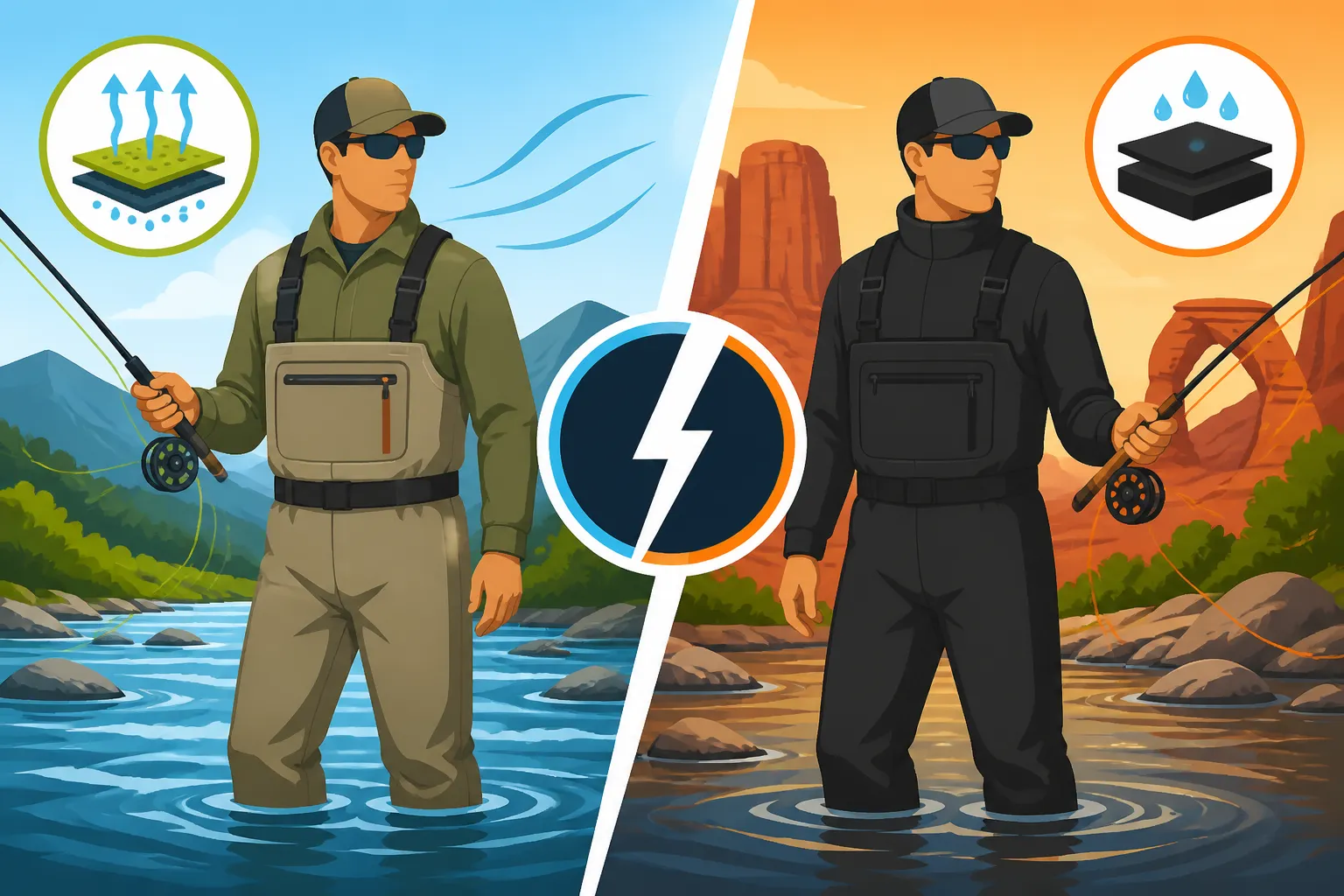
Breathable waders are typically constructed from modern synthetic fabrics like Gore-Tex or similar proprietary membranes. These materials are engineered with microscopic pores that are large enough to allow water vapor (sweat) to escape, but small enough to prevent liquid water from entering. Think of it like a one-way valve for moisture. This innovative design is a game-changer for active anglers, especially those who spend a lot of time walking, hiking to remote spots, or actively casting and retrieving. The lightweight nature of these materials also contributes significantly to comfort and mobility.
Imagine hiking a mile or two up a rocky trail to reach a secluded section of the Provo River on a warm spring day. If you were wearing heavy, non-breathable waders, you'd arrive at your destination already drenched in sweat, feeling uncomfortable and probably a bit fatigued. With breathable waders, that moisture has a chance to escape, keeping you drier and more comfortable. This allows for easier movement, whether you're navigating slippery rocks, casting with a fly rod, or simply enjoying a long day on the water. They're not inherently warm, but they excel when paired with appropriate layering underneath, adapting to various temperatures. You can easily add or remove fleece pants or thermal leggings to adjust your warmth as conditions change throughout the day.
Neoprene Waders: Insulated Durability for Cold Water
Neoprene waders, on the other hand, are made from a synthetic rubber material known for its excellent insulation properties. It's the same material used in wetsuits, and for good reason: it traps a thin layer of water between your body and the wader, which is then warmed by your body heat, providing incredible thermal protection. These waders are typically thicker than breathable options, ranging from 3mm to 5mm, with the thicker versions offering more warmth. Their robust construction also makes them exceptionally durable, often shrugging off abrasions from brush and rocks that might challenge thinner materials.
Picture yourself standing in the icy waters of a Utah lake during late fall or early spring, or perhaps even venturing out for some Utah Ice Fishing Guide. In these conditions, warmth is paramount. Neoprene waders shine here, providing a vital barrier against the bone-chilling cold. The inherent insulation means you don't need as many bulky layers underneath, simplifying your cold-weather wardrobe. While they offer superior warmth and durability, neoprene waders can be quite bulky and less flexible than breathable alternatives. Walking long distances in them can feel cumbersome, and if the air temperature rises, they can quickly become uncomfortably hot, as they don't allow body moisture to escape effectively. They are designed for standing in cold water, not for strenuous activity in warmer conditions.
When to Choose Which Wader Type for Utah's Diverse Waters
Utah's fishing environment is incredibly varied, from high-altitude mountain lakes to desert rivers, and each offers unique challenges and opportunities throughout the year. The "best" wader isn't a universal truth; it's entirely dependent on where you're going, what time of year it is, and how you plan to fish. Making the right choice means you'll be comfortable and prepared for whatever Mother Nature throws at you.
Matching Waders to Utah's Seasons and Temperatures
Utah experiences all four distinct seasons, each bringing different water temperatures and air conditions that directly impact wader performance.
-
Spring Runoff (Late April to June): This is a tricky time. While air temperatures might be pleasant, the rivers are often swollen with frigid snowmelt. Your choice here depends on your activity level. If you're going to be primarily stationary, perhaps targeting fish in slower eddies, neoprene might seem appealing for warmth. However, if you're actively wading a river like the Weber or the lower Provo, or hiking to access different spots, breathable waders with good thermal layering underneath might be a better call. The ability to shed internal moisture while still being warm is key when you're moving around a lot in cool conditions. This balance is crucial for staying comfortable throughout the day. Check out Best Time of Year to Fish in Utah for more seasonal insights.
-
Hot Summers (July to Early September): When the air temperatures soar, especially in southern Utah or during midday on many reservoirs, breathable waders are almost always the superior choice. Wearing neoprene in 80 or 90-degree heat, even if the water is cool, can quickly lead to overheating and profuse sweating, making your fishing trip miserable. Even with cool water, the sun beating down on neoprene will turn it into a personal sauna. With breathable waders, you can wear minimal base layers or even just shorts underneath, maximizing ventilation while still protecting you from the water. For actively wading mountain streams or lakes, this lightweight option is critical for endurance and comfort.
-
Cool Falls (Late September to November): Fall is often a favorite for many anglers in Utah, with crisp air and vibrant scenery. Water temperatures begin to drop significantly, especially in the mornings and evenings. This is where the decision becomes more nuanced. If you're primarily fly fishing a cold river, actively moving and wading, breathable waders with mid-weight to heavy fleece layering underneath, like those you might find at Bass Pro Shops or online at Amazon, offer great flexibility. You can adjust your layers to the fluctuating temperatures. However, if you're fishing still waters from shore or a float tube, where you'll be more stationary and exposed to the cold, neoprene waders might be the more comfortable option, providing consistent warmth without the need for excessive layering.
-
Freezing Winters (December to March): For any open-water fishing during Utah's harsh winters, or especially for ice fishing, neoprene waders are the clear winner for warmth. Standing or sitting for extended periods in freezing temperatures demands maximum insulation. A 5mm neoprene wader provides excellent protection, keeping you significantly warmer than breathable waders, even with heavy layering. While breathable waders can be layered for warmth, their primary advantage of breathability is less critical when your main concern is battling extreme cold, and the sheer insulating power of neoprene becomes indispensable. Consider reading How to Layer Clothing for a Utah Winter Fishing Trip to optimize your winter comfort.
Considering Your Fishing Style and Location
Your personal fishing style and the specific locations you frequent in Utah also play a huge role in wader selection.
-
Active Wading (Rivers and Streams): If your typical outing involves covering a lot of ground, wading upstream, or hiking to various fishing spots along a river like the Green River below Flaming Gorge, breathable waders are almost a necessity. The reduced weight and increased flexibility allow for much greater freedom of movement, and the ability to vent sweat prevents that clammy, uncomfortable feeling. Fly anglers, in particular, who often spend hours casting, mending, and moving, tend to gravitate towards breathable options for this reason. They allow you to stay nimble on slippery riverbeds and comfortable through long stretches of activity.
-
Stationary or Stillwater Fishing (Lakes and Reservoirs): For anglers who spend most of their time sitting in a float tube on a high-mountain lake, standing in one spot on a reservoir's edge, or fishing from a small boat where you might occasionally step into the water, neoprene waders often make more sense. The focus here is less on mobility and more on warmth and durability. When you're not generating a lot of body heat through movement, the insulating properties of neoprene are invaluable for staying comfortable in cooler waters. For example, if you're float tubing for trout at Panguitch Lake in early spring, the constant cold water contact makes neoprene a much cozier choice.
-
Boat Fishing: If you do most of your fishing from a boat, and only occasionally step out into the water to launch or land fish, the choice is less critical, but still important for comfort. Many boat anglers might opt for breathable waders for general comfort, as they're lighter and less constricting when seated for long periods. However, if you plan to get out and wade extensively in cold water from your boat, say at Strawberry Reservoir Ice Fishing Spots during late season, then neoprene would be better for those specific wading excursions.
| Feature | Breathable Waders | Neoprene Waders |
|---|---|---|
| Material | Multi-layered synthetic fabrics (e.g., Gore-Tex) | Synthetic rubber (Neoprene) |
| Primary Benefit | Moisture-wicking, prevents sweating, highly mobile | Excellent insulation, superior warmth |
| Ideal Seasons | Spring, Summer, Fall (with layering) | Fall, Winter, Early Spring |
| Ideal Conditions | Active wading, hiking, warmer air temperatures | Cold water, stationary fishing, colder air |
| Comfort | Lightweight, flexible, allows for layering | Warm, durable, but can be bulky and hot |
| Layering Needs | Essential for warmth in cold conditions | Minimal layering typically needed for warmth |
| Durability | Good, but can be more susceptible to punctures/abrasions | Excellent, very resistant to tears and snags |
| Cost | Generally higher due to advanced material technology | Often more budget-friendly |
Key Factors Beyond Material: Fit, Features, and Footwear
Once you've narrowed down your choice between breathable and neoprene, there are still crucial aspects to consider that will greatly impact your overall comfort and the longevity of your waders. It's not just about the material; it's about how the waders interact with your body, what conveniences they offer, and what you put on your feet.
The Importance of Proper Fit and Layering
A well-fitting pair of waders, regardless of material, is absolutely essential. Waders that are too tight will restrict your movement, make layering difficult, and put undue stress on seams, leading to premature leaks. Waders that are too baggy, on the other hand, will gather excess material, creating friction points and making you feel cumbersome, especially when wading against currents. When trying on waders, make sure you can comfortably squat, lift your knees high, and swing your legs. Pay close attention to the crotch area – it should not pull tight when you lift your leg.
For breathable waders, proper fit is even more critical because you'll be layering underneath them for warmth. You need enough room for thermal pants or fleece without them feeling constricting. A good fit allows for air circulation, which aids in the breathability process. If the waders are too tight, the fabric can't loft away from your body effectively, trapping moisture. For example, if you're planning a cool weather trip to the Utah Fly Fishing Guide on the Provo River, you'll definitely want to layer up, so ensure there's ample room.
With neoprene waders, the fit tends to be snugger due to the material's stretch, but you still need freedom of movement. Because neoprene provides inherent insulation, you generally won't need as many layers underneath, perhaps just a base layer. However, if they're too tight, they can restrict blood flow, paradoxically making you feel colder, and they'll be incredibly uncomfortable. Always try them on with the type of clothing you anticipate wearing underneath. Many reputable brands found at places like Bass Pro Shops provide detailed sizing charts that include chest, inseam, and foot size, which are invaluable for online purchases from retailers like Amazon.
Essential Features to Look For
Beyond the material, modern waders come with a host of features designed to enhance your fishing experience. These can make a big difference in convenience and durability.
- Pockets: Integrated pockets, especially waterproof ones, are incredibly useful for storing fly boxes, leader material, a phone, or other small essentials. Chest pockets are common, but some waders also include hand-warmer pockets, which are a godsend on chilly days. Look for zippered or Velcro closures to keep items secure.
- Reinforced Knees and Seat: Areas that see a lot of wear and tear, like the knees and seat, benefit greatly from extra reinforcement. This could be an additional layer of the wader fabric or a tougher, abrasion-resistant material. This feature significantly extends the life of your waders, especially if you're kneeling often or navigating rough terrain.
- Gravel Guards: These are essential for stockingfoot waders. They fit over your wading boots, preventing sand, gravel, and debris from getting into your boots and abrading your wader booties or causing discomfort. Ensure they fit snugly over your boots.
- Wader Suspenders: Adjustable suspenders are standard, but look for ones that are comfortable and easy to adjust. Some feature quick-release buckles, which are a nice convenience for bathroom breaks or when you want to drop the top half of your waders during a warm spell.
- Internal Gear Loops: Small loops inside the waders can be perfect for attaching tools like nippers, hemostats, or zingers, keeping them easily accessible without cluttering your external vest or pack.
Wader-Specific Footwear Considerations
Your choice of waders also dictates your footwear, and this is a critical component of comfort and safety on the water.
-
Stockingfoot Waders with Wading Boots: This is the most common configuration, especially for breathable waders. Stockingfoot waders have neoprene booties attached to the legs, and you wear separate wading boots over them. This system offers incredible versatility. You can choose wading boots specifically designed for traction on slippery riverbeds (felt soles for some rivers, rubber soles with studs for others) and with ankle support crucial for navigating uneven terrain. The ability to choose your boots allows for a highly customized setup. For serious wading, a sturdy pair of wading boots is a must, offering protection and grip that you just can't get from built-in boots. Consider a deep dive into Best Wading Boots for Utah River Rocks to choose the right pair.
-
Bootfoot Waders: These waders have the boots permanently attached, meaning the wader and boot are one unit. Bootfoot waders are almost exclusively found in neoprene designs and are particularly popular for very cold conditions or for situations where you're not doing extensive walking. Their main advantages are convenience (no separate boots to put on) and warmth, as the integrated boot can prevent cold spots around the ankles and feet. They also prevent gravel from getting into your boots entirely. However, bootfoot waders are heavier, bulkier, and the integrated boots often offer less ankle support and specialized traction compared to dedicated wading boots. If you plan to hike to remote Uinta Mountain high lakes, bootfoot waders would be a poor choice due to their weight and lack of support. They are ideal for standing in cold water without much movement, such as while pursuing Utah Walleye Harvest Rules from shore in chilly conditions.
Care and Maintenance for Longevity
Investing in a good pair of waders is a significant commitment for any angler. To ensure they last as long as possible and perform effectively trip after trip, proper care and maintenance are absolutely non-negotiable. Neglecting your waders can lead to premature leaks, unpleasant odors, and a drastically shortened lifespan.
Cleaning and Storing Your Waders
The first rule of wader care is simple: keep them clean. After every outing, especially if you've been in muddy or silty water, take the time to rinse them thoroughly with fresh water. Use a soft brush or sponge to gently remove any dirt, algae, or mud from both the outside and, if they're stockingfoot, the inside of the neoprene booties. Pay particular attention to zippers, seams, and gravel guards where debris can accumulate. This not only keeps them looking good but also prevents abrasive particles from damaging the fabric or membranes over time.
For breathable waders, once clean, it's paramount to dry them completely, both inside and out. Hang them upside down first to allow any water trapped inside the legs or booties to drain. Then, flip them right-side up and hang them in a well-ventilated area, out of direct sunlight. A cool, dry spot is ideal. Never store them damp, as this can lead to mildew, which can damage the breathable membrane and create an awful smell that's incredibly hard to get rid of. If they're particularly dirty or have a slight odor, you can hand wash them with a mild, non-detergent soap designed for technical outerwear. Always check the manufacturer's specific cleaning instructions, as improper cleaning can void warranties or damage the waterproof-breathable coating.
Neoprene waders also require thorough rinsing and drying. While less susceptible to mildew than breathable fabrics, storing neoprene damp can still lead to unpleasant smells and can degrade the material over time. Hang them upside down first to drain, then turn them right-side out to dry completely. Because neoprene is thicker, it might take a bit longer to dry, especially the bootfoot sections if they have them. Avoid hanging them directly over a heat source, as excessive heat can damage the neoprene. Once completely dry, store both types of waders hanging up in a cool, dry place. Folding them tightly or stuffing them into a bag for extended periods can create permanent creases and weaken the material at those stress points, making them more prone to leaks. Some anglers use wide hangers to support the waders at the waist without putting stress on the suspenders. This attention to detail will keep them ready for action, whether you're heading to the Green River Below Flaming Gorge Dam or chasing trout in a local community pond.
Patching and Repairing Common Wear and Tear
Even with the best care, waders will eventually develop leaks. It's almost an inevitability of active angling. The good news is that most small leaks are repairable, allowing you to extend the life of your waders significantly. Identifying a leak can be the trickiest part.
For breathable waders, minor punctures, snags, or seam leaks are common. To find a leak, turn the waders inside out and spray the suspect area with rubbing alcohol; the alcohol will create a dark spot where it penetrates the fabric, indicating the leak. Alternatively, you can fill the waders with water (carefully, while hanging or laying flat on a waterproof surface) and watch for drips. Once located, small holes can often be repaired with a dab of Aquaseal or a similar flexible urethane adhesive, often found in repair kits available at Bass Pro Shops or online at Amazon. Larger tears might require a fabric patch kit. Always clean and dry the area thoroughly before applying any repair product, and allow ample curing time as per the product instructions.
Neoprene waders are generally more puncture-resistant, but they can still develop small holes or seam separations. Finding leaks in neoprene is similar: turn them inside out and fill them with a small amount of water, or spray with alcohol. Neoprene repairs typically involve a specific neoprene cement or a flexible adhesive designed for wetsuits. Small holes can be patched with a dab of cement, while larger tears might require a neoprene patch, carefully glued in place. It’s also common for the seams of neoprene waders to start leaking over time, especially in high-flex areas. These can often be sealed with a thin bead of neoprene cement applied along the seam. The key is to address small leaks promptly before they become larger, more complex problems. Regular inspection of your waders for any signs of wear or damage will help you stay ahead of these issues.
Disclaimer
This article is for general informational purposes only and does not constitute professional advice. Laws, prices and regulations vary by location and change over time. Consult a qualified professional for guidance on your specific situation.