How to Dry a Boat Properly to Meet Utah’s AIS Rules
It's an unfortunate truth that our beloved Utah waters, from the vast expanse of Lake Powell to the smaller, serene community ponds, face a constant threat: aquatic invasive species (AIS). It's a real headache for boaters and anglers to have to worry about these microscopic invaders, adding extra steps to what should be a relaxing day on the water. But those extra steps, particularly properly drying your boat, are absolutely critical to protecting the fisheries we all cherish. This guide will walk you through exactly how to dry your boat thoroughly and effectively to meet Utah's AIS rules, ensuring you're doing your part to keep our waters healthy.
Why Utah's AIS Rules Are So Important for Every Angler
When you pull your boat out of the water after a fantastic day of fishing, the last thing you want to think about is a tiny, almost invisible organism hitchhiking a ride. But that's exactly the concern that drives Utah's rigorous Aquatic Invasive Species (AIS) rules. It's not just about bureaucratic red tape; it's about safeguarding the very ecosystems that make fishing in Utah so incredible. Think about the vibrant populations of trout, bass, and kokanee salmon that thrive in our lakes and rivers – they could be devastated by these invaders.
The Threat of Quagga and Zebra Mussels
The biggest and most notorious threat among AIS in Utah is undoubtedly the quagga mussel. These tiny freshwater mollusks, originating from Eastern Europe, might look innocent, but they're ecological wrecking balls. They attach to literally any hard surface, forming dense mats that can clog boat engines, pipes, and water infrastructure. Imagine trying to launch your boat at a favorite reservoir, only to find the ramp covered in sharp, invasive shells. It’s not just a nuisance; it’s a financial burden on taxpayers and a direct threat to native fish species. These mussels filter vast amounts of water, removing plankton that native fish and their prey rely on, fundamentally altering the food chain. That’s why you'll often hear about Utah Quagga Mussel Decontamination Rules and the strict measures taken, especially for boats leaving places like Lake Powell.
Protecting Utah's Delicate Ecosystems and Recreation
Beyond the immediate threat of mussels, other invasive species like certain types of aquatic plants or even invasive fish can outcompete native species, introduce diseases, and drastically change water quality. The ecosystems in places like Strawberry Reservoir, Flaming Gorge, or Bear Lake have evolved over millennia, and introducing a foreign element can throw everything into chaos. For us anglers, this means fewer fish, degraded habitats, and potentially closed fishing areas. The rules, including mandatory inspections and the "Clean, Drain, Dry" protocol, are designed to prevent the spread of these invaders from one water body to another. It ensures that when you move your boat from, say, Deer Creek Reservoir to Willard Bay, you're not inadvertently carrying a hidden threat that could wipe out the fishing in your next destination. These efforts are crucial to preserving the future of Utah fishing for generations to come.
The "Clean, Drain, Dry" Mandate: What It Really Means for Boaters
You've heard the mantra: "Clean, Drain, Dry." It's everywhere – at boat ramps, on official websites, and probably mentioned by the friendly folks at the Utah Aquatic Invasive Species Inspection Stations. But what does it really entail, especially that last, crucial step of "Dry"? It’s more than just a quick wipe-down; it’s a systematic approach to ensure no water, and thus no invasive species, gets left behind.
Understanding the "Clean" Step
Before you even think about drying, the "Clean" step is your first line of defense. This means inspecting your boat, trailer, and all your gear for any visible foreign debris. Think about what your boat has picked up from the water, often invisible below the waterline. You need to remove all mud, plants, and animals – even the tiniest bits of vegetation. Pay close attention to your prop, the anchor and anchor rope, the trailer bunks, and any fishing gear that has been in the water. A good stiff brush or even a pressure washer can be your best friend here. Many anglers carry a small scrub brush and gloves specifically for this task right at the boat ramp.
Mastering the "Drain" Step
The "Drain" step is where you get rid of all standing water from your boat. This includes opening all drain plugs (and leaving them open during transport), emptying your livewells, bilge, ballast tanks, and any internal compartments that might hold water. Don't forget coolers, bait buckets, and even wading boots! Any container that held water from the lake needs to be emptied. For larger vessels with complex plumbing, this might mean running pumps to ensure lines are clear. The goal is to eliminate any potential habitat for microscopic organisms to survive. Remember, a tiny amount of water can harbor larval mussels or other unwanted hitchhikers. This step, combined with a proper Utah Boat Registration Requirements and safety checks, ensures you're ready for the next phase.
The Critical "Dry" Step: Eliminating Hidden Threats
This is where the magic, or rather, the meticulous work, happens. "Dry" means completely drying every part of your boat and equipment that came into contact with water. The idea is to expose any potential aquatic hitchhikers to the air, killing them off before they can be transferred to another water body. Mussels and other AIS cannot survive long without water. This step is often the most time-consuming, and for good reason. It’s not enough for a surface to look dry; it must be actually dry, inside and out. The time required for this can vary significantly depending on weather conditions and the type of boat you have. A warm, sunny, breezy day might speed things up, but cold, humid conditions will slow it down considerably.
Step-by-Step: How to Thoroughly Dry Your Boat
Drying your boat properly is a methodical process. It's not something to rush if you truly want to prevent the spread of AIS. Here’s a detailed breakdown of how to tackle each area of your vessel.
Drying the Hull and Exterior
Once you've pulled your boat out and completed the "Clean" and "Drain" steps, start with the most obvious part: the hull.
- Wipe Down Exposed Surfaces: Use towels or absorbent cloths to wipe down the entire exterior hull, paying attention to the waterline and any areas that were submerged. This removes residual water droplets that might cling to surfaces.
- Raise and Dry the Outboard/Inboard Motor: Tilt your outboard motor down fully to allow all water to drain from the lower unit. For inboard motors, ensure the bilge is completely dry. Use a towel to absorb any puddles in the bilge area. If possible, run your motor on "ear muffs" for a few minutes in a controlled environment to help flush and dry internal cooling passages, but only if you are away from the water and can do so safely and legally. This is especially important for areas like the Green River, where specific flow rates and water conditions are vital.
- Inspect and Dry the Propeller: Carefully inspect around the propeller and the shaft. Algae or small plant fragments can often wrap around these areas. Clean them off thoroughly and then dry them completely.
Tackling Internal Compartments and Livewells
This is where many boaters miss crucial spots. Water loves to hide in nooks and crannies.
- Open and Air Out All Compartments: Open every single storage compartment, tackle box, and cooler. Leave them open to air dry. If you have carpeted compartments, consider using a shop vac to suck up excess moisture, or place small fans inside to circulate air. You'd be surprised how long standing water can remain in these areas, especially if they're not exposed to direct sunlight or airflow.
- Thoroughly Dry Livewells and Baitwells: These are prime locations for AIS. After draining them, wipe down all interior surfaces with a clean, dry towel. Leave the lids open for extended periods. Some anglers even use small battery-operated fans inside their livewells to ensure complete drying. For persistent moisture, a dry paper towel can be used to reach into corners and absorb lingering droplets. If you're using Bass Pro Shops brand bait buckets, make sure to dry those too.
- Remove and Dry Floor Mats/Carpet: If your boat has removable floor mats or snap-in carpets, take them out and hang them to dry completely in the sun. This prevents mold and mildew, and also ensures no water is trapped underneath.
Drying the Trailer, Gear, and Accessories
The boat itself is a big part, but your trailer and fishing gear are equally important vectors for AIS.
- Trailer Inspection and Drying: The trailer is often overlooked. Inspect the frame, bunks, and wheel wells. Mud and plant matter love to cling here. Use a stiff brush or hose it down at a car wash (away from any waterways) and then let it air dry. Pay special attention to the rollers or bunks, as they directly contact the hull and can transfer organisms. When driving, the wind generally helps to dry most of these surfaces, but don't rely solely on that.
- Fishing Gear and Tackle: Every piece of gear that touches the water needs attention.
- Rods and Reels: Wipe them down and ensure reels are fully dry, especially after fishing on waters like Utah Lake where Utah Lake Walleye Harvest Rules might be in effect. If you have a How to Clean a Reel After a Day at Utah Lake routine, this is the time to employ it.
- Nets, Waders, and Boots: Hang nets to dry completely. Waders and wading boots (especially felt-soled ones, though many waters restrict them due to AIS risk) should be thoroughly cleaned and dried inside and out. Turn boots upside down to drain, then air them out.
- Anchors and Ropes: Rinse your anchor and chain, then hang the rope to dry. Coil it loosely so air can circulate.
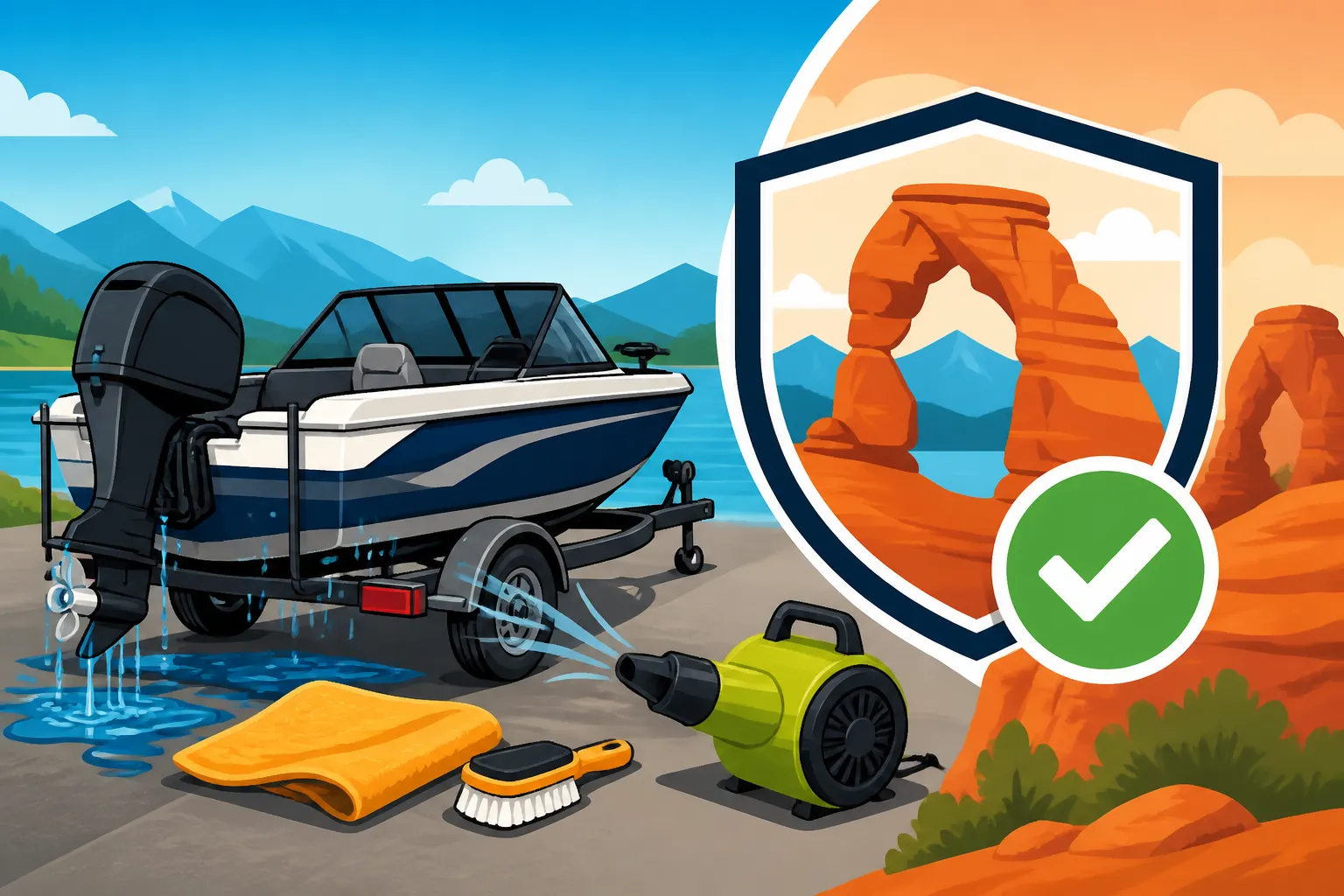
- Using Drying Aids: While natural air drying is best, you can accelerate the process. A leaf blower can be effective for blowing water out of cracks, crevices, and carpet fibers. Portable fans can be directed into compartments. Silica gel packets (found on Amazon) can be placed in enclosed spaces to absorb moisture, though they won't dry large volumes of water. Using a good quality Best Boat Cover for Utah Sun and Snow after the boat is fully dry can protect it from weather, but never cover a wet boat, as this traps moisture and promotes mildew and AIS survival.
Common Drying Mistakes and How to Avoid Them
Even with the best intentions, it’s easy to make mistakes when trying to adhere to Utah's strict AIS drying requirements. Many of these errors stem from underestimating how persistent water can be or overestimating the drying power of a quick breeze. Avoiding these pitfalls is key to truly protecting our fisheries.
Not Allowing Enough Time for Complete Drying
This is perhaps the most frequent mistake. Anglers are often in a hurry to get home, or they simply assume that a few hours in the sun is enough. However, truly "bone dry" takes time, especially for complex boats with many compartments, carpet, or intricate plumbing. On a humid or cloudy day, or during cooler temperatures, the drying process can take days, not hours.
How to avoid it: Plan ahead. If you're moving from one waterbody to another, give yourself a buffer. If you can't allow for several days of drying, especially when leaving a high-risk water like Lake Powell, consider a professional decontamination or limit your fishing to a single body of water for a sufficient period. Always err on the side of caution. Remember, you might need to leave your boat uncovered for a good period to maximize air circulation and sunlight exposure before you even think about putting on a cover.
Missing Hidden Water Traps and Crevices
Boats have an incredible ability to hold water in places you'd never expect. The bilge is an obvious one, but what about the bottom of your cooler that you didn't fully tip out? Or the small space under your boat's console? These hidden spots are perfect micro-habitats for quagga mussel larvae.
How to avoid it: Be meticulous. Go through your boat compartment by compartment. Use a flashlight to peer into dark corners. Press down on carpeted areas to see if water wells up. For areas that are hard to reach, a shop vac or even old rags taped to a stick can help absorb moisture. Think like a mussel – where would you hide if you were tiny and needed water to survive? Check your anchor rope locker, under seat cushions, and in the folds of bimini tops. Even your Best Landing Nets for Utah Trout need to be thoroughly dried, especially in the mesh folds.
Relying Solely on Wind or Driving to Dry the Boat
Many people believe that driving their boat down the highway will dry it out completely. While wind resistance helps some surfaces dry faster, it’s often insufficient, especially for internal areas or recessed pockets. Wind can actually push water deeper into cracks and crevices, making the problem worse, not better.
How to avoid it: Active drying is crucial. Don't just tow and hope. After draining your boat, wipe down all accessible surfaces. Open all compartments. If you can, use a leaf blower, fans, or even just prop things open in your driveway for a few days. The goal isn't just surface dryness, but complete desiccation of anything that might have held water. Consider this a critical part of your routine after any fishing trip, much like checking Utah Daily Bag and Possession Limits before you head out.
Beyond Drying: Other AIS Prevention Measures
While meticulously drying your boat is a monumental step in AIS prevention, it's part of a larger, collective effort. As responsible anglers and boaters, there are other crucial measures we need to embrace to truly protect Utah's aquatic environments.
Mandatory Inspections and Decontamination
For boats that have been in waters confirmed to have AIS (like Lake Powell) or for those that can't certify a complete 7-day dry time, mandatory inspections are a non-negotiable part of the process. You'll see Utah Aquatic Invasive Species Inspection Stations set up along major roadways. These stations are staffed by trained professionals who will carefully examine your boat for any signs of AIS. If your boat is deemed high-risk or shows signs of mussels, a professional decontamination will be required. This usually involves hot, high-pressure washing that effectively kills and removes invasive species. While it might feel like an inconvenience, these inspections are incredibly effective at preventing further spread. Always remember to check if Are Boat Inspections Mandatory Before Leaving Lake Powell?.
Understanding and Adhering to Dry Time Rules
Utah has specific dry time rules, especially for boats that have been on waters known to harbor quagga mussels. These rules stipulate how long a boat must be out of the water and completely dry before it can be launched into another Utah waterbody. This "dry time" period is scientifically determined to ensure that any remaining mussels or larvae will desiccate and die. The duration can vary based on the time of year (temperature and humidity) and the specific water body. It's vital to stay informed about the current requirements, as they can sometimes change. If you cannot meet the required dry time, you must undergo a professional decontamination. You can find detailed information about Utah Dry Time Rules After Leaving Lake Powell on the state wildlife website.
Personal Responsibility and Reporting
Ultimately, AIS prevention hinges on the personal responsibility of every single boater and angler. It's not just about avoiding fines or penalties; it's about being a good steward of our natural resources.
- Educate Yourself: Stay updated on current AIS threats and regulations. The Utah Division of Wildlife Resources website is an excellent resource for this. Knowing why these rules exist makes it easier to comply.
- Report Sightings: If you ever spot what you suspect might be an aquatic invasive species – whether it's strange plant growth, unusual fish, or mussels on a dock – report it immediately to the authorities. Early detection is crucial for containment.
- Spread the Word: Talk to your fellow anglers and boaters. Share your knowledge about proper cleaning, draining, and drying techniques. The more people who understand and practice these habits, the safer our waters will be. Even something as simple as ensuring your Do Kayaks and Paddleboards Need AIS Inspections in Utah? is part of the public consciousness helps. Every little bit of effort, from every single person, makes a massive difference in the ongoing fight against aquatic invasive species.
AIS Drying Checklist
To help you keep track, here’s a handy checklist for properly drying your boat and gear to meet Utah's AIS rules:
| Item | Action Steps | Notes |
|---|---|---|
| Boat Hull (Exterior) | Wipe down all surfaces. Lift bunks/rollers on trailer if possible to dry underneath. | Look for mud, plants, or attached organisms. Ensure no water droplets remain. |
| Motor | Tilt down to drain. Wipe exterior. (Optional: Run on muffs off-water). | Ensure all cooling passages are clear of water. Be cautious when running motor out of water. |
| Bilge | Ensure drain plug is open during transport. Use shop vac/towels to remove all standing water. Leave access open. | Water loves to hide here. Very important for all boats. |
| Livewells/Baitwells | Drain completely. Wipe thoroughly. Leave lids open. Consider small fan for airflow. | Critical areas for water retention. |
| Internal Compartments | Open all storage hatches, glove boxes, rod lockers. Remove items that could trap water. Air dry for days. | Check under carpets, cushions, and in recessed areas. |
| Trailer | Inspect frame, bunks, rollers, wheel wells for debris. Rinse if needed, then air dry. | Mud and plant matter commonly cling to the trailer. |
| Fishing Gear | Dry rods, reels, tackle boxes, nets, waders, boots, anchor, ropes. | Hang nets to dry completely. Waders/boots need interior and exterior drying. |
| Coolers/Containers | Empty all water. Wipe dry. Leave lids open. | Any container that held water from the lake is a potential vector. |
| Overall Boat | Allow maximum air exposure (uncovered) in sun/breeze. Extend drying time if cold/humid. | Consider using a leaf blower for crevices. Plan for days, not hours, for complete drying. |
Disclaimer
This article is for general informational purposes only and does not constitute professional advice. Laws, prices and regulations vary by location and change over time. Consult a qualified professional for guidance on your specific situation.