Best Hook Size for Bear Lake Cisco
Trying to catch Bear Lake Cisco can be a humbling experience, especially when you're battling the elements on a chilly winter morning and the fish are just giving you subtle nudges. It's incredibly frustrating when you feel those faint bites but can't seem to hook up, and often, the culprit is something as simple as using the wrong hook size. This guide is here to shed light on exactly which hooks will give you the best chance to successfully land those elusive Bear Lake Cisco.
Understanding Bear Lake Cisco and Their Mouths
Before we even talk about specific hook sizes, it's crucial to understand the fish you're targeting. Bear Lake Cisco are a unique species, native to Bear Lake, and they have very distinct characteristics that directly influence your tackle choices. They're not like your average trout or bass with big, aggressive mouths.
The Anatomy of a Cisco's Mouth
Bear Lake Cisco are primarily planktivores, meaning they feed on tiny organisms suspended in the water column. Because of this feeding habit, their mouths are surprisingly small and delicate. They don't have large, gaping jaws built for engulfing big prey. Instead, they have a small, somewhat downward-facing mouth, designed for sifting or gently sipping up minute food particles. When they bite, it's usually a very subtle suck or a light bump, not a hard strike. If your hook is too large, it simply won't fit into their mouth properly, or they'll be able to mouth the bait and spit it out without ever getting impaled. It’s like trying to eat a pea with a shovel – just not going to work efficiently.
Why Small Hooks are Essential
Given their dainty mouths and soft bites, using small hooks becomes absolutely critical for successful cisco fishing. A larger hook, even one that seems moderately sized for other panfish, will be far too big for a cisco to get fully into its mouth. You'll miss countless bites, or worse, you'll feel them but never convert them into solid hook-ups. Think of it this way: you want a hook that is barely larger than the bait itself, ensuring that when a cisco inhales, the hook goes right along with the offering. This isn't about setting a massive hook into tough cartilage; it's about a tiny, sharp point finding purchase in a delicate mouth. It’s a finesse game, plain and simple.
Recommended Hook Sizes for Bear Lake Cisco
When it comes to Bear Lake Cisco, the general rule of thumb is: go smaller than you think you need. This might feel counterintuitive if you're used to fishing for larger game, but it's the key to success for these particular fish.
The Go-To Sizes
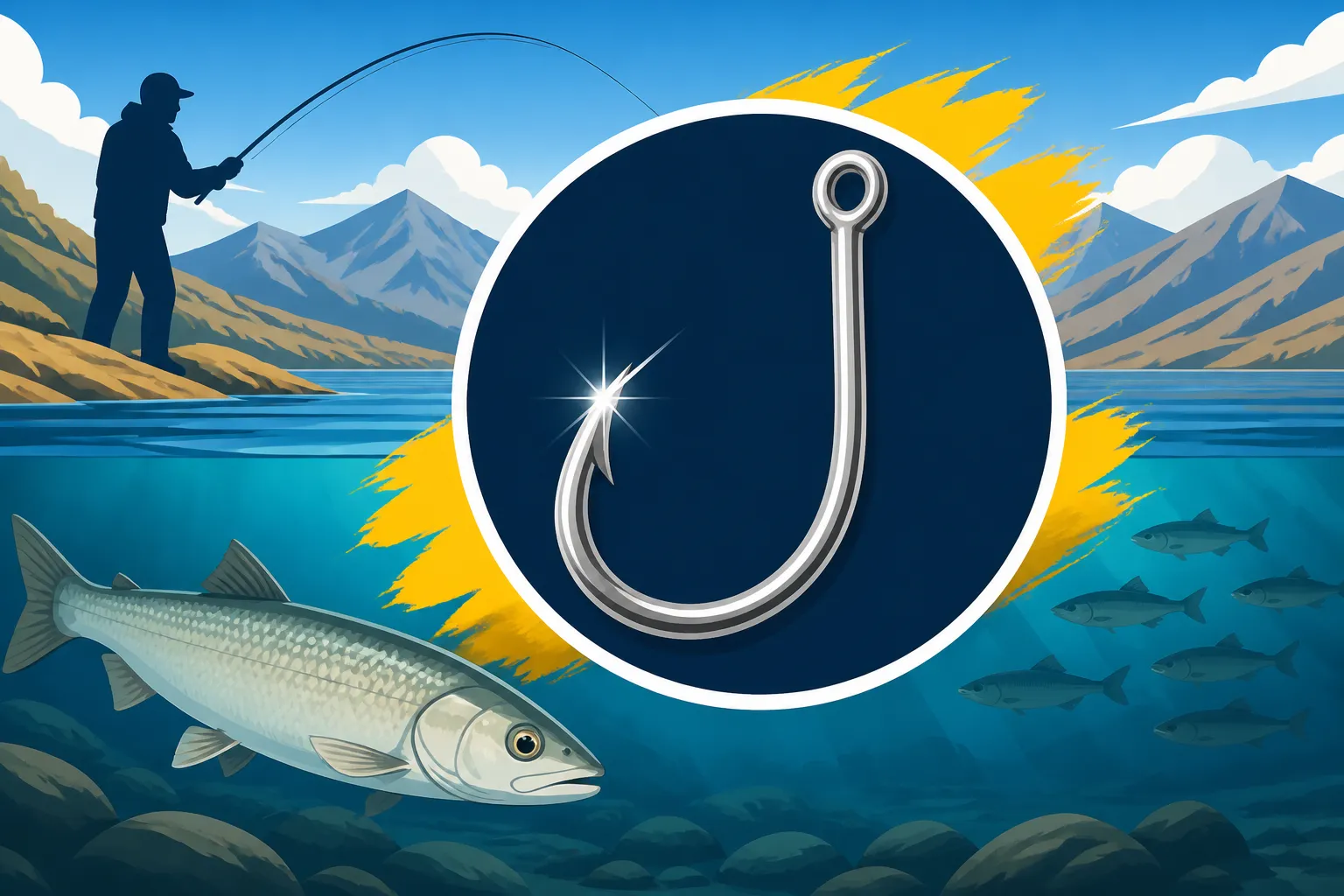
For Bear Lake Cisco, most seasoned anglers will reach for hooks in the #10, #12, or even #14 range. These are tiny hooks, and the number designation can be confusing for newcomers: remember, the larger the number, the smaller the hook. A #14 hook is much smaller than a #10. These sizes are small enough to be easily ingested by a cisco's mouth, increasing your chances of a solid hook-up when you detect those light bites. Experimentation within this range is often necessary based on the specific conditions and the mood of the fish. Some days, a #10 might work, but on tougher days, dropping down to a #12 or #14 can make all the difference. It's often the difference between a few fish and a full bucket.
Choosing Between Treble and Single Hooks
Both single and treble hooks have their place in cisco fishing, and each comes with its own set of advantages and disadvantages.
- Single Hooks: Many anglers prefer single hooks in the #10 to #14 size range. They are generally considered less harmful to the fish if you plan on practicing catch and release, as there's only one point to contend with. They also tend to be easier to remove once the fish is landed. When jigging tiny spoons or small tube jigs, a single hook can be very effective, especially if you're tipping it with a piece of mealworm or chub meat. The simplicity allows for a very natural presentation, which can be critical for wary cisco.
- Treble Hooks: Smaller treble hooks, typically #12 or #14, are often found on many of the commercially available cisco jigs and spoons. The advantage of a treble hook is that it offers three points of contact, theoretically increasing your chances of hooking a fish, even with a subtle bite. Some anglers feel that treble hooks provide a better "stick" when the fish just mouths the bait. However, they can cause more damage to a fish if it swallows the lure, making release more difficult. If you're using something like a small jigging Rap or similar lure designed for cisco, it will often come equipped with a small treble. For more information on fishing this technique, check out How to Rig a Jigging Rap for Cisco at Bear Lake.
Many anglers carry a mix, opting for single hooks when bait fishing and treble hooks when using micro-spoons or jigging raps. The choice often boils down to personal preference and how the fish are biting on a given day.
Factors Influencing Hook Size Selection
While #10 to #14 hooks are your general starting point for Bear Lake Cisco, a few other factors can subtly influence your final decision. Successful cisco fishing is often about adapting to the moment.
Bait Size and Presentation
The size of your bait is inextricably linked to your hook size. If you're using tiny pieces of chub meat, mealworms, or corn, a small #12 or #14 hook will present that bait most naturally and effectively. The hook should complement the bait, not overpower it. You want the fish to focus on the bait, not the shiny piece of metal. Imagine a tiny mealworm barely covering the hook point; that's the ideal scenario. If your bait is too large for your hook, it can mask the hook point, leading to missed bites. Conversely, using a hook that's too big for your bait will make the entire presentation look unnatural and might deter finicky cisco. For more specific bait recommendations, you might find What Bait Works Best During the Bear Lake Cisco Run? helpful.
Water Conditions and Visibility
Water conditions, particularly clarity, can play a role. In very clear water, which Bear Lake often boasts, cisco can be incredibly finicky. They have excellent eyesight and can easily spot unnatural presentations. In these conditions, going with the absolute smallest hook you can manage, like a #14, and pairing it with a light fluorocarbon leader can make a huge difference. The goal is to make the bait appear as natural and suspended as possible. If the water has a slight tint or cloudiness, you might get away with a slightly larger hook, perhaps a #10, as the fish might be less able to scrutinize your tackle. However, Bear Lake is generally known for its pristine, clear waters, so stealth is usually the best approach.
Fishing Method (Jigging vs. Bait Fishing)
Your chosen fishing method also dictates hook preference.
- Bait Fishing: When still-fishing with bait, often suspended just above the lakebed or at a specific depth, single hooks in the #12 to #14 range are ideal. This method typically involves delicate dead-sticking or very subtle lifts, and a single hook allows the bait to flutter naturally. A very light line is also essential to ensure that the bait behaves realistically in the water.
- Jigging: If you're actively jigging, using small spoons, plastic jigs, or tiny jigging raps (often during the famous Bear Lake Cisco Run Fishing Spots in January), these lures often come pre-rigged with small treble hooks. If you're adding bait to a jig, like a small piece of chub, ensure the hook point remains exposed. When buying jigs or spoons specifically for cisco, pay close attention to the size of the factory hook. If it seems too large, don't hesitate to swap it out for a smaller, sharper one. Some anglers even use tiny, bare jigs with a single hook, tipped with a mealworm, for a subtle presentation.
Rigging and Presentation Tips for Cisco
Getting the hook size right is a huge part of the battle, but it's only one piece of the puzzle. Proper rigging and presentation are equally vital to trick these discerning fish.
Essential Terminal Tackle
Beyond the hook itself, the rest of your terminal tackle needs to be scaled down to match the delicate nature of cisco fishing.
- Light Line: Opt for very light monofilament or fluorocarbon line, typically 2-4 pound test. This minimizes line visibility and allows your tiny hooks and baits to drift and flutter naturally. Heavier lines will make your presentation look stiff and unnatural, and cisco will shy away. Fluorocarbon is often preferred for its invisibility underwater and its low stretch, which helps detect those incredibly light bites.
- Small Swivels and Leaders: If you're using a swivel, make sure it's the absolute smallest you can find – often size 10 or 12 barrel swivels. These are used to prevent line twist and connect your main line to a short leader (12-24 inches) of even finer fluorocarbon. The goal is to keep everything as inconspicuous as possible.
- Tiny Weights: For bait fishing, you'll want split shot sinkers that are just heavy enough to get your bait down to the desired depth. Often, one or two tiny #7 or #5 split shot is all you need. You want the bait to descend slowly and naturally, mimicking a plankton bloom or a drifting insect. Overweighting your line will make the presentation clunky and can scare fish.
Using oversized components throughout your rig will negate the advantage of your perfectly sized small hook. Utah Fishing Gear Guide offers more general advice on scaling down your tackle.
The Art of the Subtle Bite
Cisco bites are notoriously subtle, often feeling like nothing more than a slight tap, a sudden feeling of "weight" on your line, or a tiny twitch of your rod tip. This is where your chosen hook size and sensitive tackle truly shine.
- Watch Your Rod Tip: If you're ice fishing, a spring bobber or a very sensitive noodle rod tip is practically mandatory. Any slight bend or movement could indicate a cisco. When shore fishing or from a boat, watch your line where it enters the water for the faintest twitch.
- Feel the Weight: Sometimes, instead of a tap, you'll just feel a sudden, slight pressure or "heaviness" on your line. This is often a cisco that has inhaled your bait and is just sitting there.
- Don't Over-Set the Hook: When you detect a bite, don't rear back and try to set the hook like you're trying to move a boulder. A quick, gentle lift or a short, sharp snap of the wrist is usually all that's needed to bury a tiny, sharp hook into a cisco's delicate mouth. Too much force can tear the hook out or damage the fish's soft tissues. It's a finesse game, requiring patience and a light touch. You'll miss some, and that's okay, but with the right hook and a sensitive approach, you'll start converting those bumps into catches.
Where to Find the Right Hooks
Finding specialized small hooks for cisco fishing isn't always as simple as grabbing any hook off the shelf. You might need to look in specific places or be willing to order online.
Local Bait Shops vs. Large Retailers
- Local Bait Shops: Your absolute best bet for finding the right, specialized hooks for Bear Lake Cisco is often a local bait and tackle shop situated near Bear Lake itself, or any well-stocked shop along the Wasatch Front. These shops cater specifically to the local angling community and understand the unique needs of cisco fishing. They'll often have dedicated sections for cisco tackle, including the precise small hooks you need, along with appropriate baits like chub meat. The staff can also offer invaluable, up-to-the-minute advice.
- Large Retailers: Larger sporting goods stores like Bass Pro Shops might carry a broader range of hooks, but you'll need to know exactly what you're looking for. Head to the panfish or ice fishing sections, where you're more likely to find the smaller sizes. While they might not have a "cisco" specific section, their general selection of small, sharp hooks from reputable brands will likely suffice. Just be prepared to do a bit more searching.
Online Options for Niche Gear
For an even wider selection, especially of niche brands or specific hook styles that might be harder to find locally, online retailers are an excellent resource. Websites like Amazon, or specialized fishing tackle stores online, often have an extensive inventory of small hooks in sizes #10, #12, and #14. You can often find specific models designed for ice fishing or panfish that are perfect for cisco. Ordering online allows you to compare different brands and styles from the comfort of your home, and often, you can find multipacks of these tiny hooks, which is great because they're easy to lose! When buying online, always double-check the hook size conversion charts if you're unfamiliar with the numbering system, as international brands can sometimes vary slightly.
Here's a quick reference table for hook sizes and their general application for Bear Lake Cisco:
| Hook Size (Number) | Common Bait/Lure Type | Primary Fishing Method | Key Advantage | Notes |
|---|---|---|---|---|
| #10 Single | Small chub meat, powerbait, mealworm | Bait fishing, jigging | Slightly larger, good for more active bites | Can be a good starting point if cisco are aggressive |
| #12 Single | Tiny chub meat, wax worms, maggots | Bait fishing, finesse jigging | Excellent all-around size for finicky cisco | Great for delicate presentations |
| #14 Single | Very small bait fragments, bare | Finesse bait fishing | Maximizes bite-to-hookup ratio for ultra-light bites | Best for the most difficult, light-biting conditions |
| #12 Treble | Small spoons, micro jigs, jigging raps | Jigging | Three points of contact for better hook-ups | Can be harder to remove, higher chance of foul-hooking |
| #14 Treble | Ultra-light micro jigs, tiny spoons | Jigging | Ideal for tiny lures and very delicate takes | The smallest available, requires very precise handling |
This table should give you a good idea of where to start your hook selection. Remember, having a variety of these small hooks in your tackle box will prepare you for any situation Bear Lake throws your way. Pairing the right hook with a sensitive rod and light line, as discussed in the Utah Ice Fishing Gear Guide if you're out in winter, will greatly improve your success.
Ultimately, mastering the art of catching Bear Lake Cisco comes down to attention to detail, and choosing the correct hook size is arguably the most crucial detail of all. Pay close attention to these tiny tools, and you'll find your frustrations turning into celebrations on the ice or water.
Disclaimer
This article is for general informational purposes only and does not constitute professional advice. Laws, prices and regulations vary by location and change over time. Consult a qualified professional for guidance on your specific situation.