Trolling Motor Thrust Needed for a Utah Reservoir Boat
Trying to figure out the right trolling motor thrust for your Utah fishing boat can feel like a real head-scratcher. You want enough power to handle our unpredictable winds and currents, but you don't want to overspend or weigh down your rig with unnecessary batteries. This guide is here to cut through the confusion and help you confidently choose the ideal thrust for your adventures on Utah's incredible reservoirs.
Understanding Trolling Motor Thrust Basics for Utah's Waters
Before we dive into numbers, let's get a clear picture of what "thrust" actually means in the world of trolling motors. It’s not about horsepower in the traditional sense; it’s about pushing power. And on Utah’s diverse and often challenging waters, having the right amount of that pushing power can make or break your fishing day.
What "Thrust" Really Means on the Water
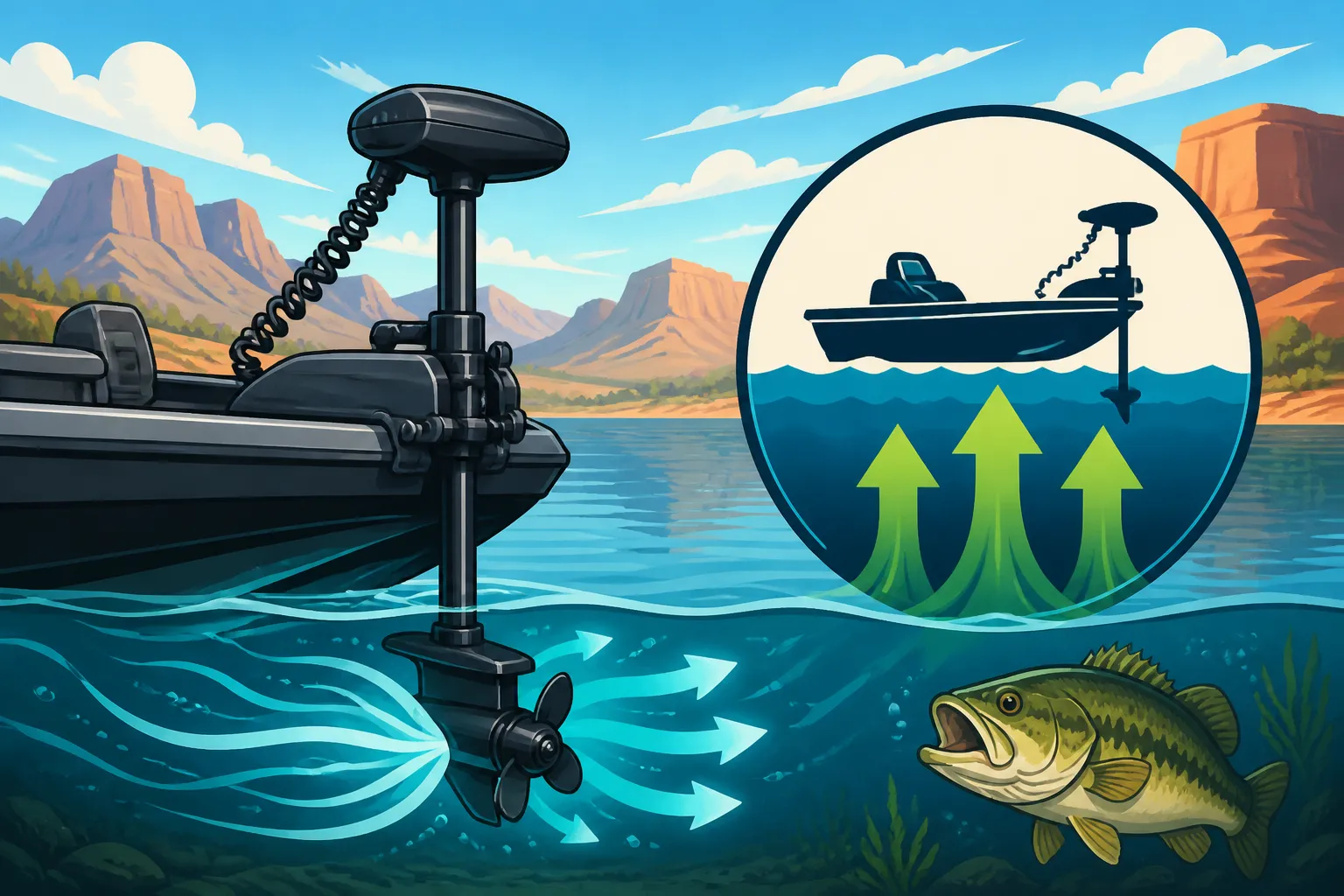
When you see a trolling motor rated for "pounds of thrust," it's essentially a measurement of the static pushing or pulling force it can generate. Think of it as how much muscle the motor has to move your boat through the water, or perhaps more importantly in Utah, hold it against current or wind. Unlike an outboard engine that's designed for speed, a trolling motor is all about slow, controlled movement, precise positioning, and stealth.
For anglers on Utah's reservoirs, this pushing power is critical. Imagine trying to hold your boat over a prime fishing structure on Strawberry Reservoir when a sudden afternoon breeze kicks up. Or delicately navigating the submerged timber at Lake Powell without drifting off your spot. Your trolling motor's thrust is what gives you that control. It's the silent workhorse that lets you focus on fishing, not fighting the elements. Factors like boat size, weight, and the typical conditions you fish in will all influence how much thrust you truly need.
The Importance of Weight: Your Boat's Biggest Factor
The single most significant factor in determining how much thrust you need is the total weight of your boat when it's fully loaded and ready to fish. This isn't just the dry weight listed in your boat's specifications. Oh no, that's just the starting point! You have to account for absolutely everything you typically carry on board.
Think about it: your actual boat weight includes the hull itself, the main outboard motor, a full tank of fuel, all your fishing gear (rods, tackle boxes, nets, livewell full of water), coolers packed with drinks and snacks, anchor, safety equipment, and, of course, yourself and any fishing buddies. Even a few decent-sized trout in the livewell add up! An 18-foot fiberglass bass boat might weigh 1,500 pounds dry, but by the time you add all that gear and a couple of anglers, you could easily be pushing 2,500 to 3,000 pounds or more. An aluminum V-hull or pontoon boat will have different base weights but will accumulate additional weight just the same. Many anglers often underestimate this total weight, which can lead to purchasing an underpowered trolling motor and a whole lot of frustration on the water.
Calculating Your Ideal Thrust: The "Rule of Thumb" and Beyond
So, how do you actually figure out the right amount of thrust? There's a widely accepted starting point, but then you need to consider Utah's specific fishing environment.
The 2 Lbs. per 100 Lbs. Rule of Thumb
The most common and helpful guideline for choosing trolling motor thrust is simple: you generally want at least 2 pounds of thrust for every 100 pounds of your fully loaded boat's weight.
Let's walk through an example. Say you have an 18-foot aluminum V-hull fishing boat.
- Boat (hull, motor, fuel): 1,800 lbs.
- Gear (tackle, rods, safety, anchor): 200 lbs.
- Two anglers: 400 lbs.
- Full livewell, cooler, miscellaneous: 100 lbs.
- Total estimated loaded weight: 2,500 lbs.
Using the rule of thumb: 2,500 lbs / 100 lbs = 25. Then, 25 x 2 lbs of thrust = 50 lbs of thrust.
So, a 50-pound thrust motor would be your minimum starting point. However, this is just a baseline. Many experienced anglers in Utah will tell you that a little extra power is almost always better, especially given the conditions we often face. This is where moving "beyond" the rule of thumb comes in. If your calculation suggests 50 lbs, seriously consider bumping up to 55 lbs, or even 70 lbs if your budget and battery setup allows. It's an investment in your fishing experience.
Factors That Demand More Thrust in Utah
While the 2 lbs per 100 lbs rule is a solid foundation, Utah's unique fishing landscape often necessitates a bit more oomph from your trolling motor. Ignoring these factors can lead to a motor that struggles when you need it most.
Wind and Waves
Anyone who has fished on larger Utah reservoirs like Willard Bay, Bear Lake, or Flaming Gorge knows that the wind can pick up out of nowhere. A calm morning can turn into whitecaps by afternoon, making boat positioning a nightmare. How Wind Affects Fishing on Utah Reservoirs is a real phenomenon. A higher thrust motor allows you to effectively combat these conditions, holding your boat steady on a structure or slowly working a shoreline without being blown around like a leaf. An underpowered motor will simply be overwhelmed, leaving you frustrated and off your spot. If you frequently fish these larger, more exposed bodies of water, bumping up your thrust rating is a smart move. You'll thank yourself when you can maintain control even when the gusts hit.
Currents
While not as prevalent as on rivers, even reservoirs can have subtle, yet impactful, currents. Near river inlets, dam outflows, or in narrow channels, you might encounter currents strong enough to push a lighter boat around. This is especially true at places like the mouths of the Provo River into Utah Lake or the Green River where it enters Flaming Gorge. A higher thrust motor provides the necessary power to overcome these currents, ensuring you can precisely position your boat for optimal casting or jigging. Without it, you could be fighting the current all day, wasting valuable battery power and energy.
Heavy Structure or Weeds
Fishing thick weed beds, submerged brush piles, or flooded timber is often where the big fish hide. But these areas can also snag your boat or create drag. If your trolling motor frequently needs to pull your boat free from weeds or push through dense vegetation, a higher thrust rating will make a significant difference. It reduces the strain on the motor and allows for smoother navigation. Trying to muscle through heavy cover with an underpowered motor can quickly drain your battery and leave you stuck. You want enough power to confidently explore these fishy spots.
Frequent Use
Are you an angler who uses your trolling motor almost constantly throughout the day for precise boat control, long slow trolls, or extensive coverage of an area? If so, more thrust can actually lead to better battery life and less wear on your motor. A higher thrust motor won't have to work as hard (run at higher speeds) to achieve the same movement or holding power as a lower thrust motor. This efficiency means less drain on your batteries and a longer operational lifespan for your motor. Think about all those subtle adjustments you make when chasing walleye at Utah Lake or working a deep drop-off at Fish Lake. Every bit of reserve power helps.
Boat Type and Hull Design
The shape and design of your boat's hull also play a role. A deeper V-hull, common on many larger fishing boats, has more surface area in the water and can be more affected by side winds. Pontoon boats, with their large, flat profiles, are essentially giant sails in a strong breeze. Both types often require more thrust to move and control effectively compared to a sleek, low-profile bass boat or a flat-bottom john boat of similar weight. When considering Best Boats for Utah Reservoir Fishing, remember that the hull type directly impacts your trolling motor needs.
Powering Your Trolling Motor: Battery Considerations
It's not just about the motor; it's about what fuels it. Your battery setup is intrinsically linked to the thrust you choose, and understanding this relationship is key to a successful day on the water.
Voltage and Amperage: The Electrical Side
Trolling motors come in different voltage configurations: 12-volt, 24-volt, and 36-volt.
- 12-volt motors are typically found in lower thrust ratings (30-55 lbs). They run off a single deep-cycle marine battery.
- 24-volt motors usually offer mid-range thrust (60-80 lbs) and require two 12-volt deep-cycle batteries wired in series.
- 36-volt motors are for higher thrust applications (80-112 lbs and up), needing three 12-volt deep-cycle batteries wired in series.
Higher thrust generally requires higher voltage, which means more batteries. This isn't just about power; it's about efficiency. A 36-volt system, for example, draws fewer amps from each battery to produce the same amount of power as a 12-volt system operating at maximum output. This can translate to longer run times and less heat generated by the motor, increasing its overall longevity. Choosing the right voltage system is as important as choosing the right thrust. Make sure your boat has the physical space and wiring capabilities to accommodate the necessary battery bank.
Balancing Thrust, Run Time, and Battery Weight
Here's where the rubber meets the road: the more thrust you demand, the more batteries you'll likely need, and those batteries are heavy. This creates a delicate balancing act on your boat.
- More Thrust: Great for power and control, especially on large, windy reservoirs.
- More Batteries: Essential to power higher thrust motors and provide longer run times.
- More Weight: Each deep-cycle battery can weigh 50-70 pounds. Adding two or three of these can significantly increase your boat's total weight, impacting fuel efficiency for your main engine, how your boat rides, and reducing available storage space.
You need to consider your typical fishing trip. If you only fish for a few hours at a time, a single 12V system might be fine for lighter boats. But if you spend all day chasing fish at Deer Creek Reservoir, constantly moving and adjusting, a 24V or 36V system will give you the confidence that your motor won't die on you before you're ready to head back to the ramp. It’s a classic trade-off: more power and endurance usually mean more weight and a higher initial cost for batteries and a good onboard charger. When you're outfitting your boat, especially from retailers like Bass Pro Shops or online through Amazon, pay close attention to the recommended battery configurations for each motor model.
Practical Applications and Real-World Scenarios in Utah
Let's bring this all back to Utah's unique fishing opportunities and how different bodies of water might influence your trolling motor choice.
Trolling Motor Needs for Specific Utah Reservoirs
Utah's reservoirs vary wildly in size, exposure to wind, and the types of fishing they offer. Your choice of trolling motor should reflect where you spend most of your time.
Flaming Gorge and Lake Powell (Big Water)
These are Utah's behemoths – vast, deep, and often subject to strong winds and chop. If you're tackling the endless coves of Lake Powell or searching for trophy lake trout at Flaming Gorge, you'll want the highest thrust you can reasonably manage. For boats in the 18-22 foot range, 80-112 pounds of thrust is highly recommended. This power allows you to maintain control in challenging conditions, quickly move between spots, and effectively use spot-lock features to hold your position against wind and waves. Trying to manage a larger boat on these waters with less than 70 lbs of thrust can quickly become a white-knuckle experience, especially when you're trying to set up on a school of stripers. Best Fish Finders for Utah Reservoirs are also crucial on these big waters, and a powerful trolling motor helps you effectively use them.
Strawberry and Deer Creek (Medium Water)
Reservoirs like Strawberry, Deer Creek, Jordanelle, and Willard Bay offer fantastic fishing but can still get very windy. For medium-sized boats (16-18 feet) that frequent these waters, a 55-pound to 80-pound thrust motor often strikes a good balance. This range provides ample power for most conditions, allowing you to troll effectively for kokanee or hold over trout schools. If your boat is on the heavier side or you consistently fish on blustery days, lean towards the higher end of this range. On a calmer day, even a 55-lb thrust motor provides great control, but that extra power from an 80-lb motor becomes invaluable when the winds pick up, making it easier to maintain your line.
Community Ponds and Smaller Lakes (Small Water)
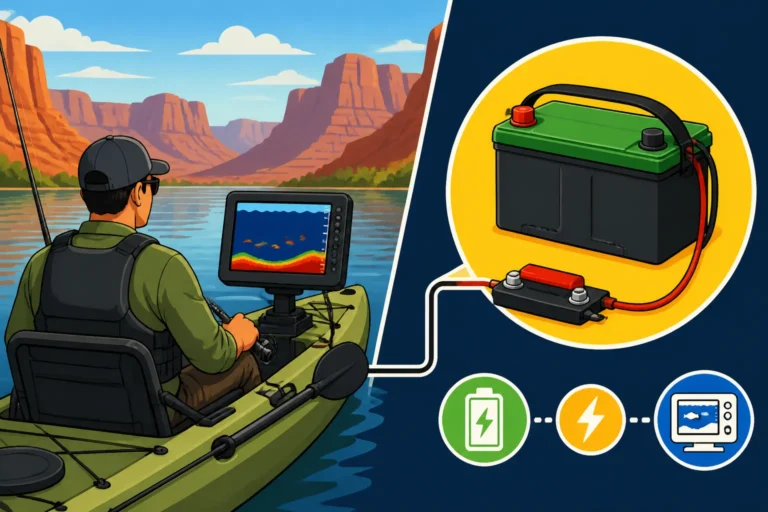
For smaller boats like john boats, canoes, kayaks, or float tubes used on Utah's community ponds, urban fisheries, or high mountain lakes, much less thrust is needed. A 30-pound to 45-pound thrust motor is often perfect. These lighter motors are easier to handle, typically run on a single 12-volt battery (reducing weight), and provide plenty of power for these protected, often calm waters. If you're just looking to quietly navigate a small pond or move your kayak around, you don't need the heavy-duty power of a big reservoir motor. For kayak anglers, even smaller, dedicated motors are available that provide excellent control. Best Kayaks for Utah Lake Fishing often have provisions for small electric motors.
When to Consider an Upgrade or a Different Setup
Sometimes, what you have just isn't cutting it, or your fishing needs change. Here are some signs it might be time to rethink your trolling motor setup:
- Struggling to Hold Position: If your current motor fights a losing battle against wind or current, constantly spinning your boat off target, it's a clear sign you need more thrust. You shouldn't have to work that hard just to stay put.
- Upgrading Your Boat: Moving from a smaller aluminum boat to a larger fiberglass bass boat or a pontoon almost certainly means your old trolling motor won't be powerful enough. Always factor in a new trolling motor when you get a new boat.
- Changing Fishing Techniques: If you're getting into more precise techniques like "spot-locking" on smallmouth bass beds, slowly working deep structure for walleye, or meticulous jigging, you'll appreciate the finer control and holding power of a higher thrust motor. An underpowered motor requires constant attention, pulling you away from the fish finder or your rod tip.
- Frequent Battery Drain: If your batteries are constantly dying prematurely, it could be that your motor is undersized and has to work too hard at higher settings all day, drawing excessive amperage. A motor with higher thrust that can run at a lower, more efficient setting might actually extend your battery life.
When considering an upgrade, don't hesitate to visit a local Bass Pro Shops or browse the extensive selections on Amazon. These retailers often have detailed specifications and customer reviews that can help guide your decision. Always cross-reference the motor's thrust with its voltage requirements and ensure your boat can physically accommodate the necessary battery bank and charger setup. It's about making an informed decision that enhances your time on the water, not adds to your worries. Remember, boat safety equipment, like knowing Life Jacket Requirements on a Utah Boat, is also crucial for any outing.
Here's a handy table to give you a quick reference:
| Boat Type / Typical Length | Estimated Loaded Weight (Lbs) | Recommended Minimum Thrust (Lbs) | Common Voltage System | Ideal Utah Waters |
|---|---|---|---|---|
| Kayak / Canoe (<15 ft) | 200 – 500 | 30 – 45 | 12V | Community Ponds, Small Lakes, Rivers |
| Small Jon Boat (12-14 ft) | 500 – 800 | 45 – 55 | 12V | Smaller Reservoirs, Rivers, Ponds |
| Medium V-Hull (16-17 ft) | 800 – 1,500 | 55 – 70 | 12V / 24V | Medium Reservoirs (e.g., Deer Creek, Willard Bay) |
| Bass Boat / Larger V-Hull (18-20 ft) | 1,500 – 2,500 | 70 – 80 | 24V | Larger Reservoirs (e.g., Strawberry, Utah Lake) |
| Large Bass Boat / Walleye Boat (20+ ft) | 2,500 – 3,500+ | 80 – 112+ | 24V / 36V | Flaming Gorge, Lake Powell, Bear Lake |
| Pontoon Boat (18-24 ft) | 2,000 – 4,000+ | 80 – 112+ | 24V / 36V | Any Large or Medium Reservoir |
Disclaimer
This article is for general informational purposes only and does not constitute professional advice. Laws, prices and regulations vary by location and change over time. Consult a qualified professional for guidance on your specific situation.