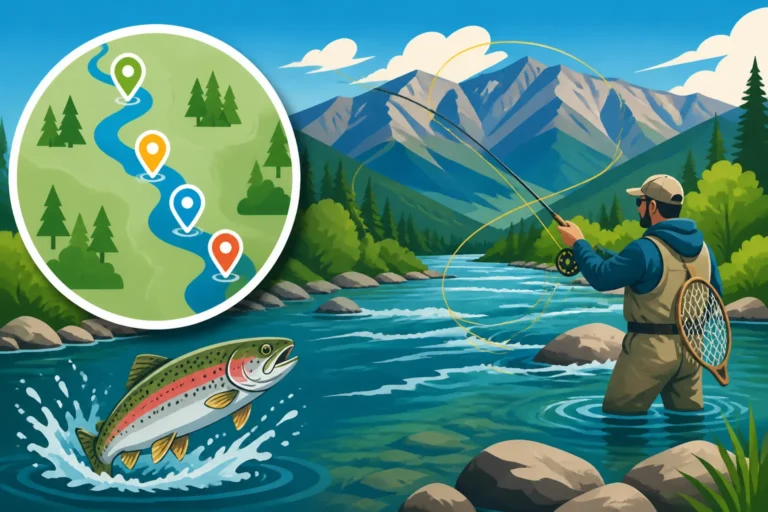
Best Fishing Spots on the Bear River
Trying to navigate the vast and sometimes temperamental waters of the Bear River for a productive fishing trip can feel like an overwhelming challenge. With its winding path through multiple states and diverse ecosystems, knowing exactly where to drop a line in Utah for the best chance at a bite can be genuinely frustrating. This comprehensive guide is here to cut through the confusion, offering you an in-depth look at the prime fishing spots along the Bear River in Utah, helping you plan your next successful outing.
Understanding the Unique Character of the Bear River Fishery
The Bear River is a truly unique system, carving a path over 500 miles through Wyoming, Idaho, and finally, into Utah, without ever reaching the ocean. Instead, it empties into the Great Salt Lake, making it the largest tributary to that saline expanse. This long journey, influenced by various reservoirs, agricultural diversions, and natural features, means the river's character changes dramatically from one stretch to another. It's not just one type of fishing; it's a dynamic tapestry of opportunities ranging from cold-water trout havens to warmer, slower sections teeming with bass and catfish. Understanding these shifts is the first step to unlocking its full potential.
The Headwaters and Upper Reaches: A Different Vibe
While much of the Bear River's headwaters and higher elevation sections are actually in Wyoming and Idaho, their influence on the river's overall health and the species found downstream is undeniable. These upstream areas are typically colder, clearer, and faster-flowing, often resembling classic mountain trout streams. Fish that thrive in these conditions, primarily various trout species, will often migrate downstream or be influenced by water releases from these areas. For anglers seeking that quintessential trout experience, it’s important to remember that the further upstream you can access the Bear River system, even if it's technically across the state line, the more likely you are to find those pristine cold-water conditions. However, the true "Utah" fishing experience on the main stem Bear River begins as it winds its way into the northern part of the state, often becoming wider and slower.
Navigating Water Clarity and Flow Management
One of the biggest frustrations for anglers on the Bear River in Utah is the often-variable water clarity and flow. This river is heavily managed, with numerous dams and diversions for irrigation, hydroelectric power, and municipal use. This means that flows can change rapidly and dramatically, impacting fishing conditions. Spring runoff from the Uinta Mountains and other tributaries can turn the river into a muddy torrent, making fishing nearly impossible for weeks or even months. Later in the season, lower flows can concentrate fish but also make them more wary. Always check local streamflow data and recent fishing reports before you head out. Understanding how runoff affects Utah River Fishing is crucial for planning your trip. The U.S. Geological Survey (USGS) provides real-time flow data for various gauges along the river, which can be an invaluable tool.
Key Fishing Hotspots Along the Bear River in Utah
When it comes to the Bear River in Utah, anglers will find a mix of species and environments. The river here can be quite wide and slow, especially as it approaches the Great Salt Lake, but there are still excellent opportunities, particularly for those willing to explore.
Below Bear Lake Near Bear River City
This section of the Bear River, after it flows out of Bear Lake and makes its way through Cache and Box Elder counties, is arguably one of the most accessible and productive areas in Utah. The river here has slowed significantly compared to its upper reaches and has absorbed tributaries like the Little Bear River, adding to its volume and nutrient load. While it might not always boast crystal-clear water, especially during or after agricultural runoff, it holds a surprisingly diverse population of fish.
Access and Species in Box Elder County
Near Bear River City and points north of Brigham City, you’ll find numerous public access points, though some might require a bit of local knowledge or navigation through farm country. State land and county roads often provide bridge crossings or small parking areas where you can walk down to the bank. This stretch is particularly renowned for its brown trout and rainbow trout, some of which can reach impressive sizes, especially in the deeper runs and pools. It's not uncommon to hook into a 16-inch brown here, a testament to the river's rich food sources. Beyond trout, this warmer, slower water also supports healthy populations of smallmouth bass, channel catfish, and abundant carp. For those who enjoy the fight of a carp, this section can be fantastic, offering strong pulls on medium-heavy tackle. You might also find other species like suckers and northern pike in certain areas. Remember to check the Utah Fishing Regulations Explained before you head out, as rules can vary by specific water bodies. If you're looking for a guided experience to navigate these waters, a quick search on platforms like FishingBooker can connect you with local experts who know the nuances of these stretches.
Best Techniques for This Section
For trout, traditional spin-fishing with baits like PowerBait, worms, or small spinners (Mepps, Panther Martin) can be very effective, especially near deeper bends and undercut banks. Fly anglers can find success with streamers, nymphs, and sometimes dry flies during hatches. For smallmouth bass, small crankbaits, jigs, and soft plastics fished around submerged structure or rocky banks work well. Catfish anglers will do best with cut bait, stink baits, or worms fished on the bottom. And for carp, corn, bread, or dough balls are classic and highly effective baits. Consider reviewing Utah Trout Fishing Tips or Utah Bass Fishing Techniques for more specific guidance relevant to these fish.
Cutler Reservoir and Associated Tributaries
Just upstream from the main Bear River City section, where the Little Bear River and other drainages meet the Bear River, lies Cutler Reservoir. While technically a reservoir, its connection to the river system means it's an integral part of the Bear River fishing experience in Utah. The reservoir itself is known for warm-water species, but the inflowing and outflowing river sections, as well as the feeder streams, offer varied opportunities.
Cutler Reservoir's Warm-Water Bounty
Cutler Reservoir is a fantastic spot for channel catfish, carp, and walleye. It’s a shallower, warmer body of water that can become quite weedy in summer, making boat access a bit more challenging, but shore fishing can still be productive. If you're targeting walleye, which can grow to respectable sizes here, try jigging with live bait or casting crankbaits near drop-offs and structure, especially during low-light hours. For an in-depth look at this popular game fish, our Utah Walleye Fishing Guide offers excellent advice. The reservoir also provides great opportunities for panfish, like bluegill and perch, which can be a blast for kids or beginner anglers.
Fishing the Bear River Inlet and Outlet
The sections of the Bear River entering and exiting Cutler Reservoir can offer exciting fishing, particularly during migratory periods. Fish often stack up at these transition points, either moving into the cooler river water from the reservoir or vice-versa, depending on the season and water temperature. The outlet, below the dam, can be a great place for trout that have washed through the system or are moving upstream from the main river. Access around dams can sometimes be restricted or require careful navigation, so always pay attention to signage.
Below Cutler Reservoir Towards the Great Salt Lake
As the Bear River continues its journey past Cutler Reservoir and further south towards the Great Salt Lake, it widens considerably and often becomes even slower and murkier. This section is heavily influenced by agricultural lands and becomes more saline as it approaches the lake. While less known for traditional trout fishing, it offers unique opportunities for warm-water species and even some truly massive carp.
The Bear River Migratory Bird Refuge Area
This vast area, managed by the U.S. Fish and Wildlife Service, is primarily a bird habitat, but certain sections of the river that flow through or adjacent to it can be fished. Access might be more limited due to the refuge's primary mission, and specific rules apply, so always check with the refuge headquarters before planning a trip. This area is a prime spot for carp and large catfish, as the nutrient-rich, slow-moving water provides an ideal environment for them to grow large. Anglers targeting these species often use heavy tackle and robust baits.
Tips for Success in the Lower River
Patience is key in these lower, slower sections. The fish are there, but they might not be as aggressive as in faster-moving, colder water. Using strong lines and hooks is advisable, especially for the formidable carp and catfish that call this area home. The Utah Fishing Season Dates and Limits are particularly important here, as some areas might have seasonal closures or specific regulations to protect wildlife or migratory birds. If you're venturing into less-traveled areas, consider hiring a local guide through a service like FishingBooker for safe and effective navigation. They can help you identify access points and productive stretches you might otherwise miss.
Essential Tips for Fishing the Bear River
Fishing a river as dynamic as the Bear River requires adaptability and preparation. Here are some key considerations to help you make the most of your trip.
Gear and Tackle Considerations
Given the varied conditions and species, a versatile fishing setup is your best bet. A medium-action spinning rod (6-7 feet) spooled with 8-12 lb monofilament or fluorocarbon line will handle most situations, from casting spinners for trout to soaking bait for catfish. For those specifically targeting larger carp or catfish, a heavier action rod and stronger line might be warranted. Don't forget a good selection of hooks, sinkers, and swivels. For fly anglers, a 5 or 6-weight rod is a good all-around choice.
When it comes to terminal tackle, pack a variety:
- Baits: Worms, PowerBait, corn, stink baits, cut bait.
- Lures: Small spinners (size 0-3), small crankbaits, soft plastics (grubs, worms), jigs.
- Flies: Streamers (Woolly Buggers), nymphs (Pheasant Tail, Hare's Ear), caddis and mayfly dry patterns for specific hatches.
Our Utah Fishing Gear Guide can provide a more comprehensive list of what you might need.
Accessing the River Responsibly
Public access points exist, but the Bear River flows through a lot of private and agricultural land. Always respect private property, avoid trespassing, and be mindful of farm operations. Look for designated public access areas, bridge crossings, or state-managed lands. Some sections might be best accessed by float tube or kayak, but be aware of currents and potential hazards, especially in faster-moving sections or near diversions. Before launching any watercraft, ensure you comply with Utah Boating and Fishing Rules, including any AIS inspection requirements.
Seasonal Strategies
The Bear River fishes differently throughout the year.
- Spring: Can be tough due to runoff. Wait for flows to drop and water to clear. As waters warm, trout become more active.
- Summer: Excellent for warm-water species like bass, catfish, and carp, especially in the slower, lower sections. Trout fishing might be best very early or late in the day in cooler stretches.
- Fall: Often considered prime time for trout, particularly brown trout, as they become more active before spawning. Water temperatures are ideal, and flows are usually stable.
- Winter: Ice fishing opportunities are limited on the main river due to flowing water, but some backwaters or adjacent ponds might freeze. Open water fishing for trout can still be productive on warmer winter days. Knowing the Best Time of Year to Fish in Utah can significantly improve your odds.
Licensing and Regulations
Before you even think about wetting a line, make sure you have a valid Utah Fishing License. You can easily buy a Utah Fishing License Online Purchase Process, and it's essential to carry proof of your license while fishing. Always be aware of the daily bag and possession limits for each species and any specific regulations for the particular stretch of the Bear River you are fishing. These rules are in place to conserve fish populations and ensure sustainable angling for everyone.
| Section of Bear River | Primary Species | Best Time of Year | Recommended Techniques | Special Considerations |
|---|---|---|---|---|
| Below Bear Lake (Box Elder Co.) | Brown Trout, Rainbow Trout, Smallmouth Bass, Channel Catfish, Carp | Spring (post-runoff), Fall | Spin fishing (bait/lures), Fly fishing (streamers/nymphs), Bottom fishing (catfish/carp) | Variable clarity, public access points near bridges |
| Cutler Reservoir | Walleye, Channel Catfish, Carp, Perch, Bluegill | Summer, Early Fall | Jigging, Trolling, Bottom fishing, Still fishing | Can be weedy, boat ramps available |
| Lower River (near Bird Refuge) | Carp, Channel Catfish | Summer | Heavy tackle, Bottom fishing with robust baits | Limited access, check refuge rules |
Planning Your Bear River Adventure
The Bear River, with its diverse fish populations and changing character, offers a unique angling experience in Utah. Whether you're chasing trophy brown trout in a clearer run, battling a giant carp in the lower stretches, or enjoying a day of warm-water species at Cutler Reservoir, there's something for every angler. Don't be discouraged by its size or variability; with a little research and the right approach, you can unlock some truly memorable fishing. And if you're ever in doubt about the best approach or looking for specific insights, considering a local guide through platforms like FishingBooker can turn a confusing day into a fantastic adventure, providing invaluable local knowledge and increasing your chances of success.
Disclaimer
The information provided in this guide is for general informational purposes only and does not constitute professional advice. Fishing conditions, regulations, and access points can change frequently. Always consult the latest Utah Division of Wildlife Resources (UDWR) regulations, check local weather and streamflow conditions, and obtain necessary licenses before planning any fishing trip. Property boundaries and public access may vary, so always respect private property and be aware of your surroundings.