Zion National Park Fishing Spots
Many folks planning a trip to Utah envision Zion National Park for its towering sandstone cliffs and breathtaking hikes, but they rarely consider it a prime fishing destination. The truth is, while it's not your typical trophy lake, Zion offers a surprisingly unique and deeply rewarding angling experience, especially for those seeking solitude and native fish in an unparalleled natural setting. This guide will walk you through the hidden fishing gems within Zion, help you understand the specific rules, and prepare you for a truly memorable day on the water.
What Makes Zion National Park Unique for Anglers
Zion National Park is undeniably a hiker's paradise, but beneath the towering cliffs and through the iconic canyons, a vibrant aquatic ecosystem thrives. Many anglers overlook Zion, assuming that national parks are either closed to fishing or offer only meager opportunities. This couldn't be further from the truth. While different from a vast reservoir, Zion presents a special challenge and reward, focusing heavily on native species and a deep appreciation for the pristine environment.
Beyond the Hiking Trails: A Different Perspective
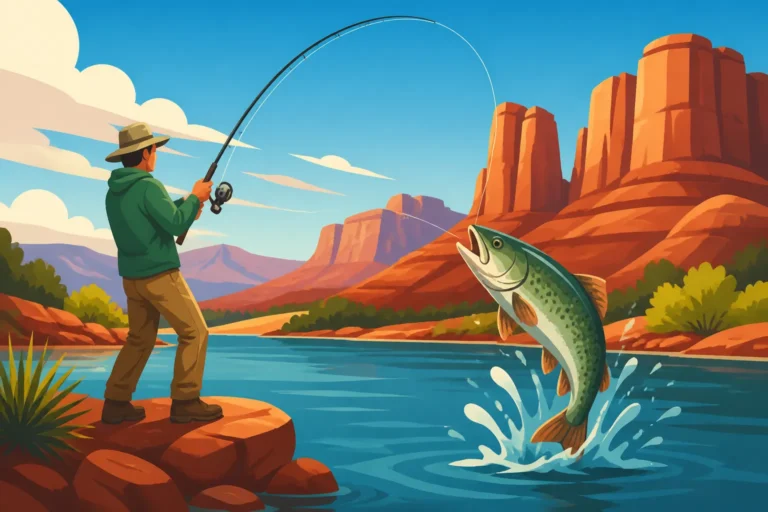
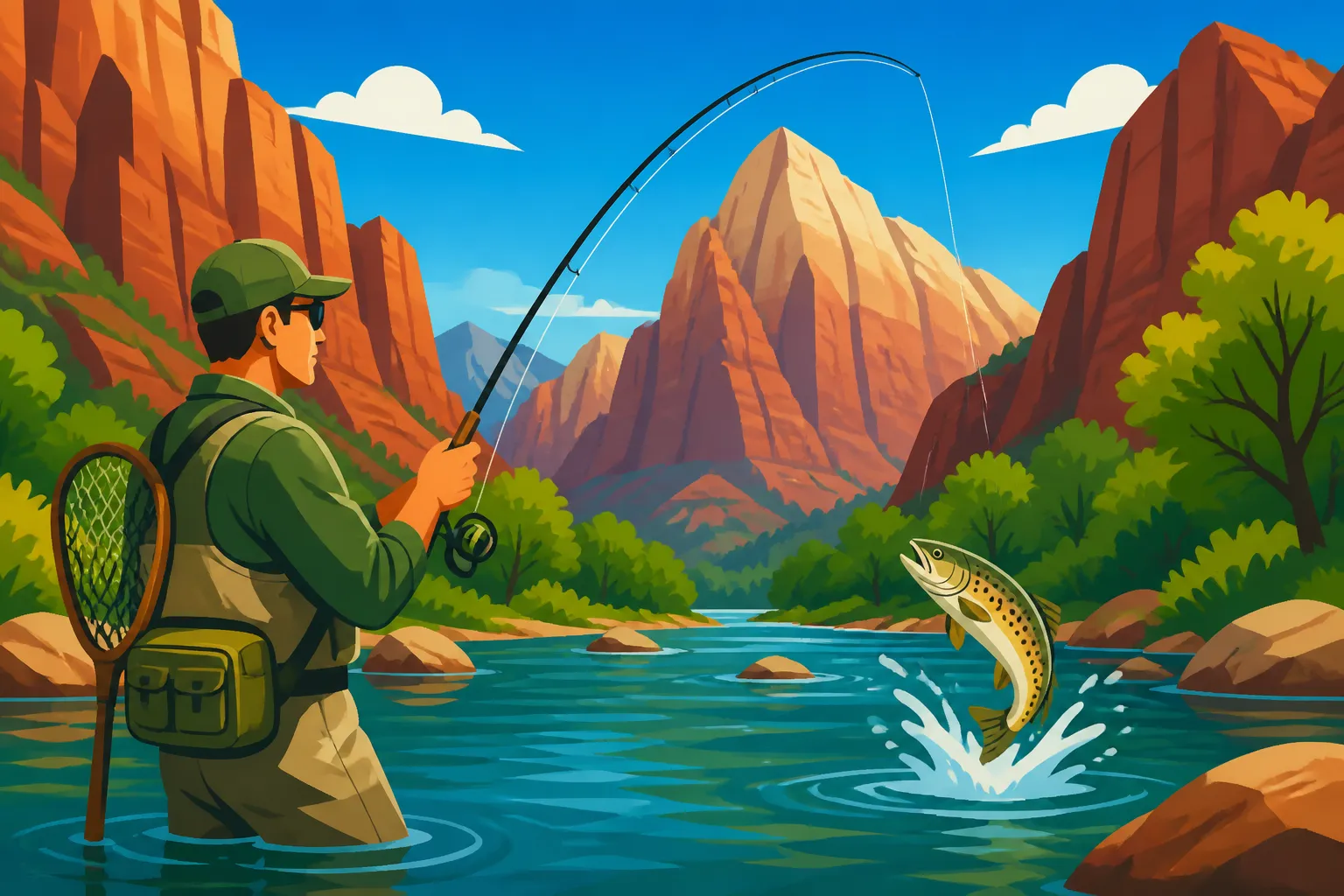
Imagine standing knee-deep in a crystal-clear river, surrounded by the majestic red rock walls of Zion Canyon, the only sounds being the gentle rush of water and the occasional chirp of a bird. This isn't just a fantasy; it's a tangible experience available to those who venture off the beaten path, past the crowded shuttles and popular viewpoints. Fishing in Zion offers a profound sense of solitude and connection to nature that's hard to find in other, more heavily trafficked fishing locales. It’s a chance to see the park from a unique perspective, appreciating its quiet beauty and the delicate balance of its ecosystems.
The Virgin River, Zion's lifeblood, flows through the heart of the park, carving the canyons and sustaining a unique community of fish. Unlike many well-stocked lakes or heavily managed rivers, fishing here is about the experience, the challenge, and the connection with truly wild, native species. You're not just catching fish; you're participating in the ongoing story of this ancient landscape.
Understanding the Unique Ecosystem
The Virgin River ecosystem is incredibly special, primarily designated as a Wild and Scenic River. This status emphasizes its free-flowing nature and outstanding natural values, which include its unique fish populations. The river is home to several native species that have adapted to its often-flashy flows and distinct water chemistry. These native fish, such as the Virgin River chub and speckled dace, are not typically targeted by anglers, but their presence is a testament to the health of the river.
For anglers, the focus will often be on the native Virgin River strain of the Bonneville Cutthroat Trout, or perhaps even some rainbow trout that have migrated into the system or been stocked nearby and made their way into the park's accessible waters. Understanding this ecosystem means recognizing the fragility of these populations and the importance of conservation. It's not about catching the biggest fish, but about respecting the delicate balance and ensuring minimal impact. This ecological awareness enriches the entire fishing experience, turning it into an act of stewardship as much as recreation. You'll find that Zion's regulations are designed to protect these unique fish, making catch and release a common practice and often a mandatory one.
Navigating the Virgin River's Fishing Zones
The Virgin River is the undisputed main event for fishing within Zion National Park. This isn't a vast, sprawling lake, but rather a winding river system that offers diverse opportunities depending on where you access it. Understanding these zones and their nuances is key to a successful and enjoyable outing.
The Main Fork of the Virgin River: Primary Access
The Main Fork of the Virgin River, particularly the section accessible from the Zion Canyon Scenic Drive and its various pull-offs, is where most anglers will focus their efforts. This section of the river flows through the iconic canyon, offering relatively easy access points near popular trails and shuttle stops. While these areas can see heavy foot traffic from hikers, the river itself often provides enough seclusion, especially if you're willing to walk a bit upstream or downstream from the immediate access points.
From the Pa'rus Trail, which runs along the river for a few miles and is one of the few trails in Zion where bikes are allowed, you can find numerous spots to wet a line. The river here tends to be shallower with a mix of riffles, runs, and small pools. These conditions are ideal for sight fishing with light tackle or fly fishing with smaller dry flies, nymphs, or streamers. The accessibility makes it a great spot for beginners or those with limited mobility, but don't let the ease of access fool you; the fish here are wild and can be surprisingly challenging to fool. You're likely to encounter a mix of rainbow trout, brown trout, and occasionally the beautiful native Bonneville cutthroat. Remember that a valid Utah fishing license is absolutely required here, just as it is for any public water in the state. If you're unsure about the specific requirements, our comprehensive guide to the Utah Fishing License Guide can help you get sorted.
Fishing the North Fork of the Virgin River
The North Fork of the Virgin River is arguably the most famous and, perhaps, the most challenging section of river to fish within Zion. This is the fabled water that carves The Narrows, one of the world's most iconic slot canyons. Accessing the North Fork for fishing typically means embarking on a serious backcountry adventure, often involving permits for overnight stays or extensive day hikes.
For the intrepid angler, the rewards can be immense. The deep, cool waters of The Narrows hold some truly spectacular fish, including larger rainbow and brown trout, as well as the more elusive Bonneville cutthroat. These fish see minimal pressure and are often eager to strike well-presented flies or lures. However, the conditions are rugged. You'll be wading through water, sometimes chest-deep, navigating slippery rocks, and potentially dealing with swift currents. This is not a casual fishing trip; it requires proper gear, physical fitness, and a strong understanding of backcountry safety. Before you even think about this, make sure you understand the specific Zion National Park Fishing Rules for this unique area, as they can be stricter due to its wilderness designation.
Targeting Native Species
Fishing in Zion National Park is a unique opportunity to connect with native fish species, primarily the Bonneville Cutthroat Trout. While rainbow and brown trout are present, often through historical stocking efforts in surrounding areas that have migrated into the park, the cutthroat is the true gem. These fish are brilliantly colored and represent a vital part of the Virgin River's natural heritage.
Catching a native cutthroat requires a delicate touch and a respectful approach. They are often more wary than their stocked counterparts, making careful presentations essential. Small nymphs, dry flies that mimic local insect hatches, or tiny spinners can be effective. The focus here is less on size and more on the integrity of the catch – a beautiful wild fish from a spectacular setting. Practicing strict catch and release is paramount for these native populations. Our article on the Utah Cutthroat Trout Guide provides more in-depth information on this specific species, including their habitat and conservation status. Understanding how to properly release a fish without hurting it in Utah is not just a good practice, but a critical one when dealing with sensitive native populations in a national park.
Exploring Minor Tributaries and Secluded Ponds
While the Virgin River gets all the glory, Zion National Park and its surrounding areas also harbor smaller, less obvious fishing opportunities. These spots often require a bit more exploration but can offer unparalleled solitude and a different kind of angling experience.
Brookside Fishing: La Verkin Creek and Taylor Creek
Beyond the main stem of the Virgin River, several smaller tributaries feed into the system. Creeks like La Verkin Creek and Taylor Creek, while often seasonal or lower flow, can offer intimate brookside fishing opportunities. These creeks are typically accessed via backcountry trails, demanding a hike to reach the most promising stretches. The fish found here are usually smaller trout, primarily brook trout or small rainbows, but what they lack in size, they make up for in eagerness and the sheer beauty of their surroundings.
Fishing these smaller waters is often a delightful challenge, requiring stealth and precise casting in tight quarters. Overhanging vegetation, downed trees, and tight bends define the landscape. Light tackle or a short, ultralight fly rod is ideal for navigating these conditions. The experience is less about quantity and more about the quiet satisfaction of finding fish in such pristine, secluded environments. Always be aware of flash flood potential in narrow canyons, especially during monsoon season, and check weather forecasts diligently before venturing into these areas.
Ephemeral Waters and Hidden Pools
During certain times of the year, particularly after snowmelt or significant rainfall, Zion's landscape can temporarily transform, creating ephemeral streams and hidden pools in washes and side canyons. These waters can sometimes hold surprising pockets of fish, often smaller, resilient species that have adapted to intermittent water sources. This is truly "explorer" fishing – there are no guarantees, and many of these spots are transient.
Finding these hidden gems often means consulting topographical maps, observing water flows, and a good deal of hiking off marked trails (where permitted and safe). It's an exercise in patience and discovery, where the reward might not always be a fish, but the profound satisfaction of uncovering a secret corner of the park. Keep in mind that these waters are extremely sensitive, and any fishing activity should be done with the utmost care, ensuring no impact on the environment. Always follow leave no trace principles.
Essential Gear and Techniques for Zion
Fishing in Zion National Park isn't like casting into a wide-open reservoir. The Virgin River and its tributaries demand a more specialized approach, focusing on finesse, careful presentation, and an appreciation for the unique conditions of a high-desert canyon environment.
Fly Fishing Focus: Rods, Reels, and Flies
For many, fly fishing is the quintessential method for Zion's waters. The clear, shallow nature of much of the Virgin River lends itself perfectly to delicate fly presentations. A lightweight fly rod, typically a 3-weight or 4-weight, between 7.5 and 9 feet long, will be your best friend. Pair this with a matching fly reel and a floating fly line. The lighter tackle allows for more sensitive takes and protects the often-smaller fish.
When it comes to flies, think small and realistic. Zion's insects are varied, but common patterns that mimic caddis, mayflies, and stoneflies in their nymph and adult stages are usually effective. Consider carrying a selection of:
- Nymphs: Pheasant Tail, Hare's Ear, Prince Nymph, Copper John in sizes #16-#20.
- Dry Flies: Parachute Adams, Elk Hair Caddis, Blue Wing Olive, Royal Wulff in sizes #14-#20.
- Streamers: Small Woolly Buggers (black or olive) in sizes #10-#14 can sometimes entice larger trout in deeper pools.
Matching the hatch is always key, so pay attention to what insects are flying around or crawling on the rocks. Stealth is also crucial; approach the water slowly, wear natural-colored clothing, and avoid casting a shadow over the water, especially in clear, sunny conditions. For more detailed advice on selecting the right patterns, check out our guide on Best Flies for Utah Trout Streams.
Spin Fishing Alternatives and Lure Selection
While fly fishing is popular, spin fishing is absolutely viable and can be very effective in Zion, especially for anglers who prefer this method or are just starting out. An ultralight spinning rod (4.5 to 6 feet) paired with a small spinning reel spooled with 2-4 pound test monofilament or fluorocarbon line is ideal. This setup provides the sensitivity needed for light bites and the casting ability for small lures.
Lure selection should again lean towards small and subtle. Avoid heavy, splashy lures that might spook fish in the clear water. Excellent choices include:
- Small Spinners: Brands like Mepps or Panther Martin in sizes #0 or #1, with silver, gold, or brass blades, can be incredibly effective, especially in faster riffles and runs.
- Tiny Spoons: Kastmaster or Little Cleo spoons, 1/16 oz to 1/8 oz, in silver or gold, can imitate small baitfish or flashing insects.
- Mini Jigs: Marabou jigs or soft plastic micro-jigs, 1/32 oz to 1/16 oz, in natural colors like white, olive, or black, can be deadly when retrieved slowly through pools.
- Worms/PowerBait: For very accessible areas, especially those that might see some incidental stocking or hold less wary fish, a small piece of PowerBait or a nightcrawler on a small hook (#10-#12) can be surprisingly effective, especially fished under a small bobber.
Always remember that single, barbless hooks are highly recommended, and often required, in catch-and-release areas within national parks to minimize harm to the fish.
Wading Safety and Footwear
The Virgin River, even in its shallower sections, demands respect. The riverbed is often composed of slippery rocks and uneven surfaces, making proper footwear essential. Felt-soled wading boots provide the best grip on slick rocks, though rubber soles with studs can also work well. Good quality waders (either chest waders or wading pants, depending on the season and expected water depth) will keep you dry and comfortable. In summer, you might opt for quick-drying shorts and sturdy wading sandals, but be prepared for cold water, especially in shaded canyon sections.
Wading staffs are not just for the famous Narrows hike; they are invaluable tools for any angler navigating Zion's river. They provide stability, help you probe water depth, and prevent falls. Always wade cautiously, testing each step before committing your weight. Be mindful of sudden drop-offs or swift currents, especially after rain. Your safety should always be your top priority, even before finding that perfect fishing hole.
Regulations and Conservation for Responsible Angling
Fishing in a national park carries a special responsibility. Zion National Park is not just a recreational area; it's a protected wilderness, home to delicate ecosystems and unique native species. Understanding and adhering to the specific regulations is paramount to preserving this incredible resource for generations to come.
Specific Zion National Park Fishing Rules
The general Utah Fishing Regulations Explained apply within Zion National Park, but there are often additional, more stringent rules specific to the park or even certain sections of the river. These are designed to protect the park's natural resources, particularly its native fish populations.
Key regulations typically include:
- Valid Utah Fishing License: Absolutely non-negotiable. Everyone aged 12 and older needs a valid Utah fishing license. You can learn more about the specific Utah Fishing License Age Requirements in our detailed guide. If you don't have one, our article on How to Buy a Utah Fishing License walks you through the process.
- Catch-and-Release Only: Many sections of the Virgin River within the park are designated as catch-and-release only for all species. This is crucial for maintaining healthy wild populations, especially for native fish. Always confirm the specific regulations for the stretch of river you intend to fish. Our guide to Utah Catch-and-Release Waters highlights many such areas across the state.
- Artificial Lures and Flies Only: Often, bait (like worms or PowerBait) is prohibited to prevent the introduction of non-native species or diseases, and to minimize harm to fish. Single, barbless hooks are almost universally required or strongly recommended to ensure minimal injury to released fish.
- No Live Baitfish: This is a critical rule across Utah to prevent the spread of aquatic invasive species, but especially important in pristine park waters.
- Area Closures: Certain areas or specific sections of the river may be temporarily or permanently closed to fishing to protect spawning fish, sensitive habitats, or for visitor safety during high water. Always check with the National Park Service visitor center or their official website for the most current information before heading out.
Ignoring these rules can result in hefty fines and jeopardize future fishing access to these pristine waters. Do your homework, ask questions, and fish responsibly.
The Importance of Catch and Release
In a sensitive environment like Zion National Park, catch and release isn't just a suggestion; it's a philosophy. The native fish populations, particularly the Bonneville Cutthroat Trout, are a precious resource. Releasing fish unharmed ensures that these populations can continue to thrive and reproduce naturally.
To practice effective catch and release:
- Handle Fish Minimally: Try to keep the fish in the water as much as possible. If you must remove it, do so quickly.
- Wet Hands: Always wet your hands before touching a fish to protect its protective slime coat.
- Use Barbless Hooks: Pinching down barbs makes hook removal much easier and less damaging.
- Support the Fish: Support the fish horizontally, especially larger ones, to avoid damaging internal organs.
- Revive Gently: If the fish seems sluggish, hold it gently in the current, facing upstream, until it swims away under its own power. Avoid squeezing or shaking the fish.
Our detailed guide on How to Release a Fish Without Hurting It in Utah offers more in-depth techniques and best practices to ensure a healthy release. This commitment to conservation is part of what makes fishing in Zion so special.
Protecting Native Fish Populations
Beyond general catch and release, active measures are in place to protect Zion's native fish. The Virgin River chub, Virgin spinedace, woundfin, and speckled dace are all native species found within the park. While anglers primarily target trout, the presence and health of these other native fish are indicators of the overall health of the ecosystem.
The greatest threats to these native species often come from habitat degradation, water diversion, and the introduction of non-native fish, which can outcompete them for resources or prey on their young. By strictly adhering to the park's regulations, particularly those regarding bait and invasive species prevention (like cleaning your gear thoroughly), anglers play a crucial role in safeguarding these unique populations. The health of the Virgin River and its native inhabitants is a delicate balance, and every angler has a part to play in its preservation.
Planning Your Zion Fishing Adventure
A fishing trip to Zion National Park is a little different from just pulling up to a stocked pond. It requires a bit more planning and a deeper understanding of the park's unique logistics and environment. But with the right preparation, it can be an incredibly rewarding experience.
Best Times to Visit and Fish
Timing is everything when it comes to fishing in Zion. The park experiences extreme seasonal variations that significantly impact fishing conditions and accessibility.
- Spring (March – May): This can be an excellent time as snowmelt increases river flows, but it can also lead to turbid (muddy) water. As runoff subsides and waters clear, insect hatches become more prolific, offering fantastic fly-fishing opportunities. However, flash floods can be a concern, especially in narrower canyons. The weather is generally pleasant, making it a comfortable time for both fishing and hiking.
- Summer (June – August): Hot temperatures dominate the summer, especially in the main canyon. Fishing is best done during early mornings or late evenings when water temperatures are cooler and fish are more active. Seek out shaded canyon sections or higher elevation tributaries if you can. Water levels are typically lower and clearer, but afternoon thunderstorms can cause sudden flash floods. This is generally when the park is most crowded with tourists.
- Fall (September – November): Many consider fall to be the prime fishing season in Zion. Crowds begin to thin out, temperatures become much more agreeable, and fish become more active as they prepare for winter. The water is usually clear and stable, and insect activity can still be strong. The stunning autumn foliage against the red rock cliffs adds an unparalleled beauty to the experience.
- Winter (December – February): While Zion doesn't fully freeze over, winter fishing can be very challenging. Water temperatures are cold, and fish activity is minimal. Some sections may be inaccessible due to snow or ice. However, for the hardy angler seeking ultimate solitude, clear winter days can offer unique opportunities, especially for nymphing deep pools.
For broader information on optimal fishing times, consult our guide to the Best Time of Year to Fish in Utah, which provides a general overview of seasonal patterns across the state.
Accommodation and Logistics for Anglers
Zion National Park offers limited accommodation directly within its boundaries, primarily through the historic Zion Lodge and two campgrounds (Watchman and South Campground). These fill up incredibly quickly, often requiring reservations months in advance.
Outside the park, the town of Springdale, Utah, just south of the main entrance, offers a wide range of hotels, motels, and vacation rentals, along with restaurants and shops. This is usually the most convenient base for anglers, as it provides easy access to the park's shuttle system and the Virgin River. Further afield, towns like Hurricane and St. George offer more budget-friendly options, though they require a longer drive to reach the park entrance.
Key logistics to consider:
- Park Entry Fees & Shuttle: Zion National Park requires an entrance fee. During peak season (generally March through November), the main canyon is accessed via a mandatory shuttle bus system, meaning you cannot drive your personal vehicle into the scenic drive. Plan your fishing locations around shuttle stops or hike-in access points.
- Permits: For backcountry fishing, especially in areas like The Narrows or specific tributaries, you might need a wilderness permit. Always check the official NPS website for permit requirements and obtain them well in advance.
- Drinking Water & Supplies: Carry plenty of water, especially during warmer months. Pack snacks, sunscreen, and appropriate layers of clothing. There are limited services within the park itself once you leave the visitor center and lodge area.
Hiring a Local Guide for an Enhanced Experience
For anglers new to Zion or those looking to maximize their time and knowledge, hiring a local fishing guide can be an invaluable investment. A knowledgeable guide will not only lead you to the most productive spots but also teach you the specific techniques tailored to the Virgin River's unique conditions. They understand the local hatches, the fish behavior, and the often-complex regulations.
A local guide can provide all the necessary gear, from rods and reels to flies and waders, eliminating the need for you to pack specialized equipment. They can also handle the logistics of permits and transportation within the park, allowing you to focus purely on the fishing experience. This can be especially helpful for navigating the more remote or challenging sections of the river. When considering a guided trip, platforms like FishingBooker can connect you with experienced, licensed local guides who specialize in fly fishing the Virgin River and its tributaries. They offer a convenient way to compare options, read reviews, and book an outing that suits your skill level and preferences, ensuring you get the most out of your Zion fishing adventure. A guided trip can elevate your experience from a simple outing to a truly educational and successful day on the water, greatly increasing your chances of finding and catching the elusive native fish of Zion.
| Fishing Zone | Primary Species | Typical Access | Recommended Method | Key Considerations |
|---|---|---|---|---|
| Main Fork (Scenic Drive) | Rainbow, Brown, Cutthroat Trout | Easy (shuttle stops, Pa'rus Trail) | Fly or Ultralight Spin | Can be crowded, shallower |
| North Fork (The Narrows) | Rainbow, Brown, Cutthroat Trout | Difficult (backcountry permit/hike) | Fly | Requires experience, remote, deep pools |
| La Verkin/Taylor Creek | Brook, Rainbow Trout | Moderate (backcountry hike) | Ultralight Spin or Short Fly | Secluded, smaller fish, tight casting |
| Ephemeral Ponds/Washes | Various resilient species | Challenging (exploration, post-rain) | Ultralight Spin or Small Fly | Highly variable, often transient |
Disclaimer
Please be aware that fishing regulations in Utah and within Zion National Park are subject to change. Always consult the most current Utah Division of Wildlife Resources (UDWR) fishing proclamation and the official Zion National Park website or visitor center for the latest rules and conditions before you embark on your fishing trip. Your safety and adherence to all regulations are your responsibility.