Best Boat Ramps on Utah Lake
Trying to launch your boat on Utah Lake can sometimes feel like a roll of the dice, especially with those unpredictable water levels and the sheer size of the lake. It's truly frustrating to drive all the way out, only to find the ramp is too shallow or congested. This guide is here to help you navigate the best boat ramps on Utah Lake, ensuring your next fishing or recreational trip starts off smoothly and stress-free, no matter the conditions.
Understanding Utah Lake's Unique Challenges for Boaters
Utah Lake is a truly magnificent body of water, offering incredible fishing and recreational opportunities right in the heart of Utah Valley. However, it's also a lake that keeps you on your toes. Unlike some deep mountain reservoirs, Utah Lake presents a few distinct challenges that every boater, especially those unfamiliar with its quirks, needs to understand before hitting the water. Ignoring these can turn a promising day into a frustrating ordeal at the launch ramp.
Water Levels and Their Impact
Perhaps the biggest head-scratcher for Utah Lake boaters is the ever-fluctuating water level. Because it's a shallow lake and its levels are influenced by snowpack, rainfall, and irrigation demands, what was a perfectly usable ramp last month might be a muddy mess today. When water levels are low, many ramps become extremely shallow at the end, making it impossible to launch larger boats without risking damage to your propeller or lower unit. Even smaller vessels can struggle to find enough depth. It's a real bummer when you've prepped everything, driven out, and then have to turn around. This variability means that relying on old information or assuming conditions are consistent is a recipe for disappointment. Always check current conditions before you go.
Siltation and Shallow Areas
Utah Lake is naturally rich in sediment, and this contributes to siltation, particularly around launch areas and within the lake's shallower coves. Over time, mud and silt can build up at the end of boat ramps, further exacerbating low-water issues. This isn't just about launching depth; it also means propeller wash can kick up significant amounts of sediment, potentially stirring up debris that could damage your engine or cooling system. Furthermore, once you're on the water, you need to be mindful of prop-dredging in many areas, as the lake's average depth is quite shallow. Navigating carefully and observing channel markers is essential to avoid running aground, especially when you're exploring new Utah Lake Walleye Fishing Spots or trying to get to those remote Utah Lake Catfish Fishing Spots.
Wind and Wave Conditions
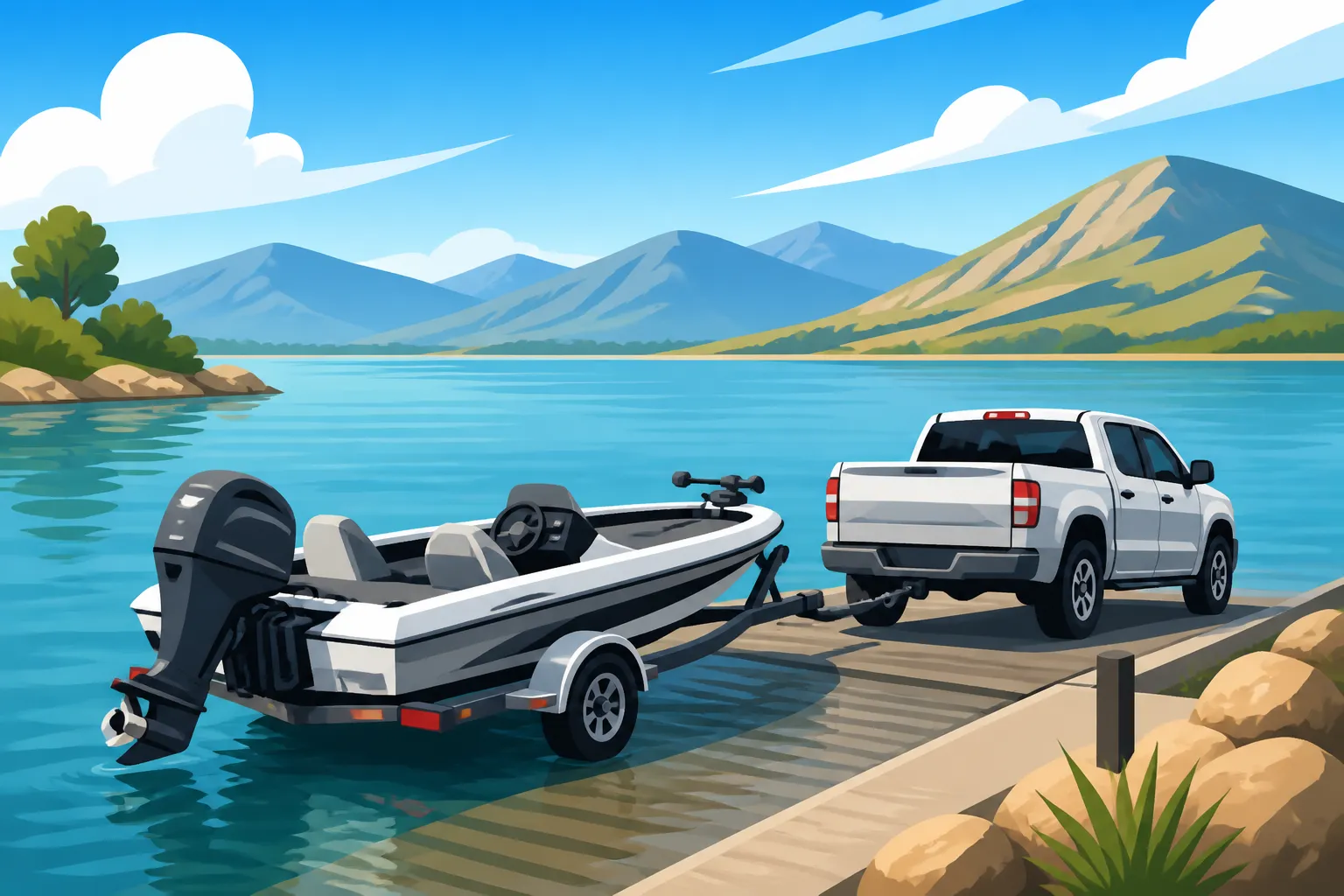
Don't let Utah Lake's relatively shallow depth fool you; it can get surprisingly rough, very quickly. Strong winds sweeping across the wide-open expanse of the lake can whip up significant chop, turning a calm morning into a white-capping afternoon. Launching and retrieving your boat in these conditions can be a white-knuckle experience, even for seasoned boaters. The waves can slam your boat against the dock or trailer, making it difficult to control, and the wind can catch your vessel, pushing it off course. For safety and sanity, it’s always wise to check the wind forecast before you head out. A beautiful day on shore doesn't always translate to calm waters on the lake.
Top Public Boat Ramps on Utah Lake
When it comes to getting your boat onto Utah Lake, having reliable and accessible ramps is paramount. Over the years, a few key locations have emerged as the most popular and generally dependable spots for anglers and recreational boaters alike. While conditions can always vary, these ramps offer the best infrastructure and typically the most consistent access, making them excellent starting points for your Utah Lake adventure.
Provo Boat Harbor
The Provo Boat Harbor is, without a doubt, the flagship access point for Utah Lake. Located on the east side of the lake, right off the main thoroughfare, it’s often the first choice for many due to its robust infrastructure and relative reliability. The harbor features multiple launch lanes, typically in good condition, and a wide turning radius, which is a blessing when you're backing down a trailer, especially if you're pulling a larger craft. You’ll also find ample parking, which can be a huge factor during peak season weekends. The harbor usually has decent water depth, though even here, extreme low water years can make the very end of the ramps a bit tricky. There are often amenities like restrooms, and it’s usually one of the first places to get vital services. It’s a great jumping-off point for exploring the southern and central parts of the lake. We've even heard stories from folks who've used services like FishingBooker to connect with local guides who regularly launch from Provo, giving them an insider track on current conditions. If you're looking for a detailed breakdown, check out our guide on Provo Boat Harbor Fishing Access at Utah Lake.
Lindon Marina
Heading north from Provo, the Lindon Marina offers another excellent launch option. Situated on the northeast side of Utah Lake, Lindon is a well-maintained facility known for its clean, efficient ramps and good access. It often feels a little less congested than Provo, especially on busy days, which can be a huge relief if you’re looking to launch quickly. The ramps here are generally well-kept, offering multiple lanes and a good approach. Parking is usually sufficient, though like any popular spot, it can fill up fast on summer weekends. Lindon is a fantastic choice if you're targeting the northern reaches of the lake or if you simply prefer a slightly calmer launching experience. Amenities like restrooms and often a small convenience store or bait shop are available nearby, making it a comprehensive spot for all your pre-launch needs.
American Fork Harbor
Further north, near the city of American Fork, you'll find the American Fork Harbor. This ramp is particularly convenient for those living on the northern end of Utah Valley, saving them a significant drive. While it might not boast the sheer number of lanes as Provo, the American Fork Harbor is a solid, dependable option. The ramps are generally in good repair, and the harbor provides relatively easy access to the lake. Parking is usually adequate, and the location offers quick access to the Interstate, which is a plus for many. It's a great spot for targeting the northern part of Utah Lake, known for various species. Just like with any ramp, always be prepared for potential wind exposure, as the harbor opens directly onto the main body of the lake. Sometimes, even if you’re booking a trip through FishingBooker, guides will confirm conditions from different ramps to find the optimal launch point for the day.
Saratoga Springs Marina
On the western side of Utah Lake, the Saratoga Springs Marina provides crucial access for residents in that rapidly growing area. This marina is a newer addition compared to some of the others, and it generally features modern facilities. It’s particularly valuable as it helps distribute boater traffic, preventing excessive congestion at the eastern ramps. The Saratoga Springs ramps are well-constructed, usually offering good depth, though again, severe low water conditions can affect any ramp on the lake. The marina also has ample parking, and its location provides unique access to the western side of the lake, which can sometimes offer different fishing opportunities or less pressure. It's a fantastic resource for those living on the west side or anyone looking to explore a different angle of Utah Lake.
Essential Considerations When Choosing a Utah Lake Boat Ramp
Selecting the right boat ramp for your Utah Lake adventure involves more than just picking the closest one. To ensure a smooth and enjoyable experience, especially given the lake's sometimes temperamental nature, there are a few critical factors you absolutely need to take into account. Thinking ahead about these points can save you a lot of grief and get you on the water faster and safer.
Checking Current Conditions
This cannot be stressed enough: always check the current conditions before you load up the truck and head out. Utah Lake’s water levels are notoriously dynamic, and a ramp that was perfect last week might be too shallow this week. Local online forums, the Utah Division of Wildlife Resources (DWR) website, or even calling the individual marinas directly can provide invaluable, up-to-the-minute information. Some marinas even have webcams or regularly updated social media pages that show real-time ramp conditions. Ignoring this step is the fastest way to end up frustrated, watching other boats launch while yours sits stuck on the trailer. Even if you're using a service like FishingBooker to find a local charter, it's a good practice to inquire about the intended launch site and its current usability.
| Marina/Harbor | Location | # of Lanes | Typical Condition | Water Level Impact | Amenities | AIS Station |
|---|---|---|---|---|---|---|
| Provo Boat Harbor | East Shore | 4+ | Excellent | Moderate | Restrooms, Food | Often onsite |
| Lindon Marina | Northeast Shore | 2-3 | Very Good | Moderate | Restrooms | Nearby |
| American Fork Harbor | North Shore | 2 | Good | Moderate | Restrooms | Nearby |
| Saratoga Springs Marina | West Shore | 2-3 | Very Good | Moderate | Restrooms | Nearby |
Amenities and Services
Beyond just getting your boat in the water, consider what other amenities and services might enhance your trip. Does the ramp area have adequate parking for your truck and trailer? Is there a fish cleaning station available, which is super handy after a successful day of catching? Utah Lake Fishing Guide trips often rely on these facilities. Are there restrooms nearby? Some marinas, like Provo Boat Harbor, might even have gas available or a small store for last-minute bait and tackle purchases. Thinking about these conveniences beforehand can make a big difference, especially on a long day out. Also, don’t forget the critical need for Aquatic Invasive Species (AIS) inspections. Be sure to know where the closest Utah Aquatic Invasive Species Inspection Stations are located and understand the Utah Quagga Mussel Decontamination Rules. Properly drying your boat after your trip, following guidelines like How to Dry a Boat Properly to Meet Utah's AIS Rules, is also vital to protect our waters.
Boat Size and Type
Not all ramps are created equal, and some are simply better suited for certain boat sizes and types. If you're operating a smaller jon boat or a kayak, nearly any ramp will do, and you might even find alternative, less formal launch points. However, if you're launching a large bass boat, a heavy fiberglass runabout, or a substantial fishing vessel, you'll need ramps with sufficient depth, a wide turning radius, and sturdy dock access. Consider the pitch of the ramp, too; a steeper ramp might mean your trailer tires are deeper in the water before your boat floats free. Also, be mindful of Utah Boating and Fishing Rules regarding boat registration. Ensure you understand Utah Boat Registration Requirements and remember that there might be Utah Boat Launch Fees at State Park Reservoirs at some locations. Sometimes, if Utah Lake conditions aren't ideal for your boat, you might consider alternatives like the Best Boat Ramps on Deer Creek Reservoir, which offers different dynamics. For those planning an extended season, understanding How to Winterize a Boat After the Utah Fishing Season is also key.
Disclaimer
The information provided in this guide is for general informational purposes only and is subject to change. Always consult the latest regulations, current conditions, and official sources from the Utah Division of Wildlife Resources (DWR) or specific marina operators before planning your fishing trip to Utah Lake. Safety should always be your top priority.