Best Sections of the Provo River for Fly Fishing
It's a common dilemma for anyone eager to cast a fly in Utah: you hear whispers and legends about the Provo River, how it's a world-class fly-fishing destination, but then you stare at a map and realize just how long this river truly is. Where do you even begin? The thought of driving all the way out there only to find yourself in a heavily pressured, unproductive section or, worse, on private land, can be pretty discouraging. This comprehensive guide is here to unravel that mystery, breaking down the Provo River into its distinct sections, highlighting the best spots for fly fishing, and giving you the insider knowledge you need for a truly rewarding experience.
Understanding the Provo River's Fly Fishing Zones
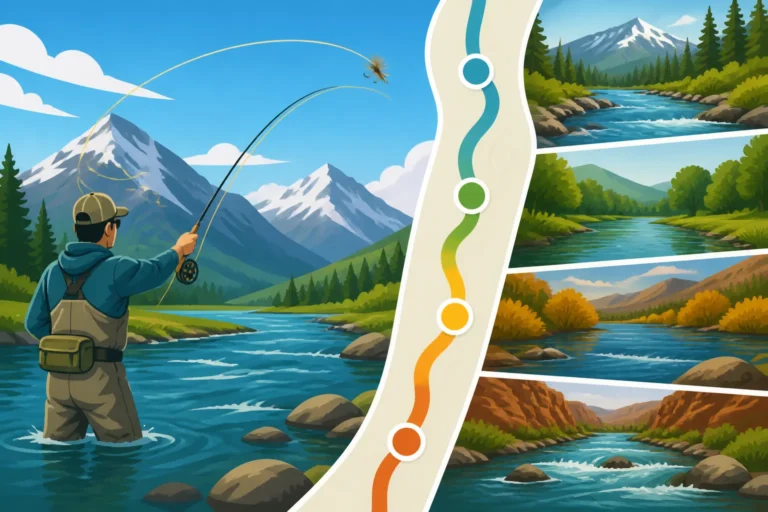
The Provo River is an impressive waterway, stretching from its headwaters in the Uinta Mountains all the way to Utah Lake. Along its journey, it changes character dramatically, offering different experiences for fly anglers. Knowing these distinct zones is the first step to unlocking its potential. It's not just "the Provo River"; it's a series of diverse ecosystems, each with its own fish populations and fishing challenges.
Upper Provo River Characteristics
Far upstream, above the bustling waters and reservoirs, lies the Upper Provo River. This section, particularly above Jordanelle Reservoir, offers a completely different vibe than its more famous downstream counterparts. Here, you'll find a more intimate, wilder river experience, often characterized by smaller water and a greater sense of solitude. The fish here, primarily native Bonneville Cutthroat Trout and feisty Brown Trout, tend to be smaller, but they're wild and exceptionally beautiful.
Access to the Upper Provo can sometimes require a bit more effort, often involving hiking through national forest lands or along less-traveled roads, making it appealing to those who cherish solitude. The techniques here often involve shorter casts and more delicate presentations, as the fish can be warier in the clearer, shallower flows. While not a "trophy" fishery in the same way some other Utah waters might be, it provides an authentic mountain stream experience, a true escape from the crowds.
Middle Provo River Dynamics
When most anglers talk about "fly fishing the Provo River," they're almost certainly referring to the Middle Provo. This section, running from the base of Jordanelle Dam through Provo Canyon to Deer Creek Reservoir, is renowned for good reason. It boasts Utah's coveted "Blue Ribbon" status, a designation that signifies excellent water quality, abundant fish populations, and reliable public access. This segment of the river is meticulously managed, ensuring a healthy ecosystem for its residents.
The Middle Provo is a powerhouse of productivity, supporting a dense population of both wild Brown Trout and regularly stocked Rainbow Trout. The consistent, cold water releases from Jordanelle Dam create a stable environment where trout thrive and grow large. Here, you'll find a wide variety of insect life, leading to prolific hatches that draw fish to the surface and keep anglers on their toes. It's a fantastic place to hone your skills, offering everything from challenging nymphing scenarios to exhilarating dry fly fishing.
Lower Provo River Challenges and Rewards
Below Deer Creek Dam, as the river snakes its way through the urban and agricultural landscape towards Utah Lake, you encounter the Lower Provo River. This section presents a different set of challenges and, for the patient angler, some unique rewards. The water here is generally warmer and slower-moving, especially as it flattens out closer to the lake, and it can also experience higher turbidity, especially after rain or runoff events.
While trout populations are still present, particularly Brown Trout and Rainbows that have moved downstream or are stocked in certain areas, you'll also find a more diverse mix of species. Whitefish are common, and closer to Utah Lake, you might even encounter species like Walleye, Smallmouth Bass, or Catfish, which offer a different kind of angling pursuit. Fly fishing here requires adaptability; techniques might shift from delicate presentations to more aggressive streamer tactics or even targeting warm-water species with appropriate flies. It's a section that often gets overlooked in favor of the Middle Provo, but it offers its own charm and the chance to fish with fewer people.
Deep Dive into the Middle Provo River's Prime Spots
Without a doubt, the Middle Provo River is the shining star for fly anglers in Utah. Its consistent flows, abundant insect life, and healthy trout populations make it a magnet for those seeking a quality experience. However, even within this famed section, certain stretches stand out, offering prime conditions and accessibility. Learning these specific areas can significantly enhance your chances of success.
Legacy Bridge to Charleston Bridge
This stretch of the Middle Provo is arguably one of the most popular and productive for fly fishing, and for good reason. The river here flows through a beautiful, relatively open canyon, providing ample public access points and easy wading opportunities for much of its length. From the Legacy Bridge parking area, you can head upstream or downstream to find a variety of holding water. You'll encounter classic riffles, smooth runs, and deeper pools, all of which hold hungry trout.
This area is particularly known for its prolific midge hatches in the colder months and robust mayfly and caddisfly hatches during spring and summer. Knowing the local insect activity is key, and if you’re new to the area or just want to maximize your time on the water, consider hiring a local guide. Services like FishingBooker can connect you with experienced Provo River guides who know this section intimately and can put you on fish, even on tougher days. They’ll also teach you the nuances of presentation required for these discerning trout.
Vivian Park Area and Upper Canyon Section
Further upstream within Provo Canyon, you'll find the Vivian Park area. This spot is a popular hub, offering picnic facilities and easy river access, making it a favorite for families and those looking for convenience. The river here can be quite diverse, with sections of faster, rockier water interspersed with slower, deeper pockets. While it can see significant pressure due to its accessibility, especially on weekends, the diligent angler can still find excellent fishing.
Wading is generally good in this section, but bank fishing is also viable in many spots. The trout in this part of the river are well-accustomed to angler presence, meaning your presentation needs to be impeccable. Early mornings or late evenings often provide the best opportunities to avoid crowds and target fish that are more willing to feed. Pay close attention to current seams, undercut banks, and large boulders – these are classic holding lies for trout in the canyon.
Below Deer Creek Dam to Canyon Mouth
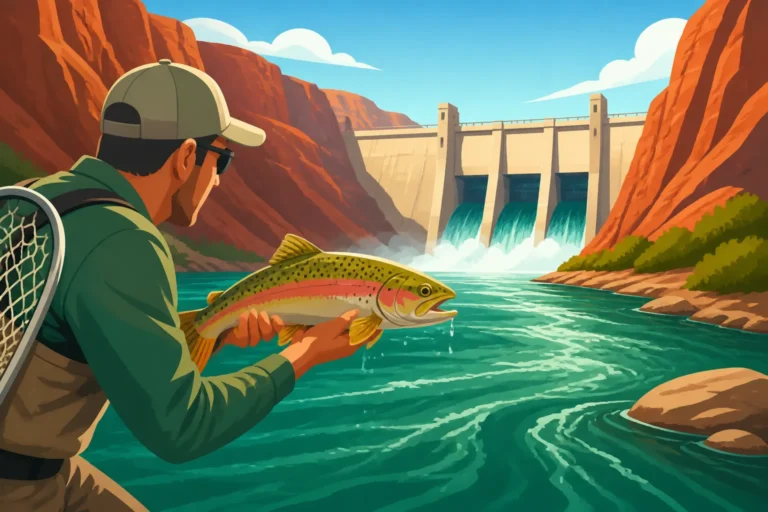
The stretch of the Provo River immediately below Deer Creek Dam and extending down towards the mouth of Provo Canyon offers some fantastic, consistent fly fishing opportunities, largely due to the stable, cold water discharged from the dam. This tailwater effect creates an ideal environment for trout year-round, making it a reliable choice even when other sections might be less productive. Access points like the "Bundles" area or various pull-offs along Highway 189 offer entry to the river.
Nymphing is often the most effective technique in this section, given the consistent flow and the abundance of subsurface insect life. Trout here are typically found feeding on various midge larvae, caddisfly nymphs, and mayfly nymphs. The cold water also means the fish are often robust and fight hard. It’s important to stay aware of water release schedules from Deer Creek Dam, as sudden changes in flow can impact wading safety and fish behavior. For detailed information on specific regulations in these areas, you might find guides like the Utah Fishing Regulations Explained helpful.
Gear, Techniques, and Etiquette for Provo River Fly Fishing
Successfully fly fishing the Provo River isn't just about knowing where to go; it's also about having the right tools, understanding the techniques that work best, and practicing respectful etiquette. This river, particularly the Middle Provo, is a nuanced fishery that rewards preparation and a thoughtful approach.
Essential Gear and Fly Selection
For the Provo River, a versatile fly rod setup is your best friend. Most anglers opt for a 9-foot, 4-weight or 5-weight rod, which offers a good balance for casting dry flies, nymphing, and even throwing smaller streamers. Pair this with a reliable reel spooled with a weight-forward floating line. When it comes to leaders and tippet, fluorocarbon is often preferred for nymphing due to its invisibility and sinking properties, typically in 4x or 5x sizes. For dry flies, a standard monofilament leader tapering down to 5x or 6x tippet works well.
Your fly box needs to be well-stocked, as the Provo River experiences a variety of hatches throughout the year. Midges are a year-round staple, particularly in winter. Spring brings blue-winged olives and caddisflies, while summer sees PMDs, green drakes, and terrestrials like hoppers. Fall can offer excellent streamer fishing for aggressive brown trout, along with BWO hatches. Consulting guides on platforms like FishingBooker often reveals their local fly preferences and current hot patterns, giving you a distinct advantage.
Here's a quick guide to some essential fly patterns by season:
| Season | Primary Hatches/Insect Activity | Recommended Fly Patterns |
|---|---|---|
| Spring | Blue-Winged Olives (BWO), Caddis, Midges | Nymphs: Zebra Midge, Mercury BWO, Pheasant Tail. Dries: Parachute Adams, CDC Caddis, Griffiths Gnat. |
| Summer | PMDs, Green Drakes, Caddis, Terrestrials | Nymphs: Hare's Ear, Graphic Caddis, Copper John. Dries: Parachute Adams, Elk Hair Caddis, Foam Hopper, Ant Patterns. |
| Fall | Blue-Winged Olives (BWO), Midges, Spawners | Nymphs: Barr's Emerger, Prince Nymph, Squirmy Wormy. Dries: BWO Comparadun, Rusty Spinner. Streamers: Woolly Bugger, Sculpzilla. |
| Winter | Midges (dominant), sometimes Winter Baetis | Nymphs: Black Beauty, Disco Midge, RS2. Dries: Griffiths Gnat, Cluster Midge. |
Mastering Provo River Techniques
The Provo River demands a mastery of various fly fishing techniques. Nymphing is incredibly effective year-round, especially in the deeper runs and riffles of the Middle Provo. Both indicator nymphing (using a strike indicator to detect bites) and European nymphing (a more direct, contact-nymphing method) are popular and highly successful. Learning How to Fly Fish the Provo River effectively often means becoming proficient in these subsurface presentations.
Dry fly fishing can be exceptionally rewarding when a hatch is on, requiring precise casting and presentation to fool the often selective trout. Matching the hatch precisely in terms of size, shape, and color is paramount. Streamer fishing, particularly in the fall, can entice larger brown trout that are looking for a substantial meal. Reading the water—understanding where fish lie, how currents move, and where food concentrates—is a fundamental skill that comes with experience on this and any river. You'll find a lot of great information in a comprehensive Utah Fly Fishing Guide.
Respecting the Water and Fellow Anglers
The Provo River is a precious resource, and practicing good etiquette and conservation is vital. "Leave No Trace" principles are paramount: pack out everything you pack in, and perhaps even a little more. When wading, be mindful of disturbing the bottom too much, as this can spook fish and disrupt insect life downstream. Always be aware of other anglers and give them plenty of space, especially when they are actively fishing a run.
The Middle Provo is primarily a catch-and-release fishery for many anglers, especially for larger wild trout. Handle fish gently, keep them in the water as much as possible, and use barbless hooks to minimize harm. Respect private property signs; much of the river's bank is privately owned, and trespassing is a serious offense. If you're unsure about access points, a local guide booked through a service like FishingBooker can provide invaluable guidance, ensuring you stay on public water and understand local customs. Understanding Utah Fishing Regulations Explained in detail before you go is also crucial.
Planning Your Provo River Fly Fishing Adventure
A successful fly fishing trip to the Provo River involves more than just showing up with a rod. Thoughtful planning, from understanding seasonal changes to knowing where to find help, can make all the difference between a frustrating outing and a memorable one.
Best Seasons and Conditions
The Provo River offers year-round fly fishing opportunities, but each season presents its unique character and challenges. Spring, after the runoff subsides, can be excellent with prolific caddisfly and blue-winged olive hatches. However, spring runoff can make the river high and muddy, impacting fishability. Learning How Runoff Affects Utah River Fishing is key to timing your spring trips. Summer means early mornings or late evenings are often best, as trout become more active during cooler parts of the day, with terrestrials becoming more important.
Fall is a favorite for many, as brown trout become aggressive with the spawning season approaching, making streamer fishing particularly effective. It's also a great time for BWO hatches. Winter brings cold but often rewarding fishing, with midges being the dominant food source and nymphing being the primary technique. The tailwater sections, in particular, remain productive throughout the colder months due to consistent temperatures.
Access Points and Public Land
While the Middle Provo boasts extensive public access due to its Blue Ribbon designation, it's still crucial to know where to park and enter the river legally. Popular access points include the Legacy Bridge, Hailstone Recreation Area (near Jordanelle Dam), and various pull-offs along Highway 189 in Provo Canyon, particularly around Vivian Park and downstream towards Deer Creek Reservoir. Look for designated parking areas and angler access points marked by the Utah Division of Wildlife Resources (UDWR).
Always keep an eye out for private property signs. If in doubt, assume it's private and seek an alternative public access point. Carrying a good map or using a fishing app can help identify public easements and avoid accidental trespassing. Understanding the nuances of Utah Fishing License Guide requirements and specific local regulations is also essential before heading out.
Guided Trips and Local Expertise
For those new to the Provo River, or for experienced anglers looking to refine their skills and find the most productive water, hiring a local fly fishing guide is an excellent investment. Guides possess intimate knowledge of the river's ever-changing conditions, fish behavior, and productive spots. They can help you navigate the complexities of specific sections, teach you effective techniques, and ensure you're using the right flies for the current conditions.
Platforms like FishingBooker are a fantastic resource for finding reputable, experienced fly fishing guides who specialize in the Provo River. A good guide can significantly shorten your learning curve, prevent frustrating hours of trial and error, and greatly increase your chances of a successful and enjoyable day on the water. They'll also provide insights into things like Best Flies for Utah Trout Streams or Best Rods for Ice Fishing in Utah if you're interested in other adventures.
Disclaimer
Please remember that fishing conditions, regulations, and access points can change. Always consult the latest Utah Fishing Proclamation issued by the Utah Division of Wildlife Resources (UDWR) before planning your trip to ensure compliance with all current rules and to obtain the necessary licenses. Fishing involves inherent risks, so always prioritize safety, especially when wading in rivers or venturing onto ice.