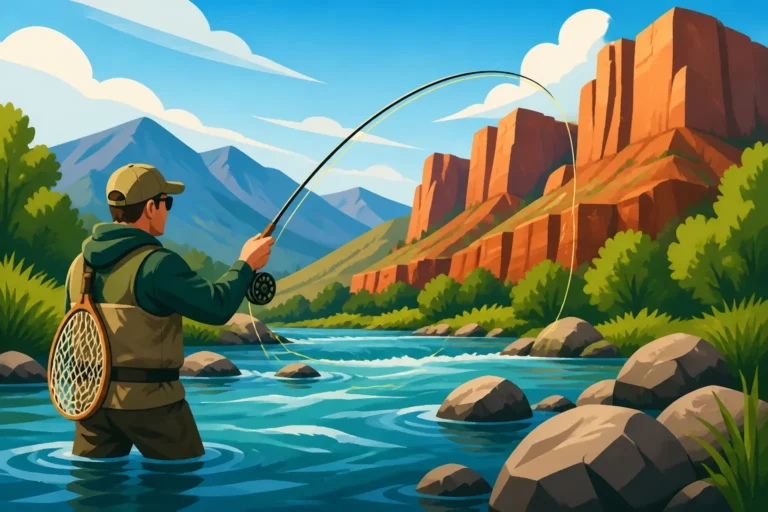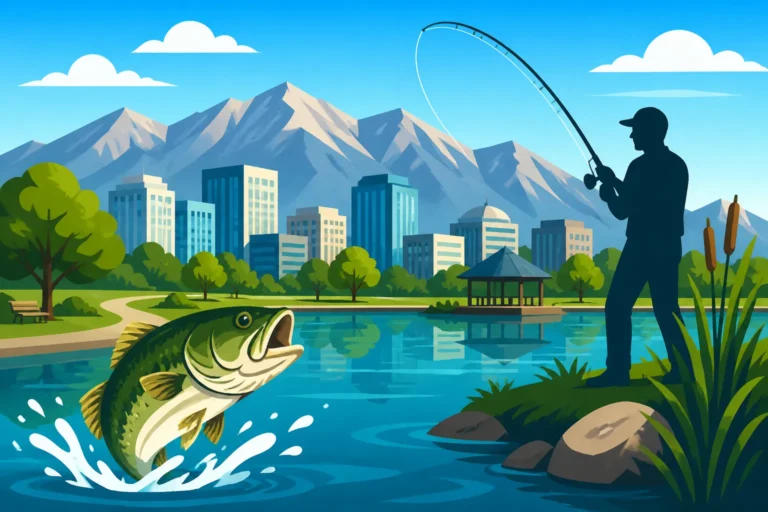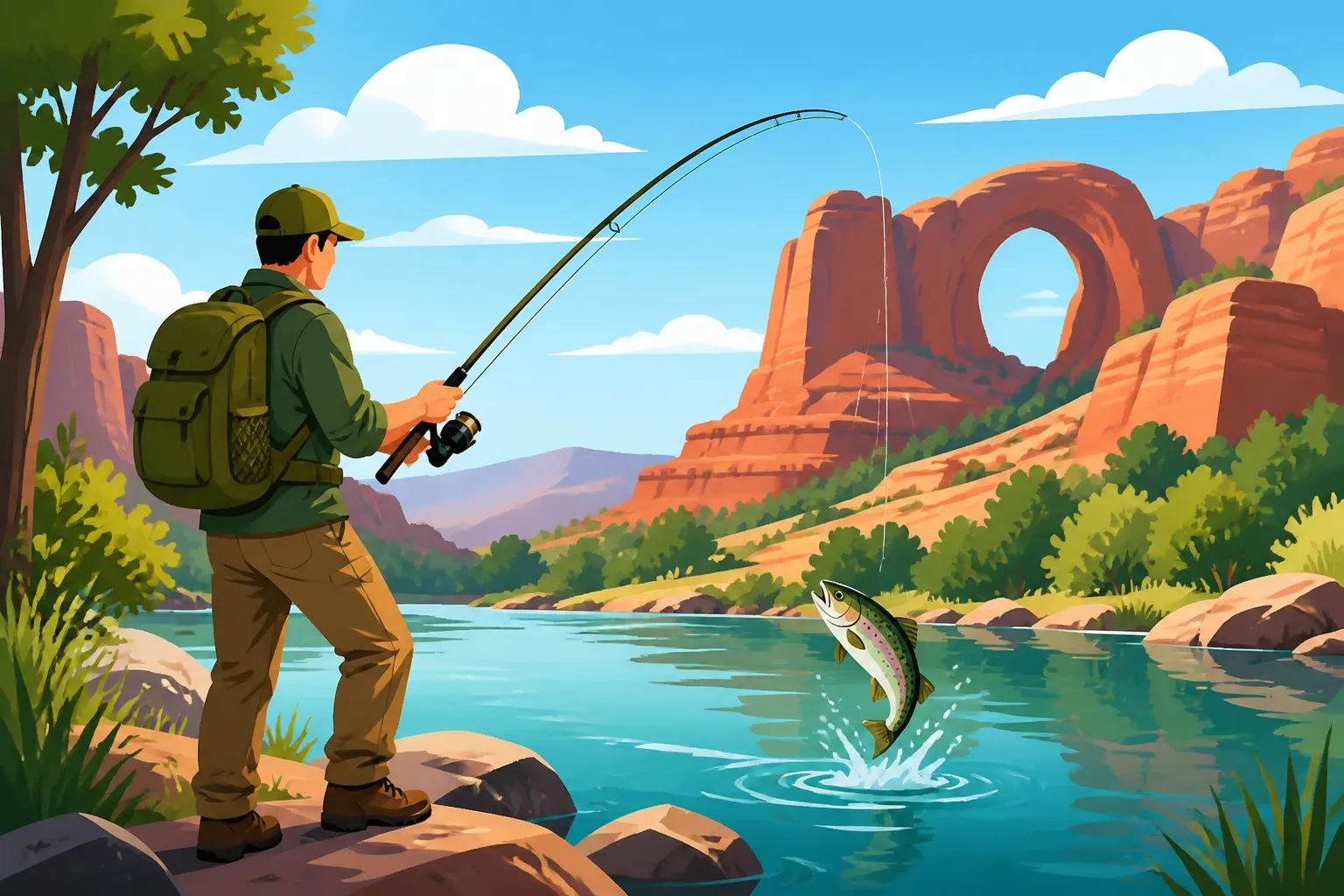
Best Fishing Spots You Can Reach Without a Boat in Utah
It's a common scenario, isn't it? You're itching to get out on the water, the sun is shining, and you know there are fish biting somewhere in Utah. But then reality sets in: you don't own a boat. Maybe you're visiting, you're on a budget, or you just prefer the simplicity of walking the shoreline. Whatever the reason, the idea of being stuck on land while imagining trophy fish in the middle of a vast reservoir can be incredibly frustrating. This guide is for every angler who wants to conquer Utah's waters without needing a boat, revealing the absolute best spots and techniques to ensure you still have a fantastic and productive day of fishing.
Embracing the Shore Angler's Life in Utah: Realities and Rewards
Fishing from shore in Utah can feel like both a blessing and a curse. On one hand, it's incredibly accessible; no boat ramp queues, no fueling up, no expensive maintenance. You can often just pull over, grab your gear, and start casting. This freedom and simplicity are what draw many to the sport in the first place, allowing for spontaneous trips after work or a relaxed morning with the family. The quiet solitude of a lakeside bank, watching the sunrise paint the mountains, is an experience boat anglers often miss.
However, the "curse" side often pops up when you realize you can't reach that perfect-looking structure far out in the middle of the lake, or when the fish decide to hold deep and offshore. It takes a different kind of strategy, a keen eye for reading the water, and a good dose of patience to consistently succeed from the bank. But here's the secret: many anglers underestimate just how much excellent fishing is available within casting distance of the shore, especially if you know where to look and what to look for.
Understanding Fish Behavior Near Shore
It's a misconception that all the good fish are in the deep, open water. While trophy lake trout might prefer deeper, colder haunts, many popular species like rainbow trout, cutthroat trout, brown trout, smallmouth bass, and even walleye and catfish frequently patrol the shallows. They come to shore for a variety of reasons:
- Foraging: Baitfish, insects, and crustaceans are often abundant near the banks, especially in areas with weed beds or rocky bottoms.
- Shelter: Submerged logs, rock piles, drop-offs, and overhanging vegetation provide excellent ambush points and protection from predators.
- Spawning: Many species move into shallower areas to spawn during specific times of the year, making them highly accessible to shore anglers.
- Temperature: During spring and fall, the shallower water warms or cools more quickly, attracting fish. In summer, they might seek out shaded areas or deeper drop-offs near shore.
The key is to learn to "read" the water from your vantage point. Look for changes in bottom composition, areas with structure like rocks or weeds, points that jut out into the water, and even subtle currents or eddies. These are all prime fish-holding areas that you can often reach with a good cast. Services like FishingBooker, while primarily focused on guided trips, can sometimes offer insights from local guides about general fish behavior on specific waters, which can be invaluable even for shore-based exploration.
Top Utah Reservoirs and Lakes with Excellent Shoreline Access
Utah is blessed with a diverse array of lakes and reservoirs, many of which offer fantastic shore fishing opportunities if you know where to go. You won't need a boat to find success at these spots.
Strawberry Reservoir
Strawberry Reservoir is legendary in Utah for its trophy cutthroat and rainbow trout, and while a boat gives you access to its vast expanse, shore anglers can have incredible success, especially during certain times of the year. The reservoir has numerous access points and developed recreation areas managed by the U.S. Forest Service.
- Strawberry Bay and Soldier Creek: These popular areas offer extensive shoreline access with campgrounds, day-use areas, and ample parking. In the spring, shortly after ice-off, large cutthroat and rainbow trout often cruise the shallow bays and points, actively feeding close to shore. In the fall, as temperatures drop, the fish move closer to the banks again.
- Renegade Point and Haws Point: These points extend into the reservoir, providing access to deeper water without needing a boat. Look for drop-offs and rocky structure here.
- Methods for Shore Fishing at Strawberry: PowerBait or nightcrawlers fished off the bottom with a sliding sinker rig are highly effective. Try casting spinners like Kastmasters or Daredevils, or even a Rapala Countdown. For fly anglers, stripping streamers or indicator fishing with nymphs can be deadly. Remember to check the Strawberry Reservoir Fishing Guide for specific regulations, as there are strict rules for keeping cutthroat trout, especially regarding their size.
Utah Lake
Often underestimated by those chasing trout, Utah Lake is a massive fishery offering excellent shore opportunities for warm-water species, particularly channel catfish, white bass, and carp. While it's known for its invasive northern pike population (which you are required to kill if caught!), the other species provide fantastic action from the bank.
- Sandy Beach and Provo Bay: These areas offer extensive, relatively shallow shoreline for bank fishing. Provo Bay, in particular, can be a hotspot for white bass during their spawning runs in spring, and catfish throughout the warmer months.
- American Fork Boat Harbor and Lincoln Beach: Even without a boat, the areas around these harbors can provide access to deeper channels and structure that attract fish.
- Methods for Shore Fishing at Utah Lake: For catfish, traditional stink baits, cut bait, or nightcrawlers fished on the bottom are king. For white bass, small spinners, spoons, or even pieces of worm under a bobber can be effective, especially when they're schooling. Carp fishing is a unique challenge and often done with corn or dough balls. Due to the high nutrient levels, fish can often be found near any structure or inflow. Check the Utah Lake Fishing Guide for more detailed information, especially regarding the mandatory harvest of northern pike.
Deer Creek Reservoir
Located conveniently off Highway 189 in Provo Canyon, Deer Creek Reservoir is a popular destination with abundant shoreline access, making it perfect for a boatless outing. It's home to rainbow trout, brown trout, and smallmouth bass.
- Deer Creek State Park Access: The park offers multiple day-use areas and campgrounds with easy access to the water's edge. Areas like Main Recreation Area and Rainbow Bay provide plenty of room to spread out.
- Charleston Day Use Area: This spot offers good access to the dam side of the reservoir, often a productive area.
- Methods for Shore Fishing at Deer Creek: Rainbow trout are often caught with PowerBait, worms, or small spinners like Mepps and Panther Martins. For brown trout, try casting spoons or stickbaits, especially near rocky points or drop-offs in low light conditions. Smallmouth bass will hit small crankbaits, jigs, or soft plastics fished around rocky shorelines.
Pineview Reservoir
Up in Ogden Valley, Pineview Reservoir is famous for its tiger muskies, but it also provides excellent shore fishing for rainbow trout, perch, and smallmouth bass. Its smaller size compared to other major reservoirs makes shore access feel more comprehensive.
- Cemetery Point and Anderson Cove: These popular state park access points offer extensive shoreline and amenities.
- Middle Inlet and North Arm: Various pull-offs and undeveloped areas provide additional access, though you might need to walk a bit.
- Methods for Shore Fishing at Pineview: For trout, standard PowerBait or worms work well. Perch can be targeted with small jigs tipped with bait or worms. For smallmouth bass, try throwing crankbaits or soft plastics near rocky areas. And if you're feeling adventurous and equipped for a potential battle, large swimbaits or jerkbaits cast from shore might entice a tiger muskie, but be prepared for a tough fight and safe handling practices.
Jordanelle Reservoir
Situated just outside Park City, Jordanelle Reservoir is another readily accessible spot for shore anglers, particularly good for rainbow trout, brown trout, and smallmouth bass. It’s part of a state park, so facilities are excellent.
- Hailstone Recreation Area: This is the primary access point with expansive shorelines. You can explore many coves and points by walking.
- Rock Cliff Recreation Area: Offers another section of shoreline access, often a bit quieter than Hailstone.
- Methods for Shore Fishing at Jordanelle: Similar to Deer Creek, PowerBait and worms are effective for trout. Smallmouth bass respond well to jigs, tubes, and small crankbaits fished near rocky structures. Early mornings and evenings are often the most productive times.
Rivers, Streams, and Community Ponds: Accessible Waterways for Every Angler
Beyond the big reservoirs, Utah offers a wealth of rivers, streams, and easily accessible community ponds perfect for a boatless fishing adventure. These spots often provide different fishing experiences and target different species.
Provo River (Middle and Lower Sections)
The Provo River is an iconic Utah fishery, renowned for its challenging but rewarding fly fishing for brown and rainbow trout. But even without a drift boat, the middle and lower sections offer abundant walk-in access for both fly and spin anglers.
- Middle Provo River: This section, often accessed near Vivian Park or along the scenic byway, has numerous public access points and pull-offs. You can wade into the shallower sections or fish from the bank. The water here is crystal clear, so stealth is key.
- Lower Provo River: Closer to Utah Lake, this section is slower and wider, offering different fishing dynamics. Access can be found near city parks and undeveloped stretches.
- Methods for Shore/Wading Fishing on the Provo: Fly fishing is dominant here, with nymphing rigs, dry flies during hatches, and streamers being productive. Spin anglers can use small spinners or spoons, especially those mimicking natural forage. Be sure to check the specific regulations, as some sections are fly-fishing-only or have catch-and-release rules. Our Provo River Fishing Guide has all the details you need for a successful trip.
Green River (Below Flaming Gorge Dam)
Considered one of the premier trout streams in the West, the Green River below Flaming Gorge Dam is famous for its abundance of brown and rainbow trout. While many anglers float the river, there are several public access points that allow for fantastic walk-in and wade fishing.
- Little Hole and Indian Crossing: These are well-known access points with developed facilities and extensive trails that run alongside the river, giving shore anglers plenty of water to cover.
- Methods for Shore/Wading Fishing on the Green: This is primarily a fly-fishing destination. Nymphing is often the most productive method, but dry flies during hatches and streamer fishing for large brown trout can be incredibly exciting. Spin anglers can also find success with small, subtle lures. The water here is cold and clear year-round, making for exceptional trout habitat.
Urban and Community Ponds
For a quick, easy, and often family-friendly fishing experience, Utah's urban and community ponds are unbeatable. These ponds are regularly stocked by the Utah Division of Wildlife Resources (UDWR) with rainbow trout, and often hold channel catfish, bluegill, and bass. They are designed for easy access, often with paved paths, fishing piers, and restrooms.
- Wasatch Front Examples: Ponds like Decker Lake (West Valley City), Highland Glen Pond (Highland), Bountiful Pond (Bountiful), and Mantua Reservoir (Mantua) are fantastic. These are just a few examples; many communities throughout Utah have their own ponds.
- Methods for Pond Fishing: These spots are perfect for beginners and kids. A simple setup with a bobber and bait (PowerBait, worms, corn, marshmallows) is often all you need for trout. For catfish, try chicken liver or stink baits on the bottom. Our guide to Utah Community Pond Fishing Spots offers an extensive list and tips for fishing these accessible gems. These locations are excellent for teaching kids to fish without the pressure of strong currents or vast, intimidating waters.
High Uinta Lakes (Hiking Access)
For the adventurous angler willing to put in some legwork, the high-altitude lakes of the Uinta Mountains offer some of Utah's most pristine and rewarding shore fishing experiences. These remote lakes are only accessible by hiking and often hold native cutthroat trout, brook trout, and tiger trout.
- Planning is Key: A multi-day backpacking trip might be required for some of the more remote lakes, but many are accessible via day hikes. Consult trail maps and plan your route carefully.
- Methods for High Uinta Lakes: Lightweight spin fishing gear with small spinners or spoons, or a packable fly rod, are ideal. These fish often aren't as pressured as those in more accessible waters, so they can be eager to bite. The sheer beauty and solitude of fishing in the Uintas are unparalleled.
Here’s a quick overview of some top boatless fishing spots in Utah:
| Fishing Spot | Primary Species | Best Time of Year | Ease of Shore Access | Notes |
|---|---|---|---|---|
| Strawberry Reservoir | Cutthroat, Rainbow Trout | Spring, Fall | Moderate to Excellent | Excellent trout fishing from numerous points and bays. Requires exploring. Check Strawberry Reservoir Fishing Guide. |
| Utah Lake | Catfish, White Bass, Northern Pike | Spring, Summer, Fall | Excellent | Great for warm-water species. Fluctuating water levels. Mandatory harvest for Northern Pike. See Utah Lake Fishing Guide. |
| Deer Creek Reservoir | Rainbow, Brown Trout, Smallmouth | Spring, Summer, Fall | Excellent | Easy access from state park areas. Good for a variety of techniques. |
| Pineview Reservoir | Rainbow Trout, Perch, Tiger Muskie | Spring, Summer, Fall | Excellent | Good for trout and panfish, with a chance at a tiger muskie. |
| Jordanelle Reservoir | Rainbow, Brown Trout, Smallmouth | Spring, Summer, Fall | Excellent | Conveniently located with good state park access. |
| Provo River | Brown, Rainbow Trout | Year-round (conditions permitting) | Moderate to Excellent | Blue Ribbon fishery. Best for fly fishing or light spin gear. Wading often necessary. Consult Provo River Fishing Guide and Utah Fishing Regulations Explained. |
| Green River (below dam) | Brown, Rainbow Trout | Year-round | Moderate | World-class trout fishery with public access trails. Fly fishing mecca. |
| Community Ponds (e.g., Decker, Highland Glen) | Rainbow Trout, Catfish, Bluegill | Year-round | Excellent | Frequently stocked, great for families and beginners. Paved paths, amenities. Refer to Utah Community Pond Fishing Spots. |
| High Uinta Lakes | Cutthroat, Brook, Tiger Trout | Summer, Early Fall | Difficult (Hike-in) | Pristine, remote fishing, requires hiking and proper gear. Unforgettable experience. |
Essential Gear and Strategies for Successful Boatless Fishing
Being successful from shore often boils down to having the right tools and a solid approach. You don't need a boatload of expensive gear, just a smart setup. If you're new to the sport, our guide What Gear Does a First-Time Utah Angler Need? is an excellent starting point.
The Right Rod and Reel
For versatile shore fishing in Utah, a medium-light to medium power spinning rod, around 6 to 7 feet long, paired with a matching spinning reel, is your best friend. This setup allows for casting a wide range of baits and lures, from lightweight PowerBait rigs to heavier spoons and spinners.
- Line Choice: 4-8 lb monofilament or fluorocarbon is excellent for trout, offering good knot strength and sensitivity. If targeting larger species like catfish or northern pike, consider 10-15 lb braided line with a fluorocarbon leader for abrasion resistance and casting distance.
Bait and Lure Selection
You'll want a diverse tackle box that includes both natural baits and artificial lures.
- Natural Baits: PowerBait (especially in bright colors like chartreuse, orange, and rainbow), nightcrawlers, mealworms, and even cured corn are highly effective for stocked trout in reservoirs and ponds. For catfish, chicken liver, hot dogs, or stink baits are excellent choices.
- Artificial Lures: Spinners (Mepps, Panther Martin), spoons (Kastmaster, Daredevil), and small crankbaits are great for covering water and enticing aggressive trout and bass. Soft plastics (grubs, worms) on a jig head can also be very effective for bass and even larger trout. Our Best Lures for a Utah Tackle Box article delves deeper into specific recommendations.
Reading the Water from Shore
This is where experience truly pays off. Instead of blindly casting, take a moment to observe.
- Look for Structure: Any deviation from a uniform bottom is a potential fish magnet. This includes rock piles, submerged logs, weed beds, sudden drop-offs, and points that extend into the water.
- Identify Current Breaks: In rivers and streams, fish often sit just out of the main current, conserving energy. Look for eddies behind rocks or slower water along the banks.
- Observe Surface Activity: Rising fish indicate an insect hatch, while splashes could mean feeding bass or trout.
- Use Polarized Sunglasses: These are invaluable for cutting glare and seeing into the water, allowing you to spot structure or even cruising fish.
Mobility and Stealth
Unlike boat fishing, where you can cover vast areas quickly, shore fishing often benefits from a "run and gun" approach.
- Walk the Shoreline: Don't get stuck in one spot. Fish a section thoroughly, then move 50-100 yards and repeat. This allows you to cover more varied structure and find active fish.
- Approach Quietly: Fish, especially in clear water, are highly sensitive to vibrations and shadows. Approach the water's edge softly, avoid loud noises, and stay low, especially when targeting wary fish.
- Vary Your Retrieve: Experiment with different casting distances, retrieve speeds, and lure presentations until you find what the fish are responding to. For more general tips, check out How to Fish From Shore in Utah.
Safety and Regulations
Always prioritize safety and adhere to local rules.
- Check Regulations: Before heading out, always consult the current Utah Fishing Regulations Explained for your specific water body. Regulations can vary widely from lake to lake and even section to section on rivers.
- Get Your License: A valid Utah Fishing License Guide is mandatory for almost all anglers over 12 years old in Utah. You can often purchase these online quickly.
- Wading Safety: If you plan to wade rivers, wear appropriate wading boots with good grip and consider a wading staff for stability. Be aware of changing currents and depths.
- Pack Smart: Bring essentials like water, snacks, sunscreen, insect repellent, and a small first-aid kit. A good pair of pliers or a multi-tool is handy for removing hooks.
Fishing without a boat in Utah is not just possible; it can be incredibly rewarding. By understanding fish behavior, choosing the right accessible spots, and employing effective techniques, you'll discover a whole new world of angling opportunities right from the bank. So, don't let the lack of a boat hold you back. Grab your rod, hit the shoreline, and make some memories!
Disclaimer
Please note that fishing conditions and regulations in Utah can change frequently. Always consult the latest Utah Division of Wildlife Resources (UDWR) Proclamation and specific waterbody rules before heading out. This guide is for informational purposes only and should not replace official regulations. Practice responsible angling, respect private property, and always pack out what you pack in.