What Gear Does a First-Time Utah Angler Need?
Stepping into the world of fishing in Utah can feel a bit overwhelming, especially when you start looking at all the gear available. You might be standing in the sporting goods aisle, staring at walls of rods, reels, lures, and line, wondering what on earth you actually need to get started without breaking the bank. Don't worry, friend! This guide is here to cut through the noise and lay out exactly what a first-time Utah angler needs to hit the water confidently and catch some fish.
The Absolute Essentials for Your First Utah Fishing Trip
Let's face it, you can spend a fortune on fishing gear, but you absolutely don't have to for your first few trips. The goal here is to get you out there with functional, reliable equipment that won't leave you frustrated. We're going to focus on the basics that will allow you to target the most common and accessible fish in Utah: trout.
The Heart of Your Setup: Rod, Reel, and Line
Think of your rod, reel, and line as the core components of your fishing system. They work together, and getting a good match is important for a pleasant experience.
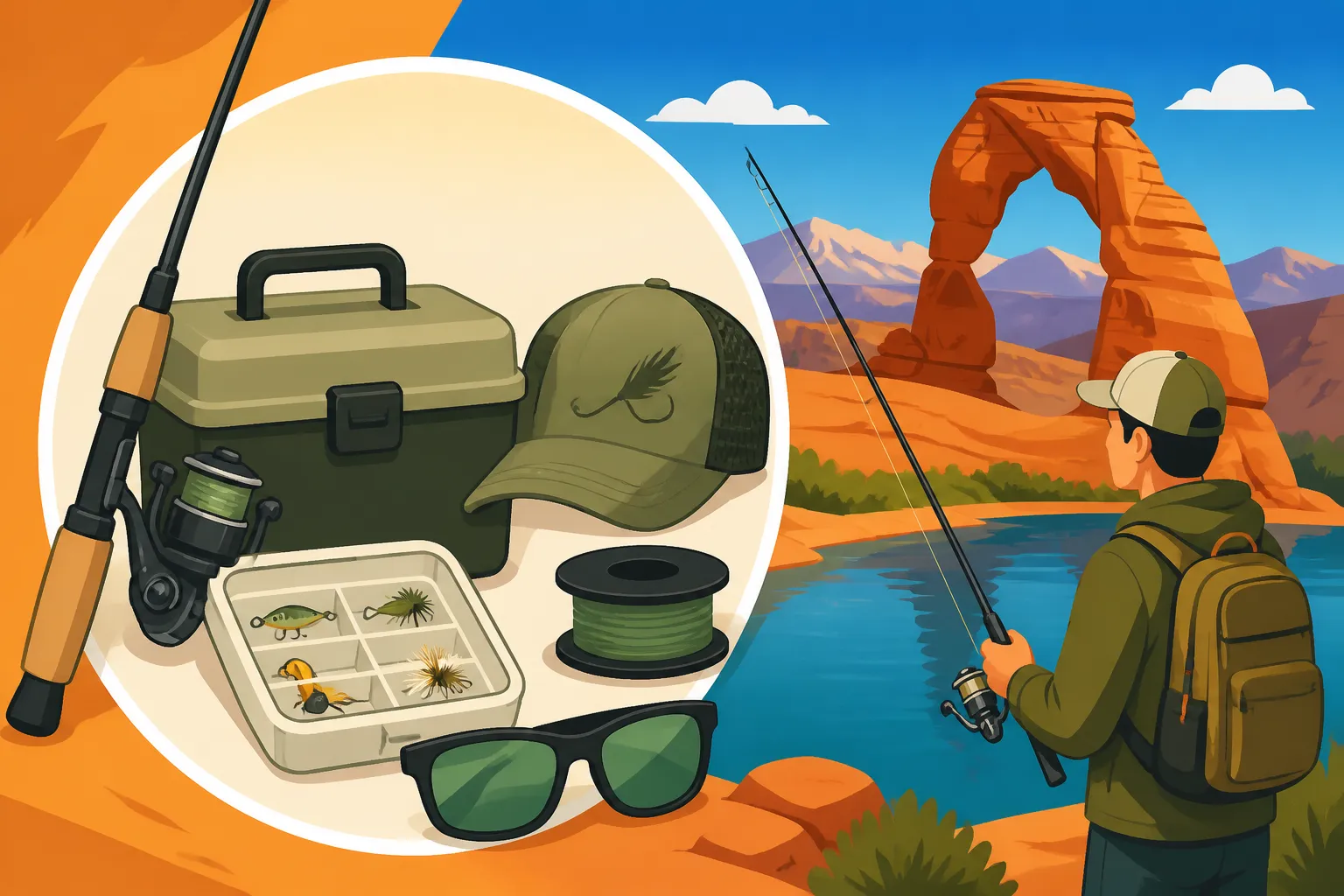
For a beginner, a spinning rod and reel combo is almost always the best choice. These are incredibly versatile, easy to learn, and forgiving for casting mistakes. You’re likely to be targeting stocked rainbow trout in community ponds or smaller reservoirs for your first few outings, and a spinning setup is perfect for that. I'd recommend a rod that's about 5 to 7 feet long, with a light to medium-light action. This means it will bend easily, which helps cast lighter baits and makes even a small fish feel like a real fighter! You can often find fantastic beginner-friendly combos already spooled with line, which is a huge bonus for someone just starting out. Many popular brands offer these pre-packaged sets, and you can easily browse a wide selection on platforms like Amazon.
When it comes to line, you'll want something in the 4 to 6-pound test range. Monofilament line is an excellent choice for beginners because it's relatively inexpensive, easy to tie knots with, and has a bit of stretch that helps absorb sudden tugs from a fish. Don't overthink this part; a good quality 4-pound test monofilament is more than enough for the trout you'll encounter on your first few trips. If you're wondering which specific rod and reel combo might be right for you, check out our guide on the Best Rod and Reel Combo for Beginners for more detailed recommendations.
Terminal Tackle: Hooks, Weights, and Bait
This is where the magic happens – the stuff that actually attracts and catches the fish! "Terminal tackle" refers to everything at the very end of your fishing line.
For trout, simplicity is key. You'll want a selection of small hooks, typically sizes 8 to 12. These are small enough to fit in a trout's mouth but strong enough to hold them. For bait, the classic PowerBait or a small container of nightcrawlers (worms) are absolute trout magnets. These are readily available at any tackle shop or even many grocery stores. PowerBait is particularly effective because it floats, keeping your hook and bait just off the bottom where trout often feed. Our article on What Color PowerBait Works Best in Utah Reservoirs? might offer some insights once you're ready to experiment!
You'll also need some small split shot weights. These are tiny lead or steel weights that you pinch onto your line a foot or two above your hook. Their purpose is to help cast your bait farther and get it down to the fish. A small assortment of sizes will suffice – nothing too heavy, as you still want your bait to drift somewhat naturally. And don't forget a few small bobbers! A simple red and white bobber is perfect for suspending your bait at a certain depth and giving you a visual cue when a fish bites. They are particularly useful for How to Teach a Kid to Fish in Utah, as watching the bobber go down is one of the most exciting parts!
Here's a quick look at essential terminal tackle:
| Item | Purpose | Recommended Size/Type for Beginners (Trout) |
|---|---|---|
| Hooks | Catching the fish | Size 8 to 12 (baitholder or treble) |
| Weights | Helping cast and sink bait | Small split shot assortment |
| Bobbers | Suspending bait, bite indicator | Small, round red & white plastic |
| Bait | Attracting fish | PowerBait (trout dough) or nightcrawlers |
| Swivels | Preventing line twist, quick changes | Small barrel swivels (optional but helpful) |
Licensing and Regulations: Don't Forget the Paperwork!
Before you even think about putting a line in the water, you absolutely must have a valid Utah fishing license. This isn't just a suggestion; it's the law, and getting caught without one can lead to fines and a ruined day. The process for getting a license is actually pretty straightforward, whether you're a resident or not.
You can purchase your license online through the Utah Division of Wildlife Resources (DWR) website, which is incredibly convenient. You'll get an immediate digital copy that you can store on your phone, making it easy to carry. If you prefer, many sporting goods stores and even some convenience stores across the state sell them in person. For all the details on where to get yours and what it entails, take a look at our How to Buy a Utah Fishing License guide. It's truly a must-read for any new angler in the state. Don't forget to also familiarize yourself with the basic Utah Fishing Regulations Explained to understand daily limits and any special rules for specific waters. Ignorance of the rules isn't an excuse, and we want your first trip to be stress-free and legal!
Beyond the Basics: Gear for Comfort, Safety, and a Better Experience
Now that we've covered the absolute necessities to actually catch a fish, let's talk about the gear that makes your fishing trip more enjoyable, safe, and successful. These items might not seem critical at first glance, but they can make a world of difference, especially on a longer outing.
Staying Safe and Comfortable on the Water
Fishing, even a casual outing at a local pond, means being outdoors, exposed to the elements. Being prepared for sun, heat, or unexpected weather changes is crucial.
First up, sun protection. Utah's sun can be intense, even on cloudy days. A wide-brimmed hat, sunglasses (polarized ones are fantastic for seeing into the water!), and sunscreen are non-negotiables. You don't want your first fishing memory to be a terrible sunburn. Hydration is also key; always bring plenty of water, especially during warmer months. Dehydration can sneak up on you quicker than you think.
Comfortable clothing, layered appropriately for the weather, is also important. Even if it's warm, bringing a light jacket or sweatshirt is smart, as temperatures can drop quickly, especially near water or in the mountains. If you plan on fishing from a boat, float tube, or kayak, a life jacket is not just recommended, it's often legally required. Safety first, always! Many essential outdoor items, from hats to water bottles, are available through retailers like Amazon, making it easy to grab everything you need in one go.
Handling Your Catch: Nets, Pliers, and Coolers
Once you hook a fish, the fun isn't over yet! You need to be prepared to land it safely and, if you plan to keep it, store it properly.
A small landing net is invaluable for landing fish. It reduces the stress on the fish and helps prevent it from flopping off the hook right at your feet. For stocked trout, a rubberized or knotless mesh net is ideal as it minimizes harm if you plan on releasing them. If you're going to keep your fish, a stringer can hold them in the water until you're ready to pack up, or better yet, a small cooler with ice will keep your catch fresh. This is particularly important for eating quality.
Additionally, a pair of small needle-nose pliers or a hook remover tool is a must-have. Sometimes fish swallow the hook deeply, and these tools make it much easier and safer to remove the hook without injuring yourself or the fish. Our How to Release a Fish Without Hurting It in Utah guide offers more tips on ethical catch and release practices. Even if you're not planning to keep anything, handling the fish minimally and gently is a sign of a responsible angler.
Planning Your First Outing: Where to Go and What Else You Might Need
The type of water you choose for your first trip will influence a few minor gear considerations, and thankfully, Utah offers some fantastic, beginner-friendly options.
Starting Simple: Community Ponds and Accessible Waters
For a truly hassle-free first experience, Utah's community fishing ponds are your best friends. These are regularly stocked with rainbow trout, easily accessible, often have paved paths, and sometimes even fishing piers. They're designed for easy family outings and learning. Places like Mantua Reservoir, Highland Glen Park, or local city ponds near you are perfect examples. For a comprehensive list, check out our Utah Community Pond Fishing Spots article.
When fishing these smaller, often crowded spots, a shorter rod (5-6 feet) can be beneficial as it's easier to handle and cast without snagging trees or other anglers. You might also want a small tackle box or bag to keep your hooks, weights, and bait organized, rather than rummaging through a backpack. Remember to bring a small trash bag too, to pack out any litter – let's keep these beautiful spots clean for everyone!
Adapting Your Gear for Different Environments
While community ponds are great, eventually you might want to venture out to larger reservoirs like Deer Creek or even try river fishing. These require slight adaptations.
If you head to a larger reservoir, you might consider slightly heavier line (6-8 pound test) if you're targeting larger trout or other species. If you're planning on shore fishing, a longer casting rod can help you reach deeper waters. When fishing rivers, especially those with current, a bobber might not be as effective, and you might switch to a technique called "bottom bouncing" with a weight and a bait like a worm. For more specific advice on river techniques, our Utah Trout Fishing Tips article delves into methods like drift fishing.
The beauty of a spinning setup is its adaptability. With the basic gear outlined here, you're well-equipped to explore many of the Best Places to Fish in Utah, from tranquil ponds to bustling reservoirs. Don't feel pressured to buy specialized gear right away for every type of water. Start simple, learn the ropes, and then gradually expand your arsenal as your skills and interests grow.
Smart Shopping and Budgeting for the New Angler
One of the biggest concerns for new anglers is often the cost of getting started. It's easy to feel like you need all the latest gadgets, but that's simply not true. You can get into fishing without draining your wallet.
Combo Kits: A Great Starting Point
We touched on this earlier, but it bears repeating: a good quality rod and reel combo kit is often the most economical way for a beginner to get started. These kits usually include a rod, a reel (often pre-spooled with line), and sometimes even a small tackle assortment with hooks, weights, and a bobber. They're designed to be beginner-friendly and provide a balanced setup. You might even find a kit for under the price of buying a rod and reel separately.
Look for brands known for reliability in entry-level gear. Read reviews, and remember that you're investing in learning, not necessarily a lifetime piece of equipment. As you gain experience, you'll naturally develop preferences for specific rod actions or reel features, but for now, a solid combo kit is your best friend.
Where to Find Your Gear (and Save Some Cash)
You have a few excellent options for purchasing your first fishing gear:
- Local Sporting Goods Stores: Places like Cabela's or your local independent tackle shop are fantastic resources. The staff are often experienced anglers themselves and can offer personalized advice, help you pick out the right size hooks, and show you exactly how to rig up your line. This hands-on help can be invaluable for a first-timer.
- Large Retailers: Stores like Walmart or Target also carry basic fishing gear, especially during spring and summer. Their selection might be more limited, but you can often find very affordable combo kits and basic terminal tackle.
- Online Retailers: Websites like Amazon offer an enormous selection, competitive pricing, and the convenience of home delivery. This is a great place to research different brands, read customer reviews, and compare prices for those essential items like your rod and reel combo, or even a basic tackle box.
- Used Gear: Don't overlook garage sales, thrift stores, or online marketplaces. You can often find perfectly usable rods, reels, and even tackle boxes for a fraction of the price. Just make sure the rod isn't cracked, the reel spins smoothly, and there's no major rust or damage. A little TLC can go a long way in refurbishing used gear.
Remember, fishing should be fun, not a financial burden. Start with the basics, learn to love the process, and then slowly upgrade or add specialized gear as your passion grows. The most important thing is to get out there and enjoy the incredible fishing opportunities Utah has to offer!
Disclaimer
This article is for general informational purposes only and does not constitute professional advice. Laws, prices and regulations vary by location and change over time. Consult a qualified professional for guidance on your specific situation.