Best Lures for a Utah Tackle Box
One of the most common frustrations for any angler, whether you're a seasoned pro or just starting out, is staring at a tackle box full of lures and wondering, "Which one do I even use?" Utah's fishing scene is incredibly diverse, from vast, deep reservoirs holding monster lake trout to winding, crystal-clear mountain streams brimming with feisty cutthroat, and everything in between. This variety means that a "one-size-fits-all" approach to lures simply won't cut it. This comprehensive guide is here to help you stock your Utah tackle box with the best lures for every species, season, and situation you might encounter, taking the guesswork out of your next fishing adventure.
Understanding Utah's Diverse Fisheries and What Lures They Demand
Utah offers an incredible array of fishing experiences, which is both a blessing and a challenge when it comes to lure selection. You might be targeting rainbow trout in a local community pond one day, then chasing smallmouth bass on a massive reservoir like Flaming Gorge the next, before heading up to the Uintas for high-country cutthroat. Each of these environments, and the fish species that inhabit them, demands a different approach when it comes to lures.
The Utah Fishing Landscape
Imagine a state with desert landscapes meeting towering mountain ranges, and you begin to understand Utah's diverse fishing opportunities. We have the famous "Blue Ribbon" trout streams like the Provo and Green River, offering world-class fly fishing and challenging spin-fishing for wild browns and rainbows. Then there are the large, deep reservoirs such as Flaming Gorge, Bear Lake, and Lake Powell, which are home to trophy lake trout, kokanee salmon, stripers, and multiple bass species. Smaller, but equally productive, are the countless community ponds and urban fisheries, regularly stocked with rainbow trout and offering easy access for families and beginners. High mountain lakes, often requiring a hike to access, provide serene settings for catching eager brook trout and native cutthroat. This vast difference in water types – from fast-flowing rivers to stagnant ponds to immense deep-water bodies – directly influences the types of lures that will be effective. A heavy spoon that dives quickly is great for deep reservoirs, but utterly useless in a shallow, rocky stream.
Matching Lures to Prey and Conditions
At its core, lure fishing is about mimicking something a fish wants to eat, or something that triggers an aggressive strike. This means understanding the local forage. Are the trout in the stream feeding on small minnows, or are they keying in on aquatic insects? Is that reservoir full of shad, which striped bass love to chase, or perch, which walleye will ambush? The principle of "matching the hatch" for fly anglers extends to lure fishing: try to use lures that resemble the baitfish, crawfish, or insects currently available to the fish. Furthermore, conditions play a huge role. Water clarity, temperature, time of day, and even weather can dictate a fish's mood and where they're holding. On a bright, sunny day with clear water, a subtle, natural-colored lure might be best. In contrast, on a cloudy day with stained water, a brightly colored or noisy lure with lots of vibration could be the ticket to grab attention. Don't forget current. In a river, lures need to be able to move naturally with the flow or cut through it effectively.
Why a Versatile Tackle Box is Key
Given this incredible diversity, you can't just have one or two types of lures and expect success everywhere you go in Utah. A truly effective Utah tackle box needs to be versatile, containing a variety of lure types, sizes, and colors to adapt to different scenarios. You'll want some lures that can be cast far, others that dive deep, some that float, and some that flutter enticingly on the drop. Having options means you can experiment when the bite is slow, or quickly switch if you notice fish reacting differently than expected. Think of your tackle box as a toolbox; each lure is a specialized tool designed for a specific job. While you might have a favorite hammer, you wouldn't try to use it for every single task in your house. The same goes for fishing – having the right tool for the job, or at least a few strong contenders, will dramatically increase your chances of success. It's often easier to grab a good selection of various lure types at a local shop or online at a place like Bass Pro Shops or Amazon, rather than scrambling for a specific item when you're already on the water.
Top Lures for Trout (Rainbow, Brown, Cutthroat, Tiger, Splake)
Trout are arguably the most popular game fish in Utah, found in nearly every corner of the state, from urban ponds to remote mountain lakes and pristine rivers. While they share a family name, different trout species often have different preferences, and the environment they live in greatly influences what they'll strike.
Spinners and Spoons: Flash and Vibration
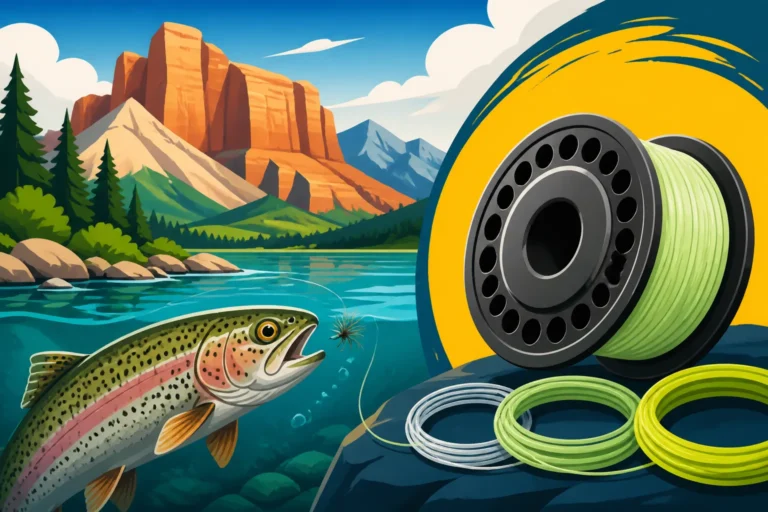
When it comes to covering water and attracting aggressive trout, it's hard to beat a classic spinner or spoon. These lures rely on flash, vibration, and erratic movement to mimic fleeing baitfish or injured prey. Spinners, like those from Mepps, Panther Martin, or Rooster Tail, feature a blade that rotates around a central shaft, creating a visual flicker and a subtle thumping vibration that fish can detect even in murky water. They are excellent for casting in streams and rivers, where the current helps activate the blade, or for retrieving steadily in stillwater. Different blade colors, from silver and gold to bright fluorescent, can be effective depending on water clarity and light conditions. For instance, in clear water on a sunny day, a natural silver or gold blade often shines.
Spoons, on the other hand, are typically flat or curved pieces of metal that wobble and flash as they are retrieved or fall through the water column. Brands like Kastmaster, Daredevle, and Little Cleo are legendary. Their effectiveness comes from their irregular action, mimicking a stunned baitfish. Heavier spoons can be cast a mile and sink quickly, making them ideal for deeper lakes and reservoirs where trout might be holding. Lighter spoons are great for shallower water or when you want a slower, more fluttering fall. For both spinners and spoons, retrieve speed is crucial. Experiment with fast retrieves to trigger reaction strikes, or slower, more methodical retrieves when fish are less active. Small to medium sizes (1/16 oz to 1/4 oz for spinners, 1/8 oz to 1/2 oz for spoons) are generally best for most Utah trout. If you're wondering What Size Hook Should You Use for Utah Stocked Trout?, remember that smaller hooks often lead to more bites on these lures. Learning How to Rig a Jig for Utah Trout can also complement your spoon and spinner game, giving you more options.
Jigs and Plastics: Subtle Presentations
Sometimes, trout want a more subtle, natural presentation, especially when they're lethargic or highly pressured. This is where jigs and soft plastics shine. Small marabou jigs, chenille jigs, or even tiny hair jigs offer a lifelike pulsing action in the water with minimal effort. They can be fished under a bobber, slowly retrieved, or bounced along the bottom to imitate various aquatic insects or small crustaceans. Tipping these jigs with a small piece of bait, like a mealworm, wax worm, or a kernel of corn, can significantly increase their appeal, especially for recently stocked trout.
Soft plastic baits, particularly those designed to mimic worms, grubs, or even PowerBait in various forms, are incredibly effective. Gulp! Alive! products by Berkley are very popular because they release scent, making them irresistible to trout. Small grubs (1-2 inches) on a light jig head (1/32 oz to 1/8 oz) can be deadly, particularly in clearer water or when fish are suspended. For community ponds and heavily stocked waters, traditional PowerBait, fished off the bottom with a small treble hook and an egg sinker, remains a tried-and-true method. It floats, keeping your bait off the bottom, right in the trout's strike zone. Understanding What Color PowerBait Works Best in Utah Reservoirs? can make a big difference in your success. When the water gets cold and the ice thickens, these subtle presentations are also key for How to Ice Fish for Trout in Utah.
Small Crankbaits and Jerkbaits: Mimicking Baitfish
For more aggressive trout, especially larger browns and rainbows in rivers or reservoirs, small crankbaits and jerkbaits can be incredibly effective. These lures are designed to mimic small baitfish, such as minnows or sculpins, with a tight wobbling action and often a diving lip that allows them to reach specific depths. Brands like Rapala (their Original Floater, Countdown, and Shad Rap series are classics), Rebel, and smaller Bandit crankbaits are excellent choices.
Crankbaits come in various diving depths, so choose one that matches the water depth you're fishing. Shallow divers are great for rivers and shorelines, while medium and deep divers can target suspended fish in reservoirs. Jerkbaits, which typically have a slender profile and are meant to be twitched and paused, can elicit vicious strikes from wary trout. The key with these lures is often an erratic retrieve – varying your speed, adding pauses, and twitching the rod tip to create an injured baitfish action. This "start-and-stop" motion can often trigger strikes when a steady retrieve won't. Pay attention to local baitfish colors; natural patterns like silver, gold, brown, or perch patterns are often highly productive. These lures can be particularly effective during periods of increased fish activity, such as after How to Fish a Utah Reservoir After Turnover in the fall when fish are actively feeding.
Lures for Warmwater Species (Bass, Walleye, Perch, Wiper, Catfish)
While trout get a lot of attention in Utah, the state also boasts fantastic warmwater fisheries, especially in its larger reservoirs and lower elevation ponds. These species often require a different set of lures and techniques, focusing on structure, cover, and specific feeding behaviors.
Bass Lures: Soft Plastics and Hard Baits
Utah has both largemouth and smallmouth bass, with largemouth preferring vegetated, warmer waters and smallmouth thriving in rocky, cooler, open waters, particularly in places like Flaming Gorge and Deer Creek. For largemouth bass, soft plastics are king. Wacky-rigged Senkos, Texas-rigged worms, creature baits, and jigs with plastic trailers are all incredibly productive. These lures offer subtle action and can be fished slowly through cover, mimicking crawfish or worms. How to Fish a Drop Shot Rig for Utah Bass is a must-know technique for targeting deeper smallmouth. Colors like green pumpkin, watermelon, and black/blue are perennial favorites.
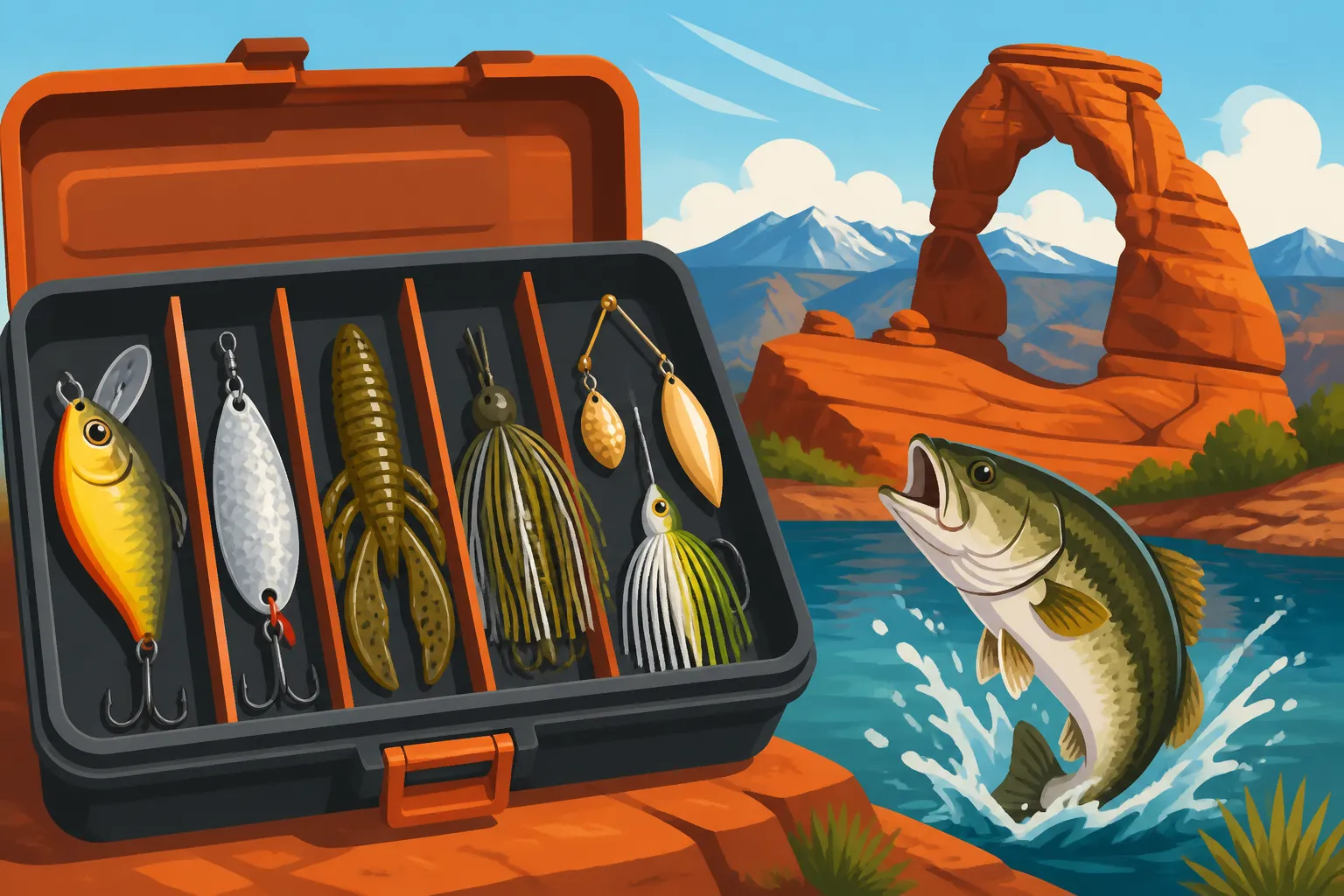
Hard baits come into their own when bass are active and chasing. Spinnerbaits and chatterbaits are excellent for covering water and fishing through sparse vegetation, with their flashing blades and vibrating action attracting aggressive strikes. Crankbaits, both shallow and deep diving, are perfect for mimicking baitfish or crawfish along rocky banks or drop-offs. For topwater action, nothing beats the thrill of a bass blowing up on a popper, walking bait, or hollow-body frog fished over lily pads. The best selection of lures for smallmouth bass will often be slightly different, favoring more compact baits that mimic crawfish or shad, such as small crankbaits, tubes, or finesse jigs. When fishing for smallmouth, checking out Best Lures for Utah Smallmouth Bass can give you an edge.
Walleye Lures: Jigs, Crankbaits, and Live Bait Rigs
Walleye are sought after for their delicious fillets and challenging nature. They are often light-sensitive and prefer deeper water or low-light conditions. Jigs are a staple for walleye anglers, especially when tipped with a minnow, nightcrawler, or a scented soft plastic. Lead-head jigs (1/8 oz to 1/2 oz) in various colors (chartreuse, orange, white, black) can be vertical jigged directly under the boat or cast and slowly retrieved along the bottom. The key is to keep the lure in contact with the bottom, where walleye often feed.
Trolling with crankbaits is another highly effective method for walleye, especially in large reservoirs like Utah Lake or Willard Bay. Crankbaits like Berkley Flicker Shad, Rapala Shad Rap, or Wally Divers in natural baitfish colors (perch, shad, silver) or bright patterns (firetiger, chartreuse) can be trolled at specific depths to cover large areas. The diving lip of the crankbait allows it to reach depths where walleye are holding. Often, anglers will run multiple lines with different baits and depths until they find what the fish prefer. Bottom bouncers combined with spinner rigs (like a crawler harness) are also lethal, especially for covering flats or breaking areas. When targeting walleye at night, especially at Utah Lake, understanding What Lures Work Best for Utah Lake Walleye After Dark? is essential, as is knowing How to Catch Walleye at Utah Lake in Spring for those pre-spawn runs.
Panfish Lures: Tiny Jigs and Micro Spoons
Panfish, including yellow perch, bluegill, and crappie, are abundant in many Utah waters and provide fantastic action, especially for kids and beginners. While they may be small, they can be a blast to catch and offer excellent table fare. The key to panfish success is usually small lures and light tackle.
Tiny jigs, ranging from 1/64 oz to 1/8 oz, are incredibly effective. These can be miniature marabou jigs, plastic tube jigs, or micro grubs on a small jig head. Colors like white, chartreuse, pink, and black are common producers. These jigs are often fished under a small bobber, allowing them to suspend at a specific depth, or slowly retrieved with subtle twitches. Tipping them with a small piece of live bait like a mealworm or wax worm can make them even more irresistible. Micro spoons, similar to the smallest trout spoons but often even lighter, can also entice panfish, especially perch, with their flash and wobble. During the winter, these tiny presentations are crucial for How to Catch Perch Through the Ice in Utah, as perch often school up and can be caught in large numbers. Ultralight spinning gear with 2-4 lb test line is ideal for maximizing the fight and detecting their often subtle bites.
Specialty Lures for Unique Utah Opportunities (Kokanee, Lake Trout, Tiger Muskie, Pike)
Utah offers some truly unique fishing opportunities for species that require specialized lures and techniques. These fish are often trophy-sized or provide distinct challenges that make them a rewarding pursuit for dedicated anglers.
Kokanee Salmon Lures: Trolling and Jigging Specialties
Kokanee salmon, the landlocked sockeye, are a popular target in several Utah reservoirs, most famously Strawberry, Flaming Gorge, and Jordanelle. These fish are notorious for their finicky bites and usually require trolling methods to be consistently successful, although they can be caught jigging, especially during their fall spawning runs.
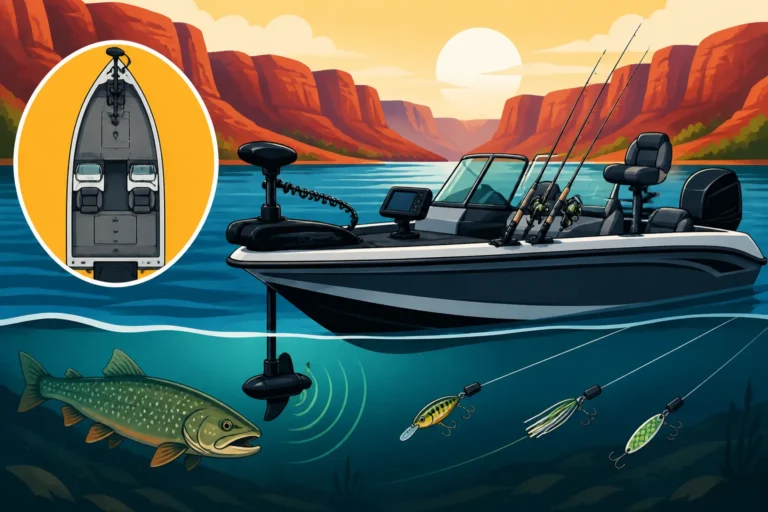
The most common setup for kokanee involves a dodger or flasher followed by a short leader (6-18 inches) to a small lure. Dodgers and flashers don't have hooks themselves; their purpose is to create flash, vibration, and an erratic darting motion that attracts kokanee to the trailing lure. Popular lures include small hoochies (squid skirts), wedding rings, and tiny spoons (like Rocky Mountain Tackle or Kokanee Killer spoons). These are often tipped with a kernel of shoepeg corn, which adds scent and a subtle visual attractant. Colors vary greatly depending on the day, but often include pink, orange, chartreuse, and sometimes blue. Trolling speed is critical, usually between 1.0 to 1.8 mph, to get the dodger/flasher working correctly. Downriggers are essential for getting these lures down to the precise depths where kokanee are suspended, which can vary from 15 feet to over 100 feet. Understanding What Trolling Speed Works Best for Kokanee Salmon? is key to success. During the fall, when kokanee stage for their spawn, vertical jigging with small spoons or specialized kokanee jigs can be effective, especially when you know How to Tell When Kokanee Are Staging to Spawn.
Lake Trout (Mackinaw) Lures: Deep Water Tactics
Lake trout, often called Mackinaw in Utah, are the apex predators of our deepest, coldest reservoirs, with Flaming Gorge and Bear Lake holding truly enormous fish. Catching these giants almost always involves deep-water tactics and heavy-duty lures.
Large spoons, often 4-8 inches long, are a go-to for lake trout. Brands like Daredevle, Castmaster, and specialized trolling spoons like those from Luhr-Jensen or T-Hex are popular. Colors can range from natural silver and blue to brighter patterns like chartreuse or glow-in-the-dark, which can be effective in deep, low-light conditions. Jigs, particularly large tube jigs (4-6 inches) or heavy bucktail jigs, are also excellent. These are often tipped with a piece of sucker meat or a large soft plastic swimbait to add scent and bulk. Fishing for lake trout usually involves downriggers to present these lures at depths from 40 to over 150 feet. How Deep Should You Set a Downrigger for Flaming Gorge Lake Trout? is a common question, and the answer often varies by season and time of day, requiring experimentation. Trolling large crankbaits, especially those designed to dive deep or be used with lead core line, can also be effective. Vertical jigging with large, heavy spoons or jigs is popular, especially during ice fishing season, as covered in How to Vertical Jig for Lake Trout Through the Ice. A quality fish finder is almost essential for locating these deep-dwelling giants and the baitfish they feed on.
Predator Lures for Tiger Muskie and Northern Pike
Utah's toothy predators, the tiger muskie (a sterile hybrid of muskie and northern pike) and the invasive northern pike, offer thrilling, often violent strikes. Tiger muskie are found in Pineview, Johnson Reservoir, and Newton Reservoir, while northern pike are primarily a concern in Utah Lake where they are an invasive species and require mandatory harvest. Both demand large, aggressive lures designed to trigger their predatory instincts.
For both species, large swimbaits (soft or hard, 6-12 inches), oversized crankbaits, and jerkbaits that mimic large baitfish are highly effective. These lures create a lot of commotion and displace a significant amount of water, drawing attention from a distance. Bucktail spinners, with their large, pulsating skirts and flash, are also excellent for covering water and exciting these aggressive fish. Colors that mimic local forage like perch, trout, or shad are good starting points, but bright colors like firetiger or chartreuse can also be irresistible. Topwater lures, particularly large walk-the-dog baits or buzzbaits, can provide heart-stopping action when these fish are active in shallow water. Heavy braided line, a stout rod, and steel or heavy fluorocarbon leaders are non-negotiable to handle their sharp teeth and powerful runs. If you're targeting the elusive tiger muskie, learning How to Catch Tiger Muskie at Pineview Reservoir and understanding What Lures Work Best for Tiger Muskie in Utah? will be invaluable. Remember to bring a good pair of long-nosed pliers for hook removal, as their teeth are no joke.
Essential Terminal Tackle and Accessories for Your Utah Tackle Box
Lures get all the glory, but no tackle box is complete without the unsung heroes: the terminal tackle and essential accessories that allow your lures to perform and keep you fishing effectively. These small but mighty components can make or break your day on the water.
Hooks, Sinkers, Swivels, and Leaders
Let's start with the basics. Hooks are, of course, critical. You'll need a variety of sizes and styles. Single hooks (Aberdeen, Baitholder) are great for live bait or plastics, while treble hooks are standard on most hard baits. Circle hooks are excellent for bait fishing, especially for catfish or when practicing catch-and-release, as they tend to hook in the corner of the mouth, minimizing harm. Always have some extra hooks on hand, as they can get dulled, bent, or lost.
Sinkers (or weights) are used to get your bait or lure to the desired depth. Bullet weights are popular for Texas-rigging bass plastics, while split shot are easy to pinch onto your line for light presentations. Egg sinkers or flat bottom sinkers are great for keeping bait on the bottom in current or deep water. A selection from 1/8 oz to 1 oz will cover most scenarios.
Swivels prevent line twist, which is a common problem with spinners and trolling setups. Barrel swivels are standard, but ball-bearing swivels offer superior anti-twist performance, especially important when trolling. Snap swivels add the convenience of quickly changing lures without retying.
Leaders are often overlooked but crucial. They are a short section of line, usually heavier mono or fluorocarbon, tied between your main line and your lure. They provide abrasion resistance against sharp rocks, fish teeth, or structure, and can make your main line less visible to wary fish. Fluorocarbon leaders are especially popular for their invisibility underwater. For species like tiger muskie or northern pike, a steel or heavy wire leader is absolutely essential to prevent bite-offs. It's also worth noting that choosing the right main line, as discussed in Best Fishing Line for Utah Trout, can influence your leader choices.
Line and Leader Materials
Your choice of fishing line is as important as your lure selection. Different types of line have different characteristics that suit various fishing situations in Utah.
Monofilament (Mono): This is the most traditional and often most affordable fishing line. It's stretchy, which can be a pro (acts as a shock absorber) or a con (less sensitive for feeling subtle bites). It's easy to tie knots with, floats, and comes in many colors. Mono is a great all-around choice for many trout, panfish, and general warmwater applications.
Fluorocarbon (Fluoro): Known for its invisibility underwater, fluorocarbon has a similar refractive index to water, making it nearly undetectable by fish. It's also more abrasion-resistant than mono and sinks, making it excellent for getting lures deeper or for finesse presentations where sensitivity is key. Many anglers use fluorocarbon specifically as a leader material due to its low visibility and strength.
Braided Line (Braid): Braid is incredibly strong for its diameter, has virtually no stretch (offering maximum sensitivity), and casts exceptionally well. Its lack of stretch makes it fantastic for feeling bites in deep water or when fishing soft plastics for bass. However, it is highly visible, can be difficult to tie knots with for beginners, and typically requires a fluorocarbon or monofilament leader. Braid is a favorite for bass, walleye, pike, and lake trout anglers where strength and sensitivity are paramount.
Tools and Storage
Beyond the fishing line and terminal tackle, a few key tools and good storage are indispensable for any Utah angler.
Pliers/Forceps: A good pair of fishing pliers is vital for removing hooks safely from fish, cutting line, and crimping weights. Long-nosed pliers are especially useful for reaching into a fish's mouth. If you plan on doing any fly fishing, hemostats or forceps are perfect for smaller hooks.
Line Clippers: Small, sharp clippers (or a multi-tool with a cutter) make quick work of trimming excess line after tying a knot, ensuring clean presentation.
Scale and Measuring Tape: If you're serious about tracking your catches, or if you need to adhere to specific length limits for certain species (like bass or walleye), a small scale and measuring tape are invaluable. Many digital scales also include a measuring tape.
Tackle Box/Bag: This is where all your precious lures and gear live! Good organization is key to efficiency on the water. Look for a tackle box or bag with adjustable compartments, clear lids, and durable construction. Waterproof options are a huge plus for protecting your gear from the elements. There are fantastic options at both Bass Pro Shops and Amazon that cater to every style of fishing and budget. A well-organized box, like those you can outfit using tips from Best Tackle Box Organizer for a Trout Angler, saves time and prevents frustration.
Other handy accessories: A small first-aid kit, sunscreen, insect repellent, a headlamp for early mornings or late evenings, and a reliable multi-tool should always have a spot in your fishing bag. A good net, especially a rubberized one for catch-and-release, is also critical for landing fish safely.
Building Your All-Season Utah Tackle Box: Seasonal Considerations
Utah's fishing opportunities change dramatically with the seasons. What works in the heat of summer won't necessarily be effective under a sheet of ice. An all-season angler understands these shifts and adjusts their tackle box accordingly, ensuring they're prepared for whatever the Utah weather and fish throw their way.
Spring: Runoff and Post-Spawn
Spring in Utah brings warmer temperatures, longer days, and often, significant snowmelt runoff. This can make river fishing challenging due to high, cold, and often muddy water. Fish in rivers might be more scattered or hunkered down, while reservoir fish might be moving into shallower areas for pre-spawn feeding.
For rivers during runoff, focus on heavier lures that can get down through the current and stained water. Spinners with large, bright blades (chartreuse, orange) and heavier spoons can be effective. Bait, like worms or PowerBait, fished on the bottom with enough weight to hold it in place, is also a go-to. For stillwaters, as the ice comes off (ice-off), fish become very active. Smaller crankbaits, spoons, and jigs are excellent as trout and other species begin to feed aggressively after a long winter. As the water warms a bit, post-spawn bass will start to become active, hitting spinnerbaits and crankbaits in warmer, shallower coves. This is a great time to experiment with different retrieve speeds as fish are often very hungry.
Summer: Deep Water and Topwater Action
Summer in Utah means hot days, but also incredible fishing, especially during the early morning and late evening hours. As water temperatures rise, many fish species move to deeper, cooler water, or seek refuge in shady areas.
For trout in reservoirs, this means targeting deeper structures with spoons, jigs, or even trolling with downriggers. Lake trout and kokanee will be holding at specific temperature breaks (thermoclines) and require specialized deep-water tactics. Bass, while they might hit topwater lures in low light, will often be found near deeper cover, drop-offs, or brush piles during the day, responding well to soft plastics, jigs, and deep-diving crankbaits. Walleye will also be deep, and trolling or vertical jigging with jigs and minnows or deep-diving crankbaits becomes crucial. For panfish in community ponds, early morning and late evening will see them more active in shallower water, but during midday heat, they too might move deeper or under cover. Carrying plenty of water and sun protection is a must for summer fishing trips.
Fall: Aggressive Feeding and Pre-Spawn
Fall is often considered one of the best times to fish in Utah. As temperatures drop and daylight hours shorten, many fish species enter a period of aggressive feeding to bulk up for the upcoming winter. This means fish are often more willing to chase and strike a variety of lures.
Trout in both rivers and lakes become very active. Larger brown trout in rivers will be preparing to spawn, often becoming very aggressive and susceptible to larger streamers (if fly fishing) or good-sized crankbaits and spoons that mimic baitfish. In reservoirs, trout will be chasing baitfish, making spoons and spinners highly effective. This is a prime time for kokanee salmon, as they begin their spectacular spawning runs, turning brilliant red and becoming catchable with specialized jigging techniques, especially in areas like Strawberry Reservoir. Bass will also be feeding heavily, often schooling up and chasing shad. Spinnerbaits, crankbaits, and even topwater lures can be highly effective during this period of intense feeding. The cooler weather also means you can comfortably fish throughout the day.
Winter: Ice Fishing and Tailwaters
When the snow falls and ice forms, many Utah waters transform into prime ice fishing destinations. However, not all waters freeze, and tailwaters below large dams often remain open year-round, offering unique winter fishing opportunities.
For ice fishing, your lure selection will shrink in size but not in effectiveness. Small jigs (1/32 oz to 1/8 oz) tipped with wax worms, mealworms, or PowerBait are deadly for trout, perch, and even walleye through the ice. Small spoons, like Kastmasters or specialized ice fishing spoons, jigged actively, can also draw strikes. For more specialized species like lake trout, larger tube jigs and spoons are jigged near the bottom. An auger for drilling holes, an ice shelter, and warm clothing are essential. For a deep dive into this, check out our Utah Ice Fishing Guide. Knowing How to Ice Fish for Trout in Utah will be a game changer for winter success. For open tailwaters, like the Green River below Flaming Gorge Dam or portions of the Provo, fish remain active but might be more lethargic. Small jigs, nymphs (if fly fishing), and subtle presentations with natural baits are often best, as fish conserve energy and focus on easy meals.
| Season | Target Species | Recommended Lure Types | Key Considerations |
|---|---|---|---|
| Spring | Trout, Bass, Walleye | Spinners, Spoons, Small Crankbaits, Jigs, Soft Plastics | River runoff (heavier lures), Post-ice off (active feeding), Pre-spawn (bass in shallows) |
| Summer | Trout, Bass, Walleye, Kokanee | Deep-diving Crankbaits, Jigs, Soft Plastics, Large Spoons (trolling), Topwater | Early/Late day fishing, Deep water focus, Thermocline targeting, Sun protection |
| Fall | Trout, Bass, Walleye, Kokanee, Lake Trout | Crankbaits, Spoons, Jigs, Soft Plastics, Bucktails, Specialized Kokanee Lures | Aggressive feeding (bulking up for winter), Pre-spawn activity, Kokanee spawning runs |
| Winter | Trout, Perch, Walleye, Lake Trout | Small Jigs, Ice Fishing Spoons, Tube Jigs, Live Bait Rigs (ice fishing) | Ice safety, Warm clothing, Light lines, Subtle presentations, Targeting open tailwaters if ice isn't safe |
Disclaimer
This article is for general informational purposes only and does not constitute professional advice. Laws, prices and regulations vary by location and change over time. Consult a qualified professional for guidance on your specific situation.