Best Spots to Fish From a Float Tube in Utah
It's an all too common scenario for anglers in Utah: you're standing on the shore, casting your line repeatedly, watching boats whiz by, and wondering how you can reach those promising pockets of water just out of casting range. The banks are crowded, or the shoreline is choked with weeds, making it impossible to get to the fish. That's precisely where the humble float tube shines, offering unparalleled access and a stealthy approach to some of the state's most productive, yet often overlooked, fishing spots. This guide will dive deep into why float tubes are a game-changer and reveal the best places to launch one in Utah, ensuring your next outing is a tranquil and successful one.
The Unsung Hero: Why Float Tubes Are Perfect for Utah's Waters
Float tubes, often seen as a niche piece of gear, are actually one of the most versatile and enjoyable ways to fish in Utah. They sit you right in the water, giving you an intimate connection with your surroundings that a boat just can't replicate. This isn't just about getting wet; it's about gaining an advantage that often leads to more fish and a much more peaceful experience.
The Stealth Advantage and Access to Unpressured Water
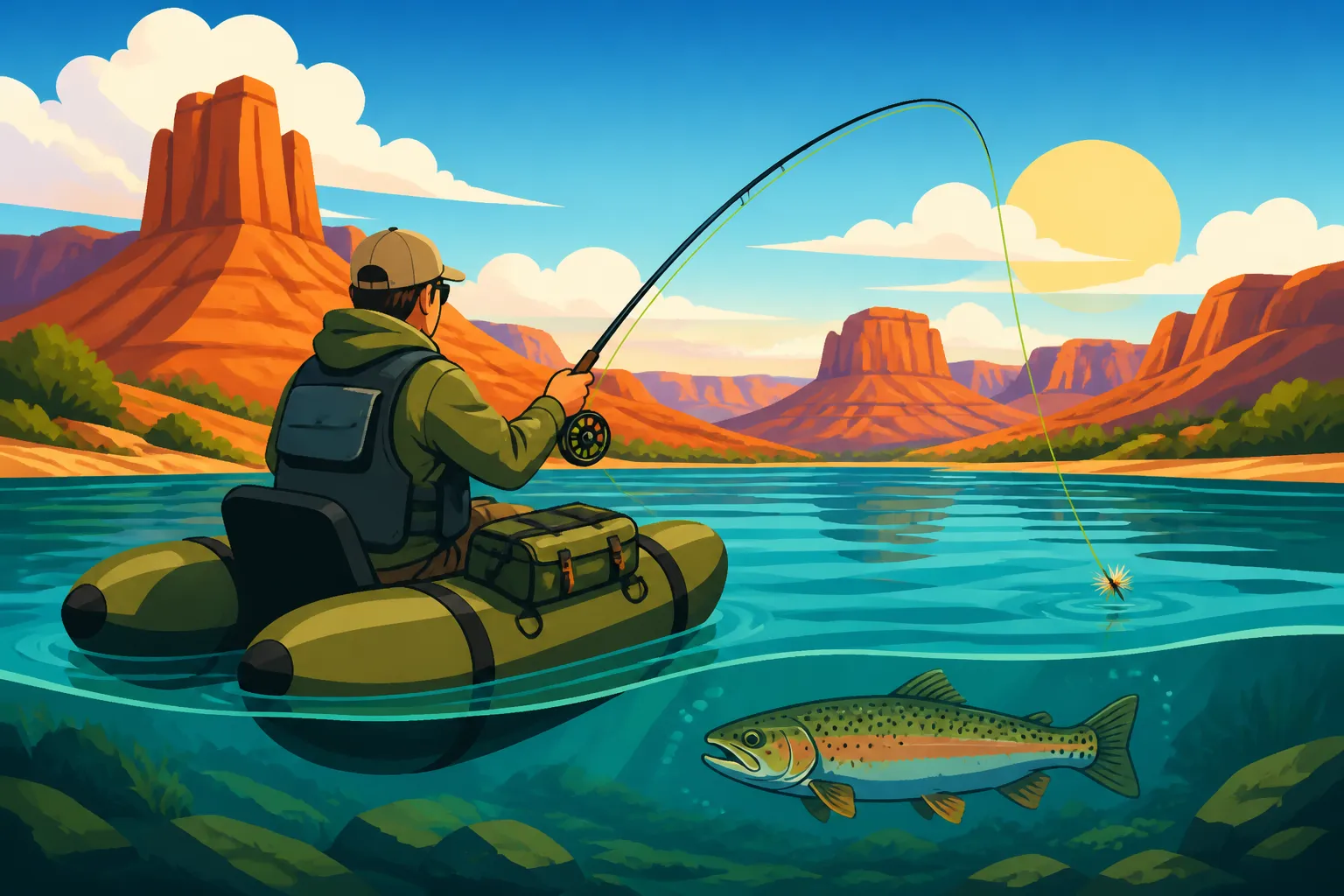
Think about it: a float tube allows for an incredibly quiet approach. You're not revving an outboard motor or slapping oars against the water. Instead, you're silently finning your way across the surface, practically becoming one with the environment. This stealth is crucial, especially in smaller lakes and reservoirs where fish can be easily spooked by boat traffic or heavy shore pressure. You can sneak into shallow coves, glide along weed lines, or drift quietly over submerged structures without sending ripples of alarm through the fish populations. This quiet approach means you can get closer to fish that might otherwise be wary, increasing your chances of a bite. Many times, you’ll find yourself in areas that larger boats can't navigate due to shallow water or obstructions, giving you exclusive access to untouched honey holes.
Maneuverability and Versatility on the Water
One of the biggest frustrations for many anglers is getting to that perfect spot, only to find the wind pushing them off course or the current making it impossible to hold position. Float tubes, especially with good fins, offer incredible maneuverability. You can pivot on a dime, backpaddle into tight spaces, or hold your position against a light breeze with minimal effort. This makes them ideal for targeting specific structure, working a weed edge, or presenting your fly or lure precisely where you want it. They are also remarkably versatile across different water types. While they might not be your first choice for the massive, choppy expanses of Lake Powell, they excel on calmer reservoirs, tranquil high-mountain lakes, and even some of the slower-moving sections of Utah's rivers. They're also fantastic for waters where motorized boats are restricted or entirely prohibited, opening up a whole new world of fishing opportunities. If you're looking to learn more about how to get the most out of this setup, our guide on how to fish from a float tube in Utah has some fantastic insights.
What Makes a Lake or Pond a Prime Float Tube Destination?
Not all waters are created equal when it comes to float tubing. While you could launch a float tube just about anywhere, certain characteristics make a water body truly shine for this particular method of angling. Understanding these factors will help you choose your next adventure wisely.
Ideal Water Characteristics for Float Tubing
The best float tube spots often share a few key traits. Firstly, size and wind exposure are paramount. Smaller to medium-sized lakes and reservoirs are generally preferred. They offer more sheltered coves and less open water, which means less risk of being caught in strong winds that can make float tubing uncomfortable or even dangerous. Wind is the enemy of the float tuber, pushing you around and making precise casting and presentation a nightmare. You'll want to avoid vast, open bodies of water known for heavy afternoon winds, or at least plan your trips for early mornings or calm evenings. Shallow areas, often inaccessible to traditional boats, are also a huge plus. Secondly, boat restrictions play a major role. Many waters in Utah restrict or prohibit gas-powered motors, allowing only electric motors or no motors at all. These are gold mines for float tubers, as they mean less competition and often less pressured fish. Lastly, consider the types of fish species and their habitats. Float tubes are exceptional for targeting trout, bass, and panfish that often inhabit shallower water, weed beds, or structure close to shore. Our comprehensive Utah Trout Fishing Tips guide can help you dial in your approach.
Accessibility and Safety Considerations
When choosing a float tube spot, "accessibility" takes on a slightly different meaning than for a power boater. You're looking for waters with easy walk-in access or short, manageable hauls from a parking area. Launching a float tube often involves carrying your gear a short distance, so a designated boat ramp isn't always necessary (though certainly convenient). Rocky, steep, or heavily vegetated shorelines can make launching a hassle. Beyond physical access, safety is always critical. Before heading out, always check the local weather forecast, paying close attention to wind predictions. A personal flotation device (PFD) is non-negotiable, even if you're a strong swimmer. Consider an anchor – even a small, collapsible one – to hold your position in a breeze or over a hot spot. It's also wise to let someone know where you're going and when you expect to return. Our guide on gear you need to fish from a float tube in Utah goes into more detail about essential safety equipment. When planning your trip, you might even consider resources like FishingBooker to scout out potential locations or find local insights into conditions, though a float tube trip is often more about self-reliance.
Top Utah Fishing Spots Tailored for Float Tubers
Utah boasts an incredible diversity of fishing waters, and many of them are absolutely perfect for float tubing. From tranquil mountain lakes to productive urban ponds, there's a float tube adventure waiting for you.
Northern Utah's Calm Waters
Northern Utah offers some fantastic, accessible options that are perfectly suited for float tube anglers. These waters are typically smaller, often have motor restrictions, and hold good populations of various species.
Mantua Reservoir
Mantua Reservoir, located in Box Elder County, is a gem for float tubers. Its relatively shallow nature and frequent weed beds make it less appealing for large motorboats, leaving plenty of open water for float tube enthusiasts. It's known for its abundant panfish (bluegill, perch) and a healthy population of largemouth bass. The lack of heavy boat traffic means a more peaceful experience and less pressure on the fish. You can easily access various points around the shoreline, making launching a breeze. Focus your efforts around the edges of weed beds and submerged structure for bass and panfish. Early mornings and late evenings are prime times, especially during warmer months.
East Canyon Reservoir
While East Canyon Reservoir can get busy with recreational boating, its numerous coves and arms, particularly further away from the main boat ramps, offer excellent float tube opportunities. Electric motors are allowed, which helps keep the overall noise down compared to waters with heavy gas motor traffic. East Canyon is a fantastic trout fishery, with rainbow and cutthroat trout being common catches. The deeper sections of the coves can be explored effectively from a float tube, allowing you to present flies or lures to cruising trout. Always check the current fishing conditions and regulations, especially the Utah Trout Limits by Water, before heading out. The scenery here is also breathtaking, adding to the enjoyment.
Little Dell Reservoir
Just a short drive from Salt Lake City, Little Dell Reservoir is a fantastic, somewhat hidden gem for float tubing. Crucially, only electric motors are allowed here, making it exceptionally calm and quiet. This reservoir is stocked with rainbow trout and also holds a good population of tiger trout. Float tubers can easily cover the entire reservoir, targeting various depths and structures. Its accessibility from the Wasatch Front makes it an ideal spot for a quick evening trip or a relaxed weekend outing. The calm waters are perfect for learning the ropes of float tube fishing or enjoying a peaceful day on the water without the hustle and bustle of larger, more popular destinations.
Central Utah's Diverse Float Tube Havens
Central Utah provides a mix of larger reservoirs with quiet coves and stunning mountain lakes, each offering unique float tubing experiences.
Strawberry Reservoir's Quiet Coves
Strawberry Reservoir is famous for its trophy cutthroat and rainbow trout, as well as kokanee salmon. While it's a large reservoir and can get very windy, especially in the afternoons, there are numerous sheltered coves and calmer sections that are perfect for float tubing. Areas like Strawberry Bay or Soldier Creek, particularly away from the main boat launches, offer ample space to paddle around and target fish without being buffeted by waves. You can sneak into shallow areas where big cutthroat might be cruising for food, or work the edges of drop-offs for deeper-holding fish. Remember to respect the Strawberry Reservoir Seasonal Closure Dates if fishing late in the year. While the reservoir can get busy, a float tube allows you to escape the crowds and find your own piece of tranquility. Don't forget to review the Strawberry Reservoir Trout and Kokanee Limit before you go.
High-Mountain Lakes in the Uintas
For the adventurous float tuber, Utah's high-mountain lakes, especially those in the Uinta Mountains, are unparalleled. These pristine, often remote lakes require a hike to access, which naturally limits fishing pressure and provides an incredible wilderness experience. Think about lakes along the Mirror Lake Highway or within the vast Uinta-Wasatch-Cache National Forest. These are typically stocked with various trout species, including brook, cutthroat, and rainbow trout. A float tube allows you to cover these smaller lakes thoroughly, reaching parts of the lake that shore anglers can only dream of. The challenge of packing in a float tube is rewarded with solitude, stunning scenery, and eager fish. You can find more information in our guide about the Uinta Mountains High Lakes Fishing, but be sure to check specific lake regulations as some may have special rules or be designated Utah Catch-and-Release Waters.
Southern Utah's Accessible Spots
Southern Utah, with its red rock landscapes, also offers some excellent, often overlooked, float tube opportunities.
Panguitch Lake
Panguitch Lake, nestled in the mountains of Southern Utah, is a renowned trout fishery. While popular with powerboaters, its relatively consistent depth and numerous points and coves make it an excellent float tube destination. Anglers can target large rainbow, cutthroat, and tiger trout. A float tube allows you to slowly work the contours of the lake, drift with the light breeze, and position yourself perfectly over promising structure or weed beds. The lake is generally more protected than some of the larger northern reservoirs, making for a more comfortable float tubing experience on most days. Early mornings are usually the calmest.
Minersville Reservoir
Minersville Reservoir, near Beaver, is another fantastic option for float tubers, especially if you're chasing trophy-sized rainbow trout. It’s known for producing some truly massive rainbows, and a float tube allows you to target them effectively. The reservoir is relatively small and manageable, and you can easily work the shorelines, submerged humps, and drop-offs. Being able to move silently and present flies or lures accurately makes a significant difference here. It's often less crowded than some of the more famous northern lakes, offering a peaceful fishing experience in a beautiful, high-desert setting.
Here's a quick comparison of some prime float tube spots:
| Location | Primary Species | Key Feature for Float Tubing | Best Time to Go | Accessibility for Launch | Notes |
|---|---|---|---|---|---|
| Mantua Reservoir | Bass, Panfish | Shallow, no gas motors, weed beds | Spring/Fall | Easy | Great for beginners, family-friendly. |
| East Canyon Reservoir | Rainbow, Cutthroat Trout | Sheltered coves, electric motors only | Spring/Summer/Fall | Moderate | Good for a mix of solitude and good fishing. |
| Little Dell Reservoir | Rainbow, Tiger Trout | Electric motors only, close to SLC | Spring/Summer/Fall | Easy | Very peaceful, ideal for quiet fishing. |
| Strawberry Reservoir | Cutthroat, Rainbow, Kokanee | Numerous coves, large trophy fish potential | Spring/Early Summer | Moderate | Watch for wind, target sheltered areas. |
| Uinta High Lakes | Brook, Cutthroat, Rainbow | Remote, pristine, wilderness experience | Summer (July-Sept) | Hike-in | Requires backpacking, ultimate solitude. |
| Panguitch Lake | Rainbow, Cutthroat, Tiger | Productive trout fishery, manageable size | Summer/Fall | Moderate | Can be busy, but float tube offers escape. |
| Minersville Reservoir | Trophy Rainbow Trout | Known for large fish, good access | Spring/Fall | Moderate | Less crowded, excellent for big trout. |
Essential Gear and Safety Tips for Your Float Tubing Adventures
Float tubing is relatively simple to get into, but having the right gear and understanding key safety protocols will make your experience much more enjoyable and, most importantly, safe.
Choosing Your Float Tube and Essential Accessories
The world of float tubes has come a long way. You'll generally find U-shaped, V-shaped, and pontoon-style float tubes. V-shaped tubes tend to track better and offer a bit more storage, while pontoon styles provide more stability and often a higher seating position, keeping you drier. Brands like Classic Accessories or Outcast make excellent float tubes that are durable and comfortable. Pair your tube with a good set of waders (neoprene for cold water, breathable for warmer temps) and comfortable fins that fit over your wading boots. A properly fitting PFD (personal flotation device) is absolutely essential; never leave shore without it. Beyond the tube itself, consider a small, collapsible anchor to hold your position, especially in breezy conditions or over a productive spot. A waterproof dry bag for your phone, keys, and wallet is a must. Don't forget basic tackle for Utah fishing techniques for beginners, including a compact tackle box with a variety of lures and flies, a landing net, and pliers for hook removal. For fly anglers, having the Best Flies for a Utah Fly Box will make a huge difference.
Prioritizing Safety on the Water
Safety in a float tube boils down to preparation and awareness. Always check the weather forecast before you go, paying particular attention to wind speeds and potential thunderstorms. Wind can quickly turn a pleasant outing into a struggle. If you see dark clouds or feel the wind picking up significantly, head for shore immediately. Dress in layers, even on warm days, as water temperatures can be surprisingly cold and you're partially submerged. Consider using a buddy system; fishing with a friend is always safer. If you're alone, inform someone of your exact location and expected return time. Stay hydrated, especially during summer months. Finally, know your limitations and don't push yourself into conditions that feel unsafe. Many Utah waters are susceptible to sudden changes in weather, and being prepared is your best defense. For example, our guide on how water temperature affects Utah trout fishing emphasizes the importance of understanding these environmental factors.
Disclaimer
The information provided in this guide is for informational purposes only and should not be taken as legal advice. Fishing regulations, license requirements, and safety guidelines can change. Always consult the official Utah Division of Wildlife Resources (DWR) website or publications for the most current and accurate rules and regulations before planning any fishing trip. Adhere to all local, state, and federal laws.