Green River Below Flaming Gorge Dam
Oh, the Green River below Flaming Gorge Dam! It's one of those bucket-list destinations that often leaves anglers feeling a mix of awe and slight intimidation. You hear the legends of massive trout and incredible hatches, but then wonder, "How do I even begin to tackle such a world-renowned fishery?" This guide is here to cut through the noise, validate those initial feelings of being overwhelmed, and provide you with a comprehensive, realistic roadmap to successfully fish this incredible stretch of Utah water.
Understanding the Green River's Blue Ribbon Status Below Flaming Gorge
There’s a reason the Green River below Flaming Gorge is practically whispered about in reverent tones among anglers. It’s not just a river; it’s a living legend, a true blue-ribbon fishery that holds its own against any trout stream in the world. But what makes it so special, and how does the water from a massive dam create such a perfect environment for trout? Let's dive into the unique ecosystem at play here.
The Tailwater Ecosystem and Its Trout
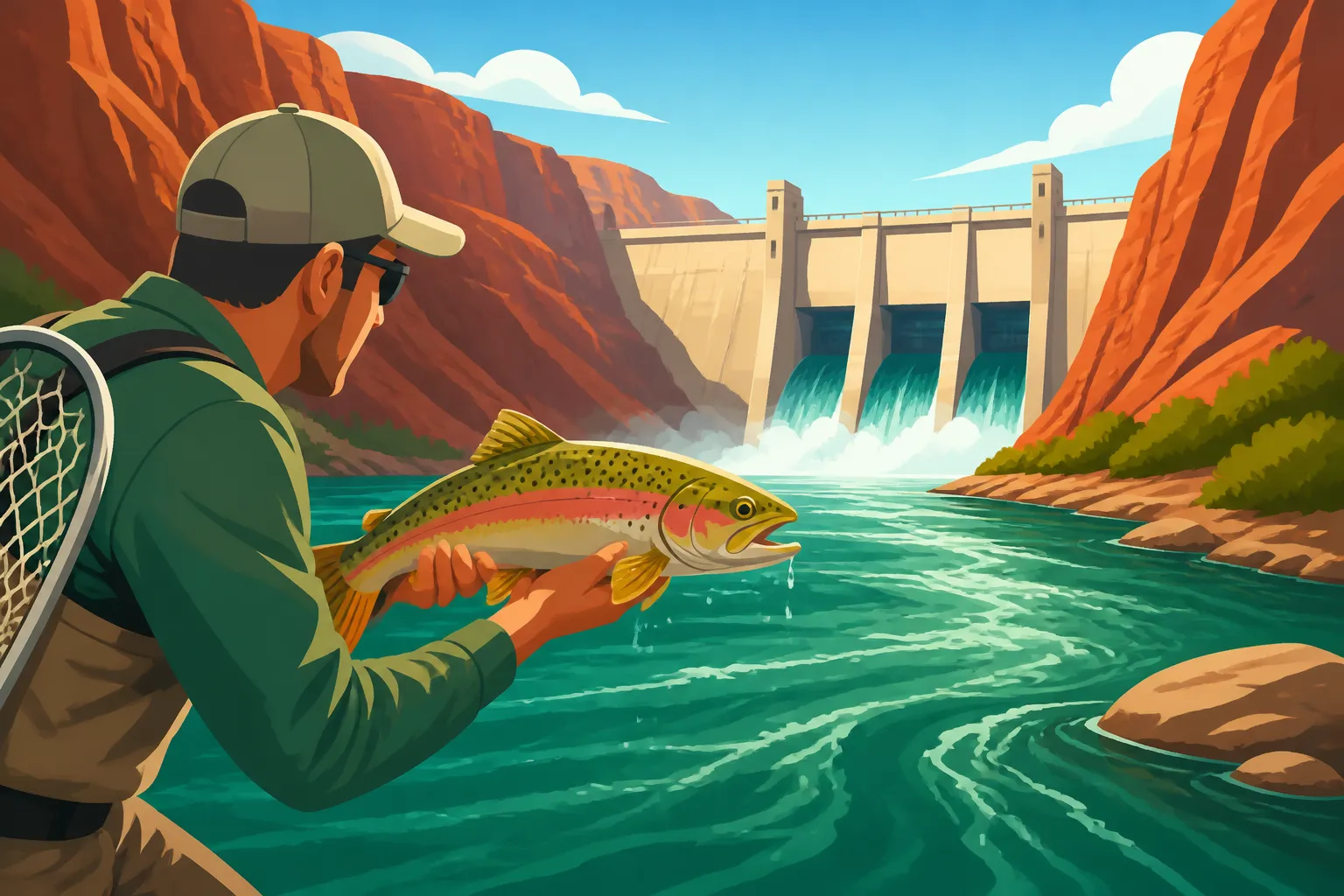
A "tailwater" is a river section immediately downstream from a large dam, and in the case of Flaming Gorge, it's the secret sauce. The Flaming Gorge Dam releases cold, oxygen-rich water from the bottom of the reservoir, creating an incredibly stable and fertile environment for trout, almost year-round. This consistent temperature and flow regime means abundant aquatic insect life, which in turn means healthy, fast-growing trout. We're talking about a phenomenal population of brown trout, rainbow trout, and even some native cutthroat trout, often referred to as "cut-bows" when they interbreed. Many of these fish reach impressive sizes, thanks to the constant buffet of midges, mayflies, caddis, and stoneflies available to them. It's a prime example of how human engineering, when managed correctly, can create an ecological marvel for anglers.
Unique Characteristics of the Green River Sections
The Green River below Flaming Gorge is typically divided into three distinct sections, often simply called A, B, and C. Each offers a slightly different experience, varying in accessibility, fish density, and the size of the trout you might encounter. Understanding these differences is key to planning your trip and maximizing your success.
Section A: The Classic Float
Section A, stretching from the base of Flaming Gorge Dam down to Little Hole, is arguably the most famous and most frequently fished stretch. This 7-mile section boasts the highest fish count per mile, often exceeding 10,000 trout! It’s readily accessible from the dam launch and the take-out at Little Hole, making it incredibly popular for guided drift boat trips and casual floats. The scenery here is nothing short of spectacular, with towering red rock canyons framing every bend. The water consists of a beautiful mix of long, smooth runs, quick riffles, and deep, inviting pools, providing diverse holding water for trout. Because of its popularity, you'll often see multiple boats on the water, especially during peak seasons, but the sheer number of fish means there's usually plenty of action to go around.
Section B: More Solitude, Bigger Fish Potential
Moving downstream from Little Hole to Indian Crossing, you enter Section B. This 8-mile stretch still offers excellent fishing but sees significantly less angler pressure than Section A. The river starts to spread out a bit more here, with some wider sections, more braided channels, and a wilder feel. While the fish count per mile might be slightly lower than in Section A, many anglers swear that Section B holds a better chance at hooking truly trophy-sized brown trout. Access becomes a little more challenging, often requiring a longer float or a more dedicated walk-in, which contributes to the quieter experience. You'll find diverse water types, including some faster rapids and deeper pockets, demanding a bit more navigation skill if you're floating yourself.
Section C: Wilderness and Giants
The most remote and least fished section is Section C, running approximately 9 miles from Indian Crossing down to Swallow Canyon. This is where the Green River really earns its wilderness credentials. Access is limited, often requiring multi-day trips with camping along the riverbanks. It's a true backcountry experience, offering unparalleled solitude and a real sense of being away from it all. The fish density is lower here, but the potential for truly massive, wild brown trout is very real. These fish are often more wary and require more finesse, but the reward of landing a giant in such pristine surroundings is something special. If you're looking for an adventure and aren't afraid of committing to a longer trip, Section C offers a unique and unforgettable angling journey.
Essential Gear and Tackle for Green River Success
Preparing for a trip to the Green River means thinking about specific gear that stands up to its demands and maximizes your chances of success. While it’s a world-class trout fishery, the methods and tackle often lean towards a specific type of angling, especially for those pursuing its famed trout.
Fly Fishing Essentials for Provo River-esque Conditions
Fly fishing is undoubtedly the reigning king on the Green River, and for good reason—the abundant insect life creates incredible opportunities for matching the hatch. When it comes to your setup, think versatile and sensitive. A 4 to 6-weight fly rod, typically between 8.5 and 9 feet long, is the sweet spot. A 5-weight is probably the most commonly recommended choice, offering enough backbone for larger fish while still allowing for delicate presentations. Pair that with a reliable, smooth-dragging fly reel and a weight-forward floating line. When it comes to leaders and tippet, discretion is often the better part of valor; a 9-foot leader tapering down to 4X or 5X fluorocarbon tippet is a solid starting point, especially for nymphing or dry-dropper rigs. For those truly technical dry fly situations, you might even drop down to 6X.
The fly box itself is where you'll want variety. Given the diverse aquatic and terrestrial insects, a good selection is crucial. For nymphing, which is often the most consistent method, ensure you have patterns like Zebra Midges (black, red, olive), RS2s, sowbugs, scuds, Pheasant Tail Nymphs, Prince Nymphs, and San Juan Worms. These imitate the most common subsurface food sources. When the fish are looking up, a range of dry flies is important: tiny midges, various caddis patterns (Elk Hair Caddis, X-Caddis), PMDs (Pale Morning Duns), BWOs (Blue-Winged Olives), and even terrestrial patterns like grasshoppers and ants for summer and fall. And don't forget a few streamers, such as Woolly Buggers (black, olive, brown) or Sculpzillas, especially for targeting aggressive brown trout or when the water is a bit off-color. For more specific setups, you might find tips on something like the optimal "Best Nymph Rig for the Green River Tailwater" or even general guidance from a comparable river like the Provo River, such as choosing the "Best Fly Rod Weight for the Provo River".
Spin Fishing Considerations
While the Green River is famous for its fly fishing, it's absolutely possible to catch fish with spin tackle, although it's less common and often more challenging due to the specific conditions and wary trout. If you're going the spin fishing route, think ultra-light. A light action spinning rod, around 6 to 7 feet, paired with a small spinning reel spooled with 4-6 pound test monofilament or fluorocarbon line, will be your best bet. The key is small, subtle presentations.
Forget the big, flashy bass lures; on the Green, you'll want compact offerings. Small inline spinners like Mepps or Panther Martins in sizes #0 or #1, small spoons (like Kastmasters or Dardevles), or tiny jigs tipped with a grub tail or Gulp! bait can be effective. Focus on casting upstream and letting your lure drift naturally through runs and pools, mimicking a distressed baitfish or insect. The challenge comes from the crystal-clear water and the selective nature of the trout, which can be easily spooked by unnatural presentations or heavy lines. Additionally, dealing with snags can be a constant battle in the rocky, structured riverbed. While not the traditional approach, spin fishing can still yield results, especially for anglers who prefer this method and commit to a delicate, stealthy approach.
Mastering Techniques for Each Section
Fishing the Green River effectively isn't just about having the right gear; it's about understanding how to present your flies or lures in its unique environment. The techniques you employ will often depend on the specific section you're fishing, the current conditions, and what the trout are feeding on.
Fly Fishing Strategies for Different Flows and Hatches
The Green River is a masterclass in dynamic fly fishing, constantly changing with dam flows, insect hatches, and seasonal variations. Nymphing is, by far, the most consistent and productive method here. An indicator nymph rig, where you use a strike indicator to suspend one or two weighted nymphs at the correct depth, is a staple. Vary your depth until you find where the fish are holding, often near the bottom in runs and pools. Euro nymphing, or tightline nymphing, is another highly effective technique, particularly in faster water or when you need a more direct connection to your flies. This method uses longer, sensitive rods and specialized leaders to detect subtle takes without an indicator. Remember that a natural drift is paramount; any drag will quickly put the fish off.
When hatches occur, the river comes alive, and dry fly fishing becomes incredibly exciting. Pay close attention to the water's surface for rising fish and observe what they're eating. Matching the hatch precisely in terms of size, shape, and color can make all the difference. Sometimes, even if fish aren't visibly rising, prospecting with an attractive dry fly, perhaps with a small nymph dropper below it (a dry-dropper rig), can elicit strikes. Streamer fishing is another powerful strategy, especially for targeting the larger, more aggressive brown trout. Casting streamers across and down-stream, then stripping them back with an erratic motion, can imitate baitfish and trigger a predatory response. Learning to read the water – identifying current seams, eddies, riffles, and structure – is fundamental to knowing where fish will hold and how to present your fly effectively, regardless of the technique.
Navigating the River: Drift Boats, Walk-Wading, and Access Points
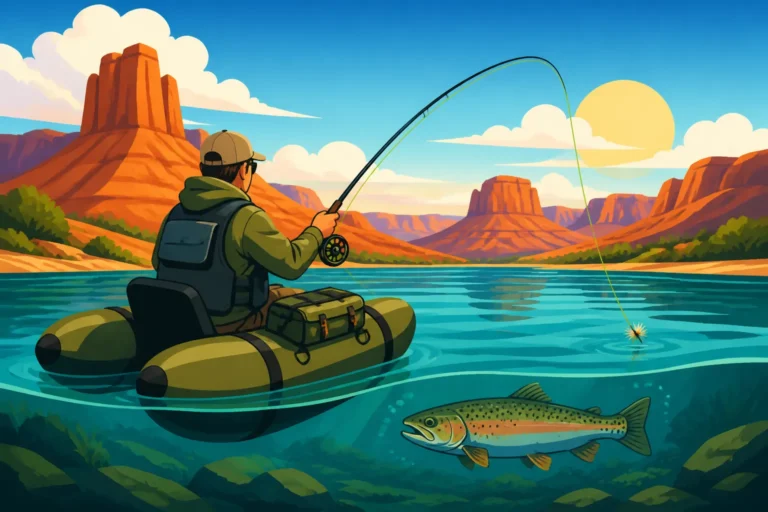
The Green River offers various ways to experience its waters, each with its own advantages. For many, a drift boat trip is the quintessential Green River experience. Most guided trips, and many DIY anglers, launch right below the Flaming Gorge Dam and float down to Little Hole, Indian Crossing, or even further to Swallow Canyon. Floating provides access to vast stretches of prime water that are difficult or impossible to reach on foot. Guided trips are highly recommended, especially for first-timers, as experienced guides know the river's nuances, current hotspots, and can provide invaluable local knowledge and instruction. You can often find fantastic guides through services like FishingBooker, who are experts in navigating the Green River's currents and finding those elusive fish. If you're interested in learning more about this method, you might check out resources like "How to Fly Fish From a Drift Boat on the Green River" for in-depth insights. For those bringing their own boat, considering the "Best Drift Boat Size for Two Anglers" or more is important for comfort and maneuverability.
For anglers who prefer to stay on terra firma, walk-wading is a viable option, particularly in Section A near the dam and around the Little Hole recreation area, which offers excellent bank access and designated trails. While these areas can be more crowded, they provide opportunities to fish productive runs and pools. In Sections B and C, walk-wading becomes more challenging due to the terrain and limited access points, often requiring longer hikes or venturing off-trail. Always prioritize safety, especially when wading in swift currents, and be mindful of other anglers, particularly those in drift boats, by giving them ample space. Respecting private property along the riverbanks is also crucial for maintaining good angler relations.
Seasonal Strategies and What to Expect
The Green River offers fantastic fishing opportunities throughout the year, but what works best, and what you can expect to encounter, changes significantly with the seasons. Understanding these seasonal shifts is key to planning your trip and tailoring your approach.
Spring Runoff and Early Season Opportunities
Unlike many freestone rivers in Utah that become raging, muddy torrents during spring runoff, the Green River's tailwater status from Flaming Gorge Dam typically provides a more stable environment. While flows can increase significantly, the water generally remains clear, allowing for continued excellent fishing. This stability is a huge advantage, as it means the Green often becomes one of the best options in the state when other rivers are unfishable. Early spring (March-April) can see robust midge and BWO (Blue-Winged Olive) hatches, offering some fantastic dry fly opportunities on warmer days. As flows increase in late spring (May-June), nymphing with heavier patterns and sometimes fishing streamers becomes particularly effective, targeting fish holding tight to the bottom or structure to avoid strong currents. This period can also offer some of the largest trout as they shake off winter sluggishness and feed aggressively.
Summer and Fall: Prime Time for Trophy Trout
Summer (July-August) on the Green River is characterized by consistent insect activity, including stoneflies, caddis, and a variety of mayflies. Terrestrial patterns like grasshoppers, ants, and beetles also become incredibly effective as they tumble into the water from the riverbanks. The long, warm days mean plenty of time on the water, and the fishing can be exceptional, especially during morning and evening hatches. This is a popular time for multi-day float trips through the more remote sections. For finding the best times to go, especially with a guide, you could explore booking options on FishingBooker to secure a prime date.
Fall (September-November) is often considered the most glorious time to fish the Green River. The crowds begin to thin, the weather becomes crisp and pleasant, and the canyon walls explode with vibrant autumn colors. More importantly, the brown trout become incredibly aggressive as they prepare for their spawn. This is prime time for streamer fishing, where you can entice some truly massive browns with larger, more assertive presentations. Nymphing remains highly productive, and strong BWO hatches can offer superb dry fly action on overcast days. Many anglers target fall specifically for the chance at a trophy brown, making it a highly anticipated season.
Winter Fishing: A Solitary Reward
Don't let the thought of cold deter you; winter fishing (December-February) on the Green River can be a uniquely rewarding experience. The crowds are almost non-existent, and the river takes on a serene, tranquil beauty. While the fishing can be more technical, it's far from impossible. Trout metabolism slows down in the colder water, making them less active, but they still need to feed. This means very subtle presentations with tiny nymphs, especially midges, sowbugs, and scuds, are the name of the game. European nymphing techniques really shine in these conditions, allowing for precise depth control and sensitive bite detection.
Successful winter angling requires careful layering of clothing and attention to safety. Warm gloves, hats, and insulated waders are essential. You might want to refer to guides like "How to Stay Warm Ice Fishing in Utah" for general principles of staying warm in cold conditions, even though it's a river, or "How to Layer Clothing for a Utah Winter Fishing Trip" to ensure you're adequately dressed. The reward for braving the cold is often the solitude of having a world-class fishery almost entirely to yourself, punctuated by the thrill of hooking a strong, healthy trout against a backdrop of frosted canyon walls.
Navigating Regulations and Ethical Angling
Fishing on the Green River below Flaming Gorge isn't just about catching fish; it's about being a responsible steward of an incredible natural resource. This section operates under specific rules designed to protect its unique trout populations, and practicing ethical angling is paramount to preserving its blue-ribbon status for future generations.
Understanding Special Regulations and Catch Limits
It's absolutely crucial to remember that the Green River below Flaming Gorge Dam is designated as a "Special Regulation Water" by the Utah Division of Wildlife Resources (UDWR). This means the general statewide fishing regulations often do not apply here. For example, specific sections might have restrictions on bait, require barbless hooks, or implement mandatory catch-and-release rules for certain species or size classes, especially for the native cutthroat trout or larger brown trout. These regulations are designed to manage the unique fishery, protect vulnerable populations, and promote trophy fish growth.
Before you even tie your first knot, make sure you've thoroughly reviewed the most current Utah Fishing Regulations Explained document from the UDWR. You don't want to accidentally run afoul of the law, as penalties for violations can be significant. Often, sections of the Green River are designated as "Utah Catch-and-Release Waters", meaning all fish must be immediately and carefully returned to the river. Always carry a copy of the regulations, either digitally on your phone or a physical printout, and understand them fully. Ignorance of the rules is never an excuse, and game wardens patrol these waters regularly.
Conservation and Best Practices for a Fragile Fishery
Beyond the written regulations, ethical angling practices are vital for the long-term health of the Green River's ecosystem. One of the most important principles is "Leave No Trace." This means packing out everything you pack in, including all trash, broken fishing line, and any other debris. The pristine beauty of the Green River is part of its allure, and it's our collective responsibility to keep it that way.
For catch-and-release, which is a significant component of fishing on the Green, proper fish handling is critical to minimize stress and mortality. Always try to keep the fish in the water as much as possible, especially when unhooking and taking photos. Use a rubber mesh landing net to protect their slime coat and fins. Avoid squeezing fish, especially around their internal organs. If you need to handle a fish, do so with wet hands. Revive tired fish by holding them gently in the current until they can swim away strongly on their own. For more detailed guidance, consider learning "How to Release a Fish Without Hurting It in Utah". Respecting other anglers and giving them space is also key to a pleasant experience for everyone. If you're floating, avoid fishing directly behind another boat or group that's actively fishing. If you're wading, be mindful of where you cast to avoid interfering with others. Many anglers choose to fish with professional guides found through services like FishingBooker precisely because these guides are deeply knowledgeable about both effective techniques and the ethical practices that sustain this fragile, precious fishery.
| Green River Section | Length | Primary Access | Typical Fish Size | Angler Pressure | Key Characteristics |
|---|---|---|---|---|---|
| Section A | 7 miles | Dam, Little Hole | Abundant, mixed sizes | High | Highest fish count, stunning canyon, easy access |
| Section B | 8 miles | Little Hole, Indian Crossing | Good, potential for larger | Medium | Wild feel, more challenging, good trophy potential |
| Section C | 9 miles | Indian Crossing, Swallow Canyon | Fewer, but potential for giants | Low | Most remote, wilderness experience, true solitude |
Disclaimer
Please note that fishing regulations, conditions, and fish populations can change. Always consult the official Utah Division of Wildlife Resources (UDWR) website or current fishing guide for the most up-to-date regulations before heading out. Safety should always be your top priority when recreating outdoors.