Which Uinta Lakes Require a Hike to Reach?
It's a common frustration for many anglers in Utah: you head to a beautiful reservoir, full of anticipation, only to find the best spots are packed with people, motorboats are roaring past, and the sense of solitude you crave is nowhere to be found. For those of us yearning for that pristine, quiet fishing experience, far from the madding crowd, the Uinta Mountains offer an unparalleled escape. This guide will walk you through the stunning high-altitude lakes that require a hike to reach, ensuring your next fishing adventure is truly an unforgettable, solitary journey into nature's embrace.
Why Embrace the Uinta Wilderness for Fishing?
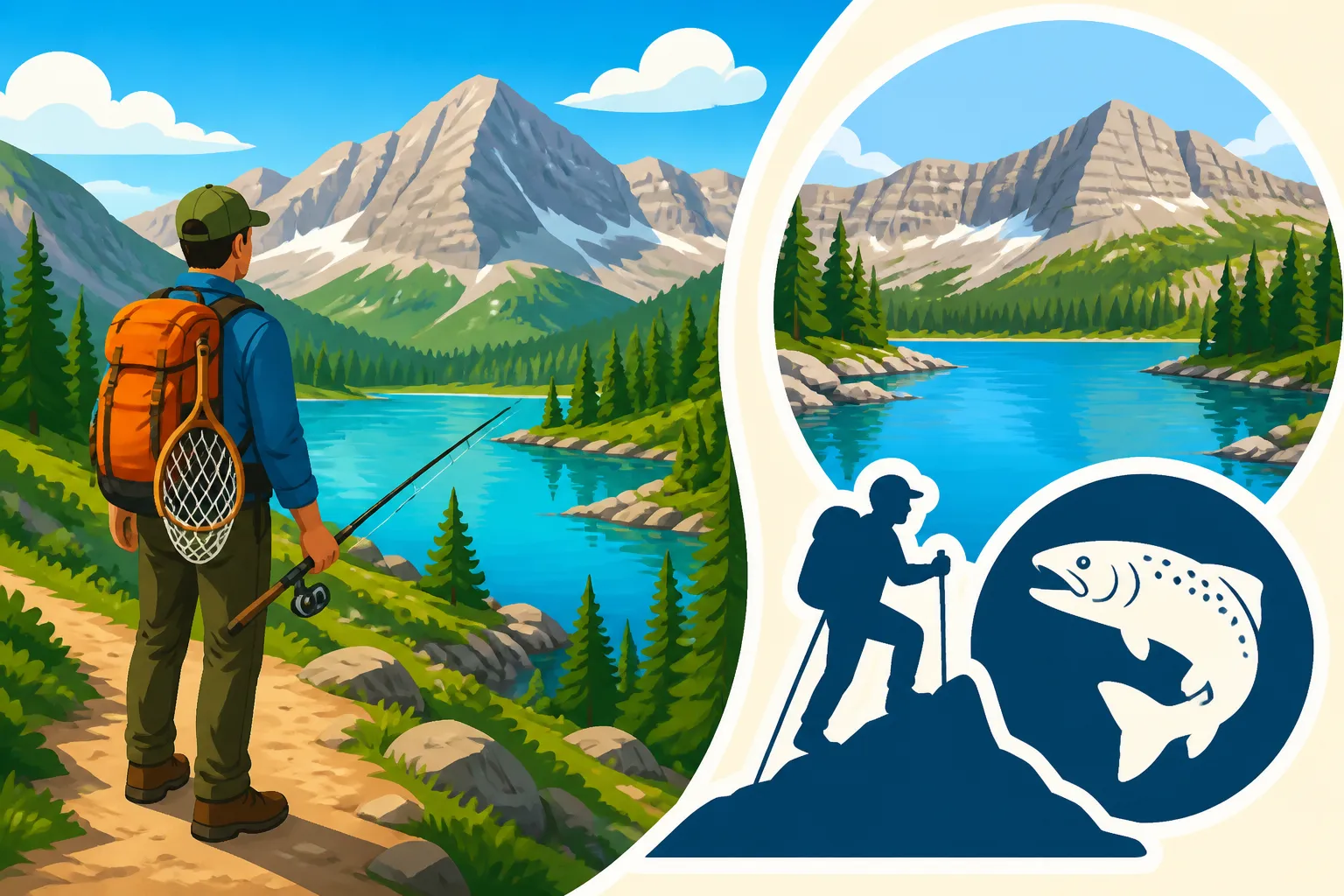
Let's be honest, there's a certain magic to earned experiences. While easily accessible lakes and reservoirs along the Wasatch Front or in the Uinta Basin offer fantastic fishing, they rarely deliver the profound sense of accomplishment and natural beauty that comes with a backcountry trip. The Uinta Mountains, Utah's highest range, are a vast expanse of jagged peaks, ancient forests, and thousands of clear, cold alpine lakes. Many of these glittering gems are simply unreachable by vehicle, demanding a hike to unveil their secrets.
The rewards for your effort are immense. Imagine casting your line onto water so clear you can see the trout darting beneath the surface, with not another soul in sight, surrounded by towering granite and the whisper of the wind through pine trees. These high-elevation lakes are often home to vibrant populations of wild, colorful trout, including cutthroat, rainbow, brook, and even some rare tiger trout, that thrive in the nutrient-rich, oxygenated waters. The fish here are often less pressured, offering a more responsive bite and a genuinely thrilling angling experience. Beyond the fish, it's an opportunity to truly disconnect, breathe fresh mountain air, and reconnect with the raw beauty of the Utah wilderness.
Essential Preparations for Your Hike-In Angling Adventure
Embarking on a hike-in fishing trip in the Uintas isn't something you can do on a whim. These are high-altitude, often remote environments that demand careful planning and appropriate gear. The weather can change in an instant, even in the height of summer, swinging from warm sunshine to sleet or hail within hours. Preparing diligently ensures both your safety and enjoyment.
Dialing in Your Backcountry Fishing Gear
When you're carrying everything on your back, every ounce counts. This means choosing multi-purpose gear and packing only the essentials. For your fishing setup, think ultralight spinning rods or a breakdown fly rod that fits easily into your pack. Small tackle boxes filled with compact lures, spinners, or a selection of high-altitude flies like woolly buggers, elk hair caddis, and small nymphs are ideal. Don't forget extra leader, tippet, and a small net with a rubber bag to minimize harm to fish you intend to release. Beyond fishing, your camping and hiking gear is paramount. A lightweight backpacking tent, a sleeping bag rated for colder mountain nights (even in summer), a portable stove, and a reliable water filter or purification tablets are non-negotiable. For a deeper dive into what to bring, check out our guide on How to Pack Fishing Gear for a Backpacking Trip to Uinta Lakes, and make sure you've selected some of the Best Backpacks for Hiking to Uinta Lakes to carry it all comfortably.
Layering your clothing is also critical for the unpredictable mountain environment. Even if the forecast calls for warm days, evenings and early mornings can be chilly, and afternoon thunderstorms are a common occurrence. Think moisture-wicking base layers, insulating mid-layers, and a waterproof/windproof outer shell. Learning How to Layer Clothing for a Utah Winter Fishing Trip can even provide valuable insights for shoulder season Uinta trips, as conditions can be surprisingly similar.
Navigating Regulations and Wilderness Etiquette
Before you even hit the trail, it's vital to understand the rules of the road – or, in this case, the trail. While most areas of the Uinta-Wasatch-Cache National Forest don't require specific permits for day hiking or overnight stays (unless you're in a large group or specific designated areas), it's always best to double-check with the local ranger district. More importantly, ensure you have a valid Utah fishing license. You can find comprehensive information in our Utah Fishing License Guide and get a deeper understanding of species-specific rules in Utah Fishing Regulations Explained. Remember, catch limits and bait restrictions still apply, even in remote waters.
Beyond permits, practicing Leave No Trace principles is paramount in these fragile ecosystems. Pack out everything you pack in, including all trash and fishing line. Bury human waste properly, keep campfires small (or use a stove), and minimize your impact on vegetation. The goal is to leave the wilderness as pristine as you found it, allowing future generations to enjoy the same solitude and beauty. If you're looking for an experienced guide to help you plan your first backcountry adventure or want local insights on current conditions, a quick search on FishingBooker might connect you with the expertise you need.
Notable Uinta Lakes Requiring a Hike
The Uinta Mountains boast hundreds, if not thousands, of lakes, but only a fraction are easily accessible by vehicle. The true gems, the ones that offer unparalleled solitude and wild fishing, are nestled deep within the backcountry. The length and difficulty of the hike can vary wildly, from a moderate couple of miles to arduous treks requiring multiple days.
The Highline Trail and Its Offshoots
The Highline Trail, often called the "backbone of the Uintas," stretches for over 100 miles across the range. While hiking the entire trail is a monumental feat, numerous access points along its length lead to incredible fishing opportunities. Many of the most iconic and rewarding lakes are found a few miles off the main trail, requiring you to navigate smaller, less maintained paths. This is where you truly find solitude.
- Red Castle Lakes: Perhaps one of the most iconic backcountry destinations, the Red Castle Lakes are a series of stunning emerald pools nestled beneath a dramatic, rust-colored quartzite peak resembling a medieval castle. The hike typically starts from the China Meadows trailhead and is a strenuous 10-15 miles roundtrip, with significant elevation gain. These lakes are famous for their abundant populations of beautiful cutthroat trout and can offer incredible dry fly fishing during the summer months.
- Chain Lakes: Accessed from various trailheads like Christmas Meadows or even Grandview, the Chain Lakes are a series of interconnected lakes that offer diverse fishing opportunities. The hike can range from 7 to 10 miles one-way, depending on your starting point. You'll find a mix of rainbow, brook, and cutthroat trout here. The sheer number of lakes in this system means you can often find a secluded spot, even if the main trails are busy.
- Fish Creek Lakes: Located deeper in the wilderness, the Fish Creek Lakes offer excellent brook trout and cutthroat fishing. Access usually involves a substantial hike, often 8+ miles, from trailheads like the Highline Trail or East Fork Bear River. These lakes are known for their picturesque settings and often require a multi-day trip to fully explore and fish effectively.
Remote Lakes of the Western and Southern Uintas
While the eastern Uintas are popular, the western and southern flanks of the range also hold incredible hike-in fishing opportunities, often with slightly less foot traffic.
- Dead Horse Lake: Found in the western Uintas, typically accessed via the Trial Lake or Crystal Lake trailheads, Dead Horse Lake is a high-altitude gem known for its sizable brook trout. The hike can be around 5-7 miles, making it a challenging but rewarding day trip or an excellent overnight destination. The surrounding landscape is classic high Uinta – rugged and beautiful.
- Mirror Lake Highway Backcountry: While the Mirror Lake Highway itself is easily accessible, many excellent fishing lakes are just a few miles off the paved road. Lakes like Wall Lake, Notch Lake, and some of the higher lakes accessible from the Bald Mountain Pass trail offer shorter, but still significant, hikes to reach. These are great options for those looking for a taste of backcountry fishing without committing to a multi-day expedition. You'll find a variety of trout species, including rainbow and brook trout, in these waters. For a general overview of the region's fishing, explore our Uinta Mountains High Lakes Fishing guide.
Here's a quick overview of some popular hike-in destinations:
| Lake Name | Typical Trailhead | Approx. One-Way Hike Distance | Elevation Gain (approx.) | Primary Fish Species | Notes |
|---|---|---|---|---|---|
| Red Castle Lakes | China Meadows | 10-12 miles | 2,000+ feet | Cutthroat, Brook | Iconic, multi-day trip recommended. |
| Chain Lakes | Christmas Meadows | 7-10 miles | 1,500+ feet | Rainbow, Brook, Cutthroat | Numerous interconnected lakes. |
| Dead Horse Lake | Trial Lake | 5-7 miles | 1,000+ feet | Brook, Rainbow | Popular for day trips or overnight. |
| Fish Creek Lakes | East Fork Bear River | 8-10 miles | 1,800+ feet | Brook, Cutthroat | Requires commitment, very scenic. |
| Wall Lake | Mirror Lake Highway | 2-3 miles | 500 feet | Cutthroat, Rainbow | Shorter hike, can be busy on weekends. |
| Cliff Lake | Grandview | 4-5 miles | 800-1,000 feet | Rainbow, Brook | Good for a challenging day hike. |
Note: Hike distances and elevation gains are approximate and can vary based on the specific route and conditions.
Making the Most of Your Remote Angling Experience
Once you've picked your destination and prepared your gear, the real adventure begins. But knowing how to approach these unique waters can make all the difference in your success and overall enjoyment.
When to Go and How to Fish These Waters
The fishing season in the high Uintas is surprisingly short, primarily dictated by snowmelt and ice-off. Most high-altitude lakes are accessible from late June or early July through late September or early October. Trying to get in too early means dealing with lingering snowfields and potentially still-frozen lakes, while going too late brings the risk of early snowstorms. Understanding When Do High Uinta Lakes Thaw Out for Fishing? is crucial for planning. The best time of day for fishing in the Uintas often mirrors that of other mountain waters: early morning and late evening, when fish are most active.
Fishing techniques for Uinta Lakes are generally simpler than for large reservoirs. Fly fishing is incredibly popular, with dry flies often producing thrilling topwater action, especially on warmer, calm days. For those using spinning gear, small spinners like Mepps or Panther Martins, spoons, and small jigs are highly effective. Focus on structure – rocky points, submerged logs, and drop-offs. If you're struggling to get bites, remember that a more subtle presentation is often key. For specialized advice, read our guide on How to Fish High-Altitude Uinta Lakes in July.
Enjoying the Solitude and Staying Safe
The whole point of hiking into these remote lakes is the solitude, so embrace it! Take time to observe the wildlife, listen to the sounds of nature, and truly unwind. These trips aren't just about catching fish; they're about the experience of being immersed in the wilderness. However, this solitude also means you're largely on your own if something goes wrong. Always inform someone of your itinerary, including your planned route and return date. Carry a first-aid kit, a map and compass (and know how to use them), and a fully charged cell phone (though service will be spotty or non-existent in many areas). A personal locator beacon (PLB) or satellite messenger device is a wise investment for deeper backcountry trips.
Keep an eye on the weather; afternoon thunderstorms can build rapidly, bringing lightning, heavy rain, and dramatic temperature drops. If you see dark clouds forming, seek shelter or consider heading back to a lower elevation. Bears are present in the Uintas, so proper food storage in bear canisters or hanging food from a tree is essential. By taking these precautions, you can ensure your serene escape into the Uinta's hike-in fishing spots remains a safe and unforgettable adventure.
Disclaimer
The information provided in this guide is for general informational purposes only and does not constitute professional advice. Fishing regulations, conditions, and accessibility can change rapidly. Always consult the most current regulations from the Utah Division of Wildlife Resources (UDWR) and relevant land management agencies before embarking on any fishing trip. Adhere to all safety guidelines and exercise caution when venturing into the wilderness.