How to Auger Through Utah Ice Safely
There’s nothing quite like the thrill of ice fishing – the crisp air, the quiet solitude, and the anticipation of a bite beneath the frozen surface. But let's be honest, the thought of stepping onto a sheet of ice, let alone cutting a hole in it, can be a little intimidating. Many anglers worry about ice thickness and auger safety, and those concerns are totally valid. This guide is here to walk you through everything you need to know to confidently and safely auger through Utah's ice, ensuring your winter fishing adventures are both productive and secure.
Why Ice Safety is Absolutely Paramount
Ice fishing is an incredible experience, but it's one that demands respect for the frozen environment. The biggest fear for any ice angler is, understandably, falling through. It’s a very real danger, and taking shortcuts with safety can have dire consequences. The dynamic nature of ice means conditions can change rapidly, even on the same body of water, making constant vigilance and proper technique essential. You’re not just drilling a hole; you’re engaging with an ever-changing natural phenomenon.
Understanding Ice Thickness Requirements
Before you even think about hauling your gear onto the ice, knowing the safe ice thickness guidelines is non-negotiable. These aren't arbitrary numbers; they are based on extensive safety data and are designed to keep you and your fellow anglers safe. In Utah, the Division of Wildlife Resources (DWR) provides general recommendations that every angler should adhere to. It’s not just about getting out there; it’s about making sure the ice can support your weight and your gear.
For single anglers on foot, a minimum of 4 inches of clear, solid ice is typically recommended. This is where most people feel comfortable venturing out. However, if you plan on using snowmobiles or ATVs, that minimum jumps significantly, usually to 5-7 inches, and for a small car or light truck, you're looking at 8-12 inches. It's crucial to remember these are minimums and apply to clear, hard ice. Slush, snow-covered ice, or ice that's honeycombed or cracked offers far less support, even if it appears thick. Always err on the side of caution. For a deeper dive into what's considered safe, you absolutely must check out our guide on How Thick Does Utah Ice Need to Be Before You Can Fish On It?.
Common Hazards Beyond Thin Ice
While thin ice is the most obvious and dangerous hazard, it's not the only one you need to be aware of. Pressure ridges, for example, are common on larger lakes like Strawberry Reservoir or Willard Bay. These occur when expanding ice pushes against itself, creating cracks and ridges that can be deceptively thin or unstable. They can form overnight and quickly become death traps. River inlets and outlets are another major concern. Flowing water underneath the ice will always weaken it, creating areas that can be perilously thin even when the rest of the lake is solid.
Additionally, don't overlook areas around structures like docks, bridge pilings, or submerged objects. These can absorb heat or create currents that melt the ice from below. Even the color of the ice can tell a story: clear blue ice is generally the strongest, while white or opaque ice indicates snow or slush that has frozen, making it weaker and less reliable. Gray or black ice is a huge red flag, often indicating water saturation or melting, and should be avoided at all costs. Always remember that visibility can be poor in adverse weather, and what looks like a solid expanse from shore can be a minefield of hazards.
Types of Ice Augers and How They Work
Choosing the right auger is a critical step in safe and effective ice fishing. It's not a "one size fits all" situation, as different ice conditions, target species, and personal preferences will dictate what works best for you. Understanding how each type operates will help you make an informed decision and handle your chosen tool with confidence.
Manual Augers for Portability
Manual augers are the classic choice, relying solely on your muscle power to cut through the ice. They typically consist of a sharp steel blade, a spiral flighting that removes ice chips, and an offset handle for leverage. You twist the handle, and the blades bite into the ice, with the flighting bringing the removed ice to the surface. These are fantastic for their simplicity, reliability, and the fact that they don't require fuel or batteries. They're also incredibly lightweight and portable, making them ideal for hiking into remote Uinta Mountains high lakes or for a quick trip to a community pond.
While manual augers are generally less expensive upfront, the physical effort required can be a significant drawback, especially on thicker ice or when drilling many holes. Common sizes range from 6 to 8 inches in diameter. A 6-inch auger is perfect for trout and panfish, offering less resistance and making quick work of moderate ice. An 8-inch auger is more versatile, good for larger fish like walleye or even small lake trout, but requires more elbow grease. Brands like Mora and Strikemaster offer reliable manual options that you can often find on Amazon.
Gas and Propane Augers for Power
When you need to drill multiple holes, drill through very thick ice, or simply want to conserve your energy, gas and propane augers are excellent choices. These powerful tools use small internal combustion engines to spin the auger blades, making quick work of even the most formidable ice. Gas augers run on a mixture of gasoline and oil, while propane augers use readily available propane cylinders, which are often preferred for their cleaner burn and easier starting in cold weather.
The sheer speed and power of these augers are their main advantages. They can chew through several feet of ice in seconds, making them invaluable for targeting species that require frequent hole relocation or fishing large bodies of water like Flaming Gorge. However, they are heavier, noisier, and require fuel, which can be a hassle to transport and store, especially with gasoline's distinct odor. Maintenance also involves spark plugs, air filters, and fuel system care. When considering these, make sure to read our guide on Best Ice Augers for Utah Winters to help you decide which model might be right for you. Brands like Eskimo and Jiffy are popular choices for these robust augers.
Electric Augers: The Modern Choice
Electric ice augers have revolutionized the ice fishing scene in recent years, offering a compelling blend of power, convenience, and environmental friendliness. These augers are powered by rechargeable lithium-ion batteries, providing quiet, fume-free operation. They offer significant torque, often rivaling gas augers in drilling speed, and are much lighter and easier to start than their gas-powered counterparts. The absence of exhaust fumes is a huge bonus, especially if you're fishing inside an ice shelter.
The main consideration with electric augers is battery life. While modern batteries offer impressive longevity, extreme cold can reduce their performance. Carrying spare batteries is often a good strategy, particularly for extended trips or very thick ice. Charging infrastructure can also be a factor if you're deep in the backcountry. Despite these minor considerations, electric augers are gaining immense popularity in Utah for their ease of use and reduced environmental impact. Many anglers swear by brands like ION and Strikemaster, which are widely available, including on Amazon, and offer excellent performance across various price points.
Pre-Ice Fishing Checks: What to Do Before You Even Step on the Ice
Safety on the ice begins long before you even leave your house. A little preparation and research can prevent a lot of headaches, or worse, serious accidents. Taking the time for these crucial checks ensures that you're not only prepared for a successful day of fishing but, more importantly, a safe one.
Checking Ice Reports and Conditions
The single most important pre-trip check is to consult official ice reports and local conditions. Never, ever assume the ice is safe just because it was last week, or because someone else is out there. Ice conditions can vary dramatically from one side of a reservoir to the other, or from one day to the next, due to factors like snow cover, temperature fluctuations, and underwater currents. The Utah Division of Wildlife Resources (DWR) often posts ice condition updates for popular fishing spots like Scofield Reservoir, East Canyon, and Panguitch Lake. Local bait shops are also invaluable resources; the folks who work there are usually on the ice regularly and have the most up-to-date, real-world information. Online forums and social media groups dedicated to Utah fishing can also provide recent observations, but always cross-reference with official sources.
Pay close attention to recent weather patterns. A warm spell, even for a day, can significantly degrade ice quality. Heavy snow can insulate the ice, preventing it from thickening, or create slush pockets that are difficult to discern. Always ask about the type of ice – clear, black ice is generally strongest, while white or cloudy ice is weaker. If there's any doubt, stay off the ice. It's simply not worth the risk. Our guide on How to Check Ice Thickness Safely Before Ice Fishing offers even more detailed methods for assessing ice conditions.
Essential Safety Gear for Every Angler
Beyond your fishing tackle, certain safety items are non-negotiable for every ice angler. First and foremost are ice picks, which you wear around your neck. If you do fall in, these picks allow you to claw your way out onto the ice. A length of rope (at least 50 feet) with a throwable float is another must-have, useful for rescuing someone or for self-rescue. A spud bar is also crucial for probing ice thickness as you walk, especially in unfamiliar areas. You use it to strike the ice ahead of you; if it goes through easily, you know the ice is too thin.
Wearing appropriate clothing is also a safety measure. A flotation suit or a personal flotation device (PFD) worn under your outer layers can be a lifesaver, providing buoyancy and some thermal protection. Dress in layers, avoiding cotton, and opt for moisture-wicking synthetics or wool to stay warm and dry, as discussed in our tips for How to Stay Warm Ice Fishing in Utah. A headlamp or flashlight is essential for early morning or late evening trips, and a fully charged cell phone (stored in a waterproof bag) can be critical for emergencies. Carry a first-aid kit, a whistle to signal for help, and always tell someone where you're going and when you expect to return. Being prepared is the best defense against the unexpected.
Inspecting Your Auger Before Use
Before you head out, give your auger a thorough once-over. For manual augers, check the blades. Are they sharp? Are they free of nicks or rust? Dull blades will make drilling a nightmare and significantly increase the effort required, potentially leading to fatigue and poor judgment. If your blades are dull or damaged, either sharpen them or replace them. Many sporting goods stores and some bait shops offer sharpening services, or you can find replacement blades on Amazon.
For gas or propane augers, ensure there's enough fuel or a fresh propane tank. Check the oil level if it's a 4-stroke, or ensure your fuel mixture is correct for 2-strokes. Inspect the spark plug, air filter, and starter rope for any wear and tear. Give it a test start in your garage (with proper ventilation!) to make sure it's running smoothly. For electric augers, fully charge all your batteries. Check the connections and ensure the blades are in good condition. Regardless of auger type, make sure all bolts and fasteners are tight. A loose blade or handle can lead to inefficiency or, worse, a dangerous malfunction. A well-maintained auger operates smoothly, reducing effort and increasing your overall safety on the ice.
Techniques for Safe Drilling
Once you've done your homework and checked your gear, it's time to actually get on the ice and start drilling. This isn't just about plunging the auger in; there's a technique involved that enhances safety and efficiency. Learning these steps will make your ice fishing experience much more enjoyable and productive.
Choosing Your Drilling Spot Wisely
Where you drill your hole is just as important as how you drill it. Avoid drilling too close to other anglers, especially if they're using ice shelters or fishing with multiple lines. Give everyone ample space to fish safely and comfortably. Always stay away from obvious cracks, pressure ridges, or areas where the ice looks discolored (grey, dark, or slushy). These are clear indicators of weak ice. If you're using a spud bar, actively probe the ice as you walk. Three good solid strikes without breaking through is usually a good sign.
Consider the depth of the water you'll be drilling over. If you're fishing shallow bays at Utah Lake, you might not want to drill directly over a thick weed bed that could foul your line. At Flaming Gorge, for example, if you're targeting trophy lake trout, you'll be looking for deeper structures, but always checking the ice above you. Think about wind direction and potential snow drifts; drilling in a spot that will quickly get covered by blowing snow can be a pain later. It's often a good practice to drill a few test holes closer to shore, especially if you're the first one out, and gradually move towards your desired fishing spot, continuously checking ice thickness as you go.
Operating Your Auger Properly
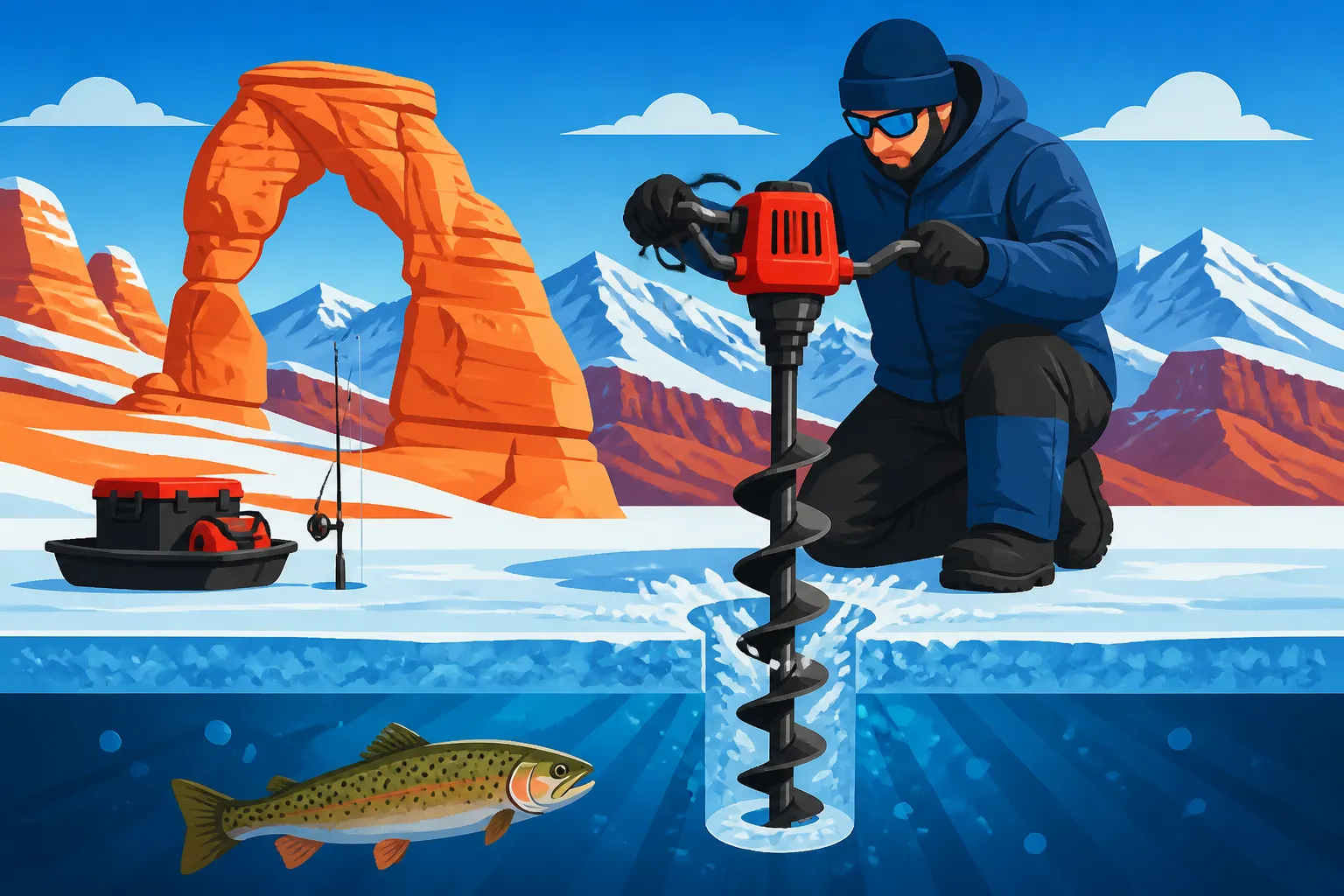
No matter which type of auger you're using, proper operation is key to both safety and efficiency. For manual augers, brace your feet wide apart for stability. Place the auger's blade flat on the ice, then apply downward pressure and begin turning the handle in a clockwise motion. Maintain a steady rhythm and pressure. Don't try to force it; let the blades do the work. If it gets tough, lift slightly, clear the ice chips, and start again.
For power augers (gas, propane, or electric), ensure you have a firm two-handed grip on the handles. Place the blade flat on the ice, but instead of forcing it down, let the weight of the auger and the spinning blades do the initial work. Once it bites, maintain a stable stance and keep the auger upright. Never let go of a running power auger, and be prepared for potential torque twists, especially when the blades first bite or break through the bottom of the ice. Wear gloves to protect your hands, but make sure they still allow for a firm grip and access to controls. If your auger has a safety switch, always know where it is and how to use it. When drilling through thick ice, lift the auger partially out of the hole every foot or so to clear the ice chips, which prevents it from getting stuck and makes drilling easier.
Clearing and Maintaining Your Hole
Once your hole is drilled, the work isn't quite over. You'll need to clear it of ice slush and chips to create a clean fishing area. A slush scoop is an invaluable tool for this. Simply dip it into the newly cut hole and scoop out all the loose ice until the water is clear. This prevents your line from freezing in the hole and allows for smoother jigging and retrieval. Pay particular attention to the edges of the hole, ensuring they're free of jagged ice that could fray your line.
Throughout the day, especially in colder temperatures, your holes will inevitably begin to freeze over. You'll need to periodically re-scoop them to keep them open. For a quick refresh, some anglers will use a small piece of wood or even their boot to knock off thin layers of ice, but for full clarity, the scoop is best. If you're fishing overnight or leaving your holes for an extended period, they'll completely freeze back over. When returning, you can often re-drill the same hole using your power auger – the auger will follow the path of least resistance. Just be careful to start slowly and keep a firm grip. Remember to consider Utah Ice Fishing Regulations regarding unattended holes and overnight shelters.
Dealing with Difficult Ice Conditions
Even with the best preparation, you'll encounter ice conditions that throw a wrench in your drilling plans. Slush, layered ice, and even getting your auger stuck are common frustrations. Knowing how to deal with these situations effectively can save you time, effort, and prevent damage to your equipment.
Navigating Slush and Snow-Covered Ice
Utah winters often bring significant snowfall, and while beautiful, snow on the ice can be a real pain for anglers. Snow acts as an insulator, slowing ice growth, and when it melts and refreezes, it creates layers of weak, porous ice or deep slush. Drilling through slush can be a messy and frustrating experience. Your auger blades might get bogged down, and the flighting can struggle to clear the heavy, wet snow-ice mixture.
When faced with slush, try to find areas where the snow cover is lighter or where others have already drilled. If you must go through slush, start slow with your auger and apply steady pressure. For power augers, resist the urge to rev the engine excessively; this can just chew up the slush without efficiently removing it. Manual augers might require you to frequently lift and clear the flighting. Once you break through the slush layer and hit solid ice, the drilling usually becomes much easier. After drilling, scoop the slush out vigorously to prevent it from refreezing into a solid, difficult-to-manage plug in your hole. Using an ice skimmer with a wider head can be very effective for removing slush.
Handling Layered or Honeycomb Ice
Layered ice, often formed by repeated thawing and freezing cycles or snow accumulation followed by refreeze, presents its own challenges. Your auger might cut smoothly through a clear layer, then suddenly hit a soft, slushy layer, then another hard layer. This inconsistent resistance can make drilling jarring and tiring, and it increases the chance of your auger binding. Honeycomb ice, typically seen late in the season, is characterized by its crystalline, fragile structure, which is extremely weak and should be approached with extreme caution, if at all.
When drilling through layered ice, maintain a firm grip and be ready for changes in resistance. If your power auger struggles, don't force it. Lift it slightly, clear the flighting, and try again. For manual augers, this might mean more frequent clearing. The key is patience and a steady hand. Honeycomb ice is far more dangerous. If your spud bar easily punches through it, or if you see it around the edges of the lake, it's a strong indicator that the ice is deteriorating rapidly. In such cases, it's always best to pack up and call it a day. No fish is worth risking your life over.
What to Do When Your Auger Gets Stuck
It happens to the best of us: you're drilling along, and suddenly, your auger binds and gets completely stuck in the ice. This is usually due to drilling too fast without clearing chips, hitting a hard layer at an awkward angle, or the hole freezing around the auger shaft. The first rule is: don't panic. If it's a power auger, immediately turn it off. Trying to force it while the engine is running can damage the auger or injure you.
For manual augers, try rocking it gently back and forth, or rotating it in reverse a small amount to break the ice seal. If that doesn't work, sometimes pouring a bit of warm water down the shaft can help to melt the binding ice. For power augers, the same gentle rocking and reverse motion can sometimes free it. If it's truly stuck, and you can't free it with gentle force, you might need to try chipping away the ice around the auger with a spud bar or another small tool. This is where having another angler with you can be invaluable, as they can help chip while you maintain control of the auger. Always be extremely careful not to hit the auger blades, which are very sharp and easily damaged. Prevention is key here: frequently lift your auger to clear chips, especially in deep ice.
Post-Drilling and Maintenance
Once you've wrapped up your fishing day and are safely off the ice, there are a few important steps to take. Proper post-drilling procedures and maintenance not only keep your equipment in top shape for your next trip but also contribute to overall safety and environmental stewardship.
Marking and Re-Drilling Holes
If you plan to return to the same spot, especially for multi-day trips or in areas where holes might be obscured by snow, it's a good idea to mark your holes. This isn't just about convenience; it's a safety measure to prevent someone from accidentally stepping into an old, partially frozen hole. Simple methods include placing small branches, brightly colored flags, or reflective markers next to your holes. Just ensure whatever you use is easily visible and won't get blown away by the wind.
When you return to re-fish old holes, they'll likely be frozen over. As mentioned, power augers can often re-drill these with ease, usually following the old cut. For manual augers, it might be more efficient to drill a new hole very close by rather than struggling to reopen a fully frozen one, unless the ice is relatively thin. Always ensure that any markers you use are removed when you're done fishing for the season, leaving the area cleaner than you found it. This respects other anglers and the natural environment.
Proper Auger Storage and Blade Care
After a long day on the ice, especially if your auger has been exposed to slush and moisture, proper cleaning and storage are essential. First, clean off any ice chips, slush, or mud from the auger flighting and blades. A quick rinse with fresh water (if available) and a wipe-down with a rag will prevent rust. For manual and power augers, always dry the blades thoroughly before storing them. Even a small amount of moisture can lead to rust, which will quickly dull your blades and make them less effective.
Apply a light coating of oil (such as WD-40 or a specialized blade lubricant) to the blades before putting on the blade guard. The blade guard is not just for transport; it protects the sharp edges from damage and protects you from accidental cuts during storage. Store your auger in a dry place, preferably in a case or hanging to prevent the blades from resting on anything that could dull or damage them. If you have a power auger, disconnect the battery (for electric) or drain the fuel and run the carburetor dry (for gas/propane) if storing for an extended period, which helps prevent fuel system issues. This diligent care will ensure your auger is always ready for your next adventure and will last for many seasons.
Environmental Considerations for Ice Holes
As responsible anglers, we have a duty to minimize our impact on the environment. This includes how we leave our ice holes. While the holes themselves are temporary, the debris we leave behind isn't. Always make sure to clean up any trash, discarded fishing line, or bait containers around your fishing holes. Fishing line, in particular, can be deadly to wildlife, so make sure every last bit is packed out.
Consider the location of your holes, especially late in the season. As the ice thins, open holes can become hazards to wildlife or even people who might not be aware of their presence. While it's not always practical, some anglers will try to break down the edges of their holes as they leave, especially if the ice is already showing signs of deterioration. In Utah, specific regulations often govern the duration and marking of ice shelters, and by extension, the holes associated with them. Always consult the Utah Fishing Regulations Explained to ensure you're in compliance. Our collective actions ensure that Utah's beautiful frozen landscapes remain pristine for generations of anglers to come.
Auger Type Comparison
To help you decide which auger might be best for your Utah ice fishing adventures, here's a quick comparison of the main types:
| Auger Type | Pros | Cons | Ideal Use Case | Maintenance | Typical Price Range |
|---|---|---|---|---|---|
| Manual | Lightweight, portable, quiet, no fuel/battery, affordable, simple. | Requires physical effort, slower on thick ice, tiring for many holes. | Hiking to remote high lakes, quick trips, shallow ice, budget-conscious. | Blade sharpening/replacement, drying blades to prevent rust. | $60 – $150 |
| Gas/Propane | Powerful, fast, cuts through thick ice quickly, good for many holes. | Heavy, noisy, requires fuel/propane, exhaust fumes, more expensive. | Large reservoirs (e.g., Flaming Gorge, Strawberry), very thick ice, frequent hole changes. | Fuel/oil management, spark plug/air filter checks, blade care. | $300 – $600 |
| Electric | Quiet, no fumes, powerful, fast, relatively lightweight, easy start. | Battery life concerns in extreme cold, higher initial cost, needs charging. | Versatile for most Utah waters, fishing in shelters, anglers seeking convenience. | Battery charging/care, blade sharpening/replacement, drying blades. | $400 – $800+ |
Disclaimer
The information provided in this guide is for general informational purposes only and is not a substitute for official regulations, local knowledge, or personal judgment. Ice conditions are highly unpredictable and can change rapidly. Always exercise extreme caution on the ice, check current ice reports from official sources like the Utah Division of Wildlife Resources, and prioritize your safety above all else. Neither the author nor the publisher assumes any liability for accidents or injuries sustained while ice fishing. Stay safe out there!