How to Fish the Bear Lake Cisco Run
The annual Bear Lake cisco run is one of Utah's most unique and anticipated fishing events, but it can be incredibly intimidating for newcomers. You're bundled up, standing on potentially thick ice, and trying to master a unique jigging technique while battling the biting cold. Many anglers show up excited, only to leave frustrated because they didn't know the nuances of this fast-paced, often fleeting opportunity. This guide is designed to cut through that confusion, helping you understand the Bonneville cisco, the timing and locations of their spawning run, the essential gear you'll need, and the specific techniques to make your next trip to Bear Lake a successful one.
Understanding the Unique Bear Lake Cisco Run
The Bear Lake cisco run isn't just a fishing trip; it's a cultural phenomenon, a yearly pilgrimage for many Utah and Idaho anglers. But to really appreciate it and, more importantly, to succeed in catching these elusive fish, you need to understand what makes this event so special. It's tied directly to the unique ecology of Bear Lake and the life cycle of one particular fish species.
What are Bonneville Cisco?
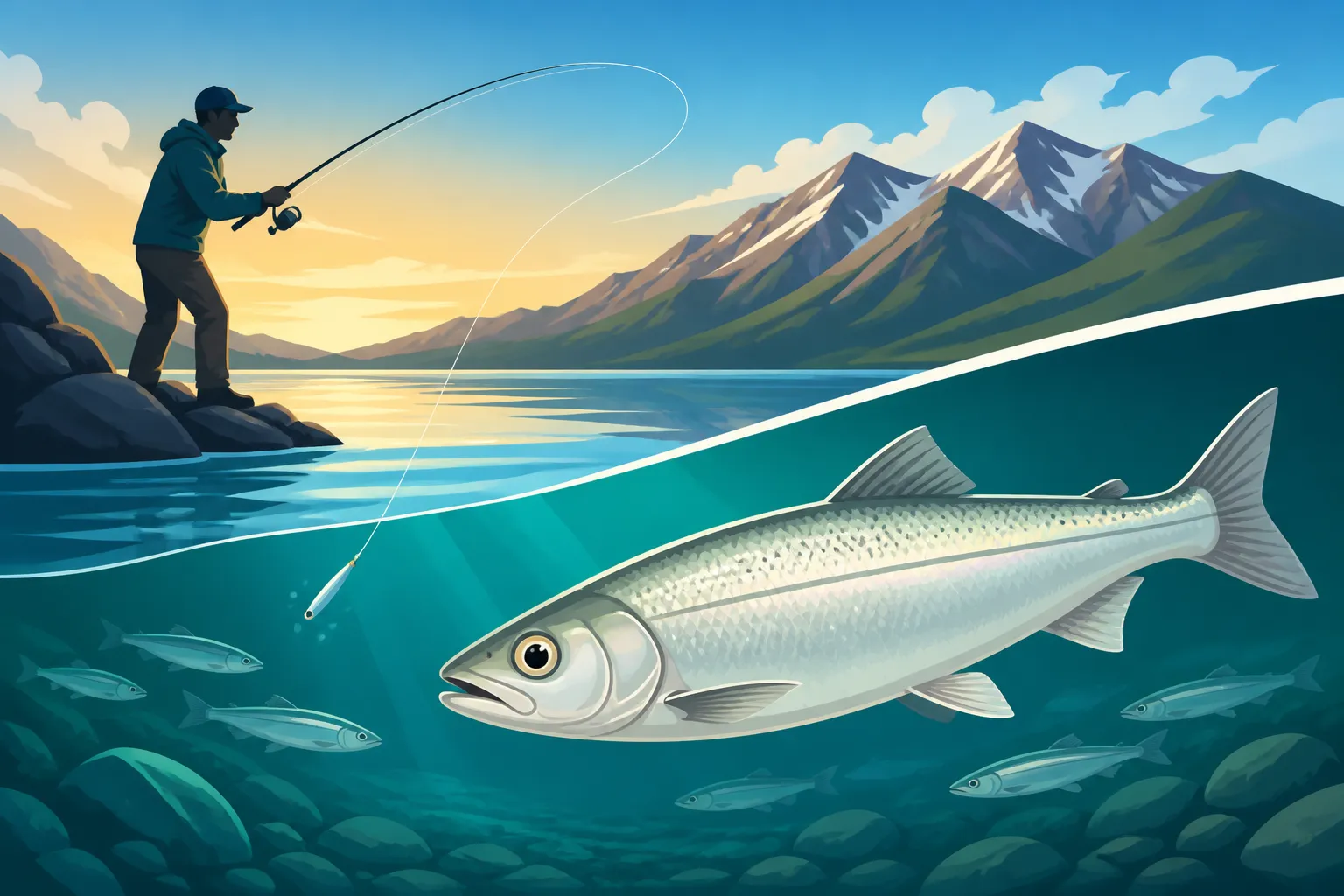
The Bonneville cisco (Prosopium gemmiferum) is a small, silvery fish native only to Bear Lake, making it an endemic species. They are a crucial part of the lake's ecosystem, serving as a primary food source for the larger, more sought-after game fish like the Bear Lake cutthroat trout and lake trout (mackinaw). While small, typically ranging from 6 to 9 inches, they are known for their delicious, firm, white flesh, which makes them a popular target for anglers when they are accessible. Often confused with other small fish, the Bonneville cisco has a distinct slender body and small mouth, adapted for feeding on plankton in the deep, cold waters of Bear Lake. Their existence is a testament to the unique geological history of the lake. To learn more about this fascinating species, check out our guide on what the Bonneville Cisco is.
The Annual Cisco Spawning Migration
Every year, typically in mid-to-late January, a remarkable event occurs: the Bonneville cisco migrate from the deep, open waters of Bear Lake to the shallower, rocky shorelines to spawn. This migration, often referred to as the "cisco run," is triggered by specific water temperatures and light conditions, usually under a thick blanket of ice. As the fish gather in vast schools close to shore, they become accessible to anglers, primarily through ice fishing or sometimes even dip-netting from shore if conditions are just right. This brief window, lasting only about 10 to 14 days, is the only time of year anglers can target these fish with any real consistency. It’s a race against time, as the cisco finish their spawning ritual and quickly retreat back to the depths.
Why the Cisco Run is So Special
Beyond the excellent table fare, the cisco run is a truly special event because it brings together a community of anglers in a vibrant, almost festival-like atmosphere. Picture hundreds of people bundled up, spread across the ice, drilling holes, jigging, and sharing stories. For many, it's a cherished annual tradition, a way to connect with nature, family, and friends during the quiet winter months. The experience of seeing these massive schools of fish on your fish finder, often stacked from the bottom to just under the ice, is something truly unforgettable. It's a reminder of the raw power and cycles of nature, and the sheer abundance of life in Bear Lake. It’s a short, intense window of opportunity that makes it all the more precious.
Essential Gear for Cisco Fishing Success
Fishing the Bear Lake cisco run is a highly specialized endeavor, and having the right gear can make all the difference between a memorable day of catching and a frustrating session of numb fingers and empty buckets. You're dealing with small, fast-moving fish in often bitter cold conditions, so your setup needs to be dialed in for efficiency and comfort.
Rods, Reels, and Line Choices
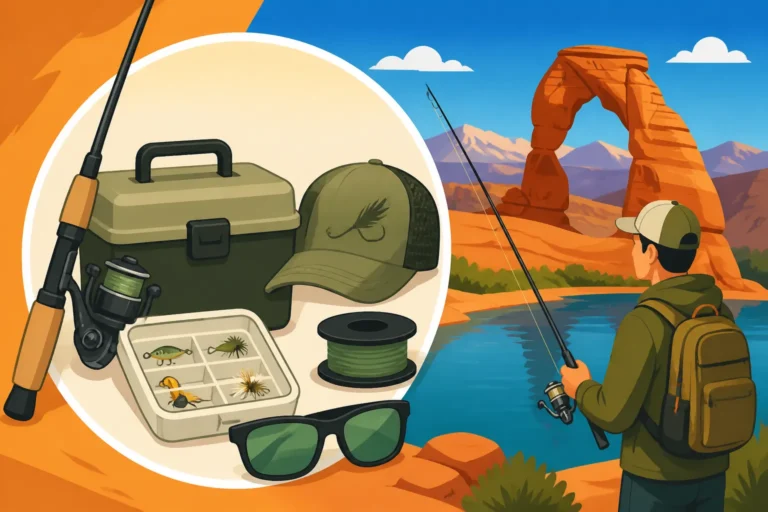
For cisco, you'll want a very sensitive setup. A lightweight, ultra-light action ice fishing rod, typically 24 to 30 inches long, is ideal. These rods have a soft tip that allows you to detect the subtle bites of cisco and transmit the smallest movement to your hands. Pair this with a small spinning reel, something in a 500-1000 series, spooled with 2 to 4-pound test monofilament or fluorocarbon line. The thin line minimizes visibility and allows your small jigs to sink quickly. Some anglers even prefer a braided line with a fluorocarbon leader for ultimate sensitivity, especially when fishing deeper water. The goal is to feel those light taps, as cisco often just "inhale" the bait rather than strike aggressively. You can find excellent options for these specialized ice fishing setups on platforms like Amazon.
Lures and Bait that Entice Cisco
When it comes to lures, smaller is definitely better for cisco. The most popular and effective presentations are small jigging spoons, typically 1/8 to 1/4 ounce, or tiny tungsten jigs. Colors that mimic natural forage or stand out in the clear water often work best – think silver, white, chartreuse, or even glow-in-the-dark options for deeper or darker conditions. Some anglers tip their jigs with a maggot or a small piece of mealworm for added scent and appeal, though often, the flash and movement of the jig alone are enough. The key is to find what the fish are responding to on any given day. To get a head start on your tackle box, you might want to look into what bait works best during the Bear Lake Cisco Run.
Here's a quick reference table for common cisco run tackle:
| Gear Type | Recommendation | Key Feature |
|---|---|---|
| Rod | Ultra-light ice fishing rod, 24-30 inches | Sensitive tip for subtle bites |
| Reel | Small spinning reel, 500-1000 series | Smooth drag, compact size |
| Line | 2-4 lb monofilament/fluorocarbon (or braid with leader) | Low visibility, high sensitivity |
| Jigs/Spoons | 1/8 – 1/4 oz jigging spoons, tungsten jigs | Small profile, rapid descent |
| Colors | Silver, white, chartreuse, glow | Mimic forage or attract attention |
| Optional Bait | Maggots, mealworms | Added scent and appeal |
| Auger | 6-8 inch, power or hand | Efficient hole drilling |
| Shelter | Portable ice shanty | Wind protection, warmth |
| Fish Finder | Flasher or portable sonar | Locate fish schools, monitor depth |
Critical Comfort and Safety Gear
Beyond the rod and reel, comfort and safety are paramount when fishing the cisco run. Bear Lake in January can be brutally cold and windy. A good quality ice auger (power augers are a blessing when drilling dozens of holes) is essential for quickly getting through the ice. A portable ice fishing shelter will protect you from the wind and keep you significantly warmer. Don't skimp on warm, layered clothing, including waterproof outer shells, insulated boots, gloves, and a hat. A portable heater for your shanty can be a lifesaver.
Safety gear includes ice picks worn around your neck, a throw rope, and always fishing with a buddy. It's also wise to bring a reliable fish finder or flasher to locate the schools of cisco, as they often move. Finally, a bucket or cooler to keep your catch cold is crucial, as they can spoil quickly if left exposed to warmer air. For more on preparing for the unique conditions, you might find our guide on how to check ice thickness safely before ice fishing incredibly helpful. You can often find durable and compact fish finders and ice shelters on Amazon that are perfect for this type of fishing.
Prime Locations and Timing for the Cisco Run
Successfully fishing the Bear Lake cisco run hinges largely on being in the right place at the right time. The cisco's spawning habits are predictable to an extent, but conditions can change rapidly, and knowing where and when to focus your efforts is key.
Identifying Key Cisco Run Hotspots
The most famous and consistently productive location for the cisco run is undoubtedly Cisco Beach, located on the east side of Bear Lake in Utah. This area, with its gradual slope and rocky bottom, provides ideal spawning habitat for the cisco. You'll often see a small city of ice shanties popping up here during the run. Another popular spot is Rainbow Cove, further north along the same eastern shoreline. Both locations offer excellent access from the shore onto the ice, though anglers will venture further out as the ice thickens. While these are the primary hotspots, some years cisco might be found in other rocky areas, so it's always wise to check local reports. For a detailed comparison of these two main spots, check out our article on Cisco Beach vs Rainbow Cove at Bear Lake.
Best Times of Day and Ice Conditions
Cisco typically bite best during low-light conditions, meaning dawn and dusk are often the most productive times. However, if the schools are thick and active, they can provide steady action throughout the day. Overcast days can also extend the "prime time" bite. As for ice conditions, the run usually begins when the ice is safe enough to walk on, typically 4-6 inches thick, and continues until the cisco have completed their spawn. While the fishing is excellent over solid ice, some years, if the lake doesn't fully freeze over, anglers may resort to dip-netting from the shore in open water, which is a unique sight in itself. Always prioritize safety and know how thick ice needs to be before you can fish on it.
Monitoring Conditions and Forecasts
Staying updated on current conditions is vital. The Utah Division of Wildlife Resources (UDWR) often provides reports and forecasts for the cisco run as it approaches and progresses. Local tackle shops around Bear Lake, especially in Garden City, are also invaluable sources of real-time information. They can tell you where the fish are biting, what colors are working, and what the ice conditions are like. Online fishing forums and social media groups dedicated to Utah fishing can also offer community insights. Paying attention to weather forecasts, particularly for wind and extreme cold, will help you prepare for a more comfortable and safe outing. Don't be afraid to call ahead to a local outfitter like Bear Lake Funtime in Garden City for the latest scoop.
Mastering Cisco Fishing Techniques
Catching cisco isn't just about dropping a jig down a hole; it requires a specific jigging technique and an understanding of their behavior. These fish are often found in dense schools, but their bites can be incredibly subtle, demanding focus and finesse.
Jigging Techniques for Cisco
The primary method for catching cisco is vertical jigging. Once you've drilled your hole and located a school of fish on your fish finder, drop your small jig or spoon to their depth. The common technique involves short, sharp lifts (about 6-12 inches) followed by a controlled fall, allowing the lure to flutter back down. Many bites occur on the drop or as the lure pauses. The key is to impart erratic, attractive action without overworking the lure. Experiment with jigging speed and intensity until you find what the fish prefer that day. Sometimes a fast, aggressive jigging motion is best, while other times a subtle quiver with long pauses is more effective.
It's crucial to pay close attention to your line; a slight twitch, hesitation, or even just the line going slack as the lure falls faster than expected can indicate a bite. If you're struggling, try different depths within the school. Often, the most active fish are higher up. For a step-by-step guide on presentation, check out our article on how to rig a Jigging Rap for Cisco at Bear Lake.
Foul Hooking vs. Fair Hooking and Regulations
It's common during the cisco run to encounter situations where fish are hooked outside the mouth, often referred to as "foul hooking" or "snagging." This happens because the cisco are often incredibly dense in their spawning aggregations, and a jig dropped into the middle of a school might inadvertently snag a fish. It's important to understand the regulations regarding this. In Utah, foul hooking is generally prohibited, meaning any fish not hooked in the mouth or jaw must be immediately released. However, the unique nature of the Bear Lake cisco run sometimes leads to specific allowances or interpretations for "snagging" during the spawning event, but only for cisco. Always double-check the current year's Utah Fishing Regulations Explained for the latest rules, as these can change. The spirit of the law is to encourage fair chase and ethical angling, so even when permitted, anglers should still aim to fair hook fish.
Handling and Storing Your Catch
Once you've successfully landed a cisco, proper handling is essential to maintain the quality of the fish. These small fish are excellent table fare, but like any fish, they can spoil quickly if not kept cold. Many anglers bring a bucket filled with ice or snow to immediately place their catch into. This ensures the fish are quickly chilled, preserving their firm texture and mild flavor.
After your fishing trip, you'll want to clean your cisco promptly. Their small size makes them quick to clean. Many anglers simply fillet them, removing the small amount of meat from either side of the backbone. Others choose to gut them whole and pan-fry them, as the bones are fine and easily eaten. For those looking for tips on processing their catch, our guide on how to fillet a trout after keeping your limit can provide transferable skills, even for smaller fish like cisco. Keeping them on ice until cleaning is crucial.
Navigating Bear Lake Cisco Run Regulations
Anytime you're fishing in Utah, understanding and adhering to the regulations is non-negotiable. The Bear Lake cisco run, with its unique species and intense winter conditions, comes with its own set of rules designed to protect the fishery and ensure angler safety. Ignorance of the law is never an excuse, so let’s get you squared away.
License Requirements and Bag Limits
First and foremost, you absolutely need a valid Utah fishing license to participate in the cisco run. This applies to both residents and non-residents, with specific age requirements for who needs a license. Children under a certain age are often exempt, but it's crucial to verify the current year's rules. You can easily purchase a license online through the Utah DWR website. For comprehensive information on obtaining one, refer to our Utah Fishing License Guide.
As for bag limits, cisco have specific regulations. The daily limit for Bonneville cisco at Bear Lake is generally generous, reflecting the species' abundance during the spawn and its role as a forage fish. However, these limits can change, so always consult the current Utah Fishing Guidebook or the UDWR website for the most up-to-date daily bag and possession limits. Over-harvesting not only risks fines but also jeopardizes the long-term health of this unique fishery.
Ice Safety and Shelter Rules
Ice fishing safety is paramount on Bear Lake. While the lake often develops thick ice during the cisco run, conditions can vary, and hidden dangers like pressure ridges or areas with thinner ice can exist. Always assess ice conditions before venturing out. Additionally, there are rules regarding ice fishing shelters. If you plan to leave your ice shanty on the ice overnight or for extended periods, it usually needs to be clearly marked with your name and address. There are also regulations on how long an ice shanty can stay on Utah ice, so be sure to remove it before specified dates to avoid penalties. These rules are in place to ensure public safety and prevent abandoned structures once the ice melts.
Aquatic Invasive Species (AIS) Prevention
Bear Lake, like many waters in Utah, is vulnerable to aquatic invasive species (AIS), such as quagga mussels. While the primary focus of AIS prevention often targets boats, anglers must also be vigilant. Any equipment that comes into contact with the water, including augers, buckets, and even the soles of your boots, could potentially transfer invasive species from one water body to another.
Before moving your gear from Bear Lake to another fishing spot, it's good practice to Clean, Drain, and Dry everything thoroughly. This means removing all visible mud, plants, and organisms; draining all water from your gear; and allowing everything to dry completely. While formal AIS inspection stations might not be mandated specifically for ice fishing gear exiting Bear Lake, responsible angling demands adherence to these principles. Being mindful of these practices helps protect all of Utah's cherished fisheries. For detailed information on prevention, our article on Utah Aquatic Invasive Species Rules for Anglers is an excellent resource.
Tips for an Unforgettable Cisco Run Experience
Beyond the technical aspects of gear and technique, an unforgettable cisco run experience is also about preparation, camaraderie, and respecting the unique environment of Bear Lake in winter. It’s an adventure that can be both challenging and incredibly rewarding.
Preparing for the Cold
Let's be real: January at Bear Lake is cold. We're talking seriously cold, often with biting winds that can make it feel even colder. Layering is your absolute best friend. Start with moisture-wicking base layers, add insulating mid-layers like fleece or down, and top it off with waterproof and windproof outer shells. Don't forget an insulated hat that covers your ears, warm gloves (and maybe a spare pair!), and heavy-duty, insulated winter boots. Hand warmers and toe warmers can be a game-changer. Pack a thermos with hot coffee, cocoa, or soup to help keep your core temperature up. Staying warm isn't just about comfort; it's about safety, preventing frostbite and hypothermia. Think about bringing a portable propane heater for your ice shelter; they make a huge difference in staying comfortable.
Family-Friendly Aspects of the Run
One of the most wonderful things about the cisco run is how truly family-friendly it can be. While serious anglers are focused on limits, the sheer abundance of fish, when the run is on, makes it an exciting experience for kids and beginners. Seeing fish on the screen of a flasher and getting constant bites is a fantastic way to introduce children to the joy of fishing. The open space on the ice allows for plenty of room, and the community atmosphere is welcoming. Packing plenty of snacks, hot drinks, and having a warm shelter available can make it much more enjoyable for younger anglers. It's a great opportunity to create lasting memories and foster a love for the outdoors. You might even find it's a perfect follow-up if you've recently participated in Utah Free Fishing Day.
Respecting the Resource and Other Anglers
The cisco run attracts hundreds, sometimes thousands, of anglers to Bear Lake. This means courtesy and respect are essential. When setting up, give your fellow anglers plenty of space. Avoid drilling holes too close to someone else's setup, especially if they're already established. Dispose of all trash, including discarded lines and bait containers, properly. Leave the ice cleaner than you found it.
Remember, this unique fishery is a precious resource. Adhering to bag limits and practicing ethical angling, such as minimizing foul-hooking, ensures that future generations can enjoy this incredible tradition. Sharing tips and camaraderie is part of the fun, but always be mindful of those around you. Being a good steward of the lake and a considerate neighbor on the ice makes the experience better for everyone.
Disclaimer
Please remember that fishing regulations, conditions, and safety guidelines can change. Always consult the official Utah Division of Wildlife Resources (UDWR) current fishing guidebooks and advisories before planning your trip. The information provided in this guide is for general informational purposes only and should not be considered legal advice or a substitute for official regulations. Stay safe and enjoy your time on the water!