Best Season for Fly Fishing in Utah
Trying to figure out the absolute "best" season for fly fishing in Utah can feel like chasing a mythical creature – there's no single, definitive answer because Utah's waters are so incredibly diverse and dynamic. Many anglers get frustrated trying to time their trips perfectly, only to be met with unexpected runoff, scorching heat, or a sudden cold snap. This guide is here to untangle the complexities of Utah's fly fishing seasons, giving you a realistic roadmap to successful angling throughout the year.
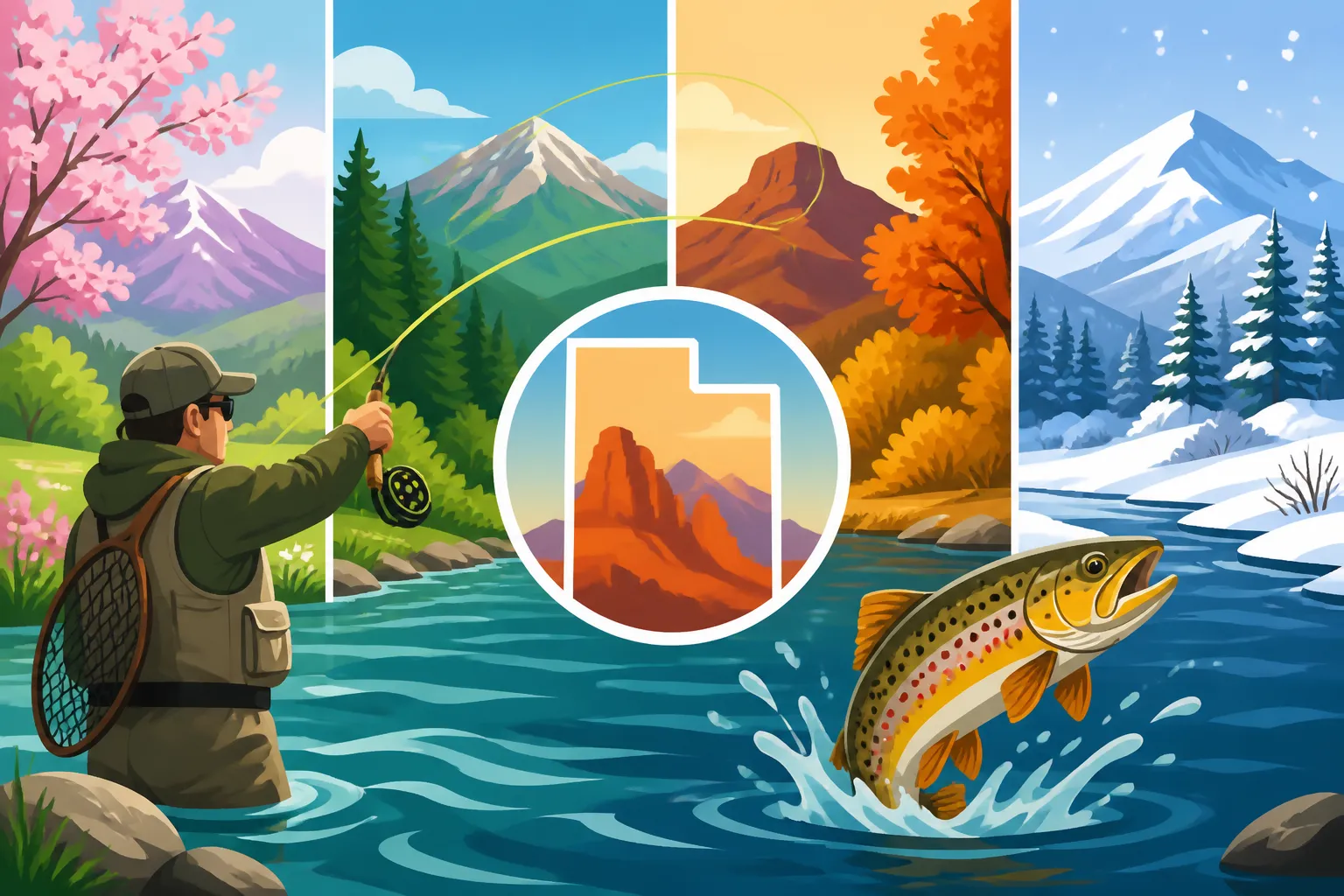
Understanding Utah's Fly Fishing Seasons: A General Overview
Utah's unique geography, with its high desert, towering mountains, and deep canyons, creates a fly-fishing landscape that changes dramatically with the seasons. What works on a low-elevation tailwater in January certainly won't cut it on a high-mountain stream in July. The key to consistent success isn't just knowing what to fish, but when and where to apply specific techniques. It's about adapting to the ever-shifting conditions Mother Nature throws at us, and embracing the distinct opportunities each time of year presents.
The Dynamic Nature of Utah's Fisheries
From the famous tailwaters like the Green River and the Provo River, which maintain relatively stable temperatures year-round thanks to dam releases, to the freestone rivers and high-alpine lakes that are entirely dependent on snowmelt and natural flows, Utah's fisheries are incredibly varied. This means that while one river might be blown out with spring runoff, another might be hitting its prime. Understanding these differences is crucial. For instance, a reservoir like Strawberry Reservoir might offer fantastic ice-out opportunities in early spring, while a freestone stream like the upper Weber River might still be under ice or buried in snow. The beauty, and sometimes the challenge, lies in this very diversity. It compels us to be flexible, to monitor local conditions closely, and to keep an open mind about where to cast our lines.
Seasonal Influences on Fish Behavior and Insect Activity
Fish are cold-blooded creatures, and their activity levels are inextricably linked to water temperature. As the seasons change, so do the metabolic rates of trout, their feeding habits, and their spawning cycles. Warmer water in summer generally means more active fish and faster digestion, while colder winter water slows everything down. Simultaneously, insect hatches, which are the lifeblood of fly fishing, are highly seasonal. Stoneflies, caddisflies, mayflies, midges, and terrestrials all have their specific emergence windows, often triggered by specific water temperatures and photoperiods. Missing a prime hatch by a week or two can make a huge difference in your success. Knowing when to expect these key insect events and understanding how fish react to them is half the battle, making local fly shop intel invaluable. You can also dive deeper into understanding specific insect patterns by exploring our guide on the Best Flies for Utah Trout Streams.
Spring: Navigating Runoff and Emergence
Ah, spring in Utah – a season of hope, new beginnings, and often, a whole lot of muddy water. For fly anglers, it's a mixed bag. Early spring can be fantastic, offering some of the best fishing of the year, but then the inevitable runoff hits, and suddenly, many of our favorite rivers become raging, turbid torrents. But don't despair! With the right approach, spring can still be incredibly productive. It's all about timing and knowing where to look.
Early Spring Before the Melt
Before the main snowmelt kicks into high gear, typically in March and early April, many of Utah's rivers and reservoirs offer some truly stellar fly fishing. Water temperatures are still cool, but fish are becoming more active after their winter sluggishness, eager to feed on nymphs and emerging insects. Tailwaters, being less affected by snowmelt, are often in prime condition. The Provo River, for instance, can see strong midge and blue-winged olive (BWO) hatches, offering fantastic dry fly opportunities on sunny, warmer days. Reservoirs, as the ice recedes, create "ice-out" fishing opportunities where trout cruise the shallow margins, feeding on newly available food sources. This is a time when slower presentations with subsurface patterns like San Juan Worms, sowbugs, and various nymph imitations can be deadly. It's also a great time to target fish with streamers, as they are actively hunting larger meals.
The Challenges of Peak Runoff
As daytime temperatures climb and the snowpack rapidly melts, typically from late April through June, Utah's freestone rivers enter their peak runoff phase. The water becomes high, fast, cold, and often murky with sediment. This is where many anglers pack up their rods, but it doesn't mean fishing is impossible. In fact, it's a prime example of why you need to know How Runoff Affects Utah River Fishing. Fish will often move to slower, softer water along the banks, behind obstructions, or into side channels to escape the main current. This is when heavy nymph rigs, often incorporating an indicator and split shot to get flies down quickly, become essential. Larger, darker nymphs like stoneflies or Pats Rubber Legs are effective because they create a good silhouette in turbid water. Streamers can also be highly productive, stripped slowly through these slower pockets. Your local fly shop will be your best friend during this period, guiding you to rivers that might be clearing faster or offering viable alternatives. Don't be afraid to order specialized heavy-gauge tippet or larger nymph patterns from Amazon if your local shop is out – getting your flies deep is critical during runoff.
Transitioning to Post-Runoff Success
As runoff begins to subside, usually by late June or early July, rivers start to drop and clear. This post-runoff period can be absolutely epic for fly fishing. The river's banks are flushed with new nutrients, and insect populations explode. Caddisflies, stoneflies, and various mayflies begin to hatch in earnest, often leading to incredible dry fly fishing. Fish that have been hunkered down or feeding primarily on subsurface fare during the high water become incredibly opportunistic. This is when you can experience phenomenal days, especially on rivers like the Weber and Ogden. Targeting riffles, seams, and eddy lines with dry-dropper rigs can be incredibly effective. Knowing When Does Runoff End on Utah's Mountain Rivers? is key to timing this prime window.
Summer: High Water, High Country, and Terrestrials
Utah summers bring sunshine, warmth, and eager trout, but also unique challenges for the fly angler. Lower elevation rivers can become too warm for trout, leading to lethargic fish or even putting them under stress. However, this is also the season when the high country truly opens up, offering breathtaking scenery and excellent fishing.
Mid-Summer Strategies for Freestones and Lakes
Once runoff completely clears, typically by mid-July, lower elevation freestone rivers settle into their summer flows. Water temperatures will rise, so timing your fishing to early mornings and late evenings is often best, especially on warmer days. This helps avoid the peak heat and often coincides with prime feeding windows. Small mayflies, caddis, and midges will be present, but this is also a time when fish are looking up for terrestrials. Lakes and reservoirs, while sometimes experiencing thermoclines (layers of warm and cold water), can offer great opportunities for trolling streamers or fishing chironomids and callibaetis nymphs under an indicator. Always check the current water temperature on specific fisheries. Understanding How Water Temperature Affects Utah Trout Fishing is crucial for protecting trout during warmer periods; consider catch-and-release only if water temperatures exceed 68°F.
Escaping the Heat in High-Elevation Waters
When the valley heat becomes oppressive, the majestic Uinta Mountains call. Summer is the prime season to explore Utah's vast network of high-elevation lakes and streams. These pristine waters remain cold year-round, offering a haven for trout when lower rivers are too warm. Many of these lakes require a hike, but the solitude and aggressive cutthroat, brook, and rainbow trout make the effort more than worthwhile. Dry fly fishing can be exceptional here, with fish often rising eagerly to caddis, midges, and various terrestrial patterns like ants and beetles. Backpacking into the Uintas for a multi-day trip is a quintessential Utah fly fishing experience. Make sure you know How to Pack Fishing Gear for a Backpacking Trip to Uinta Lakes to make your adventure seamless. A sturdy backpacking rod and reel combo, lightweight waders, and a selection of terrestrial patterns are must-haves.
Terrestrial Tactics for Warm Days
Summer is prime time for terrestrial insects – grasshoppers, ants, beetles, and crickets. These land-dwelling creatures often accidentally fall into the water, providing a substantial meal for hungry trout. Fishing large, foam-bodied terrestrial patterns can be incredibly exciting, as strikes are often explosive. Focus on grassy banks, undercut banks, and areas with overhanging vegetation where terrestrials are likely to fall in. This technique is particularly effective on freestone rivers and in high-country lakes where natural terrestrial activity is high. Carrying a good selection of various sized hoppers, chernobyl ants, and beetle patterns in your fly box is essential for summer success. You can find excellent variety packs of these patterns on Amazon to stock up for the season.
Autumn: The Golden Season for Trout
If there's one season that many fly anglers in Utah consider the "best," it's autumn. The crisp air, vibrant foliage, and aggressive trout make for an unforgettable experience. Water temperatures become ideal, encouraging fish to feed heavily in preparation for winter.
Fall Colors and Feeding Frenzies
As leaves turn brilliant shades of red and gold, usually from September through October, Utah's rivers and streams experience a resurgence of insect activity and a surge in trout metabolism. The water cools, but not to winter levels, stimulating trout to actively feed throughout the day. Mayfly hatches like Blue-winged Olives (BWO) can be prolific, and often, a second wave of caddis hatches occurs. Streamer fishing also becomes incredibly productive as larger fish become more predatory. This is a fantastic time for both dry fly and nymph fishing, offering anglers a chance to use a variety of techniques to target actively feeding trout. Rivers like the Provo and Green are renowned for their fall fishing. Learn How to Match the Hatch on the Provo River to maximize your success during this time.
Targeting Spawning Brown Trout
Autumn is synonymous with the brown trout spawn in Utah. As the water cools further, typically in late October and November, male brown trout develop magnificent kypes (hooked jaws) and brilliant spawning colors. They become incredibly aggressive and territorial, making them susceptible to streamer patterns that mimic baitfish or egg patterns. While targeting actively spawning fish on redds (their spawning beds) is generally frowned upon due to ethical considerations and potential harm to future generations, fishing for browns that are pre-spawn, post-spawn, or holding in deeper pools adjacent to spawning areas can be extremely rewarding. This is when you can encounter some of the largest brown trout of the year. For tactics specifically designed to target these aggressive fish, refer to our guide on How to Fish a Streamer for Brown Trout in Utah.
Preparing for Winter's Approach
As autumn progresses into late November, the days shorten, and temperatures drop further. While hatches become sparser, fish are still actively feeding, though their metabolism begins to slow. This transition period is an excellent time for nymphing, as trout are often focused on subsurface food sources. Tailwaters continue to be strong performers, as their stable temperatures allow for consistent fishing. It's also a good time to start thinking about your winter gear – layering strategies and warm apparel become increasingly important. Ensure your fly boxes are stocked with midge and baetis patterns, which will be vital for the colder months ahead.
Winter: Tailwaters and Ice-Out Opportunities
Winter fly fishing in Utah might sound daunting, but for those willing to brave the cold, it offers some incredibly peaceful and productive days on the water. While many freestone rivers might be frozen over or too cold to fish effectively, Utah's tailwaters shine in the colder months.
Productive Winter Tailwater Fisheries
Utah is blessed with several fantastic tailwater fisheries that remain open and productive throughout the winter. The Green River below Flaming Gorge Dam and the Provo River are prime examples. The regulated flows from these dams keep water temperatures relatively stable, preventing severe freezing and supporting consistent insect life, primarily midges and tiny blue-winged olives. While hatches may be sparse, nymphing with small patterns like thread midges, zebra midges, and tiny BWO imitations can be incredibly effective. The key is to fish slowly, use light tippet, and pay close attention to subtle takes. Winter also offers a chance at truly large trout that are less pressured. Our comprehensive guide on How to Fish the Green River Below Flaming Gorge Dam offers specific tactics for this world-class fishery. And for those smaller, intricate patterns, having a good selection of Best Nymph Patterns for Utah Tailwaters is non-negotiable.
Scouting for Early Ice-Out Lakes
While many lakes freeze solid in winter, some shallower or more exposed reservoirs might experience early "ice-out" opportunities in late winter or very early spring, even as early as February or March in some years. These brief windows, often lasting only a few days or a week, can be incredibly productive. As the ice recedes, trout move into the newly opened shallow water, eager to feed on chironomids, leeches, and other food sources that were previously inaccessible. It requires diligent monitoring of local conditions and weather reports, but hitting an ice-out at the right time can be an amazing experience. This is a specific niche where our Utah Ice Fishing Guide might still offer some helpful insights for transitioning conditions, even if you're not on the ice itself.
Essential Gear for Cold Weather Fly Fishing
Winter fly fishing demands specialized gear to stay comfortable and safe. Layering is paramount, starting with good thermal base layers. Waterproof and windproof outer shells are essential. Don't skimp on warm, waterproof gloves or mittens, and a good insulated hat. Hand warmers can be a lifesaver. Beyond apparel, consider your fishing setup. Ice can form on rod guides, so a quality rod with larger guides can help. Investing in a good pair of polarized sunglasses from Amazon can significantly reduce glare off the water and snow, helping you spot subtle takes. A thermos with hot coffee or soup is also a welcome addition on a chilly winter day.
Choosing the Right Gear and Resources for Each Season
Successful fly fishing in Utah isn't just about technique; it's about preparation and having the right tools for the job. Just as you wouldn't use a snow shovel for gardening, you wouldn't use a heavy streamer rod for delicate dry fly presentations on a clear summer creek.
Seasonal Fly and Tackle Box Adjustments
Your fly box should be a reflection of the season. In spring, you'll need a good selection of stonefly nymphs, baetis, caddis pupae, and egg patterns. Summer calls for terrestrials, callibaetis, small caddis, and midges. Fall will see an emphasis on larger streamers, egg patterns, and a second wave of mayfly and caddis imitations. Winter demands tiny midges and small mayfly nymphs. Beyond flies, your leader and tippet selection will change. Lighter tippet (5x-7x) is often needed for delicate winter presentations, while heavier tippet (3x-4x) might be appropriate for throwing large streamers in fall or dealing with runoff conditions. Think about your rod choices too; a lighter weight rod (3-5wt) might be perfect for delicate dry fly work in summer, while a heavier (6-7wt) rod is better suited for streamers or windy conditions. If you're wondering about specific recommendations, our guide on the Best Fly Rod Weight for the Provo River offers some excellent insights that can be broadly applied to similar water types.
Here's a quick reference table for seasonal fly and gear considerations:
| Season | Typical Water Conditions | Primary Insect Activity | Recommended Fly Types | Key Gear Considerations |
|---|---|---|---|---|
| Spring | Runoff, fluctuating temps | Stoneflies, Midges, BWOs, Caddis | Heavy Nymphs (Pat's Rubber Leg), Eggs, BWOs, Streamers | Wading boots with good traction, heavier tippet (3x-5x) |
| Summer | Low flows, warm temps (low) to cold (high) | Terrestrials, Caddis, Midges, Callibaetis | Hoppers, Ants, Beetles, Small Dry Flies, Chironomids | Lightweight, breathable clothing, sun protection, light tippet (5x-7x) |
| Autumn | Ideal temps, stable flows | BWOs, Caddis, Midges, Baitfish | Streamers (Woolly Buggers), BWOs, Midge Dries, Eggs | Versatile rod (5-6wt), layering, polarized sunglasses |
| Winter | Cold, clear (tailwaters) | Midges, small BWOs | Tiny Nymphs (Zebra Midge), Midge Dries, Scuds | Thermal layers, waterproof outerwear, hand warmers, delicate tippet (6x-8x) |
Weather and Water Condition Monitoring
Staying informed about weather forecasts and real-time water conditions is vital for fly fishing success in Utah. Websites like the USGS provide current river flow data, which is indispensable during spring runoff or after a rain event. Pay attention to water temperatures, as these directly impact fish activity and insect hatches. Many local fly shops also post daily fishing reports, offering invaluable on-the-ground insights. A quick call to a reputable shop like Western Rivers Flyfisher in Salt Lake City or Fish Tech Outfitters can save you a lot of time and frustration. Being proactive with your research will help you choose the most productive water for the day.
Local Knowledge and Fly Shop Wisdom
This cannot be stressed enough: local fly shops are your absolute best resource for up-to-the-minute information. These experts are on the water constantly, tracking hatches, water levels, and fish movements. They can tell you exactly what flies are working, what sections of the river are fishing best, and what to avoid. Plus, by supporting local shops, you're investing directly back into the angling community that works to protect and improve our fisheries. Don't be shy about asking questions; they love to share their knowledge. They might even recommend specific brands or products available through their store, or suggest looking for particular gear like waders or specialized tools on platforms like Amazon if you're not local or looking for specific niche items. They're an indispensable part of the fly fishing ecosystem in Utah.
Disclaimer
Please remember that fishing conditions in Utah can change rapidly due to weather, water management, and other environmental factors. Always consult the latest Utah Division of Wildlife Resources (DWR) regulations before heading out, as rules and limits can vary by water body and species. Fishing is undertaken at your own risk.