How Thick Does Utah Ice Need to Be Before You Can Fish On It?
That first crisp morning chill, seeing your favorite Utah lake or reservoir start to crust over, brings a unique excitement to any ice angler. You start dreaming of those hard-fighting trout, chunky perch, or even a monster lake trout pulled through a hole. But with that excitement often comes a nagging question, a crucial safety concern that can't be ignored: how thick does the ice really need to be before it's safe to venture out? It's a worry that keeps many folks on the shore, fearing a misstep and the dire consequences. This guide is all about giving you the clear, practical answers you need to hit the hard water with confidence and, most importantly, safely.
The Essential Ice Thickness Guidelines for Safe Angling in Utah
Safety on the ice is not just a suggestion; it's a critical responsibility. While no ice is ever 100% safe, understanding and adhering to widely accepted thickness guidelines significantly reduces your risk. These aren't just arbitrary numbers; they're based on years of experience and countless incidents that highlight the dangers of underestimating the ice. Think of it as your first line of defense against a very cold, very dangerous situation.
Walking Out to Your Favorite Spot
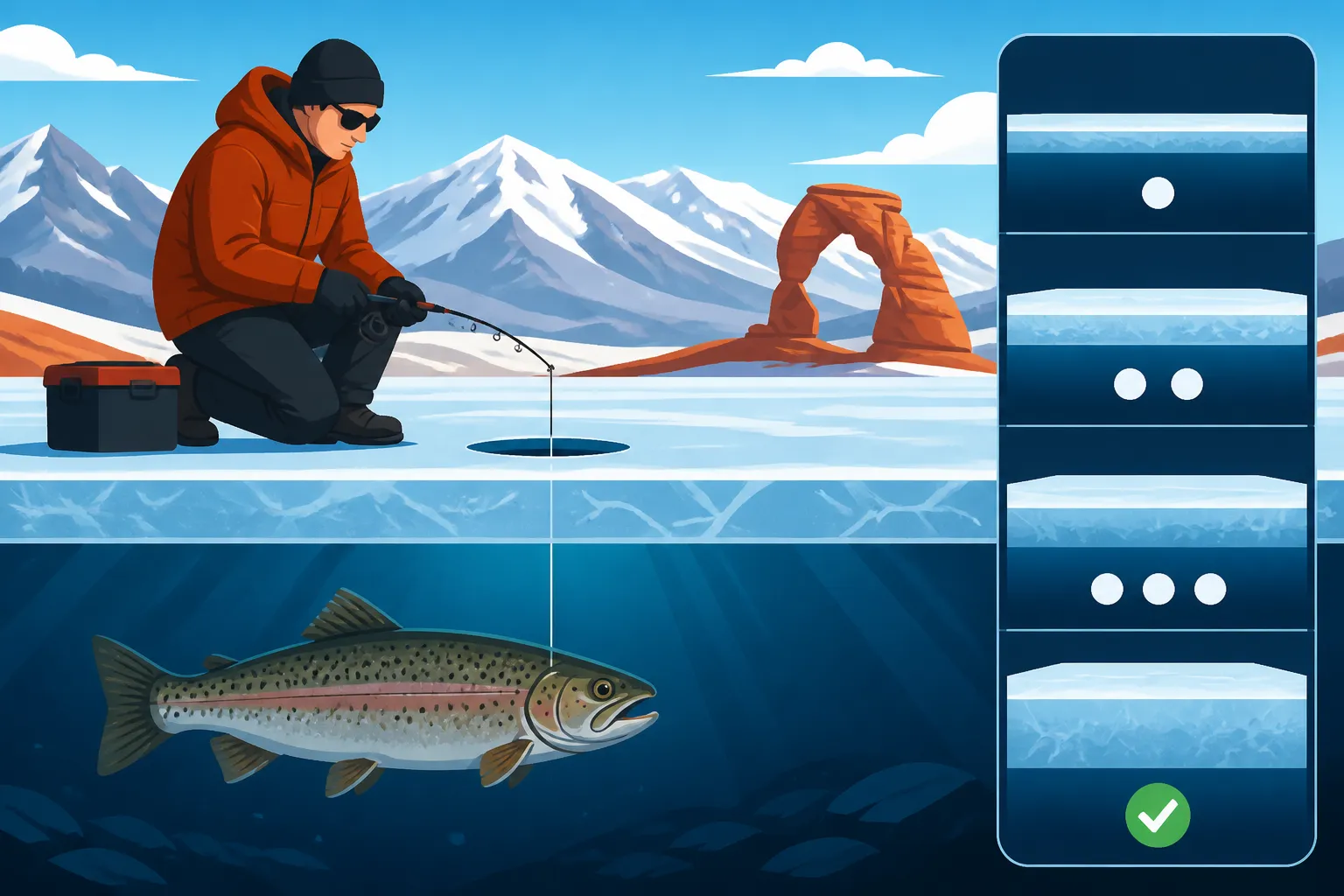
For a single angler walking out onto the ice, the absolute minimum recommended thickness is generally 4 inches of clear, solid ice. This is for foot travel only, carrying minimal gear. Now, I know what you're thinking: "Four inches doesn't sound like much!" And you'd be right to feel a little cautious. That's why this is truly the minimum. If you're a newcomer to ice fishing or are unsure about the ice quality, it's always better to wait for 5 or 6 inches.
Imagine this scenario: you've bundled up, packed your gear, and arrived at a local pond, perhaps one of the popular community ponds near Salt Lake City. The shoreline looks solid, and you see a few brave souls already out there. You take a few cautious steps, drilling a test hole every so often. If you consistently find yourself hovering right around that 4-inch mark, with clear, black ice beneath your auger, you can proceed with extreme caution. But what if you've walked 50 feet and suddenly the ice feels "different" or you hit a spot that's only 2 or 3 inches thick? That's your immediate cue to stop, turn around, and head back to shore using the path you know is safe. Never push it. That one thin spot could be due to an underwater spring, a current, or even just inconsistent freezing patterns.
Bringing Along a Snowmobile or ATV
If you're planning a trip to a larger reservoir and want to cover more ground, a snowmobile or ATV can be a real game-changer. However, these machines add significant weight, which means you'll need substantially thicker ice. For a single snowmobile or ATV, the recommended minimum ice thickness jumps to 5 to 7 inches of solid, clear ice. Again, this is a minimum, and prudence often dictates waiting for a bit more, especially if you're not intimately familiar with the body of water.
Consider a scenario where you and a buddy are heading out to Strawberry Reservoir for some winter trout action. You've got your ATV loaded with your auger, an ice fishing shelter, and your tackle. Even with two people, that's a lot of weight concentrated on a small footprint. If you encounter patches of ice that are only 5 inches thick, it's a good idea to spread out, avoid driving close together, and definitely don't stop and congregate in one spot for long. Remember that ice thickness can vary dramatically across a lake, so continually checking conditions, especially when venturing into new areas, is crucial. If you're wondering how to properly use your equipment, our guide on How to Auger Through Utah Ice Safely provides excellent insights.
Driving a Small Truck or Car Onto the Ice
Now, this is where things get really serious, and frankly, it's an activity the Utah Division of Wildlife Resources (DWR) generally discourages. While you might see photos or hear stories of people driving trucks onto the ice in some states, it's a practice fraught with extreme risk in Utah. If you absolutely insist on doing so (and we advise against it unless it's a highly managed, sanctioned event), the bare minimum ice thickness for a small car or light truck is generally 8 to 12 inches of solid, clear ice. For heavier vehicles, you're talking 12-15 inches or more.
The risks here are enormous, not just to your vehicle but to human lives. Picture this: you've driven your pickup onto a seemingly solid section of Utah Lake, planning to hit a remote walleye spot. You're feeling confident because you measured 10 inches near the access point. But suddenly, you drive over an area with hidden gas pockets from decaying vegetation or a significant current from an inlet, and the ice quality degrades rapidly, thinning to a dangerous 6 inches. A vehicle going through the ice is not only a life-threatening emergency but also an expensive recovery, and you could face significant fines and liability for environmental damage. In most cases, it's just not worth it. Park on shore, get out your snowmobile or ATV (if the ice is safe for those), or simply walk out.
Understanding What Affects Utah's Ice Thickness and Quality
The numbers above are crucial starting points, but they only tell part of the story. Ice is a living, breathing, constantly changing entity. It's not a uniform slab; its thickness and strength are influenced by a myriad of factors, many of which can change day-to-day, or even hour-to-hour. Being aware of these variables is just as important as knowing the minimum thickness guidelines.
The Unpredictable Nature of Winter Weather
Utah winters can be wonderfully consistent, but they can also be notoriously fickle. A solid week of sub-freezing temperatures might create magnificent ice, only for a sudden warm front or a few days of intense sun to drastically degrade it. Even if the air temperature stays below freezing, strong direct sunlight can penetrate the ice, softening it from within and around existing holes. That beautiful 8-inch slab of ice you fished yesterday could easily be down to a dangerous 6 inches after a couple of unseasonably warm afternoons.
Snow cover is another major factor. While a fresh blanket of snow looks pristine, it acts as an insulator, preventing the underlying ice from thickening further. Worse yet, heavy snow can weigh down the ice, pushing water up through cracks, which then freezes into a weaker, milky "snow ice" or creates layers of slush that never fully consolidate into strong, clear ice. Always be wary of freshly fallen snow, as it can also hide dangerous thin spots or pressure ridges. You might also find varying ice conditions in larger, deeper bodies of water compared to smaller, shallower ones. For a comprehensive look at tactics, consult our Utah Ice Fishing Guide.
Ice Type and Its Strength
Not all ice is created equal, and this is a critical distinction for your safety. Clear, blue or "black" ice is the strongest. This forms when the water freezes slowly and uniformly, creating a dense, crystalline structure. An inch of clear ice can often support more weight than several inches of weaker ice types.
Then you have milky, white, or opaque ice. This often forms from snow that has fallen on thin ice, gotten wet, and then refrozen, or from rapid freezing with trapped air bubbles. This type of ice is significantly weaker per inch than clear ice. Similarly, ice that has thawed and refrozen (sometimes called "rotten ice") will have a honeycombed or needle-like structure, making it incredibly unpredictable and dangerous, even if it measures several inches thick. Imagine a pane of glass versus a shattered pane glued back together – both are there, but one has lost its integrity. When you're drilling test holes, pay close attention to the color and texture of the ice you pull up. Our article on How to Check Ice Thickness Safely Before Ice Fishing offers excellent advice on this.
Water Body Characteristics and Location
The specific characteristics of a Utah water body play a huge role in how it freezes and maintains ice thickness. Shallow, sheltered ponds and smaller mountain lakes, especially those in the Uinta Mountains, tend to freeze earlier and more consistently because they have less water to cool down and are protected from wind. Places like Tibble Fork Reservoir or some of the urban community fishing ponds might offer reliable ice sooner in the season.
In contrast, large, deep, or wind-swept reservoirs, such as Willard Bay, Lake Powell, or parts of Flaming Gorge, will take much longer to freeze over and often have significant variations in ice thickness. Wind can constantly shift ice sheets, creating open water or pressure ridges that are extremely dangerous. Inlets and outlets, where streams or rivers flow into and out of a reservoir, almost always have thinner, weaker ice due to constant water movement. For instance, the areas near the inflows on Strawberry Reservoir can be notoriously unsafe, even if the main body of the reservoir is locked up solid. Always approach these areas with extreme caution, or better yet, avoid them entirely. Different regulations might also apply to different waters, so always be aware of things like How Long Can an Ice Shanty Stay on Utah Ice on specific bodies of water.
Essential Tools and Techniques for Measuring Ice Thickness
Knowing the guidelines and the factors affecting ice is crucial, but it's all theoretical until you get out there and actually measure it yourself. Never trust someone else's word or assumptions; verify the conditions with your own tools. This hands-on approach is the cornerstone of ice safety.
The Crucial Role of the Ice Auger and Spud Bar
Your ice auger isn't just for drilling fishing holes; it's your primary safety tool for testing ice thickness. Before you take more than a few steps onto the ice, you should drill a test hole right near the shoreline. As you venture further out, especially into unknown territory, continue to drill holes every 15-20 feet. This might seem tedious, but it's the most reliable way to confirm consistent ice thickness. Both manual and power augers work well, though a good electric auger, like those readily available on Amazon, can make drilling frequent test holes much less strenuous.
Even before you bring out the auger, a spud bar is an indispensable safety tool. This heavy metal chisel on a stick allows you to test the ice ahead of you. You strike the ice firmly; if it takes one or two strikes to go through, it's generally safe for foot travel. If it goes through with one light tap, or if you hear a hollow sound, that's a red flag. Always carry a spud bar, especially early in the season or when exploring new areas. For more details on using this vital tool, check out our guide on How to Auger Through Utah Ice Safely. Choosing the right auger is also critical, and our article on the Best Ice Augers for Utah Ice Fishing can help you make an informed decision.
Taking Accurate Measurements
Once you've drilled a test hole, you need to accurately measure the ice. A simple tape measure, a ruler, or even a specialized ice measuring stick works perfectly. Insert it into the hole and push it down until it hits the bottom of the ice, then note the measurement at the top surface. It's important to measure the actual solid ice, not the layer of slush, snow, or open water that might be on top.
As you measure, also pay attention to the quality of the ice. Is it clear and solid all the way through? Or is it layered with milky sections, soft spots, or a crumbly texture? These visual cues are just as important as the numerical measurement. For instance, if you measure 6 inches, but 3 inches of it is weak, milky ice, you should treat it as if it's only 3 inches of solid ice. This attention to detail can literally save your life.
Leveraging Local Knowledge and Reports
While personal verification is paramount, local knowledge and official reports can give you a vital head start. The Utah Division of Wildlife Resources (DWR) often publishes ice condition reports on their website or social media channels for popular fishing destinations. These reports are excellent for getting a general idea of conditions, but remember they are often based on specific dates and locations and can change quickly.
Local bait and tackle shops are also goldmines of information. Shops like Fish Tech Outfitters in Salt Lake City or Bob's Outdoor in Ogden often have staff who are avid ice anglers and can provide up-to-the-minute reports on specific lakes and access points. They hear from dozens of anglers daily and can offer insights into recent catches and, crucially, current ice conditions. However, even with these resources, always remember that conditions can change rapidly. A DWR report from yesterday stating 6 inches of ice could be outdated if a sudden warm spell or heavy snowfall hit overnight. Always conduct your own checks upon arrival.
Beyond Thickness: Comprehensive Ice Safety Practices
While ice thickness is a critical factor, it's just one piece of the complex ice safety puzzle. A truly safe ice angler employs a holistic approach, incorporating smart planning, essential gear, and unwavering respect for the environment. Even with ample ice, neglecting these other aspects can lead to dangerous situations.
Never Venture Out Alone and Share Your Plan
This is a golden rule of ice fishing: never go ice fishing alone. Always bring a buddy, or at the very least, ensure someone knows exactly where you are going and when you expect to return. Should something unforeseen happen, having another person there can be the difference between a minor incident and a tragedy. A fall through the ice, a twisted ankle, or even just a stalled snowmobile in a remote area can quickly escalate without assistance.
Before you leave, create a simple "float plan" (even for ice fishing, the concept applies). Tell a trusted friend or family member which specific body of water you'll be on, your intended access point, where on the lake you plan to fish, and your expected return time. Give them instructions on when to call for help if they don't hear from you. This simple step provides an invaluable safety net. This is especially true if you are heading to more remote high lakes often accessed by hiking into the Uinta Mountains.
Essential Safety Gear You Must Carry
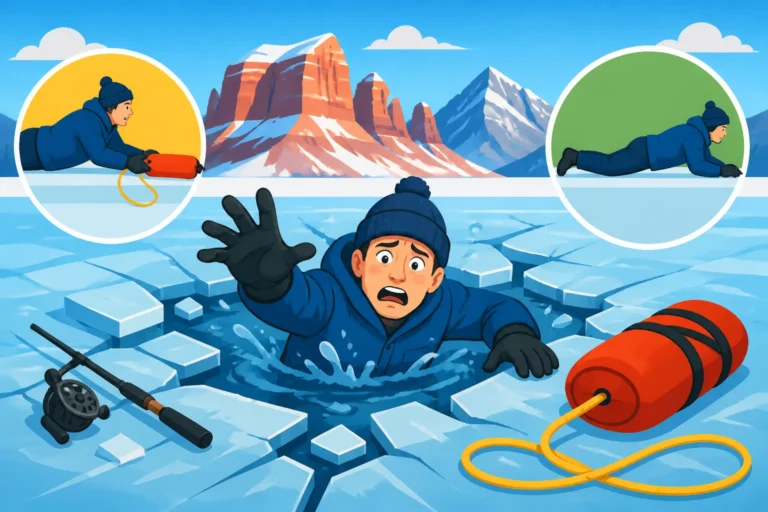
Even if you're confident in the ice thickness, carrying essential safety gear is non-negotiable. This equipment can save your life or the life of a companion in an emergency:
- Ice Picks: These inexpensive, handheld tools, easily found on Amazon, have spiked handles connected by a cord. Worn around your neck, they allow you to pull yourself out of the water if you fall through.
- Throw Rope: A floating rope, at least 50 feet long, is crucial for rescuing someone from a distance.
- Whistle: To alert others if you're in distress.
- Personal Flotation Device (PFD) / Life Jacket: Wear it! Many ice anglers opt for a flotation suit, which provides both warmth and buoyancy. This is perhaps the most overlooked piece of safety gear.
- Spud Bar: As discussed, for testing ahead of you.
- Spare Warm Clothes: Pack a complete change of warm, dry clothes in a waterproof bag or dry sack. If you get wet, hypothermia can set in quickly.
- First-Aid Kit: For minor injuries.
Understanding What to Do If You Fall Through Utah Ice While Fishing is something you hope you never need, but being prepared makes all the difference. Moreover, knowing How to Stay Warm Ice Fishing in Utah and How to Layer Clothing for a Utah Winter Fishing Trip will not only keep you comfortable but also prevent conditions like hypothermia if you do get wet.
Understanding and Respecting Ice Warnings and Closures
The DWR and local authorities will often post warnings or even close access to certain areas if ice conditions are deemed unsafe. These warnings are not there to ruin your fun; they are there to protect your life. Never ignore posted signs, barriers, or official advisories. That one person who disregards a warning is often the one who ends up in trouble.
Be aware that regulations can vary by specific water bodies and seasons. For instance, there are specific guidelines regarding How Long Can an Ice Shanty Stay on Utah Ice at different reservoirs. While these relate to environmental and access management, the underlying principle is a structured approach to enjoying the resource safely and responsibly. Always consult the official Utah Fishing Regulations Explained before heading out, as they cover everything from licensing to bag limits to ice safety warnings. If you're looking for gear to make your trip more comfortable once you're safely on the ice, check out guides on Best Ice Fishing Shelters for Utah Winters or even rules like How Many Ice Fishing Rods Can You Use at Once in Utah, which also fall under regulations.
Ice fishing in Utah offers some incredible opportunities for unique catches and serene winter experiences. But it demands respect for the environment and a commitment to personal safety. By understanding ice thickness guidelines, knowing what affects ice quality, utilizing the right tools for measurement, and practicing comprehensive safety measures, you can enjoy Utah's frozen waters with confidence.
Utah Ice Thickness Guidelines at a Glance
For quick reference, here's a general table summarizing safe ice thickness for various activities. Remember, these are minimums for clear, solid ice, and actual safety depends on many factors discussed above. Always verify conditions yourself.
| Activity | Minimum Safe Ice Thickness (Clear, Solid Ice) | Important Notes |
|---|---|---|
| Walking (single person) | 4 inches (10 cm) | Absolute minimum. Always test ahead, especially if unfamiliar with the area. |
| Ice Fishing (group) | 5-7 inches (12-18 cm) | For small groups with gear. Distribute weight and avoid congregating. |
| Snowmobile/ATV | 5-7 inches (12-18 cm) | Maintain distance from others. Be aware of varying conditions, especially near shore. |
| Small Car/Light Truck | 8-12 inches (20-30 cm) | Not generally recommended by DWR. Only in proven, managed areas with extreme caution. |
| Medium Truck/Large SUV | 12-15 inches (30-38 cm) | Highly discouraged. Risks usually outweigh any benefits. |
Disclaimer
Please remember that ice conditions can change rapidly due to weather, currents, and other factors. No ice is ever 100% safe. This guide provides general recommendations; however, it is ultimately your responsibility to assess current conditions and ensure your safety before venturing onto any frozen body of water. Always exercise extreme caution and prioritize safety above all else. Local regulations and conditions should always be verified with the Utah Division of Wildlife Resources or local authorities.