How to Fish for Utah Lake Catfish
Utah Lake can be a bit of a mystery for anglers, especially if you're used to pristine mountain reservoirs. It's often misunderstood, but for those in the know, it's an incredible fishery, particularly for channel catfish. If you've struggled to connect with these whiskered bottom-dwellers, or you're just looking to refine your technique, this guide is going to walk you through everything you need to know to successfully fish for Utah Lake catfish, from the right gear to the best spots and times.
Understanding Utah Lake Catfish: The Channel Catfish Advantage
Before you even think about casting a line, it's a huge advantage to understand the fish you're targeting. Utah Lake is primarily home to channel catfish, and they thrive in its unique environment. Knowing their habits, what they look like, and why they love Utah Lake so much will significantly improve your chances of success.
Identifying Utah Lake's Channel Catfish
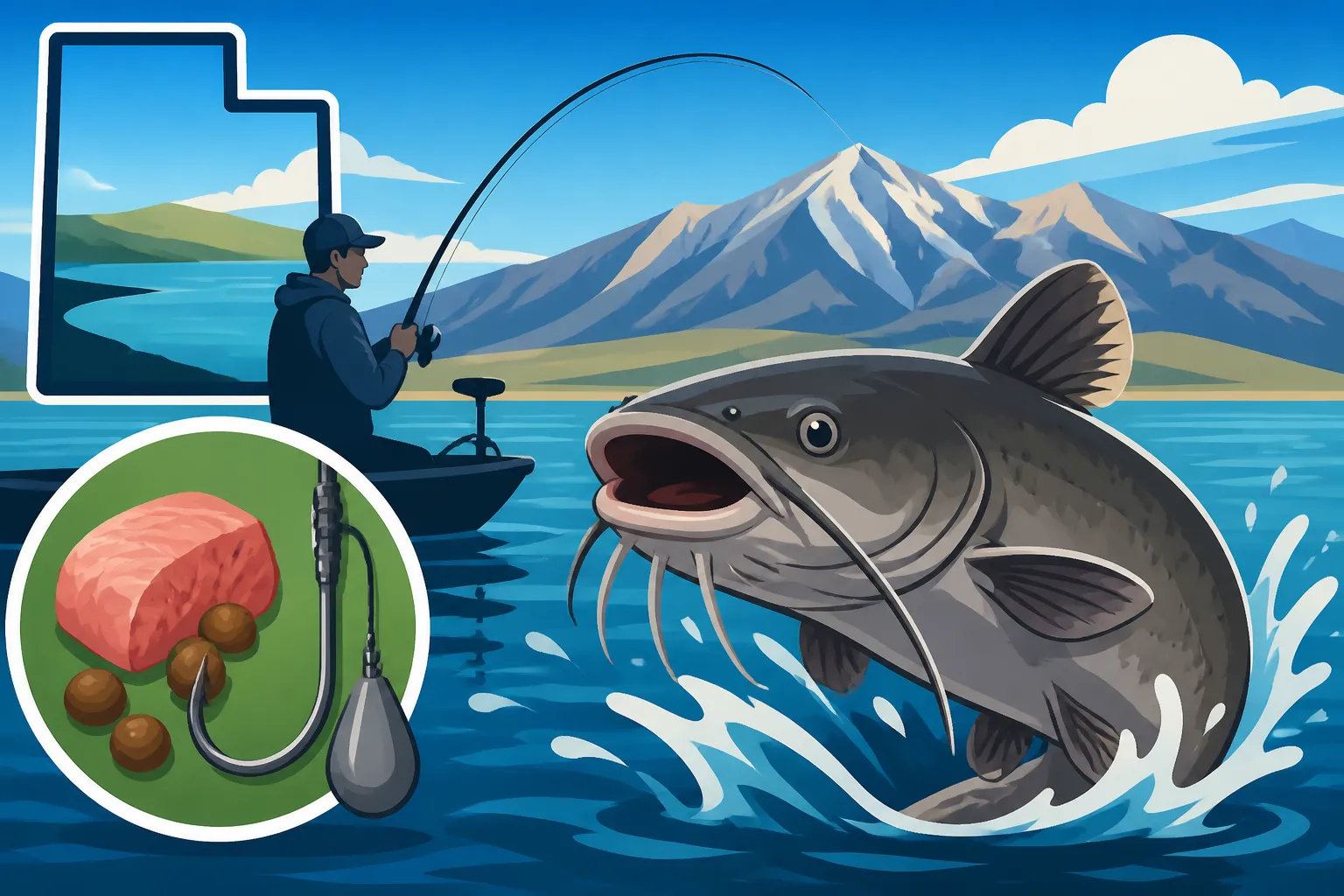
When you pull a catfish out of Utah Lake, chances are it's a channel catfish. These fish are pretty distinct and can grow to impressive sizes here. They typically have a slender body, deeply forked tail, and barbels (whiskers) around their mouth that they use to sniff out food. Their coloration can vary, from olive-green to grayish-blue on the back, fading to white or silver on the belly, often with scattered dark spots along their sides, especially when they're younger. As they mature, these spots might become less prominent or even disappear.
The size of channel catfish in Utah Lake can range from small "panfish" size, perfect for a quick meal, to absolute monsters. Many anglers report catching fish in the 5-10 pound range regularly, and it's not uncommon to land catfish exceeding 20 pounds. In fact, the potential for trophy-sized fish is one of the big draws. You can learn more about the impressive specimens found here by checking out our guide on Catfish Size at Utah Lake. They're truly powerful fighters, especially when hooked in the shallower, warmer waters of the lake, making for an exciting battle on the other end of your line.
Catfish Behavior and Habitat in Utah Lake
Channel catfish are primarily bottom feeders, and they have an incredible sense of smell and taste, which helps them locate food in murky or low-visibility conditions – something Utah Lake can certainly present. They're opportunistic eaters, meaning they'll pretty much devour anything they can find, from insects and crustaceans to smaller fish and even decaying organic matter. This isn't a species known for being picky, which is good news for us anglers! If you're curious about their diet, our article on What Catfish Eat at Utah Lake dives deeper into their culinary preferences.
In Utah Lake, you'll typically find these whiskered creatures hanging around areas with soft, muddy bottoms, often near submerged structure like old logs, rock piles, or even artificial structures like docks and pilings. They love these spots because they offer cover and a concentrated food source. They're also quite tolerant of warmer water temperatures, which makes Utah Lake, being a relatively shallow and warm body of water, an ideal home for them throughout the summer months. While they can be caught during the day, channel catfish are notorious for being more active during low-light conditions, particularly at dusk, throughout the night, and into the early morning hours. This nocturnal behavior is a key factor to consider when planning your fishing trips.
Why Utah Lake is a Catfish Hotspot
Utah Lake often gets a bad rap for its perceived murkiness, but for catfish, it's paradise. The lake is relatively shallow, which means it warms up significantly in the spring and summer, creating a perfect environment for catfish to thrive. This warmth also contributes to a rich ecosystem with an abundance of food sources, from carp eggs and juvenile carp to insects and other small organisms that catfish love to munch on. The prolific nature of these food sources allows the catfish to grow large and healthy.
Furthermore, Utah Lake's diverse bottom structure, despite its overall shallow nature, offers plenty of hiding spots and feeding grounds. You have expansive mud flats, but also deeper channels, rock rubble, and weed beds that can hold concentrations of fish. The sheer size of Utah Lake also means there's a vast amount of suitable habitat, supporting a robust and healthy catfish population. It's truly an overlooked gem for those who appreciate the hard-fighting and delicious channel cat. For a broader look at the lake's offerings, check out our Utah Lake Fishing Guide.
Essential Gear for Utah Lake Catfish
You wouldn't show up to a fancy dinner without the right attire, and you shouldn't show up to Utah Lake for catfish without the right gear. While you don't need to break the bank, having the appropriate rod, reel, line, and terminal tackle will make your experience much more enjoyable and successful.
Rod, Reel, and Line Selection
For Utah Lake catfish, you're going to want something robust. Forget your ultralight trout setup; these fish pull hard! A medium-heavy to heavy action spinning or baitcasting rod, typically 6 to 8 feet in length, is ideal. This gives you enough backbone to handle a strong, thrashing catfish and enough leverage to cast heavier baits and sinkers. Look for rods with a good, sensitive tip so you can detect those subtle bites, but plenty of power in the butt section for setting the hook and fighting the fish. Brands like Ugly Stik or Penn offer durable, affordable options that can stand up to the abuse.
Pair that rod with a sturdy spinning reel in the 4000-6000 size range, or a baitcasting reel designed for heavier lines and larger fish. The key is a smooth, reliable drag system, because when a big catfish decides to run, you want that drag to perform flawlessly. For line, braided line in the 30-50 pound test range is a popular choice among serious catfishermen. It offers superior strength, sensitivity, and a smaller diameter, allowing for better casting distance. However, some anglers prefer monofilament in the 15-25 pound test range for its stretch, which can act as a shock absorber, and its abrasion resistance around structure. A good compromise is to spool up with braid and use a fluorocarbon or heavy mono leader for stealth and abrasion resistance. You can find a wide range of suitable rods, reels, and lines on online retailers like Amazon, often at competitive prices. For general advice on selecting fishing tackle, our guide on Best Fishing Rods for Utah Anglers has more tips.
Terminal Tackle and Baits That Work
This is where the magic happens for catfish, as they are truly scent-driven feeders. For hooks, circle hooks are your best friend, especially for catch-and-release or for minimizing harm to the fish if you plan to keep them. Sizes 4/0 to 7/0 are common, depending on your bait size. Circle hooks are designed to hook the fish in the corner of the mouth, making for easier removal and less chance of gut-hooking. Some anglers still prefer J-hooks or even treble hooks, particularly with stink baits, but be mindful of their impact on the fish.
When it comes to sinkers, a slip sinker rig (often called a Carolina rig) is incredibly effective. A 1/2 oz to 2 oz egg sinker or similar allows the line to pass freely, so the fish can pick up the bait without feeling the weight of the sinker, giving you a better bite indication. Add a bead between the sinker and your swivel to protect the knot.
Now for the main event: bait!
- Cut Bait: Hands down, one of the most effective. Freshly cut pieces of carp, sucker, or even shad (if legal to use where caught) are fantastic. The scent trail they put out is irresistible.
- Stink Bait: These are commercially prepared doughs or dips with a strong, pungent odor. Brands like Triple S or Sonny's Super Sticky are popular. You'll need a bait holder hook or a sponge hook to keep it on.
- Worms: Nightcrawlers or large earthworms are always a reliable option, especially when fished in a large gob.
- Hot Dogs: Believe it or not, plain old hot dogs, especially those cut into chunks and sometimes "marinated" in garlic powder or Kool-Aid, are a surprisingly effective and budget-friendly bait for catfish.
- Shrimp: Raw, peeled shrimp can be a deadly bait, especially if they've had a chance to sit in the sun for a bit to develop some extra aroma.
Must-Have Accessories for Catfishing
Beyond the basic rod and reel setup, a few key accessories will really round out your Utah Lake catfish arsenal and make your outing more productive and comfortable:
- Rod Holders: Whether you're fishing from shore or a boat, rod holders are essential. Catfish bites can be sudden and powerful, capable of pulling an unattended rod right into the water. Stake-out rod holders for shore or clamp-on holders for boats are a must.
- Headlamp or Lantern: If you're embracing the nocturnal nature of catfish, good lighting is non-negotiable. A comfortable headlamp allows you to tie knots, re-bait, and unhook fish hands-free, while a lantern can illuminate your general fishing area.
- Pliers/Hook Remover: Catfish have tough, bony mouths, and those circle hooks can be snug. A good pair of long-nosed pliers or a dedicated hook remover will save your fingers and make quick work of de-hooking.
- Cooler and Ice: If you plan on keeping your catch, a cooler with plenty of ice is crucial, especially during Utah's warm summer months. Rapidly cooling the fish preserves its quality. Our guide on How to Store Fish on a Hot Day in Utah offers more in-depth advice on this.
- Gloves: Catfish have sharp spines on their dorsal and pectoral fins that can deliver a painful poke. A pair of sturdy gloves, even cheap work gloves, can prevent this.
- Towel: Essential for wiping hands, drying off gear, and generally keeping things tidy.
- Net: A good, sturdy landing net with a deep basket will help you land larger catfish without risking a broken line or losing the fish at the bank or boat.
- Bait Knife/Scissors: For cutting your cut bait or preparing other offerings.
- Bug Spray: Especially important for those prime dusk and nighttime hours when the mosquitoes come out.
Top Catfishing Techniques for Utah Lake
Knowing what gear to use is only half the battle; knowing how to use it effectively is the other. Catfishing isn't rocket science, but there are definitely techniques that increase your odds on Utah Lake.
Bottom Fishing Rigs and Setups
By far, the most effective technique for Utah Lake catfish is bottom fishing. Since they're primarily bottom dwellers and scavengers, presenting your bait directly on or near the lake bed is paramount.
The Carolina rig, or slip sinker rig, is the undisputed champion here.
- Thread your main line through an egg sinker (1/2 oz to 2 oz, depending on current and casting distance needed).
- Add a bead to protect your knot from the sinker's abrasion.
- Tie on a barrel swivel. This prevents line twist, especially when using cut bait that might spin slightly.
- Attach a fluorocarbon or heavy monofilament leader (12-24 inches) to the other end of the swivel. The leader should be slightly lighter than your main line in case of snags, but still strong enough for the fish you expect to catch (e.g., 20 lb test mono leader for 30 lb braid main line).
- Tie your circle hook (4/0-7/0) to the end of the leader.
When you cast this rig out, the sinker settles on the bottom, but the bait, attached to the leader, drifts naturally or settles nearby. When a catfish picks up the bait, the line slides freely through the sinker, allowing the fish to swim off without feeling resistance, which results in a more confident bite. Once you feel the bite, resist the urge to violently yank the rod. Instead, simply reel down until you feel the weight of the fish, and then pull back firmly to set the hook. With circle hooks, the fish often hooks itself as it turns away.
Fishing from Shore vs. Boat
Both shore fishing and boat fishing can be highly productive for catfish on Utah Lake, each with its own advantages.
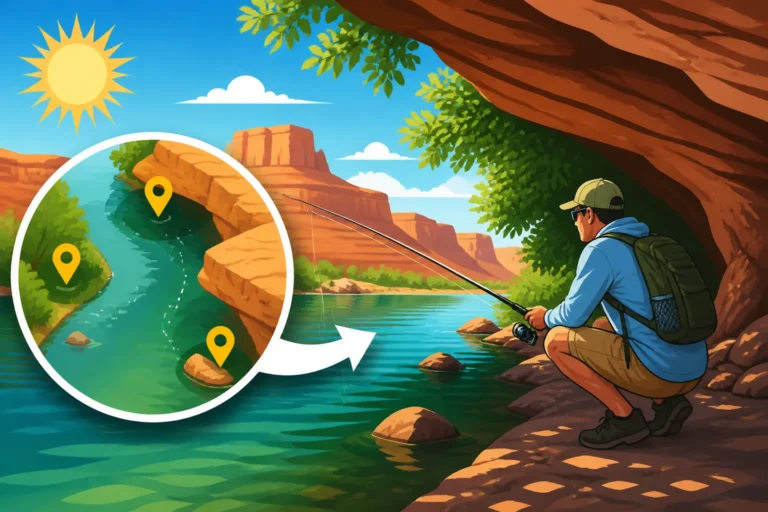
Shore Fishing: This is the most accessible way to target catfish, and many popular spots around Utah Lake offer excellent opportunities. Areas like Provo Bay, Lincoln Beach, American Fork Harbor, and the mouths of the Provo River or American Fork River are known catfish haunts easily reachable from shore. When fishing from shore, look for areas where there might be a slight drop-off, current, or submerged cover. These spots often concentrate fish. You'll typically cast your bottom rigs out and then place your rods in sturdy rod holders, waiting for a bite. This method is fantastic for a relaxed evening of fishing with friends or family, and it doesn't require any special boat registration or complex launching procedures. Just be prepared to walk a bit to find the best spots, and bring all your gear with you.
Boat Fishing: Having a boat gives you a distinct advantage by allowing you to cover significantly more water and access areas that shore anglers can't reach. With a boat, you can target deeper channels, isolated humps, and extensive weed lines further offshore where larger catfish might congregate. This also allows you to move if a spot isn't producing, rather than being stuck in one location. Many anglers will drift slowly across productive flats or anchor over a promising structure, deploying multiple rods with different baits to see what's working. A good fish finder can also be invaluable for identifying potential hotspots, showing you drops, submerged structure, and even concentrations of baitfish. You might want to explore our article on Best Boat Ramps on Utah Lake if you plan to launch a boat.
Night Fishing for Utah Lake Catfish
If there's one secret weapon for consistently catching Utah Lake catfish, it's night fishing. As mentioned earlier, channel catfish are largely nocturnal, with their activity peaking during low-light conditions. As the sun dips below the horizon and the lake cools slightly, catfish become more confident and actively cruise the shallows and flats in search of food.
The tranquility of night fishing on Utah Lake is an experience in itself, but it also demands a few extra preparations:
- Lighting: A reliable headlamp is crucial for tying knots, re-baiting, and unhooking fish. You might also want a lantern for ambient light around your fishing station.
- Safety: Always let someone know where you're going and when you expect to return. Be extra cautious when moving around in the dark, especially near the water's edge or on a boat.
- Bug Protection: Nighttime often means mosquitoes, so bring plenty of insect repellent.
- Stealth: Catfish can be surprisingly spooky in the shallows at night. Minimize noise and bright lights directly on the water.
When night fishing, cast your baited rigs into known catfish areas, especially the shallow flats or points that drop into deeper water. Sometimes, casting shallower than you would in the daytime can be productive, as catfish move into these areas to feed under the cover of darkness. Set your rods in holders, turn on your headlamp only when necessary, and pay close attention to your rod tips. Sometimes the bites can be very subtle, a slight twitch or bend, other times the rod will get absolutely hammered!
When and Where to Find Catfish in Utah Lake
Timing and location are everything in fishing, and targeting Utah Lake catfish is no exception. Knowing the optimal seasons, times of day, and specific types of locations will put you in the best position for a successful outing.
Best Seasons and Times of Day
The prime season for Utah Lake catfish typically runs from late spring through early fall. As the water temperatures begin to warm up in April and May, catfish become much more active after their cooler winter dormancy. The summer months of June, July, and August are fantastic, with catfish feeding aggressively due to the abundant food sources and warm water. Even into September and early October, as the water slowly starts to cool, you can find excellent fishing, especially during warmer spells. Once the water gets truly cold, their metabolism slows down, and they become much harder to catch.
Regarding the best time of day, as we touched on, dusk, throughout the night, and into the early morning are undeniably the most productive periods. Catfish are less wary and more active under the cover of darkness. If you're fishing during the daytime, aim for cooler, overcast days, or focus on deeper channels and shaded areas, especially during the hottest parts of the summer. However, don't underestimate the power of an evening bite, which can often extend past midnight. Our article on Best Time of Day to Fish in Summer Heat in Utah can offer more nuanced advice for those scorching days.
Prime Locations and Structures
Utah Lake is a vast, shallow body of water, but certain areas consistently produce more catfish. Here are some prime locations to focus your efforts:
- Provo Bay: This large, relatively shallow bay on the east side of the lake is a perennial catfish favorite. Its muddy bottom and extensive weed beds provide ideal habitat. The mouth of the Provo River as it enters the bay is also a fantastic spot, as catfish will congregate there, especially after rain events that bring fresh nutrients and cooler water.
- Lincoln Beach: Located on the southwest side, Lincoln Beach offers good access and a long shoreline. Look for any deeper pockets or areas with submerged brush.
- American Fork Harbor/River Mouth: Similar to Provo Bay, the area around the American Fork Harbor and where the American Fork River flows into the lake can be very productive. The slight current and influx of nutrients attract catfish.
- Channels and Dredged Areas: While Utah Lake is generally shallow, there are deeper channels, particularly those created by dredging or natural flow. Catfish will often retreat to these deeper, cooler areas during the hottest parts of the day or if there's significant boat traffic. A good contour map can help you identify these.
- Rock Piles and Hard Bottom: While they prefer soft bottoms for feeding, catfish will also utilize rock piles or areas with a harder bottom, especially if there's baitfish present or if it offers ambush points.
Don't be afraid to move around if a spot isn't producing. Catfish are often found in schools, so if you catch one, there are likely more in the vicinity.
Reading the Water: Identifying Catfish Hotspots
Beyond specific named locations, learning to "read the water" on Utah Lake will dramatically improve your catfish success. Catfish leave clues, and knowing what to look for can lead you to the honey holes.
- Discolored or Murky Water: While many fish prefer clear water, catfish are often drawn to areas that are a bit murkier. This provides them with cover and can indicate a rich feeding ground where detritus and smaller organisms are suspended. If you've been dealing with How Water Temperature Affects Utah Trout Fishing in other bodies of water, know that catfish often prefer the warmer, less clear areas.
- Shallow Flats with Weeds: Expansive shallow flats, especially those with scattered weed beds, are prime nighttime feeding grounds. Catfish will cruise these areas after dark, rooting around for food.
- Inlets and Outlets: Anywhere water flows into or out of the lake (rivers, canals, even culverts) can be a hotspot. The current brings in food, and it often creates slight depth changes or scour holes where catfish like to hold.
- Temperature Breaks: While Utah Lake is generally warm, subtle temperature differences can occur, especially where cooler river water enters the lake. Catfish might stack up in these areas.
- Wind-Blown Shorelines: Consistent wind can push baitfish and other food sources towards a particular shoreline, making it an active feeding zone for catfish. Casting parallel to a wind-blown bank can be very effective.
Keep an eye out for any surface activity, like baitfish flickering or jumping, which could indicate larger predators, including catfish, are feeding below. Sometimes, you'll even see a catfish roll on the surface in the evening hours.
Handling Your Catch and Regulations
Once you've hooked and landed a beautiful Utah Lake catfish, the experience isn't quite over. Responsible handling, whether you're keeping it or releasing it, is important, as is understanding the regulations that govern your catch.
Safely Handling and Releasing Catfish
Catfish are powerful fish, and their spines can be a real hazard if you're not careful. Channel catfish have sharp, serrated spines on their dorsal (back) fin and pectoral (side) fins, which they can lock into place when threatened. A poke from these spines is painful and can lead to infection.
Here's how to handle them safely:
- Use a Net: Always land larger catfish with a good, sturdy landing net. This keeps the fish contained and prevents it from thrashing on the bank or boat, which can injure both you and the fish.
- Gloves are Your Friend: Wear a pair of fishing gloves or even sturdy work gloves.
- Control the Spines: The safest way to hold a catfish is to grip it firmly behind the pectoral spines, with your thumb and fingers clamped over the tops of the fins, pressing the spines down. You can also grip the bottom jaw with a lip gripper tool if you're confident, but avoid putting your fingers directly in its mouth due to the sandpaper-like teeth.
- Keep it Wet: If you're releasing the fish, try to keep it in the water as much as possible, or at least minimize its time out of the water. This is crucial for its survival.
- Gentle Release: When releasing, hold the fish upright in the water and allow it to swim away on its own power. Don't just toss it back.
Keeping Your Catch Fresh and Preparing for the Table
Channel catfish from Utah Lake are excellent table fare, with firm, white, flaky meat. If you decide to keep your catch, ensuring its freshness is key.
- Bleed the Fish: Immediately after catching and dispatching a fish you intend to keep, cut one of its gills or the artery behind the gill plate to allow it to bleed out. This significantly improves the taste and quality of the meat. Do this quickly and respectfully.
- Ice, Ice Baby: Get your fish onto ice as quickly as possible. A cooler filled with a slurry of ice and water will chill the fish rapidly, stopping bacterial growth and preserving its flavor.
- Filleting: Once you're ready to clean your catch, filleting is the most common method. Catfish have tough skin that's best removed. Start with a sharp fillet knife, making a cut behind the head, then run the knife along the backbone towards the tail. Peel the skin off with pliers or a dedicated skinning tool, then remove the ribs. You'll be left with boneless, skinless fillets. You can also choose to skin the whole fish before filleting, which some anglers prefer.
- Storage: Fresh fillets can be stored in the refrigerator for a day or two, or vacuum-sealed and frozen for several months.
Utah Lake Catfish Regulations and Limits
Before you head out, always double-check the current Utah Fishing Regulations Explained booklet, available from the Utah Division of Wildlife Resources (DWR). Regulations can change, and it's your responsibility to know and abide by them.
For Utah Lake, there are typically very generous bag limits for channel catfish, often with no limit on the number of channel catfish you can harvest. This is because they are a non-native species and the DWR encourages anglers to harvest them to help balance the ecosystem, particularly in relation to native species. However, this is critical: always verify the current regulations before fishing, as specific water bodies or dates may have unique rules. You can find details on statewide rules in the Utah Daily Bag and Possession Limits guide.
You will also need a valid Utah fishing license to fish Utah Lake. There are different licenses for residents and non-residents, and various options depending on age and duration. Make sure you're properly licensed to avoid any penalties. Our comprehensive Utah Fishing License Guide is an excellent resource for all your licensing needs. Fishing without a license or violating bag limits can result in significant fines and other penalties, so always fish legally and responsibly.
Utah Lake Catfish Baits: A Quick Comparison
To help you decide which bait to bring on your next trip, here's a quick comparison of some popular options for Utah Lake catfish:
| Bait Type | Pros | Cons | Best Use Case |
|---|---|---|---|
| Cut Bait | Highly effective, strong scent, natural | Can be messy, requires preparation | All conditions, especially for larger fish |
| Stink Bait | Incredibly attractive to catfish, easy to apply | Messy, often requires special bait holders | Warm water, slow currents, excellent at night |
| Nightcrawlers | Readily available, generally effective | Smaller fish can pick at them, less scent trail | General purpose, good for mixed bag fishing |
| Hot Dogs | Cheap, easy to use, decent scent | Can be less effective than cut or stink bait | Budget-friendly, convenient, good for casual trips |
| Shrimp | Good scent, easy to rig | Can be expensive, may attract smaller fish | Specific situations where other baits aren't working |
Disclaimer
This article is for general informational purposes only and does not constitute professional advice. Laws, prices and regulations vary by location and change over time. Consult a qualified professional for guidance on your specific situation.