What Depth Do Lake Trout Hold at in Winter?
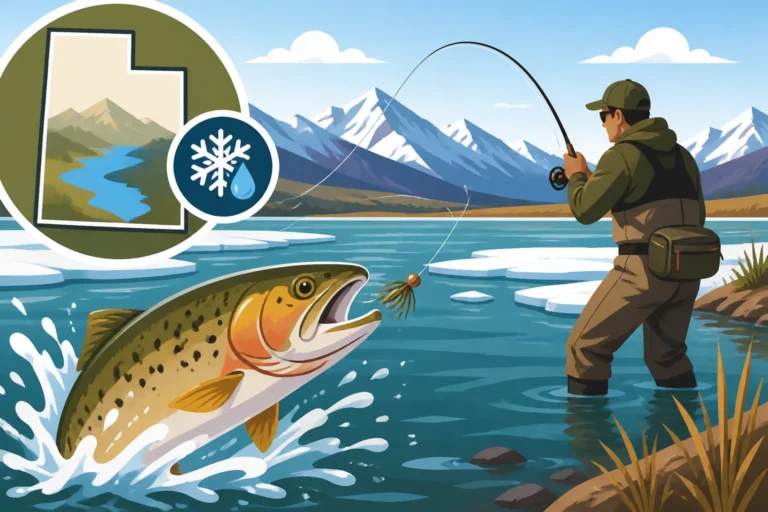
Winter fishing in Utah, especially for elusive lake trout, can be an incredible experience, but it often comes with a perplexing challenge: where in the world are those fish hiding under all that ice? You've got your gear, you've drilled your holes, but if you're not putting your presentation at the right depth, you might as well be fishing in a bathtub. This guide is dedicated to helping you unravel the mystery of lake trout depths in winter, giving you the insights and strategies to confidently target these magnificent fish.
Understanding Lake Trout Behavior in Winter
Fishing for lake trout through the ice is a whole different ballgame compared to open water, and a huge part of cracking the code lies in understanding how these fish adapt to the cold, dark world beneath the frozen surface. Their behavior shifts dramatically, influenced by changes in water temperature, available food, and even oxygen levels.
The Thermocline Disappears: What That Means for Lake Trout
During the warmer months, most of Utah's deeper reservoirs develop a distinct thermocline – a layer where the water temperature changes rapidly, creating distinct zones for different fish species. Lake trout, being cold-water predators, often stick to the cooler waters below this thermocline. But when winter fully sets in, and the lakes freeze over, that thermocline vanishes. The water column becomes much more uniform in temperature, often hovering just above freezing, from the surface all the way down.
What does this mean for lake trout? Essentially, they're no longer confined to specific temperature bands. They have the freedom to roam the entire water column, from relatively shallow depths to the very bottom, in search of food. This can be both a blessing and a curse for anglers. It means they could be anywhere, but it also means that if you find their food source, you've likely found them. This newfound freedom in their movement is a critical piece of the winter puzzle.
Forage and Food Sources in Cold Water
Just like us, lake trout are always thinking about their next meal, and in winter, their primary forage species become a significant indicator of where they’ll be holding. In many of Utah's premier lake trout waters, such as Flaming Gorge, Strawberry Reservoir, and even the unique Bear Lake, the primary prey includes kokanee salmon, various chub species, yellow perch, and Bonneville cisco.
These forage fish also have their preferred winter depths. Kokanee, for instance, often suspend in schools in the open water, typically at depths where light penetration is still present but they feel secure. Chubs and perch might be found closer to structure or along the bottom. By understanding where these baitfish are congregating, you can often predict where the lake trout will be lurking. If you mark a massive school of baitfish on your sonar, you can bet there's a good chance a predator is not far behind, or will be soon. Often, lake trout will patrol the edges of these baitfish schools, picking off stragglers.
Oxygen Levels and Water Quality Under Ice
While often less of a concern in Utah's large, deep reservoirs compared to shallower ponds, oxygen levels and overall water quality can still play a role in where lake trout decide to hang out in winter. Under a thick layer of ice, the usual wind-driven oxygenation of the water stops. Photosynthesis by aquatic plants slows down or ceases due to reduced light, further impacting oxygen production.
In very deep lakes, this is rarely an issue at the depths where lake trout reside, as the sheer volume of water holds a tremendous amount of oxygen. However, in smaller, shallower lakes, or in areas with heavy decomposition, lower oxygen levels might push fish towards areas with inflow or slightly higher concentrations. For the most part, though, in our major lake trout fisheries like Flaming Gorge, you're not usually worrying about oxygen being a limiting factor for these fish at typical winter depths. It’s more about temperature uniformity and where the buffet is located.
Typical Winter Depths for Utah Lake Trout
So, with all that background, where exactly should your line be dropping through the ice? While lake trout have the freedom to roam, they do exhibit some general preferences that can guide your efforts.
General Depth Ranges Across Utah's Key Reservoirs
It's impossible to give one single magic depth, as conditions and specific lake characteristics vary, but we can talk about general ranges.
- Flaming Gorge Reservoir: This is probably Utah's most famous trophy lake trout fishery, and in winter, they can be found surprisingly deep. Many anglers successfully target lake trout between 40 and 100 feet, sometimes even deeper to 120-150 feet. The larger, older fish often prefer these colder, darker depths. However, don't rule out shallower depths in the early morning or late evening, especially around prominent points and shelves. Targeting these deeper zones often requires specialized gear like a high-quality flasher from brands like Vexilar or Marcum, widely available on Amazon, to accurately read the bottom and detect subtle fish movements.
- Bear Lake: Known for its unique subspecies, Bear Lake cutthroat trout (which behave similarly to lake trout in some respects when targeting forage), and some actual lake trout (mackinaw) in the deeper sections. Here, you'll often find success in the 60 to 120-foot range, particularly over deep structure like submerged ridges or shelves that drop into the abyss. Understanding Bear Lake's distinct ecosystem, detailed in our Bear Lake Fishing Guide post, is key.
- Fish Lake: A gem in Southern Utah for trophy splake (a brook trout/lake trout hybrid) and Mackinaw. Depths here can vary, but generally, anglers find success from 30 to 70 feet, especially around known humps and drop-offs. The size of the lake and its structure tend to concentrate fish a bit more than the vastness of Flaming Gorge. If you're looking for Fish Lake Trophy Trout Fishing specifically, winter is an excellent time to visit.
It’s truly a game of "find the food, find the fish." Your sonar is your best friend in this scenario, helping you locate schools of baitfish or larger arcs that signify a cruising lake trout.
Factors Influencing Winter Depth Shifts
While general ranges are helpful, lake trout aren't robots. Their preferred depth can shift throughout the day and with environmental changes.
- Time of Day: During low-light conditions, like early morning or late afternoon, lake trout might push shallower, sometimes into the 20-40 foot range, especially if baitfish are doing the same. As the sun gets higher and brighter, they often retreat to deeper, darker water where they feel more secure and less exposed. This is why some anglers will drill holes at various depths along a contour to adjust their presentation throughout the day.
- Barometric Pressure Changes: A sudden drop in barometric pressure can often signal an approaching storm and might make fish less active, potentially driving them slightly deeper or causing them to hug the bottom more tightly. Conversely, stable or rising pressure can sometimes encourage more active feeding, making them more willing to suspend or cruise.
- Bottom Structure: Lake trout are opportunistic predators that love to ambush. They often relate to underwater structure – ledges, humps, submerged islands, and steep drop-offs. These features provide cover, act as ambush points, and often hold baitfish. Even if lake trout are suspended, they're often doing so near structure, using it as a reference point. Pay close attention to your map and sonar for these features.
- Forage Availability: This is perhaps the biggest driver. If the kokanee are schooled up at 60 feet, the lake trout will be nearby. If a specific area has a high concentration of chubs near the bottom at 80 feet, that’s where the predators will be. Always be scanning for bait balls.
The Deep-Water Roamers vs. Structure Huggers
When ice fishing for lake trout, you'll encounter two general patterns:
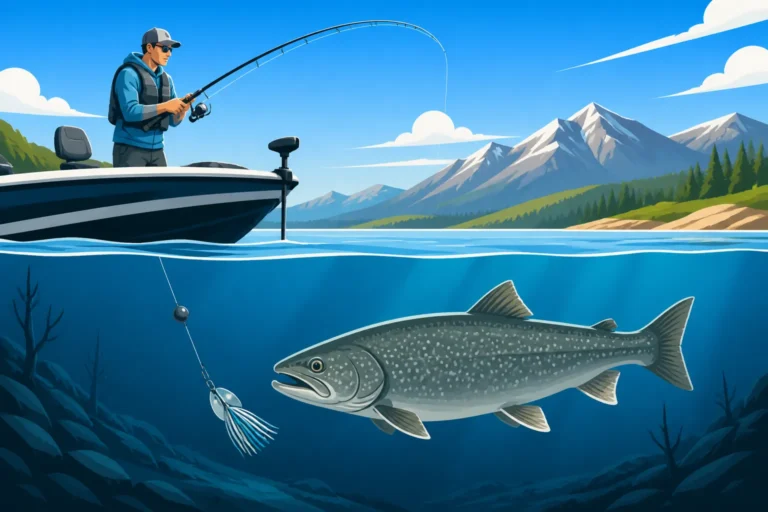
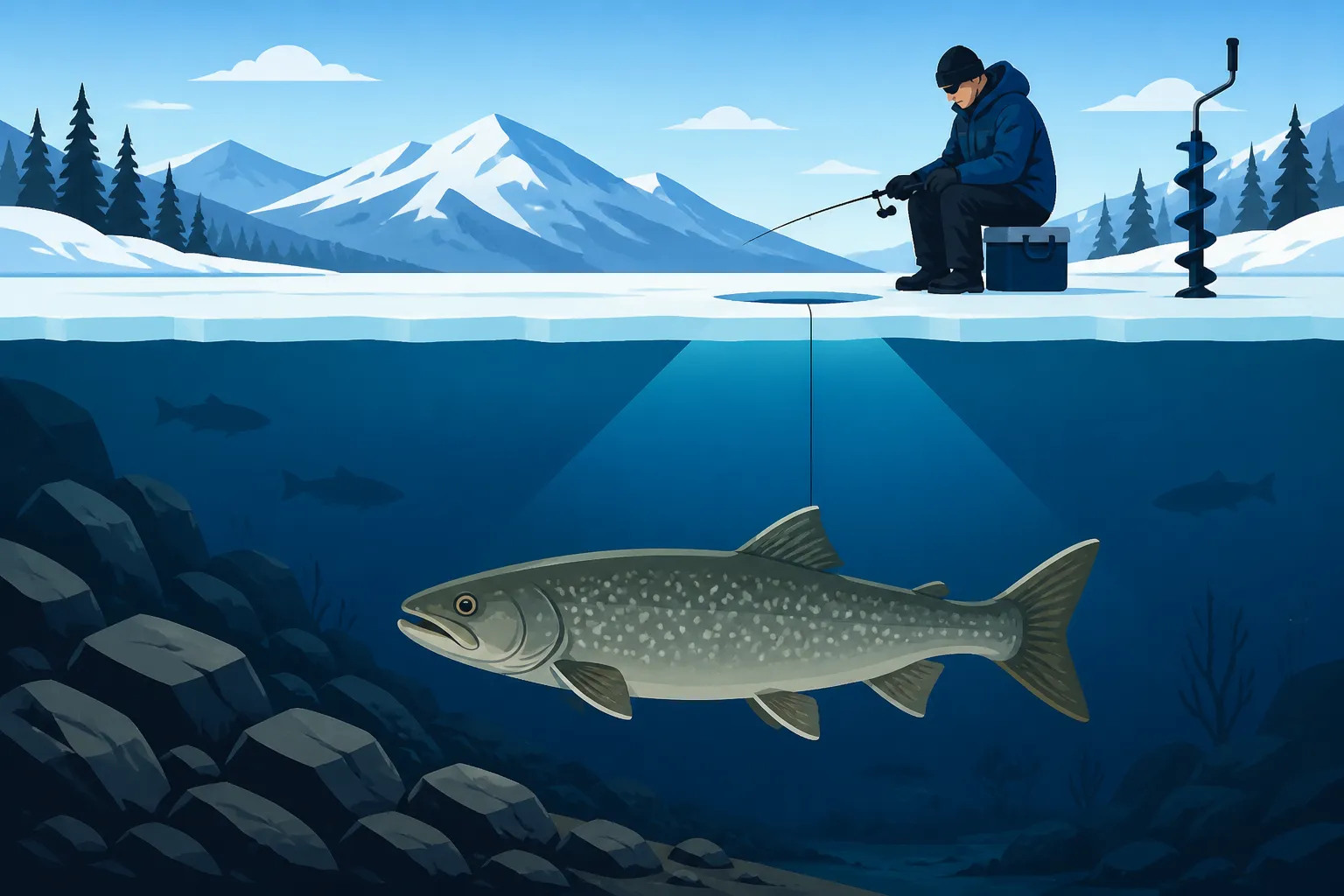
- The Deep-Water Roamers: These are often larger lake trout, cruising open water, sometimes suspending 10-20 feet off the bottom, or even higher in the water column, hunting for schools of pelagic baitfish like kokanee. They move a lot and can be challenging to intercept if you're not mobile yourself. This is where active jigging techniques come into play.
- The Structure Huggers: Other lake trout, particularly smaller or those in certain areas, will relate more closely to underwater contours. They might be found right on the bottom, tucked into depressions, or patrolling a specific depth along a ledge. These fish are often targeted with a deadstick rig, allowing a bait to sit patiently at their preferred depth. Understanding Utah Lake Trout (Mackinaw) Guide will give you more context on these fish and their habits.
The best strategy is often to address both scenarios: active jigging with one rod to call in roamers, and a deadstick with a static bait to tempt the more stationary, structure-oriented fish.
Gear and Techniques for Pinpointing Winter Lake Trout Depths
Hitting the right depth is paramount when chasing winter lake trout. Thankfully, modern ice fishing gear makes this much more manageable.
Essential Electronics for Ice Fishing Lake Trout
Forget guessing – electronics are your eyes under the ice.
- Flashers and Sonar Units: These are absolutely non-negotiable for lake trout ice fishing. Devices like the Vexilar FLX series, Marcum LX series, or Humminbird Ice Helix units provide real-time, instantaneous feedback on what's directly beneath your hole. They'll show you the bottom, any structure, schools of baitfish, and most importantly, your lure and any fish that approach it. You can see fish swim up to your bait, investigate, and even shy away, allowing you to adjust your jigging presentation or depth immediately. Learning how to use these devices is crucial for How to Vertical Jig for Lake Trout Through the Ice. For a deeper dive, check out our guide on the Best Fish Finders for Ice Fishing in Utah. You can find a fantastic selection of these units on Amazon.
- GPS for Marking Spots: A good GPS unit, whether standalone or integrated into your fish finder, is vital. It allows you to mark successful holes, productive structural features, and even specific coordinates where you've seen baitfish. This is invaluable for returning to hot spots later in the day or on future trips. Many anglers also use apps on their smartphones that offer mapping capabilities for this purpose.
Jigging and Deadsticking Strategies for Depth Targeting
Once you have your electronics working, it's about presenting your bait effectively at the right depth.
- Active Jigging for Depth Searching: This involves dropping a heavy jigging lure – such as a tube jig, spoon, blade bait, or a large minnow imitation like a Berkley PowerBait MaxScent Flat Worm – down to a suspected depth, and then jigging it with varying retrieves. Start by dropping it to the bottom, then reel up 5-10 feet and jig for a few minutes. If nothing, reel up another 5-10 feet and repeat. This allows you to "fan" the water column from bottom up, actively searching for fish.
- The Importance of a Deadstick: A deadstick rod, set up in a rod holder (often a bucket-mounted holder or a specific ice fishing rod stand), is incredibly effective. It's usually rigged with a natural bait like a whole sucker minnow (dead or alive, depending on regulations), a large chunk of cut bait (such as a cisco strip), or even a large Gulp! Minnow. The deadstick allows you to present a stationary bait at a consistent depth, often 1-5 feet off the bottom or at the depth where you're marking baitfish. This appeals to less aggressive fish or those that prefer an easy meal. Having multiple holes drilled and using a deadstick in one while actively jigging another is a common and highly productive strategy, especially in areas like Flaming Gorge Trophy Lake Trout Spots.
Bait Presentation and Scent for Deep Water
Getting your bait to the fish efficiently and making it appealing are key.
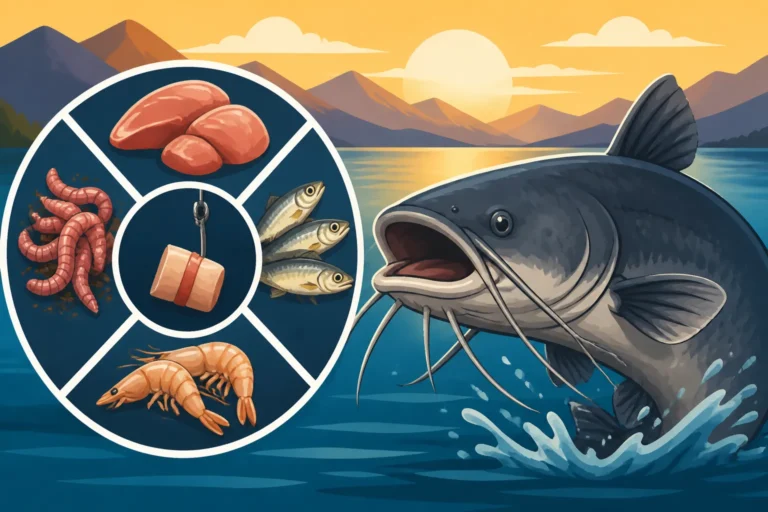
- Cut Bait and Live Bait: For larger lake trout, natural baits are often irresistible. Sucker meat, cut into strips or chunks, or entire dead cisco or chub, are extremely effective. The natural oils and scent disperse in the water, attracting fish from a distance. If regulations allow, a lively minnow can also be a game-changer. Remember to check local regulations for specific baitfish rules. For tips on keeping your bait lively in freezing conditions, refer to How to Keep Bait Alive in Cold Weather.
- Scent Additives: In the cold, dark water under the ice, scent becomes even more important. Adding commercial scent gels or sprays to your artificial lures can make a significant difference. Brands like Pro-Cure or Mike's Glow have strong fish-attracting scents that can trigger bites, especially from hesitant lake trout.
- Quick and Efficient Delivery: When fishing deep, having a heavier lure or a weighted rig helps your bait get down to the strike zone quickly. This is crucial when you mark a fish on your sonar and need to get your lure in front of it before it moves on. Using a strong, low-stretch line, such as a braided line with a fluorocarbon leader, helps with sensitivity and direct connection to your lure in deep water. Choosing the Best Fishing Line for Utah Trout is essential.
Real-World Scenarios and Troubleshooting
Even with the best gear and knowledge, winter fishing can throw you curveballs. Being able to adapt and troubleshoot is part of the fun.
When Lake Trout Go Shallow: Early Ice and Low Light
While lake trout are renowned for their deep-water habits, there are specific times when they might surprise you by showing up in shallower water.
- Early Ice: During the initial freeze, before thick ice layers form and water temperatures fully stabilize, lake trout can sometimes be found in shallower depths, perhaps 20-40 feet. They might still be lingering in areas where baitfish were abundant just before freeze-up, or exploiting a warmer pocket of water near an inlet. These transitional periods can offer fantastic shallow-water action for a short window.
- Low Light Conditions: As mentioned earlier, lake trout often feed most actively during dawn and dusk. In these low-light periods, they may cruise shallower flats or the tops of submerged humps where baitfish might be less wary. This is a great time to experiment with higher-riding presentations, even if you’re fishing overall deep water.
Always remember that "shallow" for a lake trout is still relative. It might mean 30-40 feet rather than 80-100 feet, not necessarily 10 feet like a rainbow trout.
What to Do When They're Not on the Sonar
The dreaded blank screen. You've drilled your hole, set up your gear, and your flasher is showing nothing but bottom. Don't despair!
- Be Mobile and Drill More Holes: This is the golden rule of ice fishing when fish aren't biting or showing up. Don't be afraid to drill a grid pattern over a suspected area or move along a contour line. Drill 5-10 holes in an area, fish each one for 10-15 minutes at various depths, and if nothing, move to the next. A good Best Ice Augers for Utah Winters will make this process much easier. Remember to always prioritize safety by understanding How to Check Ice Thickness Safely Before Ice Fishing.
- Adjust Depth in Increments: If you're targeting a specific depth, but not seeing fish, subtly adjust. Try moving your bait up or down by 5-10 feet. Sometimes, a lake trout might be suspended just above or below your initial presentation, or shy away if your bait is too close to the bottom.
- Change Lures or Presentation: If depth isn't the issue, perhaps the lure isn't. Experiment with different colors, sizes, or styles of jigs. Sometimes, a subtle change from a tube jig to a spoon, or a flashy lure to a more subdued one, can trigger a bite. Vary your jigging cadence from aggressive lifts to subtle twitches. Try letting your deadstick sit completely still for longer periods.
Reading the Environment: Ice Thickness and Water Clarity
The conditions above and below the ice also provide clues.
- Ice Thickness and Snow Cover: Thicker ice, especially with a heavy layer of snow, significantly reduces light penetration into the water. This can make the underwater world darker, even at shallower depths. In these conditions, lake trout might be more comfortable cruising higher in the water column or closer to the surface than they would on a clear, sunny day with thin ice. Conversely, clear ice on a sunny day might push them deeper. Always dress appropriately for the conditions; our How to Layer Clothing for a Utah Winter Fishing Trip guide can help.
- Water Clarity: Highly clear water, typical of many deep Utah reservoirs, means fish have excellent visibility. This can make them more wary of your presentation, but also allows them to spot your bait from a greater distance. In murky conditions, vibration and scent become more important, and fish might be less depth-sensitive, relying more on lateral line senses.
Ultimately, cracking the code on winter lake trout depths is a blend of understanding their natural instincts, leveraging modern electronics, and being willing to experiment. Every day on the ice is a learning experience, but with these strategies in your arsenal, you'll be well on your way to consistent success.
Disclaimer
The information provided in this guide is for general informational purposes only and does not constitute professional advice. Fishing regulations, conditions, and fish behavior can change rapidly. Always consult the latest Utah Division of Wildlife Resources (UDWR) fishing regulations before heading out, prioritize safety on the ice, and use common sense. Fishing involves inherent risks, and adherence to all safety guidelines is the sole responsibility of the angler.