Catfish Size at Utah Lake
If you've ever spent a warm evening on the shores of Utah Lake, or ventured out onto its vast waters, you've probably wondered about the catfish lurking below. Anglers often ask, "What size catfish can I actually expect to catch here?" It's a valid question, because while tales of monsters abound, most of us just want to know what's realistic for our dinner plate or our bragging rights. This guide is here to shed some light on the typical sizes, the impressive giants, and everything in between when it comes to Utah Lake's thriving catfish population.
Understanding Utah Lake's Catfish Population
Utah Lake is a unique and vibrant fishery, often surprising those who might dismiss it due to its shallow nature or warm temperatures. For catfish enthusiasts, it's a true gem, providing consistent action and the potential for some truly memorable catches.
The Abundance and Opportunity at Utah Lake
Utah Lake boasts an incredibly healthy and abundant population of catfish, making it a prime destination for anglers specifically targeting these whiskered wonders. The lake's vast, shallow, and nutrient-rich environment provides an ideal habitat, teeming with the food sources that catfish thrive on. You won't struggle to find a bite here, especially during the warmer months when these fish are most active. Many anglers report catching dozens of catfish in a single outing, making it a fantastic spot for both seasoned veterans and beginners looking to get consistent action. It's a place where the next tug on your line could be anything from a feisty eater to a surprising heavyweight, keeping every moment exciting. The sheer numbers mean that even on a slow day for other species, the catfish usually come through.
Primary Catfish Species Present
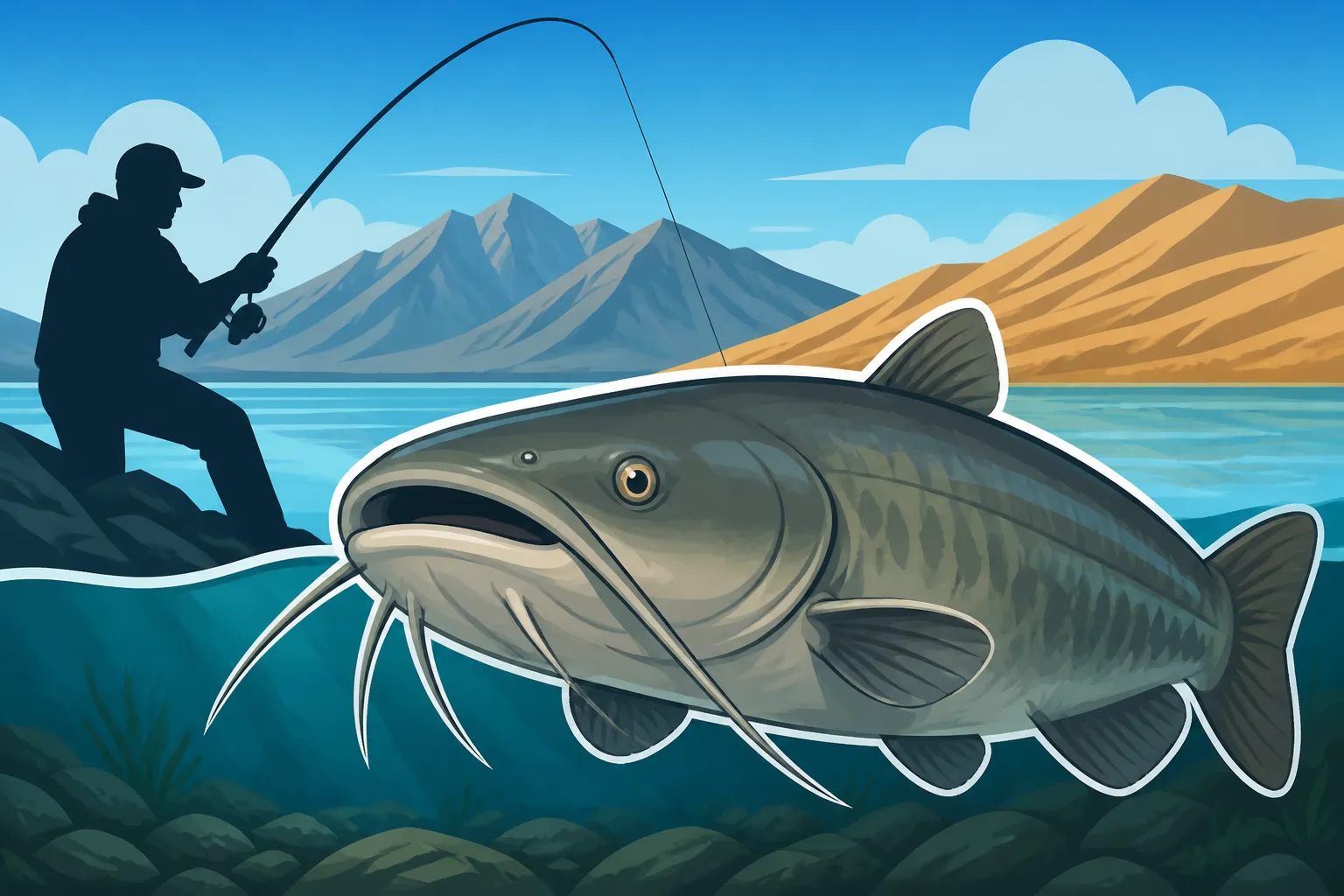
When you're fishing Utah Lake for catfish, you're almost exclusively targeting Channel Catfish. These are the predominant species in the lake, known for their distinctive forked tails and speckled bodies. While other species like Bullheads might occasionally be found in some Utah waters, Channel Catfish are the true stars of Utah Lake, providing the bulk of the action and the biggest fish. They are incredibly resilient and have adapted wonderfully to the lake's conditions, growing fat and strong on the available forage. Understanding that you're primarily after Channel Catfish helps inform your bait choices and techniques, as they have specific preferences that differ from other catfish varieties. If you're curious about Utah Lake Catfish Species in more detail, we've got you covered in another post.
What to Expect: Average Catfish Size at Utah Lake
The term "average" can be a bit tricky, as it encompasses a wide range, but for most anglers, knowing the typical catch size helps manage expectations and plan for dinner!
Common Catch Sizes for Anglers
For the typical angler casting a line in Utah Lake, a common catch for Channel Catfish will fall into the "eating size" category, generally ranging from 1 to 4 pounds. These are perfect pan-sized fish, offering delicious fillets and a respectable fight on light to medium tackle. You'll often hook into a good number of these younger, more aggressive fish. While they might not be the giants you see in magazines, they provide fantastic sport and a plentiful harvest. It's not uncommon to land several in the 2- to 3-pound range, which are robust enough to feel satisfying but still manageable to handle. Many anglers specifically target these smaller, tenderer catfish for their culinary qualities, finding them ideal for frying or grilling.
Factors Influencing Catfish Size and Growth
Several factors contribute to the size and growth of catfish in Utah Lake. The abundance of food, particularly common carp and white suckers, provides a rich diet for growing catfish, allowing them to bulk up quickly. Water temperature also plays a significant role; the warm, shallow waters of Utah Lake mean a longer growing season and higher metabolic rates for the fish, leading to faster growth compared to colder, deeper lakes. Furthermore, habitat diversity, with vast areas of structure and open water, gives catfish plenty of places to find food, ambush prey, and mature. Older, larger catfish have learned to navigate the lake's challenges, finding prime feeding grounds and avoiding predation, which allows them to reach impressive sizes over several years. Anglers who understand these dynamics often have better luck targeting the larger, more mature fish.
The Hunt for Trophy Catfish: Utah Lake's Giants
While smaller catfish are common, Utah Lake also holds the potential for truly massive Channel Catfish that can test your gear and your resolve.
Records and Rare Big Catches
Don't let the abundance of smaller fish fool you; Utah Lake has a well-deserved reputation for producing genuine trophy Channel Catfish. While not an everyday occurrence, catching a catfish over 10 pounds is definitely within the realm of possibility, and fish exceeding 20 pounds are caught regularly enough to keep serious anglers coming back for more. The Utah state record Channel Catfish, a true behemoth, was pulled from these very waters, showcasing the incredible growth potential here. Imagine the thrill of hooking into something that feels like a submerged log, slowly gaining line, and finally seeing the immense size of a Utah Lake monster emerge from the depths. These rare big catches are what legends are made of, providing a lifetime of bragging rights and fueling the dreams of every angler who casts a line into the lake. For those seeking the biggest of the big, Utah Lake offers a legitimate opportunity. If you're curious about specific record-breaking catches, check out The Utah State Record Channel Catfish.
Tactics for Targeting Larger Catfish
Targeting larger catfish requires a slight shift in strategy from simply catching numbers. While the smaller ones will hit almost anything, big catfish are often more discerning and territorial. Focus on using larger baits, such as substantial chunks of cut bait (like carp or chub), whole shrimp, or even specially prepared stink baits designed for trophy cats. Night fishing is often key, as larger catfish are more active hunters under the cover of darkness, moving into shallower areas to feed. Look for deeper channels, submerged humps, or areas near the lake's inlets and outlets where current might concentrate baitfish. Setting multiple lines with different baits and at varying depths can increase your odds. Patience is a virtue when hunting for giants; you might have fewer bites, but the one you get could be the fish of a lifetime. Consider investing in a good quality rod and reel setup that can handle the power of these larger fish; you can find many robust options on Amazon. For more specific tactics, you might find our guides on How to Catch Catfish at Utah Lake in Summer and What Bait Works Best for Utah Lake Catfish particularly helpful.
Preparing for Your Utah Lake Catfish Adventure
A successful and enjoyable catfish outing on Utah Lake depends not just on knowing the fish, but also on being properly equipped and understanding the rules of the game.
Essential Gear for Catfish Angling
To effectively fish for catfish on Utah Lake, you'll want gear that can handle strong fighters and potentially larger fish. A medium-heavy to heavy action spinning or baitcasting rod, about 7 to 8 feet in length, is a great all-around choice. Pair this with a sturdy reel spooled with 15-30 pound test monofilament or braided line. For bottom fishing, which is common for catfish, a sliding sinker rig with a 1/2 to 2-ounce egg sinker above a swivel, and a leader of 12-24 inches to a strong circle hook (sizes 2/0 to 5/0), is a popular and effective setup. Don't forget a good headlamp if you plan to fish into the evening or night, and a sturdy pair of pliers for hook removal. Many anglers find it convenient to shop for reliable gear, from rods to tackle organizers, on Amazon for a wide selection and easy delivery. If you're wondering about line choices, our article on Best Pound Test Line for Utah Lake Catfish can give you more specific recommendations. A robust tackle box, possibly one with multiple compartments, purchased from Amazon, will also help keep all your catfish-specific baits and weights organized.
Regulations and Responsible Angling
Before heading out, always ensure you have a current Utah Fishing License Guide. It's not just a legal requirement, but it helps fund the conservation efforts that keep fisheries like Utah Lake healthy. Familiarize yourself with Utah's fishing regulations, particularly the Utah Daily Bag and Possession Limits for catfish, which can change seasonally or by water body. While Utah Lake often has generous limits due to the abundance of catfish, knowing the specifics prevents any unintended violations. Responsible angling also means practicing good stewardship: dispose of all trash properly, avoid leaving lines or hooks behind, and, if you're keeping fish, only take what you'll use and handle them respectfully. If you catch a fish you don't intend to keep, release it quickly and gently to ensure its survival. Remember to also be mindful of aquatic invasive species rules; checking your boat and gear for quagga mussels and other hitchhikers is crucial. Understanding and following Utah Fishing Regulations Explained helps ensure that Utah Lake remains a fantastic fishery for everyone for years to come.
| Catfish Characteristic | Common Catch (1-4 lbs) | Trophy Potential (5+ lbs) |
|---|---|---|
| Size Range | 1-4 pounds, up to 20 inches | 5-20+ pounds, 24+ inches |
| Age | Younger, more numerous fish | Older, more seasoned individuals |
| Fight | Spirited, good table fare | Powerful, prolonged, gear-testing |
| Frequency | Very common, high numbers | Less common, requires patience and specific tactics |
| Typical Baits | Worms, shrimp, chicken liver, smaller stink baits | Larger cut bait, whole dead baitfish, specialized stink baits |
| Best Time | Daytime, early morning, evening | Primarily night, low light hours |
| Goal | Consistent action, eating fish | Personal best, bragging rights, challenging catch |
Disclaimer
This article is for general informational purposes only and does not constitute professional advice. Laws, prices and regulations vary by location and change over time. Consult a qualified professional for guidance on your specific situation.