Best Nymph Patterns for Utah Tailwaters
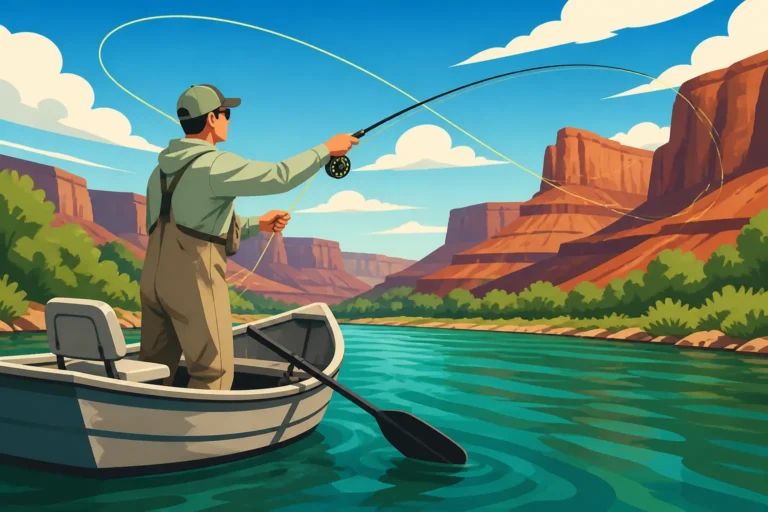
There's nothing quite like the subtle tug of a trout taking a well-presented nymph, but anyone who’s spent time on Utah’s tailwaters knows they can be incredibly challenging. These unique fisheries, often fed by cold, consistent flows from large reservoirs, demand a different approach than your average freestone stream. Anglers often struggle with choosing the right fly from an overwhelming array, getting the depth just right, and achieving that perfect, natural drift in powerful currents. This guide is here to unravel those complexities, helping you understand the specific insect life in these rich waters and pinpointing the best nymph patterns that will consistently put Utah’s notoriously picky tailwater trout in your net.
Understanding Utah's Tailwater Nymphing Challenge
Utah’s tailwaters are truly special places, offering some of the most consistent and productive fly fishing experiences in the state. However, they're also a world apart from the natural ebb and flow of a typical mountain river. If you've ever found yourself frustrated by what seems like endless casting without a strike, chances are you're not alone; these rivers demand precision and an understanding of their unique ecosystem.
The Unique Characteristics of Tailwaters
When we talk about tailwaters in Utah, we're primarily referring to rivers that flow out of large dammed reservoirs, like the renowned Green River below Flaming Gorge Dam or sections of the Provo River downstream from Deer Creek and Jordanelle Reservoirs. What makes these rivers so distinct? Firstly, the water temperature is remarkably stable. Unlike freestone rivers that warm and cool with the seasons, tailwaters maintain a relatively constant, cold temperature year-round due to the deep-water releases from the reservoirs. This consistent cold water is a superhighway for aquatic insect life.
This stable environment creates an extremely rich and diverse food base for trout, often supporting an incredible density of insects. You’ll find prolific hatches of midges and Baetis (blue-winged olives) throughout the year, even in the dead of winter. Caddisflies and larger stoneflies also play a significant role, particularly in the warmer months or specific sections of these rivers. The constant flow also means that fish don’t have to work as hard to find food, making them incredibly efficient and, at times, incredibly selective. They see a constant conveyor belt of insects drifting by, and they often become accustomed to exactly what they want to eat, ignoring anything that looks even slightly off. This is why having the right nymph pattern, fished correctly, is paramount.
Why Nymphs are So Effective Here
In these fertile tailwater environments, the vast majority of a trout's diet consists of aquatic insects in their larval or nymphal stages. Think about it: insects spend most of their lives underwater, clinging to rocks, burrowing in the substrate, or drifting in the current. Trout, being opportunistic feeders, spend most of their time looking down, waiting for these easy meals to come to them. Surface activity can be spectacular during a heavy hatch, but it's often fleeting. Below the surface, however, the buffet is almost always open.
This is especially true in the consistent flows of tailwaters, where current can make it difficult for trout to expend energy chasing down darting prey. A perfectly presented nymph, drifting naturally at the right depth, is an irresistible target. Whether it's a tiny midge larva in the winter, a mayfly nymph in the spring, or a caddisfly pupa trying to emerge, trout are constantly on the lookout for these subsurface morsels. Focusing your efforts on nymphing allows you to tap into this primary food source, making it an incredibly productive technique for catching fish in Utah’s tailwaters, no matter the season.
Reading the Water for Nymphing Success
Before you even tie on a nymph, understanding where trout hold and feed in tailwaters is crucial. These fish are masters of energy conservation. They'll position themselves in spots where food is delivered directly to them, and they don't have to fight the current too much. One of the most important concepts to grasp is identifying "current seams." These are the visible lines on the water where faster currents meet slower currents. Often, trout will hold just inside the slower water, letting the faster current bring food past them.
Look for deeper pools, runs with a consistent depth, and especially the heads and tails of these sections. The head of a pool, where the water transitions from a faster riffle into deeper, slower water, is a prime feeding lie. Similarly, the tailout, where the water shallows and speeds up before entering the next run, can also be very productive as insects are swept through. Undercut banks, submerged rocks, and any sudden changes in depth or current can also create ideal holding spots for trout. Pay attention to how the water flows over and around structure; the calmer water directly behind a large rock or in a swirling eddy can be a goldmine. Learning to identify these productive areas by reading the water is just as important as choosing the right fly when it comes to successful nymphing in Utah's tailwaters.
Essential Nymph Patterns for Utah Tailwaters
When you're standing on the bank of a Utah tailwater, looking at the diverse insect life, it can feel like you need a fly shop's entire inventory to match the hatch. But the truth is, a handful of versatile and effective nymph patterns will cover 90% of what you'll encounter. These aren't just pretty flies; they're proven producers that imitate the most common insects trout feed on.
Mayfly Nymph Imitations
Mayflies are a cornerstone of a trout's diet in virtually every coldwater fishery, and Utah's tailwaters are no exception. They are present year-round in various stages and sizes, making their imitations indispensable.
Pheasant Tail Nymph
If there's one nymph pattern every fly angler should have in their box, it's the Pheasant Tail Nymph. This classic pattern is an incredible imitation for a wide variety of mayfly nymphs, from tiny Baetis to larger Callibaetis and March Browns. Its slender profile and subtle flash make it incredibly realistic. You'll want to carry these in a range of sizes, from a tiny size 20 or 22 for those picky winter Baetis hatches, all the way up to a size 14 or 16 for larger mayflies.
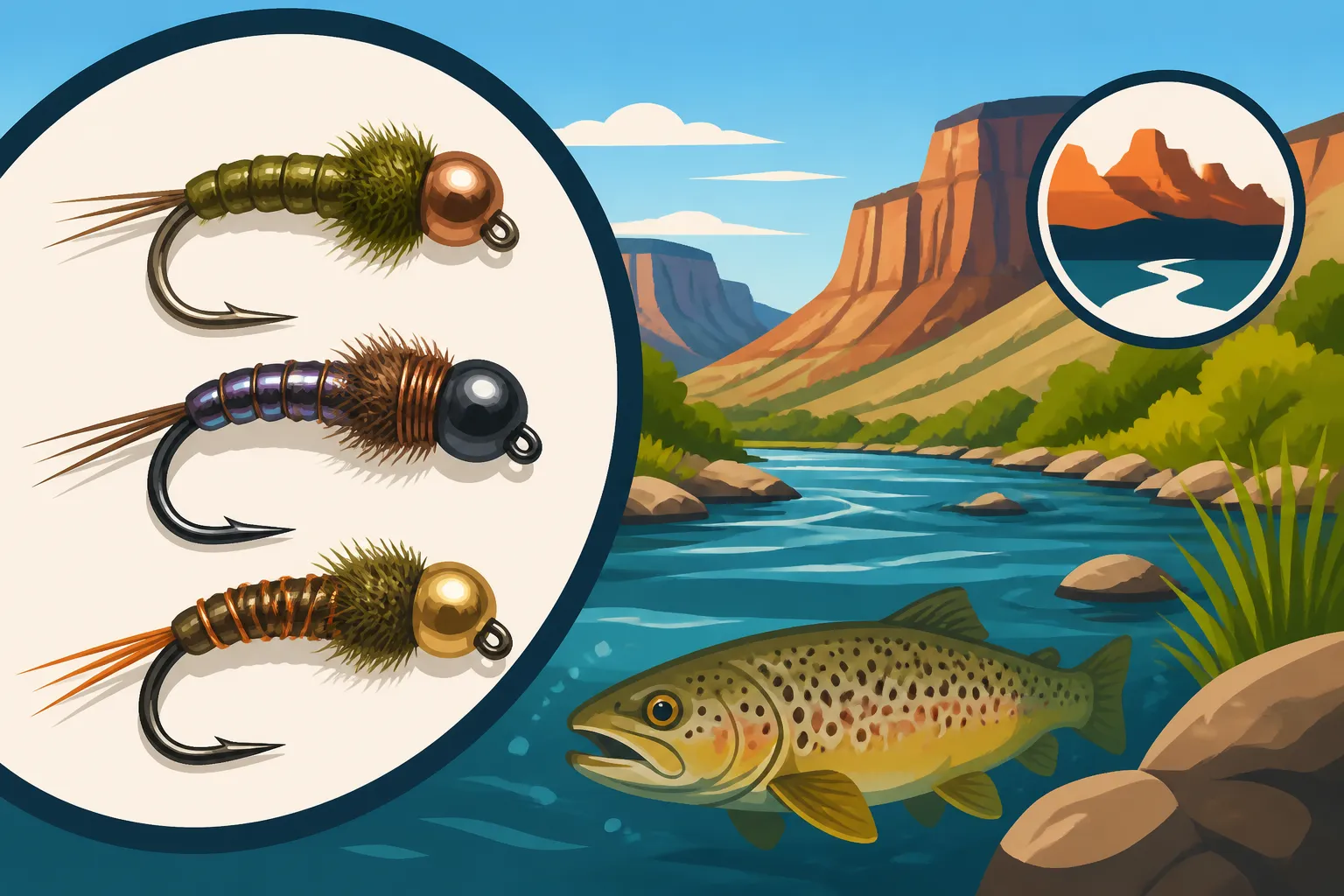
The Pheasant Tail is typically tied with a tungsten bead head to help it sink quickly, which is critical in the deeper, faster currents of tailwaters. Colors usually lean towards natural browns and olives. You can fish it as a lead fly in a two-nymph rig, or as a dropper behind a larger, more visible pattern. Its versatility is unmatched, making it a go-to for the Green River and Provo River alike. Sometimes, a little extra flash, like a bit of copper wire ribbing, can make all the difference, especially on overcast days. Many anglers find great success with weighted versions purchased conveniently from platforms like Amazon, ensuring they have a good supply of these critical patterns.
Hare's Ear Nymph
Another absolute staple in any tailwater angler's box is the Hare's Ear Nymph. This pattern doesn't imitate any single insect perfectly; instead, it's designed to be a generalist, mimicking the buggy, scruffy profile of many aquatic insects, including various mayfly and even caddisfly nymphs. Its impressionistic nature is often its greatest strength, as trout frequently respond to its "buggy" appearance.
The Hare's Ear is typically tied with a mixture of hare's mask fur, giving it a natural, mottled look and excellent movement in the water. Like the Pheasant Tail, having a selection from size 12 down to 20 is wise. Natural brown, olive, and even a "natural" greyish-tan are effective colors. Often, these flies are tied with a gold or silver bead head, providing both weight and an attractive flash. The Hare's Ear is a fantastic choice when you're not entirely sure what specific mayfly species is prevalent, or when you want a versatile "attractor" pattern to fish alongside a more specific imitation. It's a reliable workhorse, particularly effective when fished deep through riffles and runs where trout are actively feeding on a mixed diet of insects.
Barr's Emerger
While technically an emerger pattern, the Barr's Emerger is so effective in Utah's tailwaters that it deserves a spot in the nymph section. This pattern excels at imitating mayflies that are just about to hatch, struggling to break through the surface film. Trout key in on these vulnerable insects, and the Barr's Emerger perfectly captures that critical stage. It’s a fantastic choice when you see trout rising subtly or sipping, but they refuse your dry flies.
This pattern is typically tied with a sparse body and a distinct wing bud, often in cream, olive, or brown, and weighted with a bead. Sizes range from 16 to 22. It's often fished as the trailing fly in a two-nymph rig, positioned just above the bottom, allowing it to hang tantalizingly in the current, mimicking an insect suspended as it tries to emerge. The key is to allow it to drift naturally with the current, letting the trout make the decision. It's particularly deadly during periods of slow, consistent rises, especially when fishing waters like the Green River below Flaming Gorge Dam or the Middle Provo River.
Caddisfly Larva and Pupa Patterns
Caddisflies are another incredibly important food source for trout in Utah's tailwaters, often present in huge numbers. Their life cycle includes larval and pupal stages that are completely aquatic, making them a prime target for nymphing.
Granny Nymph / Green Rock Worm
Many caddisfly larvae live in cases constructed from small pebbles and debris, but others, known as "free-living" caddis or "net-spinning" caddis, simply cling to rocks. The "Granny Nymph" or "Green Rock Worm" patterns are excellent imitations of these common green caddisfly larvae. These patterns typically feature a bright green body, often made from chenille or synthetic material, with a tungsten bead head for weight.
Sizes usually range from 12 to 18. The vibrant green color stands out in the water and is a clear signal to trout that a juicy caddis larva is drifting by. These are particularly effective in spring and summer months when caddis activity is high, but they can be productive year-round. Fishing them deep in faster runs or riffles, where caddis larvae are often dislodged, is a great tactic. You might even find anglers swearing by the effectiveness of these simple, bright green patterns on the lower sections of the Weber River. They are often available in multi-packs on Amazon, making it easy to stock up.
Zebra Midge / Miracle Nymph
While tiny, midges (chironomids) are arguably the most consistently available food source for trout in Utah's tailwaters, especially during the colder months. Trout, particularly larger, more selective ones, will gorge on these tiny insects. The Zebra Midge and Miracle Nymph are two of the most effective midge larva and pupa imitations you can carry.
The Zebra Midge is a simple yet deadly pattern, typically tied with a black or red thread body, a silver or gold wire rib, and a small bead head. The Miracle Nymph is similar, often with a slightly more translucent body. You'll want these in incredibly small sizes – think 18, 20, 22, and even 24. These patterns are fished on light tippet and are designed to drift naturally near the bottom. They are absolutely crucial for winter fly fishing in Utah, as midges are often the only insects consistently active. When trout are rising subtly but nothing else seems to work, tying on a tiny Zebra Midge as a dropper below another nymph can often be the game-changer. These tiny, weighted patterns can be a bit tricky to tie, so many anglers opt to purchase them ready-made.
Stonefly Nymph Patterns
Stoneflies, while perhaps not as numerous as mayflies or caddisflies in every tailwater, are a significant food source due to their large size. Trout will actively seek out these protein-packed meals, especially in specific river sections or during certain times of the year.
Pat's Rubber Leg
The Pat's Rubber Leg, sometimes called the "rubber legs stonefly," has taken the fly fishing world by storm, and for good reason: it catches fish. This pattern is an excellent imitation of large stonefly nymphs, particularly Golden Stones and Skwalas, and its jig-style hook and rubber legs give it incredible lifelike movement in the water. Its heavy construction makes it ideal for quickly getting down to depth in strong currents.
You'll typically find Pat's Rubber Legs in sizes 4 through 12. Colors like black, brown, tan, and olive are most common. This is often the lead fly in a multi-nymph rig due to its weight and bulk, helping to drag smaller nymphs down to the feeding zone. It's incredibly effective when fishing deep pools, swift runs, or during periods of higher water when larger insects might be dislodged. Many anglers consider it essential for targeting bigger trout on larger rivers like the Green River, where a substantial meal is always welcome. If you're wading the Provo River and want to ensure your nymphs are getting down quickly, this is a fantastic choice.
Prince Nymph
The Prince Nymph is a classic attractor pattern that doesn't perfectly mimic any single insect but incorporates elements that make it universally appealing to trout. With its white biots that suggest wings, peacock herl body, and often a bead head, it has a buggy profile that looks like a variety of aquatic insects in distress. This makes it an incredibly versatile pattern.
Typically available in sizes 10 to 18, the Prince Nymph is a fantastic search pattern when you're not sure what specific insects trout are feeding on. Its darker body and contrasting white "wings" make it highly visible to trout, even in slightly off-color water. Many anglers like to fish it as a point fly (the heaviest fly at the bottom of the rig) or as a dropper, often paired with a smaller, more subtle nymph. It's a reliable choice in many Utah tailwaters and freestone rivers, including portions of the Logan River, where trout are always on the lookout for a substantial meal.
Rigging and Presentation for Optimal Tailwater Nymphing
Having the right nymph patterns is only half the battle. The other, equally crucial, half is knowing how to rig them and present them effectively. Utah’s tailwaters, with their consistent flows and sometimes cagey trout, demand thoughtful rigging and a flawless drift. Without these, even the "best" nymph patterns will just float by unnoticed.
Essential Nymphing Rigs
When you're subsurface, the way you connect your flies and manage your line can dramatically impact your success. There are two primary nymphing approaches that shine in tailwater environments.
Indicator Nymphing
Indicator nymphing is arguably the most common and versatile method, especially for beginners or when fishing larger, less technical water. This involves attaching a strike indicator (essentially a small, sensitive bobber) to your leader, typically 1.5 to 2 times the depth of the water you're fishing, above one or two nymphs. The indicator serves two main purposes: it helps suspend your flies at the desired depth, and it signals even the most subtle takes.
A typical indicator rig for Utah tailwaters might involve a leader of 9 to 12 feet, with a small piece of lead (split shot) or a heavier lead nymph positioned above one or two lighter nymphs. The key is to get your flies down to the feeding zone quickly and keep them drifting naturally, parallel to the bottom, without drag. For instance, on the Provo River, if you're fishing a 6-foot deep run, you'd set your indicator about 9-12 feet up your leader from your first fly. This allows your nymphs plenty of time to sink into the strike zone. You'll be looking for any twitch, dip, or hesitation of the indicator – that's your cue to set the hook! This method is highly effective for covering water and for those moments when you might not be able to get as close to the fish as you'd like.
Euro Nymphing / Tightline Nymphing
For those looking for a more direct, sensitive, and often more effective approach in tricky tailwater situations, Euro Nymphing (also known as tightline or contact nymphing) is a game-changer. This technique involves using a long, specialized leader (often 20+ feet of thin mono or fluorocarbon) with a sighter section to detect strikes, and no traditional strike indicator. The angler maintains direct contact with the flies, feeling for takes rather than seeing them.
The setup typically uses two or three weighted nymphs, often with tungsten beads, to get down fast. The rod tip is held high, keeping almost all the fly line off the water, minimizing drag and maximizing feel. This allows for incredibly precise presentations and immediate strike detection. It's particularly deadly in faster, complex currents found in sections of the Green River below Flaming Gorge, where drag can quickly ruin a drift. While it has a steeper learning curve, the ability to feel every tick and tap, combined with superior depth control and drag-free drifts, can lead to significantly more hook-ups, especially with pressured trout. If you're looking to elevate your nymphing game on a consistent basis, exploring the nuances of this technique is highly recommended.
Weighting Your Nymphs Correctly
One of the most common mistakes in nymphing, especially in the varied depths and currents of tailwaters, is failing to get your flies down to where the fish are. Trout in these environments spend most of their time feeding within inches of the riverbed. If your nymphs are drifting too high, they're simply not in the strike zone.
The right amount of weight is a dynamic balance. Too little, and your flies never reach the fish. Too much, and you'll be constantly snagging the bottom or creating unnatural drag. Tungsten bead heads on your nymphs are a fantastic start, as tungsten is much denser than lead and sinks faster with less bulk. However, even with weighted nymphs, you'll often need additional weight in the form of split shot. Small, non-toxic split shot can be crimped onto your leader a few inches above your lead fly.
The key is to use just enough weight so that you occasionally tick the bottom, indicating your flies are at the correct depth. If you're not bumping the bottom now and then, you're likely not deep enough. Conversely, if you're constantly snagging, remove a small piece of shot. This requires constant adjustment based on current speed, depth, and the specific section of river you're fishing. On the deeper sections of a river like the Green River, you might need more weight, while a shallower run on the Weber River might require less.
Achieving a Natural Drift
The most perfectly tied nymph pattern in the world is useless if it doesn't drift naturally. A "natural drift" means your fly is moving at the exact same speed as the current, without any pulling or slowing caused by your fly line or leader. This is often referred to as a "drag-free drift." Trout have an uncanny ability to detect even the slightest unnatural movement, and any drag will send them scurrying.
Achieving a natural drift involves a combination of casting accuracy, line management, and mending. Cast upstream of your target, allowing the flies to sink. As your flies drift downstream, you'll need to "mend" your line – lifting and repositioning your fly line on the water to compensate for different current speeds between you and your flies. If the current nearest you is faster than the current where your flies are, your line will pull your flies unnaturally fast. A downstream mend will put slack in the faster current, allowing your flies to slow down and drift naturally.
The length and taper of your leader also play a role. A longer leader (9-12 feet, or even longer for Euro Nymphing) provides more separation between your fly line and flies, making it easier to achieve a drag-free drift. Using a supple tippet material, often fluorocarbon for its invisibility and fast sinking properties, also aids in natural presentation. Practice observing your indicator or sighter, and learn to recognize when it's moving unnaturally. That's your cue to mend! Mastering the drag-free drift is arguably the single most important skill in tailwater nymphing.
Tailwater-Specific Nymphing Tips and Tricks
Even with the right flies and a solid understanding of rigging, tailwater fishing demands a bit more finesse and knowledge. These are often high-pressure fisheries, and trout can be exceptionally discerning. A few seasoned tricks can make a significant difference in your success rate.
Seasonal Considerations and Adjustments
One of the beauties of Utah’s tailwaters is their year-round fishability, but that doesn't mean your nymphing strategy stays the same. The changing seasons bring different insect life cycles and trout behaviors.
In spring, especially during runoff, tailwaters can offer a refuge from muddy freestone rivers. As water levels might be slightly higher and off-color, larger, heavier nymphs like the Pat's Rubber Leg become extremely effective. Mayfly and caddisfly nymphs will be abundant, and even some stoneflies will be active. Consider using more tungsten and perhaps slightly larger patterns to penetrate the quicker current. As flows normalize, lighter nymphs like a Hare's Ear or a Pheasant Tail will become more prominent.
Summer sees a boom in insect activity. Caddisflies are very active, making Green Rock Worms and pupal imitations great choices. Mayflies continue to be important, and midges are always present. Focus on early mornings and late evenings during the heat of the day, when trout are most active. Fishing deeper pools and oxygenated riffles is key.
Fall is a prime time. Water temperatures are ideal, and trout are bulking up for winter. Baetis hatches can be prolific, making small Pheasant Tails and Barr's Emergers deadly. Larger brown trout become more aggressive, so don't be afraid to throw a larger Prince Nymph or even a small streamer in addition to your nymphs. This is often the time when trout will be less picky. To understand the best seasonal opportunities, you might want to look at our guide on Utah Fishing Season Dates and Limits.
Winter is where tailwaters truly shine, offering consistent fishing when other rivers are frozen solid. Midges become the dominant food source, so tiny Zebra Midges and Miracle Nymphs are paramount. Fish slow, deep pools with ultra-light tippet (5x, 6x, or even 7x fluorocarbon) and a precise drift. Baetis nymphs will also be present on warmer winter days. This is where patience and subtle strike detection are tested and rewarded.
The Importance of Fly Size and Color
Trout in tailwaters are often incredibly selective, and subtle differences in your nymph pattern can make all the difference between an empty net and a bent rod. Fly size is often more critical than pattern or color. If you're getting refusals or no bites, the first thing to adjust is the size of your nymph. For instance, if you're fishing a size 18 Pheasant Tail and not getting bites, try dropping to a size 20 or even 22 before changing the entire pattern. This is especially true when trout are keyed into specific midge or Baetis hatches.
Color, while sometimes secondary to size, can also be crucial. While natural tones like brown, olive, and black are generally safe bets, specific circumstances might call for variations. For example, during a Baetis hatch, a darker olive or gray Pheasant Tail might be more effective than a lighter brown one. For caddis, a vibrant green can be a game-changer. Sometimes, a tiny bit of flash, like a bead head or a wire rib, can make your fly stand out in deeper or cloudier water. It's always a good idea to have a few variations of your staple patterns in slightly different sizes and shades. Understanding How to Match the Hatch on the Provo River will give you an edge in these situations.
Where to Source Quality Nymphs and When to Tie Your Own
Building a solid nymph box for Utah tailwaters can feel like a daunting task, but you have several great options for sourcing your flies. For sheer variety and convenience, online retailers like Amazon offer a massive selection of nymph patterns, from classic Pheasant Tails to specialized midge imitations. This can be a great way to stock up on basic patterns in various sizes without breaking the bank.
However, don't underestimate the value of local fly shops. Shops in areas like Salt Lake City, Park City, or those near the Green River will have staff who fish these waters daily. They can provide invaluable, up-to-the-minute advice on what's hatching, what patterns are working best, and exactly what size and color you need. Their flies are often tied to withstand the rigors of local fishing and are sourced from experienced tiers. Plus, supporting local businesses keeps the fly fishing community thriving.
As for tying your own, it's a rewarding aspect of the sport. If you enjoy the craft, focusing on patterns like the Zebra Midge or a simple Pheasant Tail is a great starting point. Tying allows you to customize patterns for specific conditions, experiment with different materials, and create a truly unique fly. For many, it's about the satisfaction of catching a fish on a fly they created themselves. If you're just starting out, buying a good foundational set of nymphs is probably the quickest way to get on the water, and you can always add custom ties later.
| Nymph Pattern | Primary Imitation | Ideal Sizes | Key Features | Best Conditions / Notes |
|---|---|---|---|---|
| Pheasant Tail | Mayfly Nymph (Baetis, PMD) | #14 – #22 | Slender, natural, often beaded | Year-round, especially during Baetis hatches, clear water |
| Hare's Ear | General Mayfly/Caddis Nymph | #12 – #20 | Buggy, scruffy, impressionistic | Versatile, good attractor, slightly off-color water |
| Barr's Emerger | Mayfly Emerger | #16 – #22 | Trailing shuck, wing bud | During subtle rises, when trout are selective on emergences |
| Granny Nymph | Green Caddis Larva | #12 – #18 | Bright green body, often beaded | Spring/Summer, faster runs, when caddis are active |
| Zebra Midge | Midge Larva/Pupa | #18 – #24 | Segmented body, wire rib, bead | Winter, deep slow pools, extremely picky trout, consistent food |
| Pat's Rubber Leg | Stonefly Nymph | #4 – #12 | Large, heavy, rubber legs | High water, deeper runs, targeting large trout, lead fly |
| Prince Nymph | Attractor / Stonefly | #10 – #18 | Dark body, white biots, flash | Search pattern, diverse conditions, good in mixed nymph rigs |
Disclaimer
The information provided in this guide is for general informational purposes only and does not constitute professional advice. Fishing regulations and conditions in Utah can change frequently. Always consult the official Utah Division of Wildlife Resources (UDWR) website or current fishing proclamation for the most up-to-date regulations, licensing requirements, and specific water body rules before heading out. Fishing involves inherent risks; please prioritize safety and practice ethical angling.