How to Fly Fish From a Drift Boat on the Green River
The Green River, particularly below Flaming Gorge Dam, offers some of the most spectacular fly fishing experiences in Utah, but navigating its legendary waters from a drift boat isn't something you can just wing. It requires a solid understanding of both rowing dynamics and precise fly presentation. This comprehensive guide will walk you through everything you need to know to confidently and effectively fly fish from a drift boat on the Green River, from preparation to on-the-water tactics and responsible angling practices.
Preparing for Your Green River Drift Adventure
Embarking on a drift boat journey down the Green River is an experience every fly angler dreams of, but proper preparation is the cornerstone of a successful and enjoyable trip. It's not just about packing your rod and flies; it's about understanding the river, your gear, and the logistical dance involved in a river float.
Choosing the Right Drift Boat and Essential Gear
The Green River is generally forgiving, but selecting the right watercraft and outfitting it properly makes all the difference. While some anglers prefer the traditional hard-sided McKenzie-style drift boats for their tracking ability, others opt for inflatable rafts, particularly those designed for fishing, because of their stability and ability to bounce off rocks without damage. A good raft, often available on platforms like Amazon, can provide an incredibly comfortable and safe platform for longer floats, especially if you plan to hit more technical sections of the river.
Regardless of your choice, ensure your boat is equipped with a robust anchor system. A heavy anchor (typically around 30 pounds or more, depending on boat size and river flow) with plenty of rope is critical for holding position in strong currents, allowing anglers to thoroughly work a seam or for quick stops when a hot fish is spotted. You'll also need a set of quality oars, preferably with oar locks that allow for smooth, powerful strokes. Don't forget essential safety gear like life jackets for everyone on board – it's not just a good idea, it's often a legal requirement under Utah Boating and Fishing Rules. A first-aid kit, spare oar, repair kit for rafts, and a throw bag are also non-negotiables. Thinking through your Best Raft Setup for Fishing the Green River can really make a difference.
Essential Angler Gear and Fly Selection
For Green River fly fishing from a drift boat, your gear needs to be up to the task. Most anglers find 9-foot rods in 5 or 6-weight ideal for the diverse conditions you'll encounter. A 5-weight offers delicate presentation for rising trout, while a 6-weight provides a bit more backbone for casting heavier nymph rigs or streamers, especially if the wind picks up. Pair these with a reliable reel spooled with a good floating fly line for dry fly and nymphing, and consider a spare spool with an intermediate or sinking line for streamer fishing. Don't forget your trusty waders and wading boots – even though you're in a boat, you'll inevitably want to hop out and wade some of the incredible riffles or side channels. For advice on staying warm, you might want to read up on Best Waders for Cold Provo River Water.
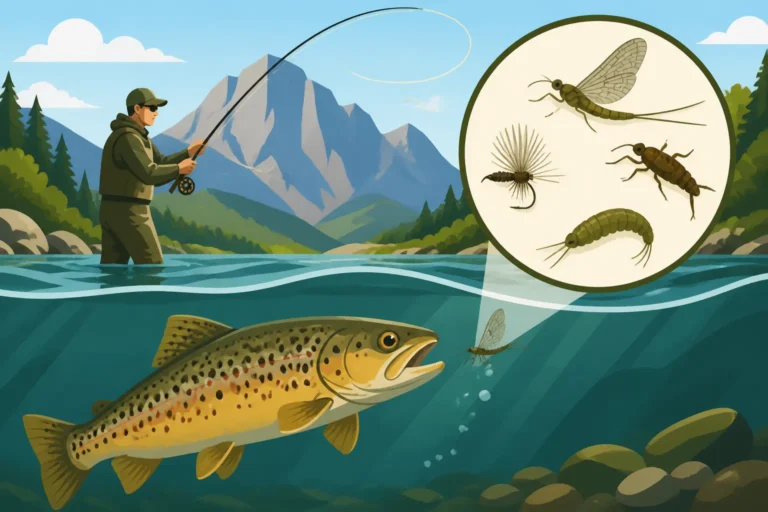
Fly selection for the Green River is vast, but some patterns are perennial favorites. Nymphs are often the most productive, mimicking the river's abundant aquatic insect life. Think patterns like San Juan Worms, Pheasant Tails, Hare's Ears, and various midge pupa imitations in sizes 16-22. Having a diverse selection of these, perhaps purchased from a reputable online retailer like Amazon, is key. During specific hatches, dry flies become king: Parachute Adams, BWO imitations, Caddis patterns, and hoppers can elicit explosive takes. And don't underestimate streamers! Woolly Buggers, Sculpzillas, and various articulated patterns can entice larger brown trout, especially when fished aggressively. For more general fly recommendations, check out Best Flies for Utah Trout Streams.
Planning Your Float Section and Logistics
The Green River below Flaming Gorge Dam is divided into three main sections (A, B, and C), each offering a distinct experience. Section A, from the Dam down to Little Hole, is the most popular, renowned for its incredible density of trout and stunning canyon scenery. It's often where people start their exploration of How to Fish the Green River's Blue Ribbon Section Below Flaming Gorge. Section B, from Little Hole to Indian Crossing, offers a slightly longer float and generally fewer crowds, while Section C, from Indian Crossing to Swallow Canyon, is the longest and most remote, requiring more commitment.
Understanding the typical float times, access points, and shuttle services for each section is paramount. Most anglers arrange a vehicle shuttle with local outfitters, dropping a car at the takeout point before launching. Always check the river flows before you go, as conditions can change rapidly and affect float times and fishing strategies. A calm, methodical approach to planning ensures that your time on the water is spent fishing, not worrying about logistics. Consider calling a local fly shop for current conditions; they often have the most up-to-date information, similar to how you might check How to Find Current Fishing Conditions for Utah Reservoirs.
Mastering the Drift and Presentation
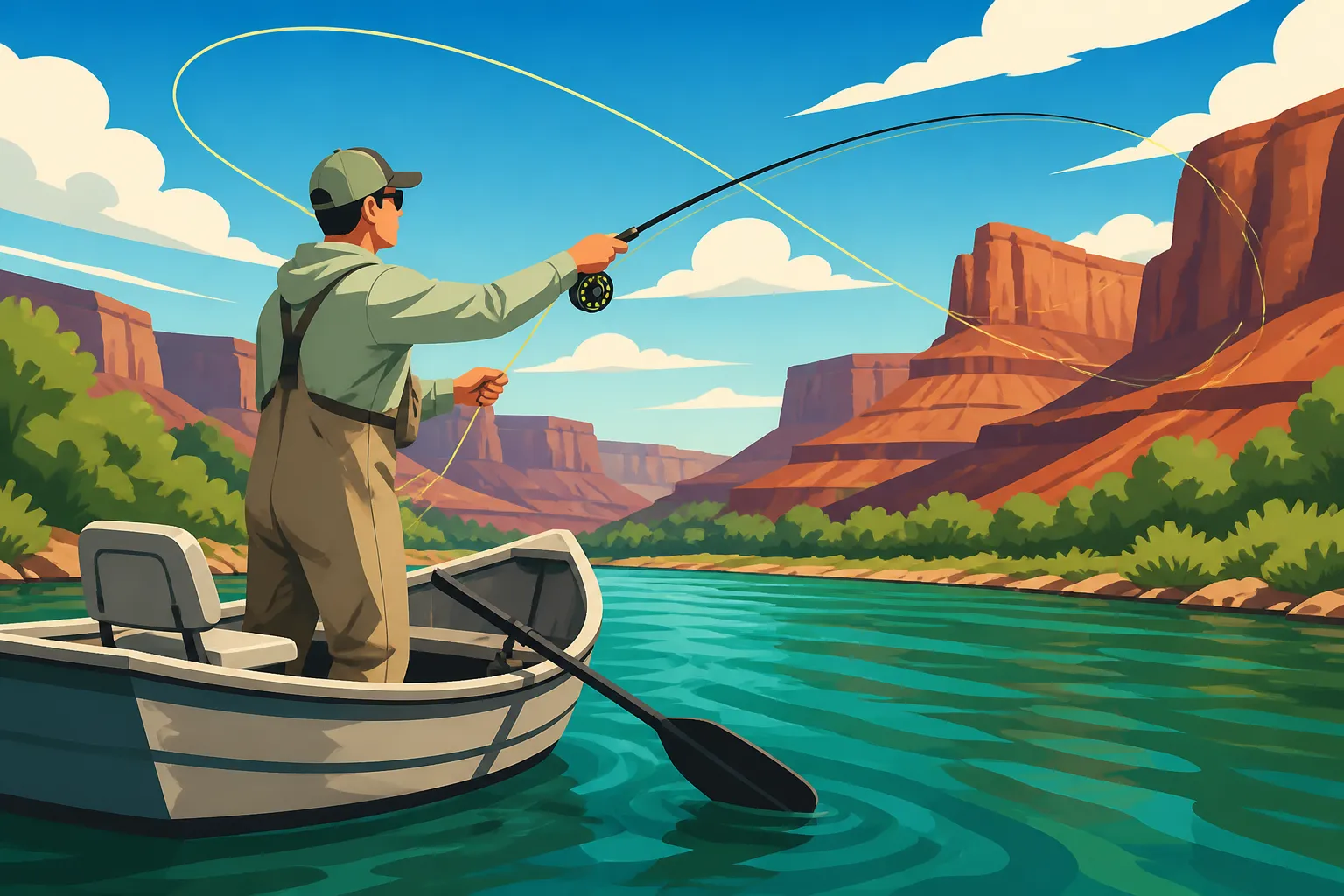
Once you're on the water, the true art of drift boat fly fishing on the Green River comes to life. It's a harmonious dance between the rower, who controls the boat's speed and position, and the angler, who makes precise casts and presentations.
Reading the Water from a Drift Boat
Effective fly fishing from a drift boat is fundamentally about reading the water and understanding where fish are likely to hold. From your elevated position in the boat, you have a unique vantage point. Look for seams where faster and slower currents meet – these are prime feeding lanes where trout conserve energy while waiting for food. Target eddies behind large rocks or logs, undercut banks, and the tails of riffles where insects are dislodged and swept downstream.
The rower plays a crucial role here, positioning the boat upstream of these prime lies, allowing the angler to cast into them with a natural drift. Communication between the angler and rower is key. The rower must anticipate the angler's casts, adjusting the boat's speed to match the current, creating ideal presenting conditions. It's a constant, dynamic process of observation and adjustment. Don't just float aimlessly; treat each section of the river as a puzzle to be solved, always asking, "Where are the fish and how can I get my fly to them naturally?"
Casting Techniques for Drift Boats
While long, heroic casts certainly have their place, precision and stealth often trump distance when fly fishing from a drift boat on the Green River. The most important skill is often the ability to make short, accurate casts to specific targets. Roll casts are invaluable for turning over flies in tight spots or when you have limited backcasting room due to canyon walls or riparian vegetation. Mending, both upstream and downstream, is absolutely critical to achieve a drag-free drift, especially when nymphing. A good mend allows your fly to float at the same speed as the current, mimicking natural insects and preventing the fish from detecting your line.
Reach casts, where you extend your rod arm upstream or downstream as the line lands, can also help achieve an initial drag-free drift. Practice these casts before your trip, perhaps even in your backyard, to build muscle memory. Remember, the goal is often a subtle presentation. You're trying to fool a wild trout in clear water, and any unnatural movement of your fly will often result in refusal. Mastering these techniques from a boat, where your platform is constantly moving, adds an extra layer of challenge and satisfaction.
Nymphing and Streamer Tactics
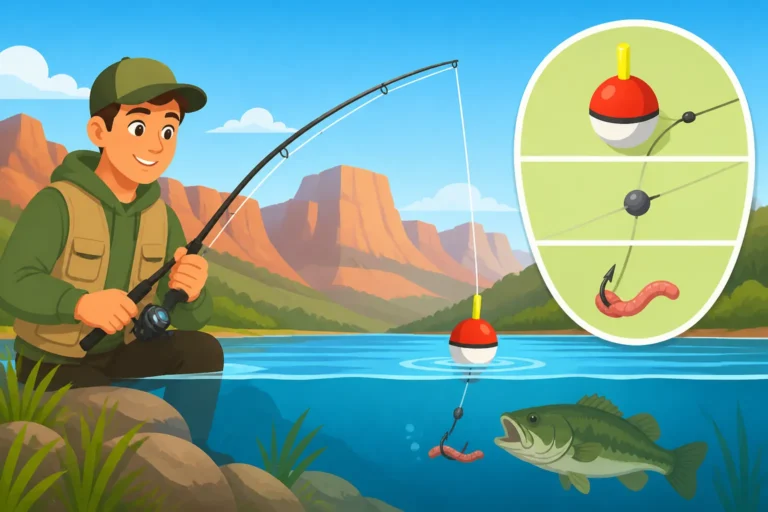
While dry fly fishing on the Green River can be phenomenal during a hatch, nymphing is often the most consistently productive method from a drift boat. The typical setup involves a strike indicator, split shot to get your flies down, and one or two nymphs fished below. The key is to get your flies to the fish's feeding depth – which can vary from just a few feet to over 10 feet in deeper runs. Adjusting your indicator depth and split shot based on the water you're fishing is crucial. For specific strategies, delving into Best Nymph Rig for the Green River Tailwater can provide great insights.
Streamer fishing from a drift boat offers a different kind of thrill. Casting large, flashy patterns towards undercut banks, submerged logs, or deep pools can provoke aggressive strikes from larger brown trout. The rower can position the boat to allow the angler to cast perpendicular to the bank, stripping the streamer back with varied retrieves. Experiment with different strip speeds and pauses; sometimes a rapid, erratic retrieve is best, other times a slow, deliberate one. It’s a highly active and visual way to fish, and a great way to cover water quickly from the boat.
| Green River Section | Length (Miles) | Approx. Float Time (Full Day) | Primary Techniques Recommended | Typical Fish Species |
|---|---|---|---|---|
| A: Dam to Little Hole | 7 | 4-6 hours (fishing pace) | Nymphing, Dry Fly (midges) | Brown, Rainbow, Cutthroat |
| B: Little Hole to Indian Crossing | 9 | 6-8 hours (fishing pace) | Nymphing, Streamers, Dry Fly | Brown, Rainbow, Cutthroat |
| C: Indian Crossing to Swallow Canyon | 9.5 | 6-8 hours (fishing pace) | Streamers, Nymphing | Brown, Rainbow, Cutthroat |
Safety, Etiquette, and Conservation on the Green River
Floating the Green River in a drift boat is not just about catching fish; it's about experiencing one of Utah's natural treasures responsibly. Being prepared, respectful, and mindful of the environment ensures a positive experience for everyone.
Navigating Rapids and Obstacles
While the Green River below Flaming Gorge Dam is generally considered a mild float, especially in Sections A and B, there are still features that require careful navigation. Small rapids, rocky sections, and swift currents demand attention from the rower. Always scan downstream for potential hazards like submerged rocks, log jams, or tight channels well in advance. Plan your line through these features, using your oars to ferry the boat and maintain control. It’s much easier to avoid trouble than to get out of it.
If you happen to get hung up on a rock, remaining calm is key. If possible, use your oars to push off. If that fails, the angler may need to get out and help pivot the boat. Always have a plan for what to do if someone falls out or if the boat capsizes, though this is rare on the Green River with careful navigation. Wearing your life jacket continuously is the simplest way to mitigate risk.
River Etiquette and Sharing the Water
The Green River is a popular destination, and sharing the water responsibly is paramount. Give other anglers, both in boats and those wading from the bank, plenty of space. When approaching another boat or wader, slow your drift and pass wide, giving them room to fish without interruption. Never anchor directly above or below another fishing party in a way that interferes with their drift or casts. A general rule of thumb is to maintain a distance of at least 100 yards, especially when actively fishing a section.
Be mindful of your noise level; shouting or loud music can disturb wildlife and other anglers seeking tranquility. Remember, everyone is out there to enjoy the beauty and challenge of the river. A polite wave or a friendly nod goes a long way in fostering a positive atmosphere. Respect for the resource and fellow users makes the experience better for all.
Conservation and Responsible Angling
The Green River is a blue-ribbon fishery, and it's our collective responsibility to keep it that way. Practicing strict catch-and-release, especially for larger trout, is highly encouraged. Handle fish gently, minimizing their time out of the water. Use barbless hooks to make releases quicker and less stressful for the fish. If you do plan to keep fish, be sure to understand and adhere to all Utah Fishing Season Dates and Limits.
Beyond fish handling, be vigilant about preventing the spread of aquatic invasive species (AIS), particularly quagga mussels. Always clean, drain, and dry your boat and gear thoroughly before and after each trip. This is not just a recommendation; it's a critical part of Utah Aquatic Invasive Species Rules for Anglers and helps protect Utah's pristine waters. Pack out everything you pack in, and never leave trash or monofilament line on the riverbanks. Every angler plays a role in preserving the health and beauty of this incredible fishery for generations to come.
Disclaimer
This article is for general informational purposes only and does not constitute professional advice. Laws, prices and regulations vary by location and change over time. Consult a qualified professional for guidance on your specific situation.