How to Catch Walleye at Utah Lake in Spring
Spring fishing for walleye at Utah Lake can be incredibly rewarding, but let's be honest, it often feels like trying to find a needle in a haystack – especially with Utah Lake's vast, often turbid waters. Many anglers get frustrated, spending hours without a bite, wondering if they're even in the right spot or using the right tackle. This guide is here to cut through that confusion, giving you the insider scoop on how to target and catch those elusive walleye when the ice melts and the weather warms up.
Understanding Walleye Behavior in Spring at Utah Lake
Walleye in Utah Lake are creatures of habit, especially as spring rolls around and the urge to spawn takes over. Their behavior is largely dictated by water temperature and the spawning cycle, which typically kicks off when water temperatures start to climb into the low 40s Fahrenheit and peaks in the high 40s to low 50s. If you understand these phases, you'll be light years ahead of the angler just randomly casting.
Pre-Spawn Movement and Feeding
As soon as the ice fully recedes from Utah Lake, often around late March to early April, walleye begin their pre-spawn movements. They're transitioning from their deep wintering holes, becoming more active and searching for prime spawning grounds. During this phase, they're often gorging themselves, trying to pack on energy for the upcoming spawn. You'll typically find them migrating towards shallower areas, especially those with rocky bottoms, gravel, or riprap shorelines that offer suitable structure for depositing eggs. Think about areas near points, causeways, or even the mouths of feeder creeks, though Utah Lake has fewer distinct creek mouths than other reservoirs. These fish are hungry, but they're not always aggressively chasing. They might be a bit lethargic in the colder water, requiring a slower presentation. Look for submerged rock piles or subtle depth changes in these areas where they can stage before moving fully onto the spawning flats.
The Walleye Spawn at Utah Lake
The actual spawning period for walleye in Utah Lake is usually in April and can sometimes stretch into early May, depending on how quickly the water warms up. This is a critical window. Walleye are broadcast spawners, meaning they simply release their eggs and milt over suitable substrate without building nests. They prefer hard-bottomed areas that are relatively shallow, often in just a few feet of water, though sometimes deeper depending on available structure. Males typically arrive first and stay longer, while females move in, lay their eggs, and then depart relatively quickly. During the height of the spawn, the fish can be notoriously tricky to catch. They're focused on reproduction, not necessarily feeding. However, just before and immediately after the peak of the spawn, they can be quite catchable. The males, especially, might still be cruising the spawning grounds, often aggressive towards anything that comes near their newly laid eggs. Finding these specific hard-bottomed locations, sometimes near the Provo Boat Harbor or Lincoln Beach areas, is key.
Post-Spawn Recovery and Relocation
Once the spawn is complete, typically by mid-May, female walleye will retreat to slightly deeper water to recover, often holding on the first significant drop-offs near the spawning areas. They're usually quite lethargic for a week or two as they regain their strength. The males, however, might hang around the shallower spawning grounds a bit longer before eventually moving out. As the water continues to warm and metabolism speeds up, both sexes will begin to feed more aggressively again. They'll start spreading out, following baitfish schools into different parts of the lake. This is when you might find them relating more to weed lines (if present and healthy), deeper flats, or structural elements farther from the immediate spawning zones. The transition from spawn to post-spawn can be a fantastic time to catch fish that are starting to eat actively again, but you'll need to cover more water to locate them.
Top Techniques for Spring Walleye at Utah Lake
Successfully landing a walleye at Utah Lake in the spring means adapting your techniques to their specific behavior during these different phases. It's not a one-size-fits-all approach, and being versatile will definitely increase your chances.
Slow Rolling Jigs and Soft Plastics
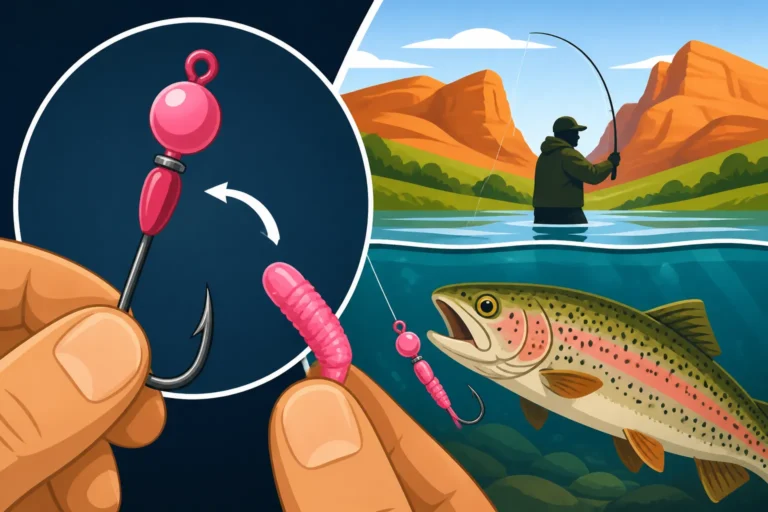
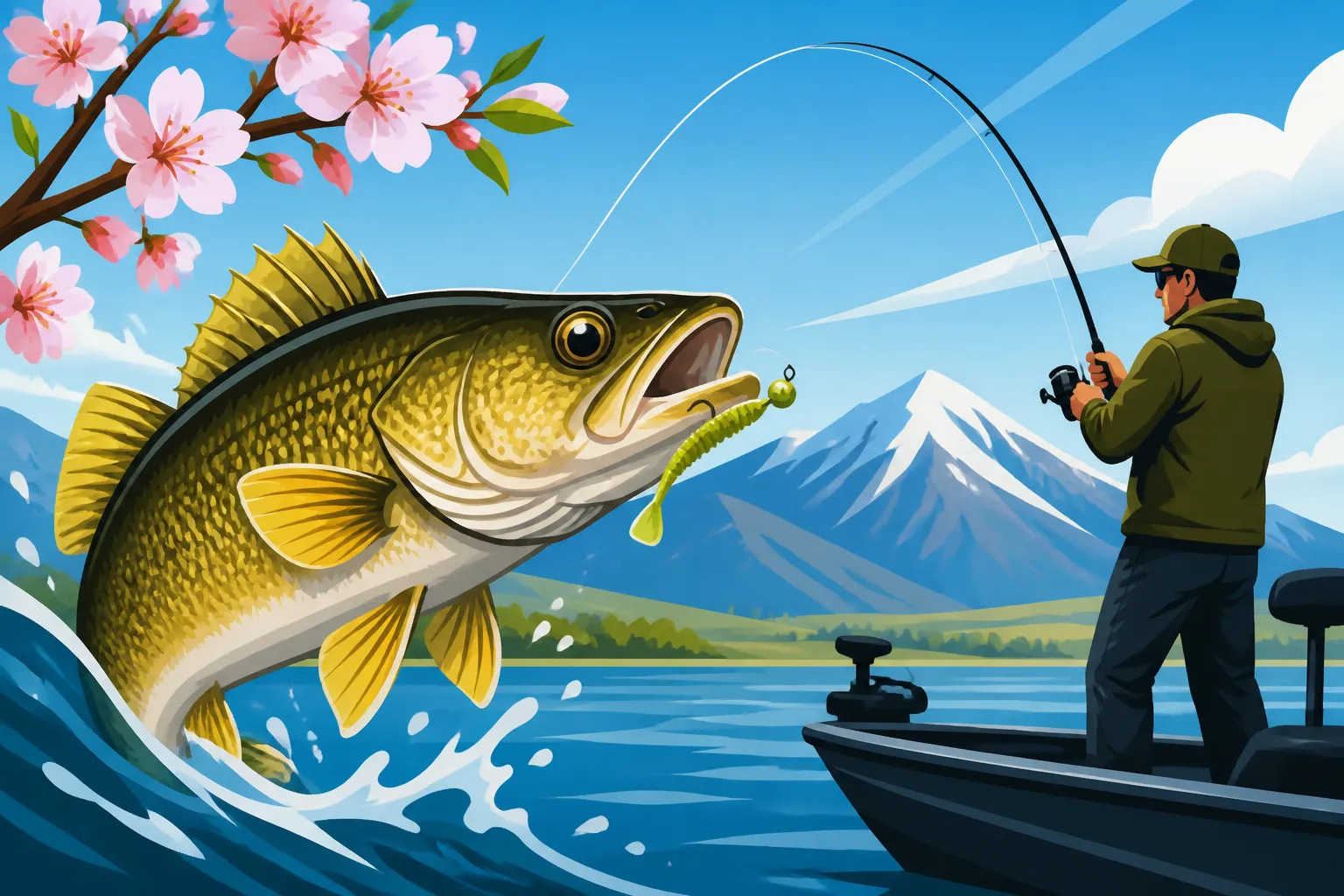
Jigging is a cornerstone technique for walleye, especially in the cooler waters of early spring. During the pre-spawn and even during the spawn, a slow presentation is often the ticket. You're not looking for aggressive strikes initially. Think about tipping a jig head, anywhere from 1/8 to 1/2 ounce depending on depth and wind, with a soft plastic swimbait, a curl-tail grub, or even a live minnow.
The trick is to keep it low and slow. Cast your jig out and let it sink to the bottom. Then, use a slow lift-and-drop retrieve, barely lifting the rod tip and allowing the jig to fall back, maintaining contact with the bottom as much as possible. Sometimes just dragging it along the bottom is incredibly effective. The objective is to mimic a sluggish baitfish or an easy meal that's not putting up much of a fight. Try various colors, but natural hues like chartreuse, white, or brown can be very effective, especially in Utah Lake's often stained water. For those starting their gear collection, a diverse set of jigs and soft plastics can be easily found on Amazon, offering a good variety without breaking the bank.
Trolling Crankbaits and Blade Baits
Trolling is another fantastic way to cover water and locate active walleye, particularly during the post-spawn phase when fish start to disperse. In spring, you'll want to focus on trolling slowly, typically between 1.0 to 2.0 mph, to entice those sometimes-hesitant fish.
Crankbaits that dive to the appropriate depth are crucial. For shallower spawning flats, a shallow-diving crankbait that runs 5-10 feet deep might be perfect. As fish move deeper, you'll need baits that can get down to 10-20 feet. Colors can vary, but again, natural baitfish patterns, firetiger, or bright colors like chartreuse and orange can be very productive in Utah Lake's unique water clarity. Don't be afraid to experiment with different crankbait profiles – slimmer minnow-imitations, or wider-wobbling shad-style baits. Blade baits, like a Silver Buddy or Rapala Rippin' Rap, are also excellent for trolling or even vertical jigging, especially around rocky areas. They produce a lot of vibration, which can be a real trigger in turbid water. When trolling, keep an eye on your fish finder to identify active fish zones and adjust your depth and speed accordingly. You can learn more about how to set up your boat and gear for trolling in our guide on Utah Trolling Techniques for Lake Trout, as many principles apply.
Slip Bobber Fishing with Live Bait
For those days when walleye are finicky, or when you've pinpointed a specific piece of structure where they're holding tight, slip bobber fishing with live bait can be a deadly tactic. This method allows you to present your bait at a precise depth, keeping it suspended right in the walleye's strike zone without spooking them.
Minnows are generally the go-to live bait for walleye, but nightcrawlers can also be very effective. Hook your minnow lightly through the lips or just behind the dorsal fin. Adjust your bobber stop to position the bait just above the bottom or directly in front of any structure you've identified with your fish finder. A small split shot or two crimped a foot or so above the hook will help get your bait down. The beauty of the slip bobber is its subtlety; it allows the walleye to take the bait without feeling immediate resistance. This technique is especially good on calm days or when fishing from shore over specific spots. For finding quality slip bobbers and various live bait hooks, checking out sporting goods sections on Amazon can be a quick and convenient way to stock up.
Here’s a quick overview of some popular spring walleye techniques:
| Technique | Best for Phase | Presentation Speed | Ideal Depth (Feet) | Key Lures/Baits | Notes |
|---|---|---|---|---|---|
| Jigging | Pre-Spawn, Spawn | Slow to Moderate | 5-20 | Jigs with soft plastics, minnows | Bottom contact is crucial; subtle movements. |
| Trolling Crankbaits | Post-Spawn, Pre-Spawn | Slow | 5-20+ | Diving crankbaits, blade baits | Cover water, match dive depth to fish depth. |
| Slip Bobber | Pre-Spawn, Spawn | Stationary/Slow | 5-15 | Live minnows, nightcrawlers | Precision depth, subtle strike detection. |
Essential Gear for Spring Walleye Success
Having the right gear makes a huge difference when you're targeting walleye, especially in the diverse conditions that Utah Lake can throw at you in the spring. From your rod and reel setup to the specific lures and terminal tackle, being prepared is half the battle.
Rod and Reel Combinations
For walleye fishing, a medium-light to medium power spinning rod, typically in the 6'6" to 7'6" range, is a fantastic all-around choice. This rod provides enough backbone to set the hook on a walleye's often subtle bite and handle larger fish, while still being sensitive enough to detect those light taps. A fast action tip is ideal, as it allows for quicker hook sets and better feel. Pair this with a reliable spinning reel in the 2500-3000 size range, spooled with 6-10 lb test monofilament or fluorocarbon. Braided line in the 10-15 lb range with a fluorocarbon leader is also a popular choice, offering superior sensitivity and casting distance. Remember, a good reel ensures smooth retrieval and a reliable drag system, which is paramount when fighting a surging walleye. You'll find many reputable brands offering these setups; just ensure you're comfortable with the balance. For specific recommendations, our guide on the Best Fishing Rods for Utah Anglers can provide more detail.
Lures and Baits Tailored for Spring
When it comes to lures and baits, variety is key. As discussed, jigs with soft plastics (grubs, swimbaits, paddle tails) are indispensable. Carry a range of sizes and colors to adapt to different depths and water clarity. Crankbaits are also essential. Look for both shallow-diving and medium-diving models from trusted brands. For example, Rapala, Berkley, and Salmo offer excellent options. Blade baits like Johnson Thinfish or Vib-E are also excellent for generating vibration and attracting fish in murky water or when you need to cover vertical depths quickly. Don't forget live bait! Minnows are often the most effective, so make sure you have a good minnow bucket and an aerator if you plan to keep them alive on the water. Nightcrawlers are a solid backup, especially when fish are less active. Having a diverse selection in your tackle box means you're prepared for whatever mood the walleye are in.
Electronics and Navigation
Utah Lake is massive, covering nearly 150 square miles, and it can be featureless in many areas. This is where electronics truly shine. A good fish finder with GPS capabilities is almost a necessity. It will help you identify subtle depth changes, submerged rock piles, and, most importantly, locate schools of baitfish and the walleye that are often lurking nearby. Side imaging or down imaging can give you a clearer picture of the bottom structure and fish holding to it.
Marking waypoints on your GPS for productive areas, especially spawning flats or staging zones, will save you invaluable time on subsequent trips. Navionics charts or similar mapping software can also be incredibly helpful for understanding the lake's contours and bottom composition before you even launch. Given the size and sometimes challenging conditions of Utah Lake, having reliable electronics isn't a luxury; it's a critical tool for increasing your success rate. Ensuring your boat has updated charts and a dependable fish finder can be a game-changer, and you can explore many excellent models of fish finders on Amazon.
Navigating Utah Lake's Spring Conditions
Fishing Utah Lake in the spring comes with its own set of environmental considerations. The weather can be fickle, the water clarity varies, and understanding how to access the lake is crucial for a smooth trip.
Weather and Water Clarity Challenges
Spring weather in Utah can be a rollercoaster. One day it's calm and sunny, the next you're battling strong winds and choppy waves. Utah Lake, being relatively shallow and expansive, is particularly susceptible to wind. A strong breeze can quickly turn the lake into a washing machine, making it difficult to control your boat, present your baits effectively, and even spot fish on your electronics. Always check the weather forecast before heading out, paying close attention to wind advisories.
Water clarity is another major factor. Runoff from spring rains and snowmelt can sometimes bring sediment into the lake, reducing visibility. Walleye are generally tolerant of stained water, and sometimes even prefer it, but extreme turbidity can make them less willing to chase fast-moving baits. On such days, focus on high-vibration lures, scent, and slower presentations. Conversely, if the water is unusually clear, you might need to use lighter lines, smaller baits, and more natural colors to avoid spooking fish. This adaptability to water conditions is what separates successful anglers from those who leave frustrated.
Best Access Points and Launch Ramps
Utah Lake offers several public access points and boat ramps, which are vital for spring anglers. The most popular include:
- Provo Boat Harbor: Located on the east side of the lake, this is one of the busiest and most well-equipped marinas, offering multiple launch lanes and amenities. It's a great starting point, especially for accessing the eastern spawning areas. You can find detailed access information in our guide to Provo Boat Harbor Fishing Access at Utah Lake.
- Lincoln Beach: Situated on the southeast shore, Lincoln Beach provides good access and is a popular spot, particularly for those targeting the southern reaches of the lake.
- American Fork Boat Harbor: On the northeast side, this harbor offers another convenient launch point, especially for anglers coming from the northern end of Utah Valley.
- Saratoga Springs Boat Harbor: Further north along the west side, this ramp provides access to a different section of the lake, often less crowded than the eastern ramps.
Before launching, always be aware of the current water levels, as Utah Lake's depth can fluctuate. Low water levels might make some ramps less accessible or require extra caution. Also, remember that Utah has strict regulations regarding aquatic invasive species. All watercraft, including fishing boats, kayaks, and paddleboards, must comply with Utah Aquatic Invasive Species Inspection Stations rules to prevent the spread of harmful species like quagga mussels. Ensure your boat is clean, drained, and dry before launching and after retrieval.
Safety Considerations on Utah Lake
Safety should always be your top priority on Utah Lake, especially during the unpredictable spring months. Beyond checking the weather, ensure your boat is equipped with all the necessary safety gear. This includes life jackets for everyone on board, a fire extinguisher, a sound-producing device (like a whistle or horn), and proper navigation lights if you'll be out at dawn, dusk, or night. Remember that Utah Boating and Fishing Rules are strictly enforced.
If you're fishing from shore, be mindful of changing conditions, especially if high winds are forecast, as shoreline access can become less stable. Wear appropriate layers of clothing, as spring temperatures can swing dramatically throughout the day. Tell someone your float plan, including where you're going and when you expect to return. Mobile phone service can be spotty in certain areas of the lake, so don't rely solely on your phone for emergencies. Being prepared for any eventuality will allow you to enjoy your walleye fishing trip with peace of mind.
Disclaimer
The information provided in this guide is for general informational purposes only and does not constitute legal advice. Fishing regulations and conditions can change rapidly. Always consult the latest Utah Division of Wildlife Resources (UDWR) regulations before heading out on the water.