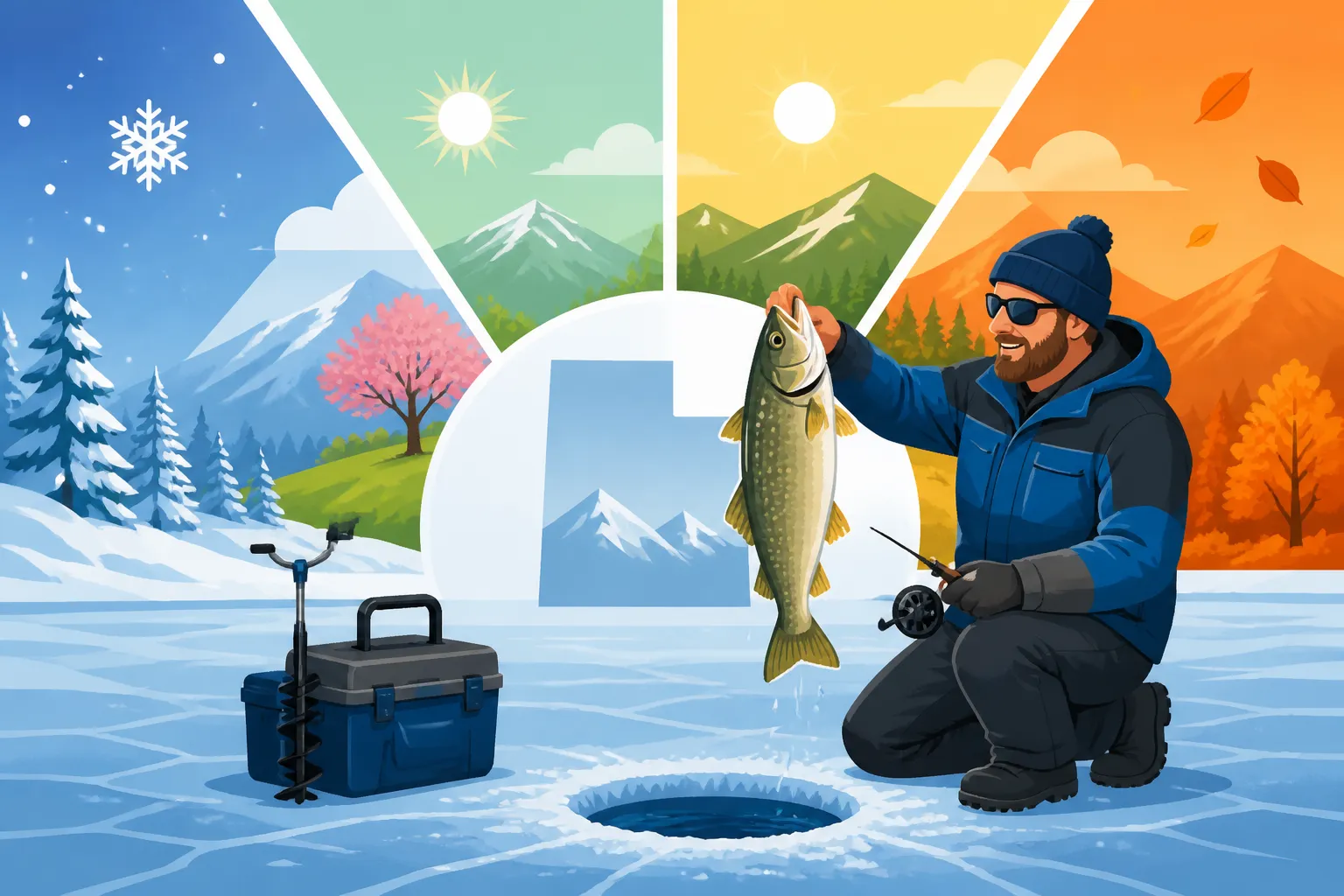
Best Season for Ice Fishing in Utah
The thought of chasing fish through a hole in the ice is something truly unique, but for many Utah anglers, figuring out the absolute best time to venture out onto a frozen lake can be a real head-scratcher. Is it safe? Will the fish be biting? These are common frustrations, and this comprehensive guide is here to demystify Utah's ice fishing seasons, giving you the insider knowledge to plan your most successful and safe trips.
Understanding Utah's Ice Fishing Seasons
Ice fishing in Utah isn't a one-size-fits-all affair. The season, much like the state's diverse geography, offers varied conditions and opportunities depending on when and where you drop your line. It’s a dynamic period, evolving from the first skim of ice to the final slushy melt, each phase presenting its own unique challenges and rewards.
Defining "Ice Fishing Season" in Utah
When we talk about the "ice fishing season" in Utah, we're generally referring to the period when sufficient ice has formed on a body of water to safely support anglers. This usually kicks off in late November or early December in higher-elevation or colder northern waters and can extend all the way through March, sometimes even into April in the most resilient, high-mountain lakes. The official regulations for individual bodies of water don't typically declare a hard start and end date for ice fishing, but rather, the safety of the ice dictates when it's practical and permissible to engage in the sport.
For instance, lakes like Strawberry Reservoir or Rockport Reservoir, nestled in central and northern Utah respectively, often see their first safe ice earlier than, say, a larger, deeper body of water like Flaming Gorge Reservoir. The Utah Division of Wildlife Resources (DWR) provides regular ice condition reports, which are invaluable for any angler hoping to find safe ice and productive fishing. It’s not just about when the air gets cold enough; it's also about consistent cold temperatures, minimal snowfall that acts as an insulator, and the overall size and depth of the water body. Learning about the nuances of specific regulations is key, and our guide on Utah Ice Fishing Regulations goes into detail on what you need to know before heading out.
Why the Season Varies Across the State
Utah's vast and varied landscape means that what constitutes "prime" ice fishing season in one part of the state might be wildly different in another. Think about it: you have high-elevation mountain lakes in the Uinta Mountains, sprawling reservoirs on the Wasatch Front, and even some fisheries in the relatively milder climate of Southern Utah. Each region has its own microclimate that dictates ice formation and duration.
For instance, the high-mountain lakes, often requiring a hike or snowmobile access, are usually the first to freeze solid and the last to thaw. They might offer excellent ice fishing from November right through to May, depending on the year's snowpack and temperatures. Conversely, larger, lower-elevation reservoirs like Utah Lake or Willard Bay often see later and less consistent ice, and sometimes, years go by without safe ice forming at all on their main bodies. Water bodies at higher altitudes, like Fish Lake or Scofield Reservoir, are typically reliable ice fishing destinations year after year due to their consistently colder temperatures. Even within a single reservoir, ice conditions can vary drastically. Shallower bays might freeze earlier and hold ice longer than deeper, main lake basins. Understanding these regional differences is crucial for planning successful trips, especially if you're targeting specific species that thrive in certain environments.
Early Ice Fishing Opportunities: The Thrill of First Freeze
There's a special kind of excitement that comes with early ice. It's the first chance of the season to get out there, often after a long autumn without solid fishing. This period, while exhilarating, also demands the utmost respect for safety and a keen understanding of fish behavior.
When and Where Early Ice Forms
Early ice typically begins to form in Utah around late November into early December, primarily on smaller, shallower, and higher-elevation bodies of water. Think of places like Mantua Reservoir, East Canyon Reservoir, or some of the smaller community ponds around the Wasatch Front. These waters cool down faster and don't have the vast water volume to retain heat like their larger counterparts. The initial freeze often happens overnight after a stretch of consistently sub-freezing temperatures, forming what anglers affectionately call "first ice."
The very first safe ice is almost always found in sheltered coves, shallower bays, or on smaller ponds where the wind and currents have less impact. Anglers eagerly watch DWR reports and local forums for updates on these locations, as they're often the first reliable spots to drill a hole. While the ice might be thin – usually just the bare minimum of 4 inches for foot travel – it's often crystal clear, allowing for fascinating sight-fishing opportunities. However, this also means extreme caution is required. Always check local conditions and err on the side of safety. Our guide on How Thick Does Utah Ice Need to Be Before You Can Fish On It? provides crucial details for determining safe ice.
Targeting Active Fish on First Ice
The beauty of early ice fishing lies in the fish's behavior. After the fall turnover, when water temperatures equalize and fish disperse throughout the water column, the first consistent cold pushes baitfish and predators into more concentrated areas. Fish are often still very active and aggressive under the initial ice, having not yet experienced the heavy fishing pressure of mid-winter. This makes them more willing to strike at a variety of presentations.
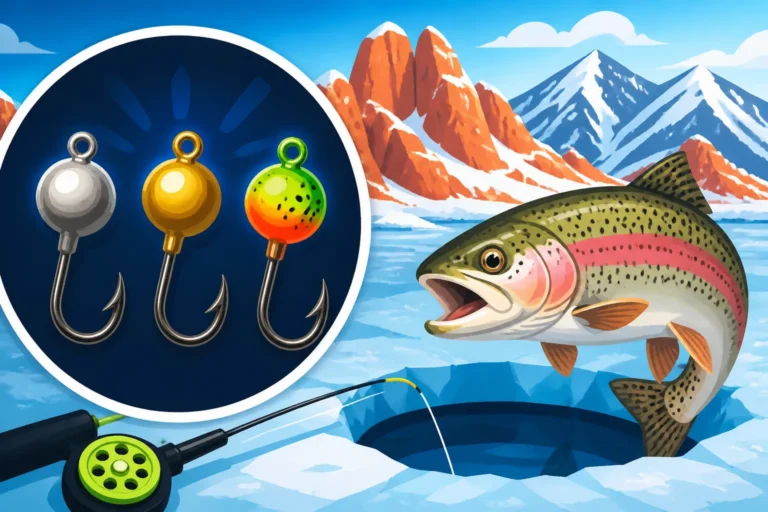
For trout, jigs tipped with a mealworm, wax worm, or even a small piece of PowerBait can be incredibly effective. Small spoons, such as a Kastmaster or a Swedish Pimple, jigged aggressively near the bottom or in the middle of the water column, can also draw strikes. Remember, fish are often still in their "fall patterns" of feeding up before winter truly sets in. This means they might be found shallower than you'd expect in later winter. For species like rainbow trout or tiger trout, looking for them near submerged weed lines or structure in 10-20 feet of water can be highly productive. This is an excellent time to try out different baits and techniques, as the fish are less finicky.
Risks and Rewards of Early Season Angling
The rewards of early ice fishing are undeniable: less crowded conditions, aggressive fish, and the sheer joy of being one of the first anglers to hit the frozen water. There's a pristine quality to the landscape, often blanketed in fresh snow, and the anticipation of a bend in your rod makes the cold worthwhile. However, these rewards come with significant risks, primarily related to ice safety.
Early ice is inherently unstable. Thickness can vary dramatically within a few feet, and springs or currents can create dangerous thin spots. Anglers must carry essential safety gear like ice picks, a spud bar for checking ice thickness, and wear a flotation suit or life vest. It's a time when you absolutely should not fish alone. The frustration of seeing tempting open water nearby, or ice that looks safe, can lead to poor decisions. Prioritizing safety above all else ensures you can enjoy the bounty of early season fish. Many anglers find high-quality safety gear, including ice augers for checking thickness, on platforms like Amazon before the season truly kicks off, making sure they're prepared for the unpredictable conditions.
Mid-Winter Ice Fishing: Peak Season Strategies
As winter truly grips Utah, the ice fishing season often settles into its most reliable and predictable phase. Mid-winter offers solid ice, consistent conditions (usually), and some of the best opportunities for targeting trophy fish, though it also brings its own set of challenges.
Prime Time for Consistent Action
Mid-winter, typically from mid-December through February, is when Utah's ice becomes most established and safest on many popular reservoirs. This is the period when many anglers consider the "best season for ice fishing in Utah" to be in full swing. Lakes like Strawberry Reservoir, Rockport Reservoir, Fish Lake, and Scofield Reservoir often boast several feet of solid ice, allowing for easier travel across the lake, whether by foot, snowmobile, or ATV. This consistent ice cover means anglers can safely access areas that might have been too risky during early ice.
The stability of mid-winter conditions also means that fish patterns become more established. While activity might slow compared to the frenetic pace of first ice, understanding where fish hold – often deeper, near structure, or along contour lines – becomes key. You might not get a bite every minute, but when you do, it could be a quality fish. This is the time to embrace patience and precision, utilizing technology like fish finders to pinpoint schools of fish or individual marks on the bottom. Our guide on Utah Ice Fishing Guide provides more detail on how to approach these peak season conditions.
Deep Water and Structure Techniques
During mid-winter, fish often retreat to deeper waters, seeking thermal stability and access to forage. Targeting these deeper zones and identifying underwater structure becomes paramount. Focus on areas like submerged points, humps, drop-offs, and old creek channels. Lake trout, for example, at Flaming Gorge Reservoir, will hold in very deep water, often 50-100 feet or more, requiring specific techniques like vertical jigging with heavy spoons or tube jigs, often tipped with a piece of cut bait or sucker meat.
For species like perch, crappie, or even smaller trout in other reservoirs, finding schools hugging the bottom near structure is common. Delicate presentations with small jigs, often glow-in-the-dark or brightly colored, tipped with maggots or wax worms, can entice strikes. A popular technique involves "pounding" the bottom with your jig to stir up sediment, mimicking a foraging baitfish, then holding it still for a few seconds. The use of an electronic fish finder becomes almost essential during this period to locate these deeper fish and understand their behavior. Quality fishing gear, including sensitive rods designed for ice fishing and reliable reels, will make a significant difference in detecting subtle bites in deep water.
Handling Extreme Cold Conditions
Mid-winter in Utah can be brutally cold. Temperatures can plummet well below zero, especially in mountain areas, and strong winds can create dangerous wind chill factors. Dressing in layers is not just advice; it's a necessity for safety and comfort. Thermal underwear, fleece layers, a waterproof and windproof outer shell, insulated boots, and proper head and hand protection are critical. Frostbite and hypothermia are real dangers that must be taken seriously.
Beyond personal warmth, anglers need to protect their gear. Fishing line can freeze to guides, holes can skim over quickly, and electronics can suffer in extreme cold. Portable shelters and heaters can make a world of difference, turning a miserable experience into an comfortable one. Bringing hot drinks and high-energy snacks is also a good idea. Many ice anglers find specialized cold-weather fishing gear, from insulated tip-ups to portable heaters, through retailers like Amazon, ensuring they are well-equipped to face the elements and stay out on the ice longer. Remember, the fish don't mind the cold, but you certainly will if you're not prepared.
Late Ice Fishing: The Last Chance Before Thaw
As winter slowly begins to loosen its grip and spring approaches, Utah's ice fishing season enters its final, often frantic, phase. Late ice can be incredibly productive, as fish become highly active, but it's also arguably the most dangerous time to be on the ice.
Signs of Deteriorating Ice
Late ice typically occurs from late February through March, sometimes even into April in high-elevation lakes. The most critical aspect of late ice fishing is recognizing the signs of deteriorating ice. Warm air temperatures, increased sunlight, and fluctuating night/day temperatures all contribute to weakening the ice structure. The ice might start to turn slushy on top, and areas around shorelines, inlets, and outlets will be the first to open up or become dangerously thin.
Visually, look for ice that appears dark, honeycomb-like, or "rotten." This ice has lost its structural integrity and can be incredibly deceptive and dangerous. Cracks might become more prevalent, and puddles of water often form on the surface during warmer days. Heavy snowfall can also mask weak ice, creating a false sense of security. Never assume that because the ice was safe yesterday, it's safe today. Always use a spud bar to check conditions as you move, and pay close attention to the sound and feel of the ice. A good rule of thumb is that if you have any doubt, stay off. Learning about How Long Can an Ice Shanty Stay on Utah Ice? also offers insights into ice longevity.
Fish Behavior as Ice Melts
The warming trend and increasing sunlight of late winter can trigger a significant increase in fish activity. Fish, anticipating the spawn and the return of open water, often move shallower and become more aggressive feeders. Baitfish also become more active, drawing predators to shallower feeding grounds. This often leads to some of the fastest fishing of the entire season.
For trout, look for them cruising just under the ice or along the first break lines near shore, particularly where streams or snowmelt are feeding into the lake. Aggressive jigging with spoons, lipless crankbaits, or even larger soft plastics can draw vicious strikes. Walleye and perch, too, will often move shallower, congregating in areas where they'll eventually spawn. This is a fantastic time for sight fishing in clear water, where you can literally watch fish approach and strike your lure. The increased activity makes this a favorite time for many seasoned anglers who are willing to brave the less stable ice conditions.
Maximizing Success Before Spring
To maximize success during late ice, you need to be adaptable and mobile. Fish locations can change rapidly with shifting ice conditions and water temperatures. Don't be afraid to drill many holes and move frequently to find active fish. Focus on areas with good structure, incoming water, or where you observe other anglers having success (from a safe distance, of course).
Consider using brighter colors and more aggressive presentations, as the fish are often in a feeding frenzy. However, always prioritize safety. Fish with a partner, inform someone of your plans, and carry all necessary safety gear. Be prepared for potentially wet conditions underfoot, as the ice surface can become slushy. While the fishing can be incredible, the ephemeral nature of late ice means you need to seize the opportunity responsibly. This could be your last chance to experience some of the hottest ice fishing action before the spring thaw transforms the lakes back to open water.
Factors Influencing the Best Ice Fishing Season
Determining the "best" season for ice fishing in Utah isn't just about personal preference; it's heavily influenced by environmental factors. Understanding these elements can help you predict conditions and plan your trips for optimal success and safety.
Weather Patterns and Ice Thickness
The most obvious and critical factor is the weather. Consistent, prolonged periods of sub-freezing temperatures are essential for ice formation and thickening. A strong cold front that settles in for weeks without significant snow (which acts as an insulator and slows ice growth) is ideal. Conversely, warm spells, even brief ones, can rapidly degrade ice quality, especially later in the season. Wind also plays a role; while it can help cool water initially, strong winds can keep large bodies of water from freezing solid or can break up existing ice.
Ice thickness is directly correlated with air temperature and duration of cold. A general rule of thumb is that 4 inches of clear, new ice is safe for foot travel, 5-7 inches for a snowmobile or ATV, 8-12 inches for a small car, and 12-15 inches for a medium truck. However, these are general guidelines, and it's always critical to verify current conditions. Fluctuations in temperature can create layers of ice and slush that don't offer the same strength as clear, solid ice. Checking local DWR ice reports or calling local tackle shops is a good habit. Knowing How to Check Ice Thickness Safely Before Ice Fishing is paramount for any outing.
Species-Specific Timing
Different fish species behave differently under the ice, and their peak activity periods can influence when and where you decide to fish. For instance, cold-loving species like lake trout and splake often remain active throughout the mid-winter months, even in deep water. Their metabolism slows, but they continue to feed steadily. For these fish, mid-winter can be prime time, especially at places like Flaming Gorge where you're targeting trophy Mackinaw.
On the other hand, panfish like perch and bluegill might become more active during early and late ice periods as they move into shallower water to feed or prepare for spawning. Trout, especially rainbow trout, are often stocked throughout the winter in community ponds, making them a consistent target, but wild trout in larger reservoirs can have peak bite windows that vary depending on forage availability and pressure. Kokanee salmon at places like Strawberry Reservoir can also be a popular target, and knowing Best Month to Catch Kokanee in Utah will greatly improve your chances. Understanding the feeding patterns and preferred habitats of your target species can significantly narrow down the "best" season for your specific angling goals.
Reservoir Management and Drawdowns
Utah's reservoirs are often managed for multiple purposes, including irrigation, flood control, and power generation, which can lead to significant water level fluctuations, known as drawdowns. These drawdowns can dramatically impact ice formation and fishing conditions. A rapidly dropping water level can pull the ice away from the shore, creating dangerous pressure ridges or breaking up the ice entirely. It can also concentrate fish in specific areas or disrupt their normal holding patterns.
Anglers need to be aware of the water management schedule for their chosen fishing spot. Information on reservoir levels is often available through the Bureau of Reclamation or local water management districts. For example, a severe drawdown during early winter might delay safe ice formation or make certain areas inaccessible. Conversely, stable water levels can lead to more consistent and safer ice. These management decisions can directly influence the "best season" by dictating both accessibility and fish behavior, turning a potentially great spot into a less favorable one or vice-versa.
Safety Considerations for Each Ice Fishing Season
Safety is not just a recommendation; it's a non-negotiable aspect of ice fishing. Each phase of the ice season—early, mid, and late—presents its own unique set of risks and demands specific precautions to ensure a safe and enjoyable experience.
Early Season Ice Safety Protocols
The excitement of early ice can be intoxicating, but it's also the most dangerous time due to inconsistent ice thickness. Anglers must prioritize safety above all else. Never assume ice is safe just because others are on it; always check for yourself. A spud bar is your best friend during this period. Tap it firmly in front of you as you walk. If it goes through easily, turn back. Ice picks, worn around your neck, are crucial for self-rescue if you fall through. They allow you to pull yourself out of the water onto the slick ice.
Always fish with a buddy and ensure someone knows your fishing plans and expected return time. Avoid venturing out onto areas where currents might be present, such as inlets, outlets, or narrows, as these spots will always have thinner ice. Consider wearing a personal flotation device (PFD) or a specialized float suit. The water underneath the ice is lethally cold, and immersion can quickly lead to hypothermia. Even if you're only fishing a few feet from shore on seemingly solid ice, a momentary lapse can have severe consequences. Being prepared with What to Do If You Fall Through Utah Ice While Fishing is crucial for all anglers.
Mid-Season Preparations
While mid-winter ice is generally the safest and thickest, it's not without its hazards. Extreme cold is the primary concern during this period. Proper layering of clothing, as discussed earlier, is paramount to prevent hypothermia and frostbite. Invest in high-quality insulated boots, gloves, and headwear. A portable shelter and a heater can transform a frigid day into a comfortable one, allowing you to stay out longer and fish more effectively.
Even with thick ice, familiarity with your chosen body of water is important. Large snowdrifts can conceal thin spots or cracks, and vehicles can still break through if driven carelessly or onto compromised ice. Always drive slowly, watch for signs of weak ice, and spread out your group's vehicles rather than congregating in one spot. Regularly check conditions with local DWR offices or reputable fishing reports. Carry a shovel, tow strap, and basic emergency kit, especially if you're using an ATV or snowmobile. The remoteness of many prime mid-winter spots means self-reliance is key.
Late Season Precautions and Gear
Late ice is characterized by rapidly changing and unpredictable conditions, making it arguably the most treacherous time to be on the ice. The warm sun and fluctuating temperatures turn solid ice into a weak, honeycomb structure that can give way without warning. Anglers must be hyper-vigilant and constantly assessing ice integrity. Avoid fishing near shorelines, stream inlets, or outlets, as these areas degrade first. The old saying, "No ice is safe ice," rings truest during this period.
Essential late-season gear includes a spud bar, ice picks, and a PFD or float suit, just as with early ice. Consider fishing only in established, heavily trafficked areas where conditions are more consistently monitored. However, even these spots can become dangerous quickly. If you see water on top of the ice, it's a strong indicator that the ice is deteriorating. Trust your instincts; if something feels off, it probably is. The reward of a hot bite is never worth risking your life. Many anglers keep their ice fishing gear, including safety items like throw ropes and emergency blankets, readily accessible after purchasing them from retailers like Amazon, ensuring they are prepared for any seasonal change on the ice. Always err on the side of caution, pack up early if conditions worsen, and prioritize getting home safely to fish another day.
Utah Ice Fishing Season Overview
To help visualize the general timing and best opportunities, here's a table summarizing the different phases of Utah's ice fishing season.
| Season Phase | Typical Dates (Approx.) | Ice Conditions (General) | Fish Activity (General) | Primary Risks | Recommended Gear |
|---|---|---|---|---|---|
| Early Ice | Late Nov – Mid-Dec | Thin, clear, variable | Highly active, aggressive | Falling through thin ice | Spud bar, ice picks, PFD, buddy |
| Mid-Winter | Mid-Dec – Feb | Thick, solid, consistent | Active, often deeper | Extreme cold, frostbite | Layers, shelter, heater, fish finder |
| Late Ice | Late Feb – March (into April) | Deteriorating, slushy, rotten | Very active, shallow, feeding | Falling through weak ice | Spud bar, ice picks, PFD, mobility |
This table provides a snapshot, but remember that specific conditions will always depend on the year's weather and the individual water body.
Disclaimer
The information provided in this guide is for informational purposes only and should not be considered a substitute for official regulations, professional advice, or personal judgment. Ice conditions are dynamic and can change rapidly. Always exercise extreme caution, verify local ice conditions with reliable sources (such as the Utah Division of Wildlife Resources), and prioritize safety above all else. The author and publisher assume no responsibility for any loss or injury sustained while utilizing this information.