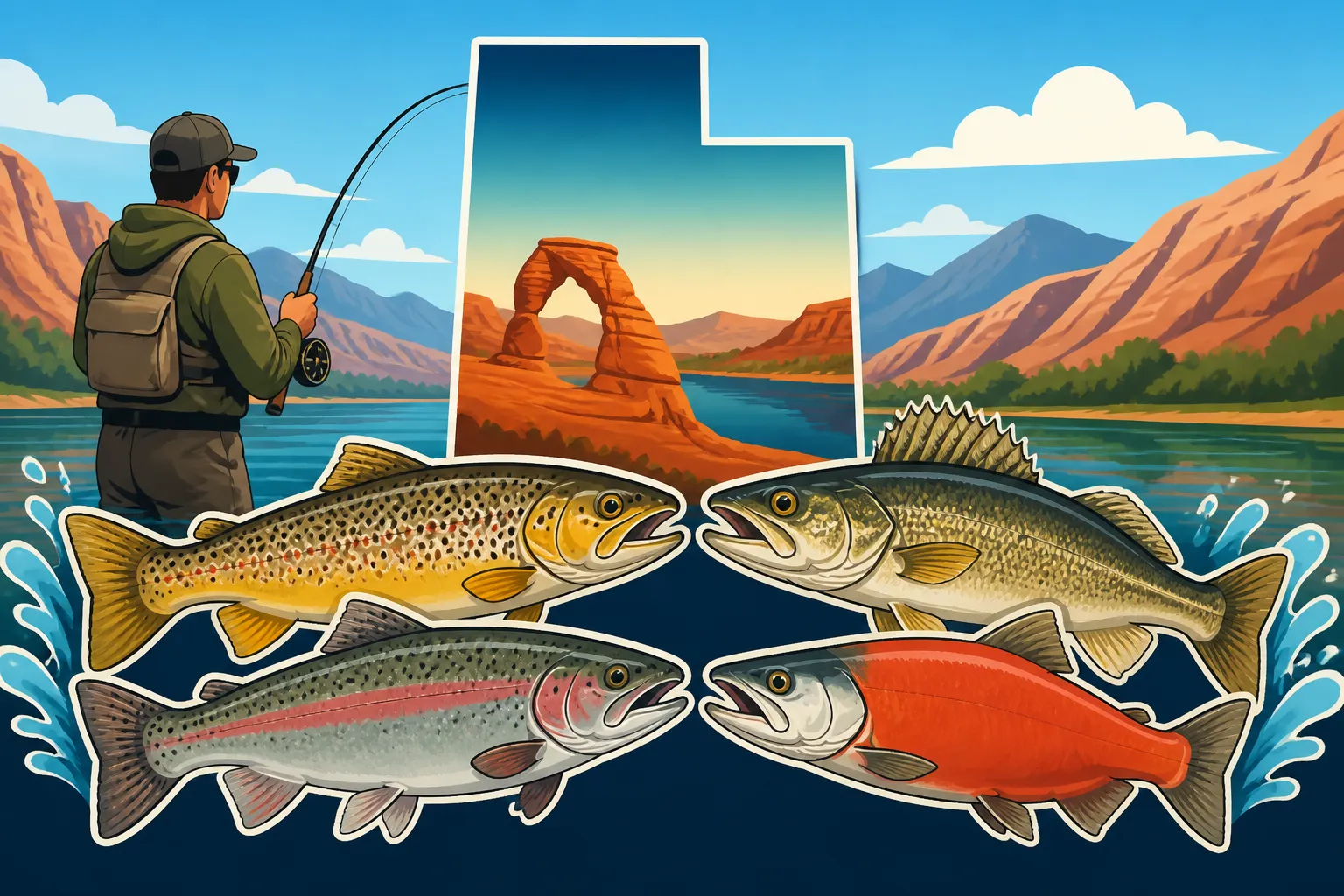
Best Fish Species for Eating From Utah Waters
There’s nothing quite like the thrill of reeling in a beautiful fish from one of Utah's pristine waters. But let's be honest, part of the joy, for many of us, is imagining that fish sizzling on a pan or grilling over an open fire. Yet, not all fish are created equal when it comes to the dinner plate. If you've ever wondered which of your Utah catches will truly deliver a delicious meal and which might be best for catch-and-release, this guide is here to help you navigate the waters of edible fish species.
Understanding What Makes a Fish Taste Good
Before we dive into specific species, it’s helpful to understand what contributes to a fish's flavor and texture. It's not just about the species; factors like their diet, the water quality they live in, and even how you handle them after they're caught play a huge role. Many anglers have pulled out a fish that looked promising only to find its flesh mushy or tasting "off." This usually boils down to one or more of these crucial elements.
Diet and Habitat Influence
Just like with any animal, what a fish eats directly impacts its flavor. Fish that feed primarily on insects, smaller fish, or crustaceans tend to have a cleaner, milder flavor. Conversely, fish that scavenge or live in areas with abundant algae or certain types of aquatic vegetation can sometimes develop an "earthy" or "muddy" taste. Think of it like a wild game animal – a deer that eats acorns will taste different from one that grazes on alfalfa.
Beyond diet, the water itself is a massive factor. Fish from cold, clear, flowing water, like mountain streams or deep, well-oxygenated reservoirs, often have firmer, milder-tasting flesh. This is because cleaner water typically supports a healthier food chain and reduces stress on the fish. In contrast, fish from stagnant, warm, or overly silty waters might absorb undesirable flavors from their environment. It’s why a trout from a high Uinta lake might taste pristine, while a carp from a warm, shallow pond might have a strong, distinct flavor that not everyone appreciates. Water temperature also affects a fish's metabolism; slower metabolism in colder water often means less fatty, firmer flesh.
Flesh Texture and Oil Content
The texture and oil content are two other critical components that determine how good a fish tastes and how it holds up to cooking. Fish with firm, flaky white flesh are often highly prized. This usually indicates a leaner fish with less oil. While some oil in fish is good (hello, healthy omega-3s!), excessive or "off-tasting" oil can lead to a less palatable experience. For instance, many trout species have a moderate oil content that lends itself well to grilling or baking, keeping the fish moist and flavorful. Species like catfish tend to have a firmer, denser flesh, while something like a walleye is known for its delicate, flaky texture.
The muscle structure also plays a part. Fish that are constantly swimming and fighting currents, like many river trout, often have firmer muscles. These factors combine to create the culinary profile of each species, making some far more sought-after than others for the dinner table. When you're cleaning your catch, pay attention to the color and firmness of the flesh; it can tell you a lot about what to expect.
Top Utah Species for Your Dinner Plate
Alright, let's get down to brass tacks: which fish in Utah are truly worth taking home for a delicious meal? From the high mountain lakes to the desert reservoirs, Utah offers some fantastic eating opportunities if you know what to look for.
Trout Varieties: A Utah Angler's Delicacy
When most people think of eating fish in Utah, trout are usually the first species that come to mind, and for good reason! Utah is famous for its trout fishing, and many species offer exceptional table fare.
- Rainbow Trout: These are probably the most commonly caught and eaten trout in Utah. Often stocked in community ponds and many reservoirs, rainbows have a mild, delicate flavor and a flaky texture. They're incredibly versatile in the kitchen, whether you're pan-frying them, baking them, or grilling them whole. Younger, smaller rainbow trout tend to have the best flavor, as larger, older ones can sometimes develop a slightly stronger taste. They're a fantastic choice for beginners learning How to Fillet a Trout After Keeping Your Limit.
- Cutthroat Trout: Especially the native Bonneville Cutthroat Trout, these fish from cold, clean waters like those found in the Uinta Mountains or Bear Lake can be absolutely delicious. Their flesh is typically firm and can range from white to a light pinkish-orange, with a mild, slightly nuttier flavor than a rainbow. They hold up well to various cooking methods. Catching these often means you're in truly pristine environments, which contributes to their excellent taste.
- Brown Trout: Often found in rivers like the Provo River, browns are known for their beautiful colors and cunning nature. As table fare, they're excellent, though sometimes their flavor can be a touch richer or "fishier" than a rainbow, especially larger individuals. This richer flavor, however, is prized by many. They have firm, flaky flesh that works wonderfully baked or smoked.
- Tiger Trout: A sterile hybrid of brown and brook trout, tiger trout are often stocked in waters like Scofield Reservoir. They offer an interesting culinary experience, often described as having a rich, almost salmon-like flavor. Their flesh can be beautifully colored, and they have a firm texture. They're a sought-after catch for both their fighting spirit and their taste.
When considering trout, remember the "diet and habitat" rule. A trout from a clear, cold stream will almost always taste better than one pulled from a silty, warm pond, even if it's the same species.
Walleye: The Midwest's Prized Catch, Right Here in Utah
Often overlooked by some local anglers who might not be as familiar with them, walleye are considered one of the finest eating freshwater fish in North America. We're lucky to have thriving walleye populations in Utah, particularly in Utah Lake, Willard Bay, and Deer Creek Reservoir.
Walleye are famous for their delicate, flaky white flesh and incredibly mild, almost sweet flavor. They're very low in oil, making them a lean and clean-tasting fish that even those hesitant about "fishy" flavors often enjoy. They fillet beautifully, yielding boneless portions that are perfect for frying, baking, or pan-searing. If you catch one, especially a smaller to mid-sized fish (say, under 20 inches), you've got a treat in store. They’re absolutely worth targeting if you're looking to fill your cooler with top-tier table fare. Utah Walleye Fishing Guide can help you find them.
Catfish: A Southern Staple with a Utah Twist
While not everyone's cup of tea, channel catfish can be incredibly delicious, especially if caught from cleaner waters and properly prepared. Utah Lake is renowned for its strong catfish population, but you'll also find them in other reservoirs and slower rivers.
Catfish have a firm, somewhat dense, white flesh that holds up well to deep frying – hence their popularity in Southern cuisine. The key to good-tasting catfish is often avoiding very large, old fish from warm, muddy environments, as these can sometimes have a stronger flavor. Smaller to medium-sized channel catfish (2-5 pounds) from actively flowing or cooler, cleaner waters will generally offer the best eating experience. Their flesh is quite versatile and can be baked, grilled, or pan-fried. Many people like to soak catfish fillets in milk or buttermilk before cooking to help draw out any potential strong flavors and tenderize the meat. Utah Catfish Guide provides more information on this species.
Other Notable Mentions
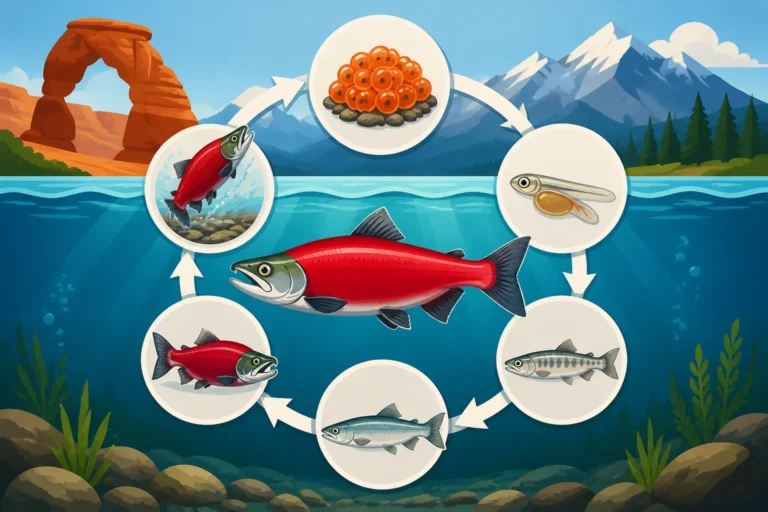
- Kokanee Salmon: While primarily known for their fighting spirit and the thrill of the chase, kokanee salmon, especially when they are bright silver (pre-spawn), offer a rich, red-orange flesh that is very flavorful and high in healthy oils. They are delicious baked, grilled, or smoked, with a taste reminiscent of sockeye salmon. However, they are best caught before they turn dark and begin their spawning run, as their flesh quality deteriorates significantly at that point.
- Yellow Perch: Found in many Utah waters, including Fish Lake and Deer Creek Reservoir, yellow perch are small but mighty when it comes to flavor. They have firm, sweet, flaky white flesh, often compared to walleye, making them a highly desirable panfish. While cleaning them can be a bit tedious due to their size, the reward is absolutely worth it. Frying them whole (after scaling and gutting) or as small fillets is a popular method.
- Wiper (Hybrid Striped Bass): These feisty hybrids, found notably in Willard Bay, offer firm, white, flaky meat with a mild flavor. They are aggressive fighters and make excellent table fare. Similar to walleye, they have a clean taste that makes them a favorite for many.
Handling Your Catch for Optimal Flavor
Catching the right species is only half the battle. How you handle your fish from the moment it leaves the water until it hits your cooler dramatically impacts its taste and texture. Neglecting these steps can turn a potentially delicious meal into a disappointing one.
Bleeding and Icing Immediately
This is perhaps the single most important step for preserving fish quality. When a fish is caught, its muscles fill with lactic acid and stress hormones, and the blood begins to pool in the flesh. If not removed, this can lead to a "fishy" taste and softer flesh.
- Bleeding: As soon as you decide to keep a fish, bleed it. A quick, humane way is to make a small cut to the gills with a sharp knife and place the fish immediately into a bucket of water or directly into your cooler filled with ice water. Allow it to bleed out for several minutes. This flushes the blood from the muscle tissue, resulting in cleaner, milder-tasting fillets.
- Icing: After bleeding, get your fish on ice as quickly as possible. A cooler filled with a slurry of ice and water is ideal. This rapid cooling halts bacterial growth and rigor mortis, preserving the texture and flavor of the meat. Don't just lay fish on top of ice; immerse them in the ice water. This keeps them consistently cold and helps them firm up. How to Store Fish on a Hot Day in Utah provides more tips on this. You can find robust coolers and quality knives on Amazon to make this process easier.
Cleaning and Filleting Your Fish
Once your fish are bled and properly chilled, the next step is cleaning them. You'll want to do this as soon as practically possible, ideally within a few hours of catching, or as soon as you get home.
- Gutting: For smaller fish you plan to cook whole, simply gutting them by making an incision from the vent to the gills and removing the entrails is sufficient. Rinse the cavity thoroughly.
- Filleting: For larger fish like walleye, bigger trout, or catfish, filleting is often preferred. This involves carefully removing the flesh from the bones, typically resulting in two boneless fillets per fish. A sharp, flexible fillet knife is essential here. If you're new to this, there are many online tutorials, but practicing on a few fish will quickly improve your technique. How to Fillet a Trout After Keeping Your Limit is a great starting point for trout. Don't forget to rinse your fillets in cold water and pat them dry with paper towels before storage to remove any lingering scales or blood.
| Species | Flavor Profile | Flesh Texture | Best Cooking Methods | Tips for Best Taste |
|---|---|---|---|---|
| Rainbow Trout | Mild, delicate, slightly sweet | Flaky, tender | Pan-fried, baked, grilled, smoked | Best when smaller/mid-sized, from cold, clear water. Bleed immediately. |
| Cutthroat Trout | Mild, clean, slightly nutty | Firm, flaky | Baked, grilled, pan-fried, smoked | Pristine waters yield best flavor. Excellent for catch-and-cook shore lunches. |
| Brown Trout | Richer, more pronounced fish flavor | Firm, flaky | Baked, grilled, smoked, pan-fried | Larger fish can be stronger; consider smaller ones for milder taste. |
| Walleye | Very mild, sweet, delicate | Super flaky, tender, white | Pan-fried (breaded), baked, broiled | Considered a top eating fish. Less "fishy" than most. |
| Channel Catfish | Mild to moderate, earthy | Firm, dense | Deep-fried, baked, grilled | Smaller fish from cleaner water are best. Soaking in milk can reduce strong flavors. |
| Kokanee Salmon | Rich, oily, salmon-like | Firm, red/orange | Grilled, baked, smoked | Catch when silver (pre-spawn) for best quality. |
| Yellow Perch | Sweet, very mild | Firm, flaky, white | Pan-fried (whole or filleted) | Small but delicious. Worth the effort to clean. |
| Wiper | Mild, clean, white | Firm, flaky | Baked, grilled, pan-fried | Excellent table fare, similar to walleye. |
Species to Approach with Caution (or Special Preparation)
While the species listed above are generally fantastic for eating, Utah also has fish that might require specific preparation or are often best left in the water for other reasons. This isn't to say they can't be eaten, but manage your expectations!
Common Carp: The Bottom Dweller
Common carp are abundant in many of Utah's warmer, shallower waters, particularly Utah Lake. They are known for their scavenging habits and can often develop a strong, "muddy" flavor. Their flesh is also quite bony, making them challenging to prepare.
Many anglers choose to release carp or use them for purposes other than direct consumption. If you do decide to eat carp, smaller fish from cleaner, cooler water will generally taste better. Preparation methods often involve grinding the meat for patties, smoking it, or deep frying it in a seasoned batter to mask some of the stronger flavors. Some people swear by soaking carp fillets in saltwater or buttermilk overnight to draw out impurities. They're certainly a fish that demands more culinary effort.
Northern Pike: The Invasive Predator
Northern Pike, especially those found in Utah Lake, are considered an invasive species, and anglers are often required to harvest every pike they catch. While they are a formidable predator and a thrill to catch, their eating quality can be a bit polarizing.
Pike have firm, white, flaky flesh, but they are notoriously bony with a complex Y-bone structure that makes filleting a challenge for the inexperienced. This bone structure means you need specific filleting techniques to get boneless portions, often referred to as "five-fillet" method. The taste is generally mild, but like carp, larger pike from warmer waters can sometimes have a stronger flavor. If you do keep pike, smaller ones are usually better eating, and you'll definitely want a very sharp knife, perhaps even a specialized one you can find on Amazon, to tackle the bones. Why Does Utah Lake Require You to Kill Every Northern Pike? explains more about their invasive status.
White Bass: Good, but Not Top Tier
White bass are plentiful in waters like Utah Lake and Willard Bay, and they offer decent table fare. They have firm, white flesh and a moderate flavor. They're good for frying or baking, but sometimes they can have a slightly stronger flavor than their wiper cousins, especially larger individuals.
They're not typically listed among the very best eating fish, but they're a solid option if you catch a few. The same rules apply: bleed and ice them quickly to ensure the best possible flavor and texture.
Keeping Your Catch Safe and Delicious
Beyond handling, understanding potential advisories and proper storage is key to a truly enjoyable and safe eating experience. It's not just about taste; it's about health, too.
Check Consumption Advisories
Always, always check for current consumption advisories issued by the Utah Department of Environmental Quality or the Utah Division of Wildlife Resources. These advisories are put in place for specific bodies of water or for certain species due to concerns about contaminants like mercury or PCBs. Larger, older predatory fish tend to accumulate higher levels of these contaminants.
These advisories don't usually mean you can't eat the fish at all, but they might recommend limiting consumption for certain age groups, pregnant women, or children. Ignoring these can have long-term health implications, so make it a habit to check before you plan your fish fry. Fish Species to Avoid Eating Due to Consumption Advisories in Utah is a good resource to review regularly.
Proper Storage at Home
Once you've cleaned and filleted your fish, how you store it at home is the final step in preserving its quality.
- Refrigeration: Fresh fish should be stored in the coldest part of your refrigerator, ideally on ice or in a bowl set in ice, for no more than 1-2 days. Wrap fillets tightly in plastic wrap or place them in an airtight container to prevent them from drying out or absorbing odors.
- Freezing: For longer storage, freezing is your best bet. Vacuum sealing is the gold standard for freezing fish, as it removes oxygen and prevents freezer burn, keeping the fish fresh for several months. If you don't have a vacuum sealer, wrap fillets tightly in plastic wrap, then in foil, and place them in freezer-safe bags or containers. Try to get as much air out as possible. Label and date everything! Frozen fish is best consumed within 3-6 months for optimal quality.
Ultimately, the best fish to eat is often the one you catch yourself, handled with care, and prepared with love. By choosing wisely from Utah's bountiful waters and following these preparation tips, you're set to enjoy some truly delicious meals from your angling adventures.
Disclaimer
This article is for general informational purposes only and does not constitute professional advice. Laws, prices and regulations vary by location and change over time. Consult a qualified professional for guidance on your specific situation.