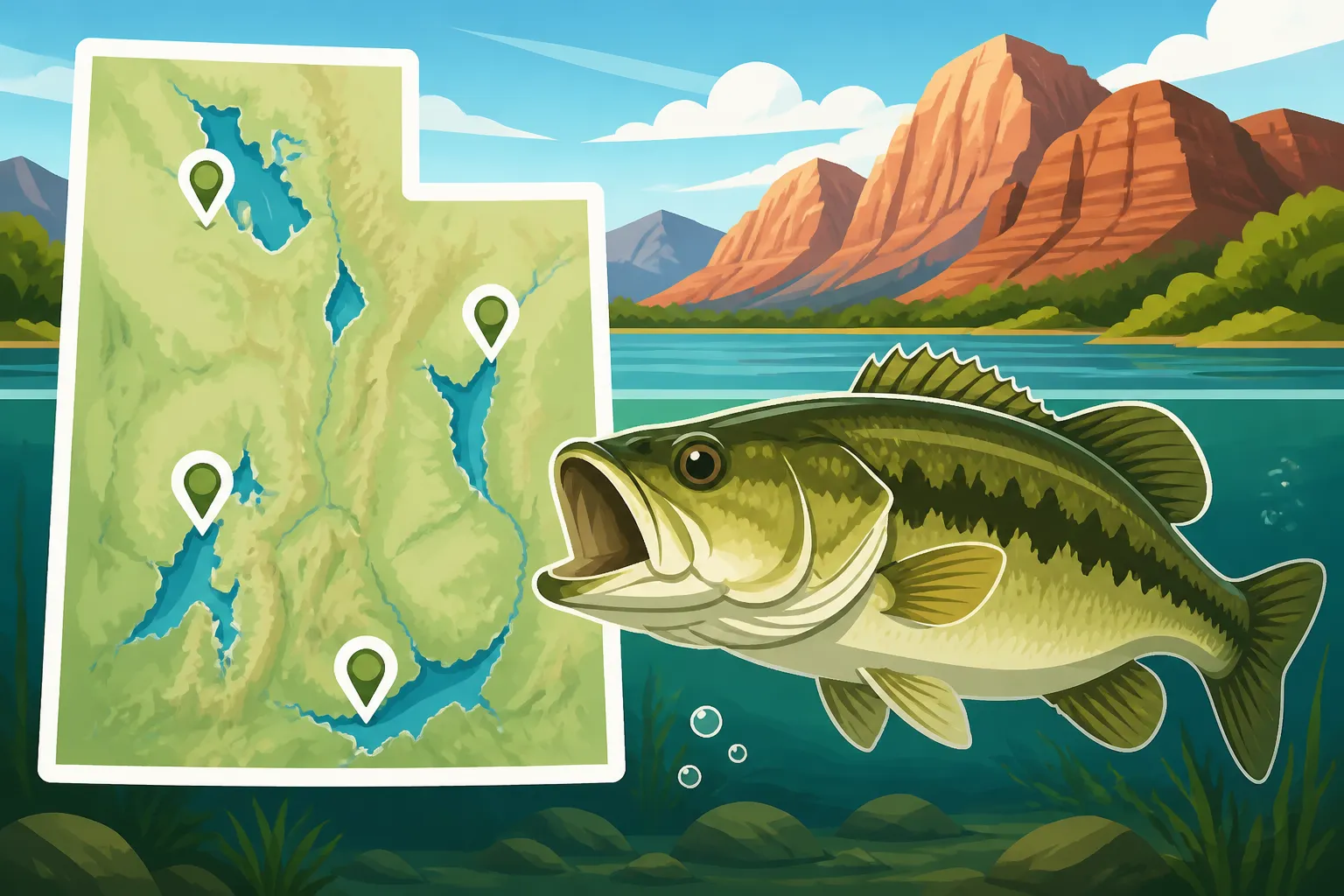
Where Largemouth Bass Live in Utah
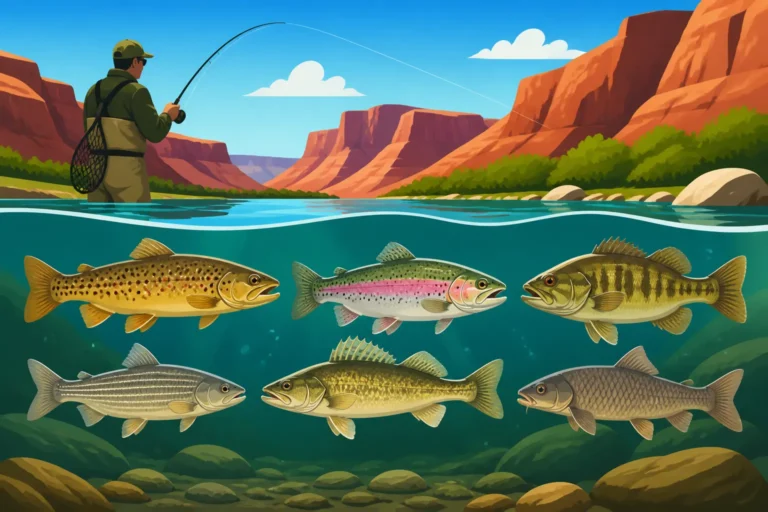
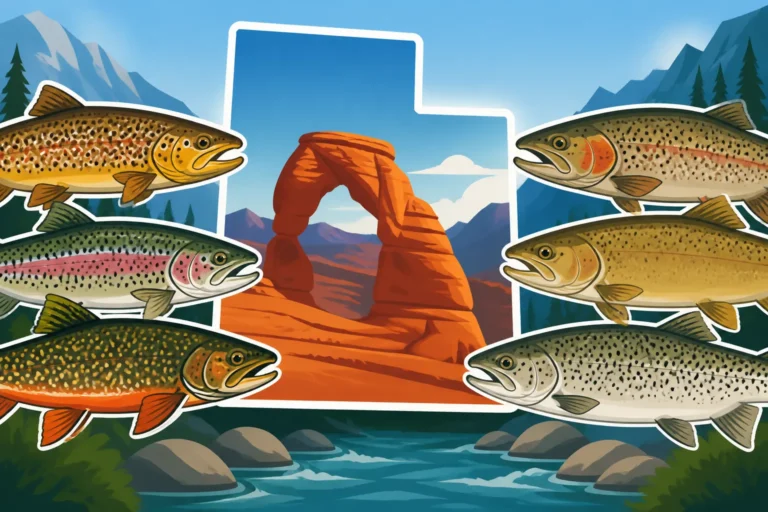
It can sometimes feel like Utah's fishing scene is all about trout, trout, and more trout. While our cold, clear mountain streams and reservoirs certainly hold their share of beautiful rainbow, brown, and cutthroat trout, it's easy for anglers to feel like if they're after a feisty largemouth bass, they might be out of luck. But don't you worry, my friend! Utah actually has some fantastic largemouth bass fisheries, you just need to know where to look. This guide is going to peel back the layers and show you exactly where these bucketmouths call home across our diverse state.
Understanding Largemouth Bass in Utah's Diverse Waters
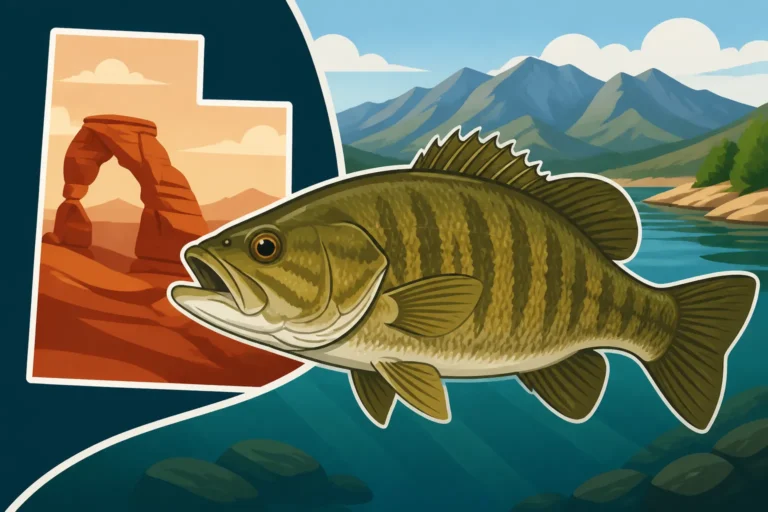
Largemouth bass are iconic freshwater game fish, known for their aggressive strikes and powerful fights. While they might not be the poster fish for Utah's angling scene, they certainly hold a special place in the hearts of those who chase them here. Unlike the widespread trout that seem to be stocked everywhere, largemouth bass have specific habitat requirements that dictate their presence, making their locations a bit more of a treasure hunt.
Not as Widespread as Trout, But They're Here
When you hear "Utah fishing," most folks immediately picture a pristine mountain lake or a winding fly-fishing river, teeming with trout. And for good reason – the Utah Division of Wildlife Resources (DWR) puts a lot of effort into managing and stocking our trout populations, ensuring there's ample opportunity for everyone. This can sometimes lead to the misconception that bass fishing is either non-existent or just not worth the effort here.
However, that couldn't be further from the truth. While they don't inhabit every water body, largemouth bass are firmly established in numerous lakes and reservoirs across Utah, particularly in warmer, shallower, and more vegetated environments. They require different conditions than trout, so you won't find them coexisting happily in every single spot. The key is understanding these preferences, which will unlock a whole new world of angling adventure for you. You just need to shift your focus from the typical "trout stream" mentality to a "warmwater fishery" mindset.
Preferred Habitats and Why They Thrive There
Largemouth bass are creatures of comfort, and their comfort zone is generally warmer water than their trout counterparts. They thrive in water temperatures between 65 and 80 degrees Fahrenheit, which is why you'll often find them in reservoirs and ponds at lower elevations, or in the shallower bays and coves of larger, deeper lakes that warm up significantly during the summer months.
Beyond temperature, largemouth bass absolutely love structure and cover. Think submerged timber, thick weed beds, rocky points, old creek channels, and even man-made structures like docks or bridge pilings. These features provide ambush points for hunting prey, protection from predators, and shade from the intense Utah sun. Waters with a healthy balance of these elements, coupled with a good forage base of smaller fish, crawfish, and insects, are prime real estate for a healthy largemouth bass population. This preference for cover is a big reason why you don't typically find them in the crystal-clear, fast-flowing, rocky mountain rivers that are perfect for trout.
Top Largemouth Bass Hotspots Across Utah
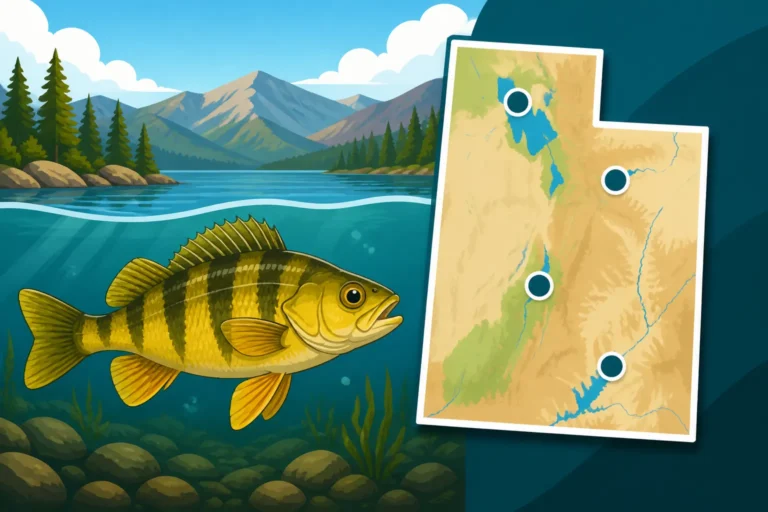
Utah's diverse geography means that bass fishing opportunities vary significantly from the cooler northern regions to the warmer southern deserts. Knowing which waters consistently produce largemouth can save you a lot of guesswork and dramatically increase your chances of success. Let's break down some of the top areas.
Northern Utah's Warmer Reservoirs and Ponds
While northern Utah is famous for its trout streams and alpine lakes, there are several excellent largemouth bass fisheries if you know where to look. These spots often include shallower, nutrient-rich reservoirs and community ponds that warm up nicely throughout the spring and summer.
One prime example is Willard Bay Reservoir, located just north of Ogden. This large, shallow reservoir is known for its excellent warmwater fishing, including a thriving population of largemouth bass. The bay offers extensive weed beds, flooded brush, and plenty of shallow flats where bass can be found cruising and ambushing prey. It's a fantastic place to explore by boat, kayak, or even from shore, especially during the spring spawn and throughout the warm summer months. Another notable spot is Pineview Reservoir, tucked away in Ogden Valley. While Pineview is largely known for its tiger muskie and panfish, it also harbors a respectable population of largemouth bass, particularly in its shallower, weedy coves. Anglers often find success targeting bass along the edges of the weed lines and around submerged structure. Pineview Reservoir Fishing Spots offers more detailed insights into this diverse fishery.
Many of Utah's urban and community ponds, especially those managed for warmwater species, also hold largemouth bass. These can be great spots for beginners or for a quick evening trip, offering easier access and often good numbers of smaller bass. Always check the specific regulations for community ponds, as they can sometimes differ from larger reservoirs.
Central Utah's Often Overlooked Bass Fisheries
Central Utah offers a mix of high-desert and mountainous terrain, with some excellent bass fishing opportunities that might not be as widely publicized as the famous trout destinations. These waters often see less pressure, making them appealing to bass enthusiasts.
Deer Creek Reservoir, near Park City, is a popular spot for many species, and its warmer, shallower sections can hold good largemouth bass. While it's a deep lake overall, the northern end and some of the coves offer excellent bass habitat with submerged vegetation and rocky structure. Similarly, Jordanelle Reservoir, also close to Park City, can be a surprisingly good largemouth spot. Look for bass in the shallower arms and coves, especially where there's submerged brush or rocky features. These reservoirs can be a bit more challenging than dedicated bass lakes, but the rewards can be well worth the effort.
Heading further south, but still within central Utah's reach, Yuba State Park Reservoir is another warmwater favorite. While Yuba is perhaps more famous for its northern pike and walleye, it definitely hosts largemouth bass, especially around the abundant submerged brush and rocky shorelines that offer perfect ambush points. Anglers who venture out on Best Boats for Utah Reservoir Fishing often find success by targeting these features. Don't overlook smaller, often unnamed ponds or private waters in this region either, as they can sometimes be overlooked gems for bass.
Southern Utah's Desert Oases for Largemouth
When you think of southern Utah, you might picture red rock canyons and desert landscapes, which may not immediately scream "bass fishing." However, this region actually boasts some of the state's most productive and renowned largemouth bass fisheries, thanks to its warmer climate and unique hydrological features.
Lake Powell is undoubtedly the crown jewel of southern Utah's warmwater fishing. While famous for its striped bass, it also offers absolutely incredible largemouth bass fishing in its countless coves, canyons, and submerged timber fields. The sheer size and complexity of Lake Powell mean there's an endless amount of prime bass habitat, from rocky ledges to flooded brush. Targeting bass here often involves exploring remote areas by boat or kayak, pitching jigs and soft plastics into shaded cover. Lake Powell Fishing Guide provides a wealth of information for planning a trip to this magnificent body of water.
Another fantastic option in southern Utah is Quail Creek Reservoir near St. George. This reservoir is a known hot spot for largemouth bass, offering clear, warm water and excellent structure. It's a favorite among local bass anglers for its consistent action and the chance at trophy-sized fish. The reservoir features rocky shorelines, submerged ledges, and some sparse vegetation, all of which are attractive to bass. Then there's Sand Hollow Reservoir, also near St. George, which is another incredibly popular largemouth fishery. Its unique red rock scenery combines with abundant bass, making it a truly special place to fish. Sand Hollow is known for its clear water and excellent smallmouth bass populations too, but largemouth definitely thrive here, often relating to the lava rock structures and submerged brush piles. When considering what gear to bring, remember that many options found on Amazon can be perfectly suited for these desert fisheries.
Key Characteristics of Largemouth Bass Habitat
Understanding the 'why' behind where largemouth bass live is just as important as knowing the 'where'. These fish are highly sensitive to their environment, and knowing their preferences can help you pinpoint their locations even in waters you've never fished before.
The Importance of Structure and Cover
If there's one golden rule for finding largemouth bass, it's to find structure and cover. These are not just random spots; they are critical elements of a bass's daily life. "Structure" refers to changes in the lake or river bottom contour, such as points, humps, ledges, drop-offs, and old creek channels. Bass often patrol these areas, using the depth changes to ambush prey or as travel corridors. Imagine a bass sitting on a submerged point, waiting for an unsuspecting bluegill to swim by – it's an ideal hunting ground.
"Cover," on the other hand, refers to objects within the water column or along the bottom that provide protection, shade, and ambush points. This includes submerged trees (often called "laydowns" or "brush piles"), weed beds (like coontail, milfoil, or lily pads), rock piles, docks, bridge pilings, and even submerged culverts. Bass use cover to hide from predators, escape the bright sun, and launch surprise attacks on baitfish. In Utah, especially in reservoirs like Willard Bay or the coves of Lake Powell, finding dense weed beds or flooded timber is often the key to finding largemouth. They provide that perfect blend of protection and a hunting advantage. When you're fishing these areas, make sure your tackle box, easily assembled from items purchased on Amazon, is stocked with weedless lures.
Water Temperature and Clarity Preferences
As mentioned, largemouth bass are warmwater fish. Their activity levels, feeding patterns, and even their spawning cycles are heavily influenced by water temperature. In Utah, this means they'll be more active and shallower in the spring and fall when temperatures are mild. During the peak of summer, when surface temperatures can soar, bass often retreat to deeper, cooler water or seek dense shade in heavy cover during the brightest parts of the day.
Water clarity also plays a significant role. Largemouth bass are visual predators, but they can adapt to a range of clarities. In clear waters, they might be more cautious and sensitive to line visibility, often holding tighter to cover. In murkier or stained waters, they tend to be less spooky and rely more on their lateral line to detect vibrations, making noisier lures more effective. Utah's bass waters range from the gin-clear depths of Quail Creek to the often-stained waters of Utah Lake or Willard Bay, so understanding the conditions of the specific lake you're fishing is crucial. If the water is really clear, try downsizing your line or switching to a fluorocarbon leader, which you can easily find on Amazon.
Forage Base and Its Role in Bass Presence
Simply put, fish go where the food is! A healthy largemouth bass population depends on a robust forage base. In Utah, this typically includes a variety of smaller fish species such as bluegill, yellow perch, shad (where present), and various minnows. Crayfish are another huge part of a largemouth's diet and are abundant in many Utah waters. Frogs, insects, and even small rodents or birds can also end up on a bass's menu.
The presence and abundance of these food sources directly influence where largemouth bass choose to live and hunt. If a certain area of a reservoir has a dense population of bluegill hiding in the weeds, you can bet there will be largemouth bass nearby, waiting for an opportunity. Understanding the primary forage in a particular water body can also help you choose the right lures and presentations to "match the hatch," so to speak, and entice a strike. For example, if you know the lake has a lot of shad, throwing a crankbait or swimbait that mimics shad could be incredibly effective.
How to Research and Locate New Bass Waters in Utah
Discovering new fishing spots, especially for a specific species like largemouth bass, is one of the most exciting aspects of angling. While some spots are well-known, others require a bit of detective work and local knowledge. Don't be afraid to put on your angler's cap and do some digging!
Leveraging DWR Resources and Online Forums
The Utah Division of Wildlife Resources (DWR) is an invaluable resource for any angler in the state. Their website is packed with information, including fishing reports, species distribution maps, stocking schedules (though less relevant for self-sustaining bass populations), and specific regulations for various water bodies. You can often find detailed information about the fish species present in a particular lake or reservoir, which will quickly tell you if largemouth bass are a viable target there. Always check the Utah Fishing Regulations Explained before heading out, as rules for specific species or waters can change.
Beyond official sources, online fishing forums and social media groups dedicated to Utah fishing can be goldmines of real-time information and local insights. Anglers love to share their catches and sometimes even their honey holes (or at least general areas). While you might not get exact GPS coordinates, these communities can point you towards specific reservoirs or sections of lakes that are known for good bass action. Just remember to be respectful, share your own knowledge when you can, and always practice good sportsmanship. There's also a wealth of information in articles like Largemouth vs Smallmouth Bass Differences, which can help you fine-tune your search based on species.
Essential Gear for Utah Largemouth Anglers
Having the right gear won't guarantee you a trophy largemouth, but it will certainly improve your chances and make the experience more enjoyable. For largemouth bass in Utah, you'll want a versatile setup that can handle powerful fish and various techniques.
A medium-heavy to heavy power spinning or baitcasting rod, paired with a matching reel, is ideal. A 7-foot rod is a good all-around length, offering both casting distance and leverage for fighting fish in cover. For line, 10-20 lb monofilament or fluorocarbon, or 20-50 lb braided line with a fluorocarbon leader, are common choices. Braid offers sensitivity and strength, while fluorocarbon is nearly invisible underwater.
When it comes to lures, the possibilities are endless, but a few staples will serve you well. Soft plastics like Texas-rigged worms, Senkos, and creature baits are incredibly effective, especially when fishing around submerged cover. Jigs, spinnerbaits, crankbaits, and topwater lures like poppers and frogs also have their time and place, depending on the conditions and the specific water you're fishing. Having a good variety, perhaps stored in a tackle box found on Amazon, allows you to adapt to different situations. Don't forget a sturdy pair of pliers for removing hooks and a net, especially if you're targeting bigger fish. If you're new to fishing, starting with Utah Fishing Gear for Beginners can give you a solid foundation.
Overview of Utah's Top Largemouth Bass Fisheries
To give you a quick reference, here's a table summarizing some of Utah's most notable largemouth bass locations and what makes them stand out.
| Reservoir/Lake | Region | Key Characteristics | Primary Habitat | Best Time to Fish | Notes |
|---|---|---|---|---|---|
| Lake Powell | Southern | Massive, warm water, deep canyons, abundant structure | Flooded timber, rocky points, coves, submerged brush | Spring, Summer, Fall | World-class fishery, often requires a boat |
| Quail Creek Reservoir | Southern | Clear, warm water, consistent action | Rocky points, ledges, submerged brush | Spring, Summer, Fall | Popular for trophy bass, good shore access |
| Sand Hollow Reservoir | Southern | Clear water, red rock scenery, diverse structure | Lava rock formations, submerged brush, shallow flats | Spring, Summer, Fall | Excellent numbers, good boat and shore access |
| Willard Bay Reservoir | Northern | Large, shallow, nutrient-rich, extensive weed beds | Weed lines, submerged brush, shallow flats | Spring, Summer | Great for all warmwater species, good boat access |
| Pineview Reservoir | Northern | Mountain reservoir, diverse fishery | Weedy coves, submerged structure (especially East Fork) | Summer | Also known for tiger muskie, can be tricky to locate |
| Deer Creek Reservoir | Central | Deep lake with warm, shallow sections | Northern bays, weedy coves, rocky points | Summer | Can be productive, but bass can be spread out |
| Jordanelle Reservoir | Central | Large reservoir, diverse fish populations | Shallower arms, coves, submerged brush | Summer | Explore secondary points and transitions |
| Yuba State Park | Central | Warm water, good structure, known for pike | Submerged brush, rocky shorelines, old river channel | Spring, Summer | Can offer good numbers of bass, less pressure than Powell |
This is just a snapshot, of course. Utah is full of hidden ponds and lesser-known spots that can hold fantastic largemouth bass. The joy of fishing is often in the discovery, so don't hesitate to venture out and find your own secret spot. Remember to always have your Utah Fishing License Guide in hand and be aware of Utah Boating and Fishing Rules if you're on the water.
Fishing for largemouth bass in Utah is a truly rewarding experience. While it might take a little more effort to find them compared to our abundant trout, the explosive strikes and powerful fights of a bucketmouth are well worth the pursuit. So, grab your gear, consult your maps, and head out to explore Utah's hidden bass fisheries. You might just find your new favorite spot!
Disclaimer
This article is for general informational purposes only and does not constitute professional advice. Laws, prices and regulations vary by location and change over time. Consult a qualified professional for guidance on your specific situation.