Utah Walleye Fishing Guide
There's a unique thrill that comes with chasing walleye in Utah, a challenge that many anglers find incredibly rewarding. These wary, toothy predators don't give themselves up easily, often requiring a blend of patience, specific techniques, and a deep understanding of their habits. For many, the frustration of trying to pinpoint walleye in vast reservoirs or figuring out what bait will tempt them can be a real struggle. This comprehensive guide is designed to demystify Utah walleye fishing, offering practical advice, hotspot insights, and proven techniques to help you consistently put these elusive fish in your net.
Understanding Walleye in Utah: A Deep Dive
Walleye are a fascinating species, known for their large, glassy eyes, hence the name, which are perfectly adapted for low-light conditions. These eyes are a big clue to understanding their behavior and why certain fishing techniques work so well. Many anglers in Utah are surprised to learn that these popular game fish are not native to our waters, yet they've found a way to thrive in select reservoirs, offering an exciting challenge for those willing to learn their ways.
Walleye Identification and Key Characteristics
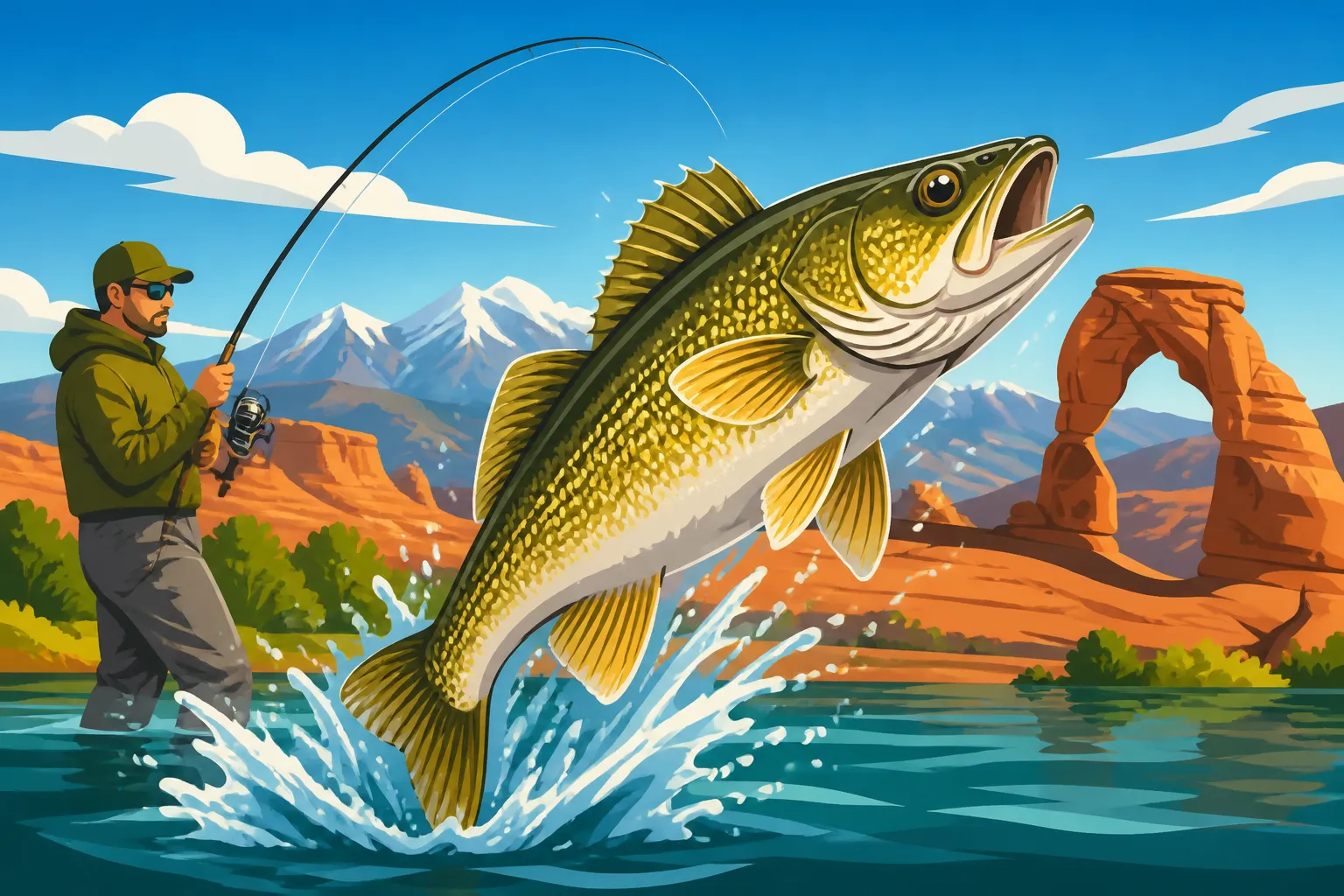
When you pull a walleye out of the water, you'll immediately notice their distinctive features. They typically have a long, slender body, often olive-brown to golden-yellow on their sides, fading to a creamy white belly. One of the most reliable identification marks is the milky white tip on the lower lobe of their tail fin. You'll also see sharp, canine-like teeth, so always be careful when handling them! Their dorsal fin has a spiny, sharp section followed by a softer, rayed section, and they have those prominent, light-sensitive eyes.
It’s easy to confuse a walleye with its close cousin, the sauger, or even a yellow perch to the untrained eye, especially since they can inhabit similar waters. However, sauger typically have distinct dark spots on their dorsal fin membranes, which walleye lack, and lack the prominent white tip on the tail. Understanding these visual cues is not just for bragging rights; it's essential for adhering to regulations, especially if slot limits or size restrictions are in place. Being able to correctly identify your catch quickly ensures you're playing by the rules and protecting the fishery. You can delve deeper into Walleye Identification and Size in Utah to hone your recognition skills.
Where Walleye Thrive in Utah: Prime Habitats
While not widespread across all of Utah's diverse fisheries, walleye have established strongholds in a few key reservoirs. These are typically large, turbid, or deep impoundments that offer the cool, dark water and abundant forage that walleye prefer. They are often found lurking near submerged structures, drop-offs, humps, and points, especially those with rocky or gravel bottoms where they spawn. These areas provide both ambush points for feeding and protection from bright sunlight.
For walleye, clarity isn't always king; in fact, they often prefer water with a bit of a stain or chop, which helps conceal them from their prey and makes them less vulnerable to predators like osprey or eagles. This preference for lower light conditions is why you often hear about walleye being caught more actively during dawn, dusk, or even at night. Understanding these habitat preferences is crucial for narrowing down your search, whether you're scanning with electronics or simply looking at a bathymetric map of a new lake. They are masters of using their environment to their advantage, and smart anglers learn to do the same.
The History and Impact of Walleye in Utah Waters
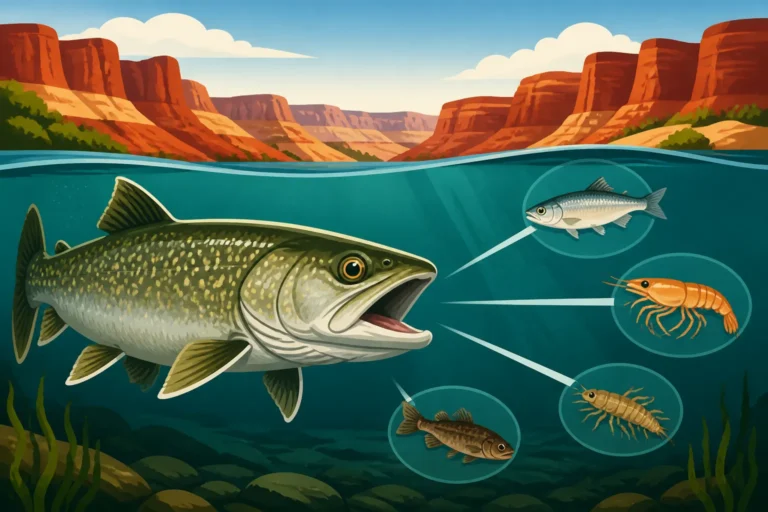
The introduction of walleye to Utah was primarily an effort to diversify sportfishing opportunities and, in some cases, to help control undesirable fish populations. They were initially stocked in various reservoirs with the hope that they would establish self-sustaining populations, and in a few key locations, these efforts paid off handsomely. However, like any introduced species, their presence has had a ripple effect on the ecosystem. Walleye are voracious predators, and where they thrive, they can significantly impact prey species like yellow perch, shiners, and even smaller trout.
Their impact is a double-edged sword: they provide a fantastic sport fishery, bringing economic benefits to local communities through tourism and gear sales, but they also require careful management to prevent them from over-predating native or other desirable species. The Utah Division of Wildlife Resources (DWR) constantly monitors walleye populations and implements specific regulations, such as bag limits and slot limits, to maintain a healthy balance in these ecosystems. It's a testament to good fishery management that we can enjoy robust walleye fishing without significant detriment to the overall health of the waters.
Top Utah Walleye Fishing Hotspots
When it comes to targeting walleye in Utah, a few names consistently rise to the top of the list. These reservoirs offer the ideal combination of habitat, forage, and management to support thriving walleye populations. Each spot has its own unique characteristics and challenges, making them exciting destinations for any angler keen on catching these prized game fish.
Utah Lake: The Walleye Powerhouse
Utah Lake is, without a doubt, the state's premier walleye fishery. This vast, shallow, and often turbid lake provides ideal conditions for walleye to grow large and numerous. The lake's abundant forage base, including carp and white bass, fuels their growth, making it possible to catch truly impressive specimens. What makes Utah Lake particularly special is its accessibility for both boat and shore anglers, though a boat certainly opens up more opportunities.
Fishing Utah Lake effectively often means embracing the lake's unique characteristics. Its shallowness means wind can play a huge factor, churning up the water and affecting clarity. Walleye here often relate to the gradual contours, submerged weed beds (when present), and rocky outcroppings. The lake's vastness can be intimidating, but by focusing on known structures like the Provo Boat Harbor area, Goshen Bay, or Lincoln Beach, you can narrow your search. Anglers frequently have success targeting Where to Catch Walleye at Utah Lake during various times of the year, particularly during the spawn.
Willard Bay Reservoir: Another Walleye Gem
Nestled in northern Utah, Willard Bay Reservoir is another fantastic destination for walleye enthusiasts. Unlike the natural basin of Utah Lake, Willard Bay is an off-stream reservoir, filled with water from the Bear River. It's generally clearer than Utah Lake, especially in certain sections, but still offers excellent walleye habitat. The walleye here are known for their strong fighting ability and can reach impressive sizes, making it a popular spot for those looking for a different kind of walleye challenge.
Willard Bay offers distinct fishing opportunities, with varying depths and structures. The dikes that form the reservoir provide long stretches of shoreline access, but boaters can access deeper channels and submerged features that hold fish. Walleye in Willard Bay often relate to the dikes themselves, as well as underwater humps and drop-offs. Trolling crankbaits along these features is a very popular and effective method. Its northern location also means it can freeze over reliably in winter, offering excellent Utah Ice Fishing Guide opportunities for walleye through the ice.
Other Promising Walleye Waters
While Utah Lake and Willard Bay are the superstars, a few other waters in Utah occasionally offer walleye fishing opportunities, though perhaps not with the same consistency or numbers. These might include waters that have had experimental stockings or those where walleye are present in smaller, more localized populations. Always check the current fishing proclamations before heading out, as regulations and species presence can change. These secondary waters can sometimes provide pleasant surprises for anglers willing to explore.
For example, occasionally walleye are reported in other reservoirs, but their populations may not be self-sustaining or as robust. This can make them more of a "bonus" catch than a primary target. Nevertheless, for the adventurous angler, exploring these less-known spots can sometimes yield a rewarding day, perhaps even leading to a personal best if you hit it just right. The key is always to be informed about the specific water you are visiting and adjust your expectations accordingly.
Essential Gear for Utah Walleye Fishing
Having the right gear is paramount when targeting walleye. These fish are often subtle biters and require a sensitive touch, yet they can be powerful fighters once hooked. Equipping yourself with appropriate rods, reels, lines, and lures designed for walleye fishing will dramatically increase your chances of success. Don't skimp on quality where it counts, as the difference often lies in the details.
Rods, Reels, and Line Selection
For walleye, a sensitive rod is your best friend. A medium-light to medium power spinning rod, typically 6'6" to 7'6" in length, with a fast or extra-fast action, is ideal. This allows you to feel those delicate "taps" or the slight weight change that indicates a walleye has taken your bait, while still having enough backbone to set the hook firmly through their bony mouths. You can find a fantastic selection of these rods on platforms like Amazon, offering options for every budget and preference.
Pair your sensitive rod with a high-quality spinning reel in the 2000-3000 size range. A smooth drag system is crucial for fighting larger walleye, and a good retrieve ratio will help you manage slack line quickly. For line, many walleye anglers prefer fluorocarbon or a braided line with a fluorocarbon leader. Braided line offers superior sensitivity and casting distance, while a fluorocarbon leader (6-10 lb test is common) provides invisibility in the water and abrasion resistance against those sharp walleye teeth. You can read more about Best Fishing Line for Utah Trout for general line principles that also apply to walleye with slight modifications for breaking strength.
Lures and Bait That Walleye Can't Resist
Walleye are opportunistic predators, and their diet can vary, but certain lures and baits consistently prove effective. Live bait, particularly nightcrawlers, leeches, and minnows (where legal), is often a top choice, presented on a simple snell rig, jig, or under a bobber. The natural scent and action are hard for a walleye to ignore. When using live bait, remember that fresh, lively bait makes all the difference.
For artificials, jigs are king for walleye. Jigs tipped with soft plastics, grubs, or paddle tails in various colors (chartreuse, white, perch, or dark patterns) can mimic a wide range of forage. Blade baits, spoons, and rattle baits are also excellent choices, especially when jigged vertically. Crankbaits are another walleye staple, particularly for trolling. Shallow-diving models work well over weed flats, while deeper divers can probe breaklines. Colors often mimic perch, shiners, or crawfish. You can fill your tackle box with these essentials by checking out Best Lures for a Utah Tackle Box.
| Lure Type | Best Use Case | Ideal Conditions | Common Colors/Patterns |
|---|---|---|---|
| Jigs | Vertical jigging, casting, tipping with bait | All conditions, especially light bites | Chartreuse, White, Perch, Black |
| Crankbaits | Trolling, covering water, shallow to deep | Active fish, open water, various depths | Perch, Shad, Firetiger, Crawfish |
| Blade Baits | Vertical jigging, ripping, colder water | Deep water, ice fishing, lethargic fish | Silver, Gold, Firetiger, Perch |
| Swimbaits | Casting & retrieving, mimicking baitfish | Active fish, clear to stained water | Shad, White, Green Pumpkin |
| Live Bait (Worms, Minnows, Leeches) | Slow presentations, picky fish | All conditions, often best for tough bites | Natural |
Electronics and Accessories for Walleye Success
In a state like Utah, where many walleye waters are large and featureless, electronics become an invaluable tool. A good fish finder with sonar and GPS capabilities can help you identify structure, mark baitfish schools, and even pinpoint individual walleye. Down-imaging and side-imaging technologies take this a step further, providing incredibly detailed views of the underwater world. Understanding How to Read a Fish Finder for Utah Reservoirs is a skill worth developing.
Beyond the main electronics, a few other accessories can make your walleye fishing trip more productive. A high-quality landing net with a rubberized mesh helps protect the fish and prevent hooks from getting tangled. Pliers or forceps are essential for hook removal, especially with those sharp walleye teeth. And don't forget a good cooler with ice to keep your catch fresh if you plan on bringing some home for dinner! Many of these vital accessories can be easily found on Amazon, making preparation convenient.
Proven Walleye Fishing Techniques for Utah Waters
Walleye are not always the easiest fish to catch, which is part of their allure. They often require precise presentations and a strategic approach. Over the years, anglers have developed and refined several highly effective techniques that consistently produce walleye in Utah's challenging waters. Mastering these methods will significantly improve your catch rates.
Trolling: Covering Water Effectively
Trolling is perhaps one of the most popular and effective methods for catching walleye in large reservoirs like Utah Lake and Willard Bay. It allows you to cover vast amounts of water, presenting your lure to numerous fish until you find an active school or a productive depth. The key to successful trolling lies in finding the right speed, depth, and lure presentation. You'll typically be using crankbaits or spinner rigs tipped with live bait or soft plastics.
When trolling, pay close attention to your boat speed, usually between 1.0 and 2.5 miles per hour, adjusting it until you find what the fish prefer on a given day. Depth control is critical; use line counter reels, lead core line, or even downriggers to ensure your lure is running right where the walleye are holding. Experiment with different lure colors and sizes until you hit on a pattern. Often, subtle changes, like speeding up or slowing down slightly, can trigger strikes. This methodical approach is excellent for prospecting new areas and understanding how fish are relating to the structure.
Jigging: The Vertical Approach
Jigging is another incredibly versatile and effective technique, particularly when walleye are concentrated in specific areas, relating to distinct structures like humps, rock piles, or deep breaklines. It's also a go-to method for ice fishing. Vertical jigging directly over fish marked on your sonar allows for a precise presentation. Depending on the conditions, you might use traditional lead jigs, blade baits, or even spoons.
The action of your jig is crucial. Some days, walleye prefer a subtle lift-and-drop, barely moving the bait. Other times, a more aggressive rip-jigging motion can trigger a reaction strike. Tipping your jig with a small piece of nightcrawler, a minnow head, or a plastic grub can add scent and appeal. How to jig a walleye bait is a skill that takes practice, but once you get the feel for it, it can be incredibly productive, especially during colder water periods when fish are less willing to chase. This method is also highly effective when fishing from shore in certain spots where deep water is accessible close to the bank.
Shore Fishing and Still Fishing Tactics
While boat fishing often dominates the walleye narrative, don't discount the possibilities for shore anglers, particularly on large bodies of water like Utah Lake and Willard Bay, which offer extensive public access points. Shore fishing for walleye might require a bit more patience and strategic timing, but it can be very rewarding. Focusing on areas where deep water is accessible from shore, or where known structures extend near the bank, can be highly productive.
Still fishing with live bait is a classic and effective shore-based technique. A slip bobber rig with a nightcrawler or minnow can suspend your bait at a specific depth, allowing it to drift naturally with current or wind. Bottom bouncing rigs, such as a Carolina rig with a walking sinker, can also be cast from shore to present bait along the bottom, mimicking a crawling crawfish or a stunned minnow. Early morning, late evening, and night are often the best times for shore anglers to target walleye, as these fish move shallower under low-light conditions to feed. Exploring best shore fishing spots at Utah Lake might give you an edge in finding those key access points.
Seasonal Strategies for Utah Walleye
Walleye behavior is heavily influenced by the changing seasons and water temperatures. What works in spring won't necessarily be effective in summer, and vice-versa. Understanding these seasonal shifts in their patterns is critical for consistent success, allowing you to adapt your techniques, locations, and presentations throughout the year.
Spring Walleye: Spawning and Post-Spawn Bites
Spring is a prime time for walleye fishing, often considered one of the most productive seasons, especially around the spawn. As water temperatures rise into the 40s and 50s Fahrenheit, walleye move to shallow, rocky, or gravelly areas to spawn. This pre-spawn period sees them actively feeding to build energy reserves, making them vulnerable to anglers. This is often when some of the biggest fish of the year are caught.
During the actual spawn, walleye can become focused purely on reproduction and may be less interested in feeding, making for a challenging bite. However, immediately after the spawn, as they recover, they enter a post-spawn feeding frenzy to regain lost energy. This is often characterized by a strong bite in slightly deeper water adjacent to spawning grounds. Jigs tipped with soft plastics or live bait, slowly retrieved crankbaits, or even vertical jigging can be highly effective during these periods. Keep an eye on local regulations, as some waters might have specific rules around spawning seasons.
Summer Walleye: Deep Water and Night Tactics
As summer progresses and water temperatures climb, walleye typically move to deeper, cooler sections of the reservoir. They'll seek out thermal refuges near the thermocline, often suspending over deep water or relating to sunken islands, humps, and steep drop-offs. Locating these fish usually requires a good fish finder and a willingness to explore deeper contours.
Daytime summer walleye often require deep-water trolling with crankbaits or bottom-bouncers with spinner rigs. However, summer is also the absolute best time for How to Catch Walleye at Night. As the sun sets and temperatures cool, walleye will often push shallower onto flats, points, and even shorelines to feed under the cover of darkness. This can create incredible opportunities for casting crankbaits, swimbaits, or even still fishing with live bait from boat or shore. This is a tactic that many dedicated walleye anglers swear by, as the bite can be incredibly aggressive once the sun is down.
Fall Walleye: Feeding Frenzies Before Winter
Fall is another fantastic season for walleye fishing in Utah. As water temperatures begin to drop, walleye become increasingly active, embarking on a serious feeding binge to build up fat reserves for the lean winter months. They will often move back shallower than in mid-summer, relating to traditional structures like points, main lake flats, and drop-offs. This can be one of the best times to catch both numbers and trophy-sized fish.
During fall, walleye can be found almost anywhere—from shallow weeds to deep humps—making it important to cover water and experiment. Trolling crankbaits, casting jigs with plastics, and even using slip bobbers with live bait can all be highly effective. The key is to find the forage; where the baitfish are congregating, the walleye won't be far behind. This is a period of high activity, and anglers who spend time on the water often reap significant rewards. You can learn more about the broader seasonal patterns in Best Time of Year to Fish in Utah.
Winter Walleye: Ice Fishing Opportunities
For those brave enough to embrace the cold, winter offers unique walleye fishing opportunities through the ice, particularly at Willard Bay when conditions allow. Once the ice is safely thick enough, walleye can be targeted by vertical jigging or setting tip-ups. Their metabolism slows down in colder water, so presentations often need to be more subtle and patient.
Ice fishing for walleye typically involves finding structure under the ice, such as submerged humps, points, or deep basins where they might school. Using an ice auger to cut multiple holes and then checking them with a fish finder can help you locate active fish. Small jigs, blade baits, and spoons tipped with a minnow head or grub are popular choices. Tip-ups set with live minnows are also very effective, as they allow you to cover more area and present bait passively while you jig another hole. Always prioritize safety when ice fishing, ensuring the ice is thick enough and telling someone your plans.
Navigating Utah Walleye Regulations and Conservation
Fishing for walleye in Utah, like any other species, comes with a set of regulations designed to maintain healthy fish populations and ensure sustainable fishing for future generations. Understanding and adhering to these rules isn't just about avoiding penalties; it's about being a responsible steward of our natural resources.
Daily Bag and Possession Limits
Utah's fishing regulations include specific daily bag and possession limits for walleye, which can vary by waterbody. A daily bag limit refers to the maximum number of fish of a particular species you can keep in a 24-hour period, from midnight to midnight. The possession limit is the total number of fish you can have on hand, whether in your cooler, at your campsite, or at home. These limits are crucial for preventing overharvest and ensuring enough walleye remain to reproduce and sustain the fishery.
It's vital to check the current Utah Fishing Guidebook before each outing, as these regulations are subject to change. For instance, sometimes certain lakes will have more liberal limits if walleye populations are thriving, or more restrictive ones if management goals require it. Failure to comply with these limits can result in significant fines and even loss of fishing privileges. Being informed is the first step in being a responsible angler. For specific rules regarding walleye, look for details on Utah Walleye Harvest Rules.
Understanding Slot Limits and Why They Matter
Beyond simple daily and possession limits, some Utah waters may implement "slot limits" for walleye. A slot limit means that fish within a certain size range (the "slot") must be immediately released, while fish smaller or larger than the slot may be kept. For example, a regulation might state "no walleye between 18 and 24 inches may be kept." The purpose of slot limits is usually to protect the breeding-size fish within that slot, allowing them to contribute to future generations, while encouraging harvest of smaller, more numerous fish, or larger, older fish that may be past their prime breeding years or are predators on other desirable species.
When a slot limit is in place, it becomes even more critical to handle fish carefully for release. Have a tape measure or ruler handy to quickly determine if your catch falls within the protected slot. Minimize handling time, use wet hands, and if possible, use a de-hooking tool to remove hooks without excessive stress to the fish. Understanding these nuances helps preserve the quality of the walleye fishery for everyone.
Conservation Efforts and Your Role as an Angler
The health of Utah's walleye fisheries is a shared responsibility. The Utah Division of Wildlife Resources actively manages these populations through stocking programs, habitat improvements, and, of course, setting regulations. However, anglers also play a crucial role in conservation. Beyond following the rules, practicing ethical angling helps ensure healthy fish populations for years to come.
This includes proper catch-and-release techniques for fish you don't intend to keep or those that fall within a slot limit. Avoid unnecessarily stressing fish, especially in warmer water. Consider using barbless hooks to make hook removal easier. Participate in angler surveys if requested, as your feedback provides valuable data for fishery managers. By being mindful of your impact and advocating for responsible fishing practices, you contribute directly to the vibrant future of walleye fishing in Utah.
Advanced Tips for Consistently Catching Utah Walleye
Once you've got the basics down, it's time to refine your approach. Walleye are often called the "fish of a thousand casts" for a reason, but by paying attention to subtle details and employing advanced strategies, you can significantly increase your consistency and even target those elusive trophy fish.
Reading the Water and Weather Patterns
Becoming a truly successful walleye angler means learning to read the water and understand how weather patterns influence fish behavior. Walleye are highly sensitive to changes in light, temperature, and pressure. Overcast days, early mornings, late evenings, and even stormy conditions can often trigger aggressive feeding binges due to reduced light penetration. Bright, sunny days often push them deeper or into heavy cover.
Pay attention to wind. A consistent breeze creating a chop on the water can activate walleye, as it breaks up light and stirs up baitfish. Walleye will often position themselves on the windy side of structures, waiting to ambush disoriented prey. Similarly, understanding the subtle currents in a reservoir can help you predict where baitfish will congregate and, consequently, where walleye will be lurking. Combining weather observations with knowledge of structure and depth will give you a significant advantage.
Night Fishing for Walleye: A Unique Challenge
We touched on it earlier, but night fishing for walleye deserves its own spotlight. It's not just a summer tactic; walleye often feed aggressively after dark year-round, especially in clearer waters or under full moons. Their large, light-sensitive eyes give them a distinct advantage over their prey when visibility is low. This also makes them less wary of anglers and boats.
When night fishing, safety is paramount. Have proper lighting, both on your boat and for your personal use. Use glow-in-the-dark lures or those with rattles to attract attention. Fishing shallower flats, points, and humps adjacent to deep water is often productive. Cast crankbaits that have a good thumping action, or slowly retrieve jigs with scented plastics. The bite can be incredibly subtle in the dark, so feel for any unusual weight or resistance. A headlamp (preferably with a red light setting to preserve night vision) is an absolute must, and you can find many reliable options, often available through Amazon, that are perfect for this task.
Filleting and Preparing Your Walleye Catch
After a successful day of walleye fishing, the reward isn't just the fight—it's the delicious meal that follows. Walleye are renowned for their delicate, flaky, white flesh and mild flavor, making them one of the most sought-after table fish. Proper filleting and preparation ensure you get the most out of your catch.
Start with a sharp fillet knife and a clean cutting surface. The "five-cut method" is popular for walleye, allowing you to remove the fillet cleanly from the backbone and ribs. Once filleted, skin the fish by laying the fillet skin-side down, making a small cut at the tail, and then gripping the skin while running the knife at a shallow angle towards the head. Rinse the fillets in cold water, pat them dry, and they're ready for your favorite recipe. Whether pan-fried, baked, or broiled, fresh Utah walleye is a culinary treat that makes all the effort worthwhile. For more advanced tips on handling your catch, look into How to Fillet a Trout After Keeping Your Limit as many of the principles apply to walleye.
Disclaimer
This article is for general informational purposes only and does not constitute professional advice. Laws, prices and regulations vary by location and change over time. Consult a qualified professional for guidance on your specific situation.