Best Fishing Spots Near Moab
Navigating the incredible landscape of Moab, you’re likely drawn to its iconic red rock formations, mountain biking trails, and stunning hikes. But for many of us, the call of the water, the quiet thrill of a tight line, is just as strong. The challenge? Finding truly productive fishing spots amidst all that desert beauty can feel a bit like searching for a needle in a haystack. This guide is here to cut through the noise, offering an in-depth look at the best fishing spots near Moab, complete with insights on what to catch and how to make the most of your angling adventure.
The Unique Angling Landscape Around Moab
It's easy to assume that a region synonymous with arid deserts and massive rock formations wouldn't offer much in the way of fishing. And truth be told, Moab isn't exactly a high-mountain trout haven like some other parts of Utah. However, to overlook its fishing potential would be a mistake. The area presents a unique blend of warm-water fisheries and surprising cold-water opportunities, especially if you're willing to venture a little off the main highway.
Dispelling the Myth: Moab Isn't Just Red Rock
While the towering cliffs and vast canyons are undeniably the star attraction, Moab is also bisected by the mighty Colorado River, a lifeline that sustains a diverse ecosystem. This river, along with several smaller reservoirs and community ponds, creates angling opportunities that might surprise first-time visitors. You won't find endless miles of pristine, wadeable trout streams right at your doorstep, but you will find places where you can cast a line, enjoy the stunning scenery, and often catch some decent fish. It’s a different kind of fishing, one that often requires adaptability and an appreciation for the rugged beauty of the desert.
Many anglers who come to Moab are often prepared for fly fishing for trout in crystal-clear mountain streams, and they might be initially disappointed by the often-turbid waters of the Colorado. However, embracing the local species and conditions can lead to incredibly rewarding experiences. Think less delicate dry-fly presentations and more robust gear for hard-fighting catfish and bass.
Understanding Water Conditions and Seasons
The success of your fishing trip near Moab will heavily depend on understanding the local water conditions and seasonal patterns. The desert climate means drastic temperature swings and highly variable water levels, particularly in the Colorado River.
The Colorado River can be a fickle beast. During spring runoff, typically from April through early June, the river swells with snowmelt, often turning a silty brown color and making fishing extremely challenging due. This is when the water is cold, fast, and visibility is minimal, pushing fish to quieter backwaters or making them less active. As summer progresses and water levels drop, the clarity often improves, though it can still carry a significant sediment load. By late summer and fall, the river can become quite pleasant, with warmer water favoring species like catfish and smallmouth bass. Winter fishing on the Colorado can also be productive during milder periods, targeting species that tolerate colder water.
For stillwater options like Ken's Lake or the higher-elevation Dark Canyon Lake and Monticello Lake, seasonal changes also dictate fishing success. Spring and fall are generally prime for trout fishing when water temperatures are cooler and fish are more active. In the intense heat of summer, trout often retreat to deeper, cooler water, making them harder to find from shore. Warm-water species like bass and bluegill, however, thrive in the summer heat, becoming more active during early mornings and late evenings. Always check the current fishing reports from the Utah Division of Wildlife Resources (DWR) or local tackle shops before heading out, as conditions can change rapidly.
Top Fishing Destinations Within Reach of Moab
While Moab is famed for its hiking and biking, you don't have to travel far to find some excellent fishing opportunities. These spots offer a variety of experiences, from family-friendly outings to more challenging pursuits for seasoned anglers.
Ken's Lake: A Local Gem for Trout and Bass
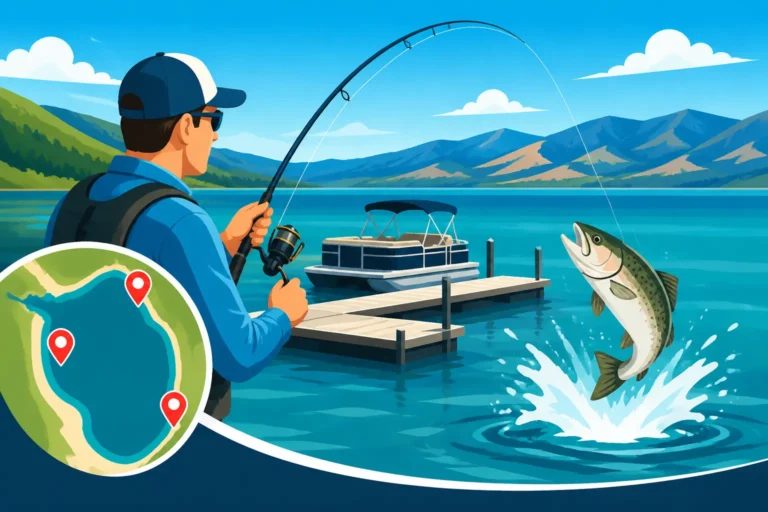
Located just 10 miles south of Moab, Ken's Lake is a delightful surprise amidst the desert landscape. This man-made reservoir is a popular spot for locals and visitors alike, offering relatively easy access and a good chance of catching fish. The lake is regularly stocked with rainbow trout by the DWR, making it a fantastic option, especially during the cooler months of spring and fall.
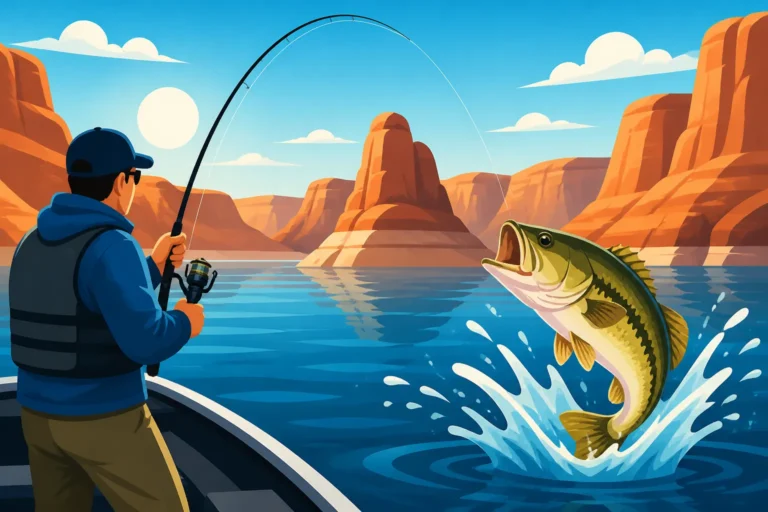
Beyond the stocked trout, Ken's Lake also supports healthy populations of largemouth bass, bluegill, and channel catfish. This diversity means there's something for everyone. For trout, common tactics include casting small spinners (like Mepps or Panther Martins), spoons, or still fishing with PowerBait or worms on the bottom. Many anglers find success using a slip bobber rig to suspend bait at various depths. If you're looking to catch some trout, be sure to check out our guide on How to Fish PowerBait for Stocked Trout.
For bass, target the weed lines, submerged structures, or rocky points with soft plastics, crankbaits, or topwater lures during low-light hours. Bluegill are often found near shallower vegetation and are easily caught with small jigs or pieces of worm. Catfish tend to prowl the bottom, especially in deeper areas, and respond well to stink baits, cut bait, or shrimp. Ken's Lake is also very friendly for small boats, kayaks, and float tubes, allowing anglers to explore more of the lake. Its accessibility and variety make it one of the Best Fishing Spots for Kids in Utah near Moab.
The Mighty Colorado River: A Different Kind of Challenge
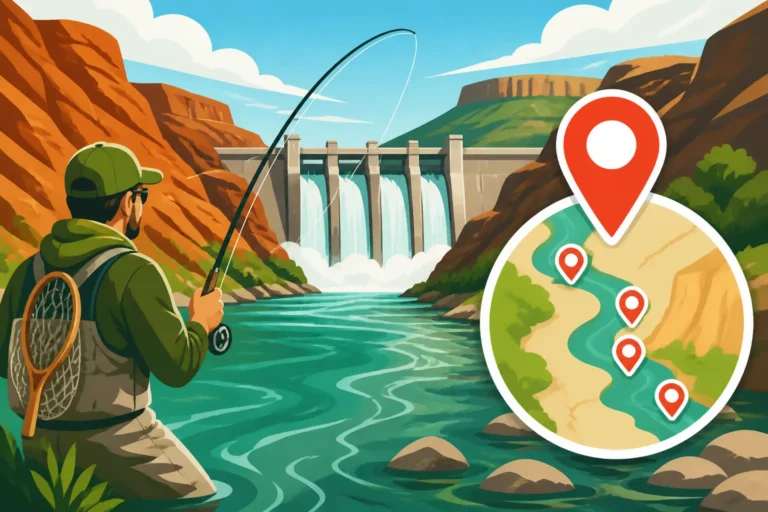
The Colorado River flows right past Moab, offering thousands of miles of moving water fishing. However, fishing this powerful river is a unique experience compared to typical trout streams. The section of the Colorado River near Moab is primarily a warm-water fishery, dominated by species that thrive in its often-murky, nutrient-rich waters.
Target Species and Techniques:
You're most likely to encounter channel catfish, which can grow to impressive sizes and put up a fantastic fight. These whiskered fighters are often found in deeper holes, eddies, and slower currents. The best baits for catfish here are typically stink baits, cut bait (like pieces of hot dog or sucker meat), or worms fished on the bottom with a heavy weight to combat the current. For more detailed insights, check out our Utah Catfish Guide.
Smallmouth bass are also present, particularly in rocky areas or around submerged structure where they can ambush prey. Look for them in calmer sections, side channels, or behind large rocks that break the current. Smallmouth respond well to crankbaits, spinnerbaits, jigs, and soft plastic presentations. Learning Utah Bass Fishing Techniques can greatly improve your success here.
You'll also find an abundance of common carp, another hard-fighting species that are often overlooked by anglers but offer a thrilling battle on light tackle. Carp can be caught on corn, dough balls, or worms. There are also a fair number of non-native species like northern pike in some sections further up or downstream. If you encounter a northern pike in the Colorado or other invasive species in Utah, remember that in certain waters, there are mandatory kill regulations. Always consult the current regulations for specific water bodies.
Access to the Colorado River near Moab is plentiful, with various boat ramps and shore fishing opportunities along Highway 128 (the scenic byway) and downstream from town. Be aware of private land and respect signage.
High-Country Retreats: Dark Canyon Lake and Monticello Lake
For those craving a more traditional trout fishing experience and willing to drive a bit, heading south into the higher elevations offers a welcome change. Dark Canyon Lake and Monticello Lake are two excellent options, typically providing cooler water temperatures and clearer conditions, especially during the warmer months when lowland fishing can slow down.
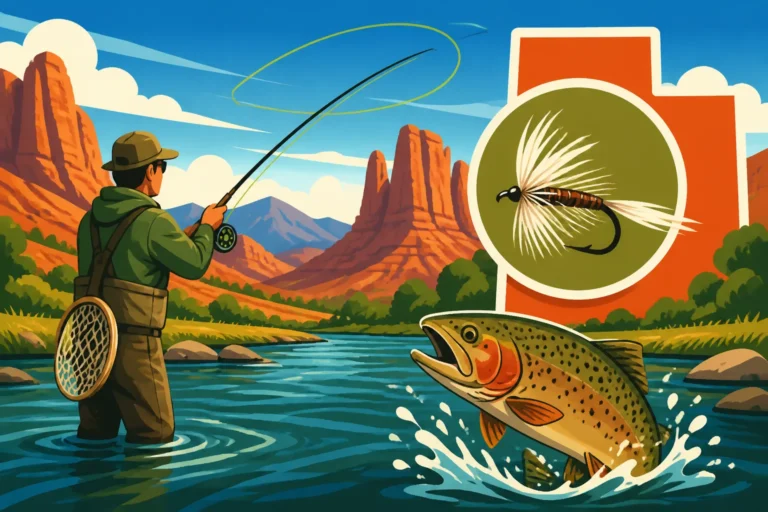
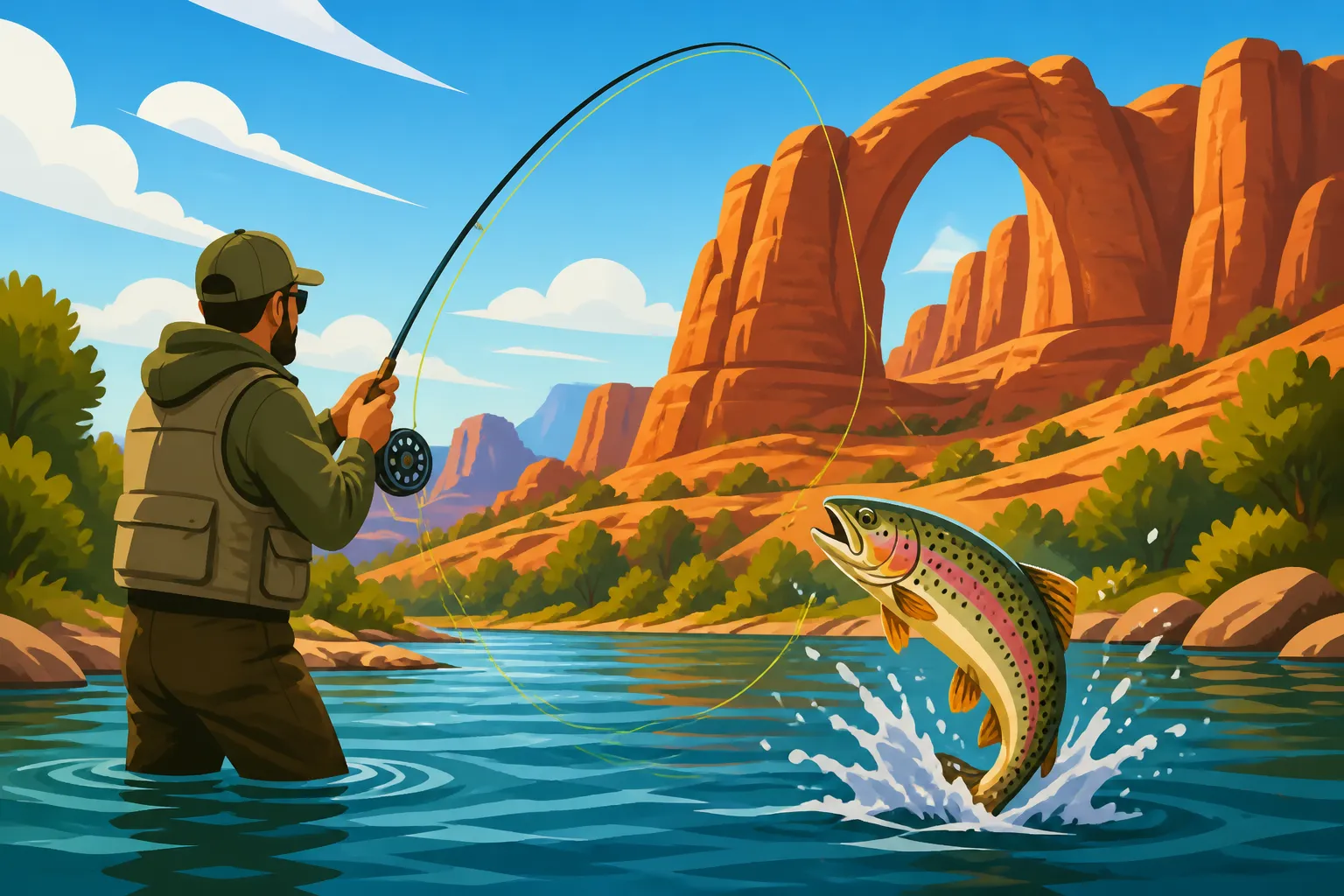
Dark Canyon Lake: This smaller, more secluded lake is located about an hour's drive south of Moab, near the town of Monticello, at an elevation of over 8,000 feet. The extra drive and elevation gain are well worth it, as Dark Canyon Lake offers stunning scenery and excellent trout fishing. It's often stocked with rainbow and cutthroat trout. Due to its smaller size and often limited boat access (it's best for kayaks, float tubes, or shore fishing), it feels more intimate. Fishing with small spinners, spoons, PowerBait, or worms is effective here. Fly anglers can also find success with traditional trout patterns like Woolly Buggers, nymphs, or dry flies during hatches. For general tips that apply to these high-elevation waters, refer to our Utah Trout Fishing Tips.
Monticello Lake: Also near the town of Monticello, this larger reservoir is another prime trout destination. It sits at a similar elevation to Dark Canyon, providing that crucial cooler water. Monticello Lake is managed for rainbow and cutthroat trout and offers more amenities, including a boat ramp suitable for larger fishing boats. Trolling with pop gear and a worm, small spoons, or Rapalas can be very effective for covering water and finding active trout. Shore anglers will do well with PowerBait, worms, or small casting spoons. Ice fishing can also be excellent here during the winter months, offering a unique experience against a snowy desert backdrop.
These lakes are a fantastic escape from the summer heat of Moab and provide a much different fishing experience. Just remember that the drive involves mountain roads, so plan accordingly for weather and road conditions, especially outside of summer.
Community Ponds: Lions Park Ponds for Quick Bites
Sometimes, you just want a quick, easy fishing fix, especially if you're traveling with kids or new anglers. The Lions Park Ponds, located right at the confluence of the Colorado River and Mill Creek in Moab, are perfect for this. These small, accessible ponds are part of the Utah DWR's Community Fisheries program and are regularly stocked with rainbow trout, particularly in the spring and fall.
These ponds offer paved walking paths, benches, and easy access, making them ideal for a family outing. Anglers can usually find success with simple setups: a bobber, a small hook, and bait like PowerBait, corn, or worms. Small spinners or jigs can also work. The fish here are typically eager biters, providing plenty of action for beginners. While not trophy waters, they offer a relaxing environment to enjoy some fishing without venturing far from town. These ponds are truly some of the Best Fishing Spots for Kids in Utah, offering instant gratification and a chance to introduce youngsters to the sport.
Essential Gear, Tactics, and Planning Your Trip
Embarking on a fishing adventure near Moab requires a bit of preparation to ensure success and enjoyment. The diverse range of water bodies means that a versatile approach to gear and a solid understanding of local regulations are key.
Recommended Gear for Moab's Varied Waters
Given the mix of warm-water rivers and cool-water lakes, a versatile fishing setup is your best bet.
- Rods and Reels: A medium-light to medium-action spinning rod, around 6 to 7 feet long, paired with a reliable spinning reel spooled with 6-10 lb monofilament or fluorocarbon line, will cover most situations. This setup is adaptable enough for casting lures for bass, still fishing for trout, or handling a feisty catfish. If you're targeting larger catfish in the Colorado, a heavier setup might be warranted, but for general purposes, versatility is key. Our comprehensive Utah Fishing Gear Guide has more detailed recommendations.
- Tackle Box Essentials:
- Baits: PowerBait (in various colors like rainbow, chartreuse, or garlic), worms (nightcrawlers), corn, and stink baits (for catfish) are all highly effective for different species.
- Lures: A selection of small inline spinners (Mepps, Panther Martin), spoons (Kastmasters, Dardevles), and jigs (small trout jigs, larger bass jigs). For bass on Ken's Lake, include some soft plastic worms or creature baits. For catfish, a few heavy bottom rigs with pyramid or egg sinkers are essential for holding bait in the current.
- Terminal Tackle: Hooks (sizes #6 to #12 for trout, #1/0 to #4/0 for catfish and bass), swivels, sinkers (split shot, egg sinkers, pyramid sinkers), and bobbers (slip bobbers are great for varying depth).
- Other Essentials: Sun protection (hat, sunglasses, sunscreen) is non-negotiable in the desert sun. A decent pair of pliers for hook removal, a small cooler to keep your catch fresh, and a basic first-aid kit are always good ideas. For those exploring more remote spots or hiking to Dark Canyon Lake, a sturdy backpack and plenty of water are vital.
Navigating Regulations and Licensing
Before you even think about wetting a line, it's absolutely crucial to have a valid Utah fishing license. The Utah Division of Wildlife Resources (DWR) enforces regulations strictly to protect the state's fisheries. Fishing without a license can result in significant fines and penalties.
- How to Get a License: You can easily purchase a Utah fishing license online through the DWR website, or in person at various DWR offices and authorized license agents (like sporting goods stores) throughout the state. For step-by-step instructions, our How to Buy a Utah Fishing License Online guide is a great resource.
- Understanding the Rules: Beyond the license, it’s vital to be familiar with the specific regulations for the waters you plan to fish. This includes daily bag and possession limits for different species, length restrictions, and any special bait or tackle restrictions. For instance, some waters might have specific trout limits or even mandatory kill orders for invasive species like northern pike. Our comprehensive Utah Fishing Regulations Explained delves into these details. Be aware of the Utah Fishing Season Dates and Limits for specific species, as these can vary.
- Aquatic Invasive Species (AIS): Utah has strict rules regarding aquatic invasive species, particularly quagga and zebra mussels. If you plan to use a boat (even a kayak or float tube) that has been in another water body, you might need to undergo an inspection or follow specific decontamination procedures. Always clean, drain, and dry your vessel.
Finding Guides and Local Expertise
While this guide provides a solid starting point, nothing beats real-time, local knowledge.
- Local Tackle Shops: Your first stop in Moab should be a local tackle or outdoor gear shop. These businesses are often run by passionate anglers who can provide up-to-the-minute information on what's biting, where, and with what. They can tell you about recent stocking reports, water clarity, and any specific quirks of the local fisheries. They're an invaluable resource for current conditions and insider tips.
- Hiring a Guide: If you're looking to maximize your time on the water, especially for specific species or to access more remote spots, considering a local guide can be invaluable. Guides possess specialized gear, local knowledge of seasonal patterns, and often access to prime fishing locations that can be hard to acquire on your own. Platforms like FishingBooker can help you connect with experienced, licensed guides who know the ins and outs of the Moab area's unique fisheries. Whether you're after robust catfish in the Colorado or finicky trout in a high-elevation lake, a guide found through services like FishingBooker can significantly enhance your experience, helping you pinpoint the most productive spots and improve your techniques. They handle the permits and logistics, allowing you to focus purely on fishing. Even for a casual day, checking out reviews of local guides on FishingBooker can give you a better sense of what's biting and what techniques are working.
Comparing Moab's Key Fishing Locations
To help you plan your angling adventure near Moab, here's a quick comparison of the top spots:
| Fishing Spot | Distance from Moab (approx.) | Primary Species | Best for | Access Type | Notes |
|---|---|---|---|---|---|
| Ken's Lake | 10 miles South | Rainbow Trout, Largemouth Bass, Catfish, Bluegill | Families, easy access, diverse fishing | Shore, Kayak, Float Tube, Small Boat | Regularly stocked, good year-round (seasonal species focus). |
| Colorado River | Right in Moab | Channel Catfish, Smallmouth Bass, Carp | Challenging, large river fishing, warm water | Shore, Boat, Raft | Conditions vary greatly with flow/runoff; best for robust gear and patient anglers. |
| Dark Canyon Lake | 60 miles South | Rainbow Trout, Cutthroat Trout | Seclusion, high-country trout, scenic | Shore, Kayak, Float Tube | Requires a drive to higher elevation, often cooler. More primitive access. |
| Monticello Lake | 55 miles South | Rainbow Trout, Cutthroat Trout | High-country trout, boat fishing | Shore, Boat | Larger than Dark Canyon, more amenities, popular for trolling. Good ice fishing in winter. |
| Lions Park Ponds | In Moab | Rainbow Trout, Bluegill | Kids, beginners, quick trips | Shore | Very easy access, paved paths, frequently stocked. |
Moab offers a genuinely unique fishing experience, blending the ruggedness of the desert with surprising pockets of aquatic life. It might not be the first place you think of for angling, but with the right approach and a bit of exploration, you can find some truly memorable moments on the water.
Disclaimer
The information provided in this guide is for general informational purposes only and is subject to change. Fishing regulations, season dates, and stocking schedules are determined by the Utah Division of Wildlife Resources (DWR) and can be updated without prior notice. Always consult the official Utah DWR website or obtain a current Utah Fishing Guidebook before planning your trip to ensure you are aware of and comply with all applicable rules and regulations. Local conditions, such as water levels, weather, and access, can also change rapidly. It is the angler's responsibility to stay informed and fish safely and ethically.