Lake Powell Fishing Guide
Lake Powell is a beast, isn't it? This massive reservoir, carved into the stunning red rock canyons of southern Utah and northern Arizona, often feels more like an inland sea than a lake. It's a place that can be incredibly intimidating for anglers, with its sheer size, ever-changing water levels, and remote access. But don't let that deter you! This guide is designed to cut through the confusion and equip you with the knowledge you need to tackle Lake Powell, land some fantastic fish, and create unforgettable memories on its truly epic waters.
Understanding Lake Powell's Unique Fishery
When you look at a map of Lake Powell, its dendritic, almost fractal shape is immediately apparent. This isn't your typical bowl-shaped reservoir; it's a labyrinth of canyons, coves, and main channels, stretching over 186 miles from Lees Ferry up into the Escalante and San Juan arms. Fishing here means understanding an ecosystem sculpted by fluctuating water levels and the rugged, arid landscape it inhabits. It's a place that demands respect and preparedness, but also promises some of the most dynamic fishing experiences you'll ever encounter.
The Massive Scale and Landscape
Lake Powell truly is a marvel of engineering and nature combined, offering over 1,900 miles of shoreline at full pool, which is more than the entire Pacific Coast of the United States. While water levels have seen fluctuations in recent years due to drought conditions, the sheer scale remains. You're dealing with depths that can plunge hundreds of feet, vast open stretches, and narrow, winding canyons that can go on for miles. This incredible diversity of habitat means fish can be anywhere, from shallow sun-drenched coves to deep, cool pockets within the canyon walls. The fluctuating water levels dramatically reshape the landscape, revealing and submerging structure like old trees, rock piles, and points that can become prime fishing real estate one year and be bone dry the next. It means that while classic spots remain, anglers need to constantly adapt and use their electronics to scout new submerged features. This constant change is both a challenge and an opportunity, keeping you on your toes and making every trip a unique adventure.
Navigating this colossal body of water requires more than just a map; it demands an understanding of its character. The vibrant red rock cliffs often create stark shadows, hiding fish and bait alike. The water clarity can vary wildly from canyon to canyon, and even cove to cove, influencing what lures and colors might work best. For instance, a clear main channel might call for natural baitfish patterns, while a tannin-stained side canyon might see fish respond better to brighter, more aggressive colors. Beyond the fishing, the remoteness of many arms and canyons means you must be self-sufficient. Fuel, water, and emergency supplies are paramount, as it can be a long journey back to the nearest marina. But it's precisely this wild, untamed nature that draws so many to Lake Powell, offering solitude and breathtaking beauty alongside incredible angling opportunities.
Dominant Fish Species
Lake Powell is primarily renowned for its robust populations of predatory fish, particularly the formidable striped bass, but it also offers excellent fishing for various other species. The lake's abundant forage base, primarily threadfin and gizzard shad, fuels the growth of these game fish, creating an exciting and dynamic food chain for anglers to tap into. Understanding what species thrive here and why is key to tailoring your approach and maximizing your success.
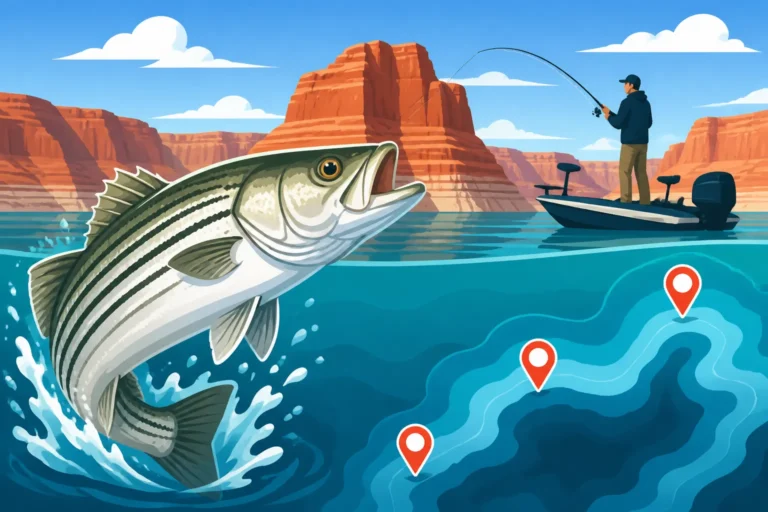
The undisputed king of Lake Powell is the Striped Bass. These powerful, schooling fish are famous for their aggressive feeding habits, often culminating in spectacular "boils" where thousands of stripers chase baitfish to the surface. Their presence shapes much of the fishing experience, as anglers often plan entire trips around targeting these hard-fighting fish. The sheer numbers and size that can be achieved make them a top draw. Beyond the stripers, Lake Powell boasts a fantastic Smallmouth Bass fishery. These bronze beauties thrive in the rocky, canyon environments, often found hugging cliff faces, points, and submerged rubble. They offer a different kind of fight – acrobatic and tenacious – and are a favorite for anglers who enjoy finesse techniques or throwing reaction baits. Largemouth Bass also call Lake Powell home, typically preferring the warmer, shallower, and often brushier coves and flats, though such habitats are less common due to the steep canyon walls and fluctuating water levels. When you find them, they're usually in areas with submerged brush or vegetation, patiently waiting to ambush prey.
Beyond the bass species, you'll also find a healthy population of Walleye, particularly in the upper reaches of the lake and in deeper, cooler main lake areas. These elusive, light-sensitive fish are highly prized for their delicious fillets and offer a rewarding challenge for those willing to put in the time. They are often found near structure or drop-offs, especially during low light conditions or at night. Lastly, you can encounter Black Crappie around submerged brush and structure, particularly in spring, and various species of Catfish (primarily Channel Catfish) in the warmer, slower-moving waters of the canyons and deeper coves, especially favoring cut bait or stink baits on the bottom. While these species might not receive as much fanfare as the stripers or bass, they provide excellent alternative targets and add to the diverse angling opportunities available across this vast reservoir.
Prime Fishing Seasons at Lake Powell
Fishing Lake Powell is a year-round affair, but the experience changes dramatically with each season. The desert climate dictates extreme temperatures, which in turn influence water temperatures and fish behavior. What works like a charm in spring might be utterly ineffective in the scorching summer, and vice versa. Understanding these seasonal shifts is crucial for planning your trip and packing the right gear and techniques.
Spring Fishing Success
Ah, spring at Lake Powell! It's a truly magical time when the lake starts to awaken from its winter slumber. As the air temperatures gradually warm, the water temperature begins to climb out of the frigid 40s and into the more comfortable 50s and 60s. This is the signal for a lot of the fish, particularly the bass, to become more active and start moving into shallower water, preparing for their annual spawn. You'll find that fish are less sluggish and more willing to chase down a meal. The days are usually sunny but not yet brutally hot, making for very pleasant conditions to be out on the water. Plus, you often see less boat traffic compared to the peak summer months, which means more elbow room and less competition for those prime fishing spots.
During the pre-spawn and spawn periods, typically from late March through May, the bass action can be phenomenal. Both largemouth and smallmouth will stage on points and ledges leading into shallow coves, eagerly feeding to build up energy for spawning. This is an excellent time to target them with spinnerbaits, crankbaits, jigs, and soft plastics. They're often found around submerged brush, rocky shelves, and sandy flats where they'll eventually build their nests. For stripers, spring often sees them starting to school more aggressively, especially as shad become more active in the warming water. While full-blown "boils" might be less common than in summer or fall, you can still find them chasing bait, particularly in the lower lake areas. Trolling with spoons or crankbaits or casting jigs can be very effective as they move out of their deeper winter haunts and spread throughout the lake. The trick is to follow the warming water and look for concentrations of baitfish, as the predators won't be far behind.
Summer's Challenging yet Rewarding Bites
Summer at Lake Powell is a double-edged sword: it brings the most famous fishing phenomenon, the "striper boils," but also presents intense heat that can make fishing a true test of endurance. From June through August, daytime temperatures can easily soar into the 90s and even over 100 degrees Fahrenheit, and the sun reflecting off the red rock and water can be relentless. This means you need to prioritize sun protection, hydration, and often adjust your fishing schedule to the cooler parts of the day, such as early mornings, late evenings, or even night fishing. However, if you can brave the heat, the rewards are immense, particularly for those targeting striped bass.
The summer months are synonymous with the legendary Lake Powell Striped Bass Spots where "boils" occur. These are spectacular events where massive schools of striped bass literally push schools of shad to the surface, creating a chaotic feeding frenzy. Spotting these boils, often indicated by diving birds, splashing water, and frantic baitfish, is an adrenaline rush unlike any other. Anglers race to the scene, casting topwater lures, spoons, or jigs directly into the melee for non-stop action. Beyond the boils, summer stripers can also be found deeper, suspended over structure or in the main channel, often requiring trolling or vertical jigging with heavy spoons. Bass fishing during summer typically means targeting them earlier in the morning or later in the evening, focusing on deeper points, shaded cliff walls, or submerged brush piles where they seek cooler water. Night fishing becomes a popular and highly effective strategy for both stripers and catfish. Under the cloak of darkness, the extreme heat subsides, and many species become more active, moving into shallower waters to feed. You can anchor up in a quiet cove, drop some cut bait for catfish, or cast glow-in-art lures for stripers, enjoying the tranquil beauty of the lake under a blanket of stars.
Fall's Feeding Frenzy
Just when you think the fishing couldn't get any better, fall arrives at Lake Powell, ushering in a period of intense feeding activity that can rival, or even surpass, the summer's best. From September through November, the air temperatures begin to cool down, making for much more comfortable fishing conditions during the day. This gradual cooling causes the water temperatures to drop as well, signaling to all the resident fish that it's time to fatten up for the leaner winter months ahead. This translates into aggressive bites and some of the most consistent action of the entire year. The cooler weather also means fewer recreational boaters, leaving the vast expanses of the lake more open for serious anglers.
Fall is arguably the Best Time of Year to Fish in Utah for trophy fish at Lake Powell, particularly for stripers and bass. The famous striper boils continue, often becoming even more widespread and longer-lasting as the shad populations are at their peak. You'll find large schools of stripers ravenously chasing bait, providing ample opportunities for explosive topwater action. Anglers can follow bird activity or use their electronics to locate these schools, often finding fish gorging themselves on shad in open water. But it's not just the stripers; both largemouth and smallmouth bass become incredibly active. They'll move back into shallower coves and onto points, aggressively feeding on crayfish and baitfish before retreating to their deeper winter haunts. This is a prime time for throwing crankbaits, spinnerbaits, jerkbaits, and various soft plastics along rocky banks and submerged structure. The transition from widespread, open-water feeding to more structure-oriented patterns is gradual, giving anglers a long window of opportunity to target active fish across multiple depths. Whether you're chasing the surface-crashing excitement of stripers or the hard-fighting tug of a bass, fall at Lake Powell truly delivers.
Winter's Tranquil Pursuit
While many anglers might put away their gear when winter descends, Lake Powell offers a unique and surprisingly productive fishing experience during the colder months, typically from December through February. The conditions shift dramatically – gone are the intense summer crowds and the scorching heat. In their place, you'll find a serene, almost desolate beauty, with crisp air, calm waters, and a quiet solitude that's hard to find during other seasons. The trade-off is often a slower bite and the need for specialized deep-water techniques, but the rewards can be substantial, including the chance to land some truly large, unpressured fish.
During winter, fish behavior is dictated by the colder water temperatures, which typically settle into the low to mid-40s. Most species, including stripers, walleye, and bass, will retreat to deeper water, often suspending over prominent structure like main lake points, submerged humps, or within the deep channels of the canyons. They become less active and their metabolism slows, meaning they won't chase baits as aggressively. This requires a more patient and precise approach, often focusing on vertical jigging with heavy spoons or soft plastics, or slow-trolling deep-diving crankbaits. Electronics become even more critical for locating these deep-holding schools of fish and presenting your lure directly to them. While the famous striper boils are largely absent, anglers can still find concentrated schools of stripers in the deeper parts of the lake. Similarly, walleye will often hold tight to structure in deep water, making vertical presentations with jigs and minnows effective. For bass, targeting rocky points and ledges in the main lake that drop into very deep water can produce surprisingly large fish, though bites will be subtle. The key to successful winter fishing is to slow down, fish patiently, and rely heavily on your fish finder to pinpoint concentrations of fish in their deep-water sanctuaries. It's a tranquil pursuit, often yielding fewer fish but sometimes bigger, more memorable catches.
Essential Techniques for Lake Powell Anglers
Lake Powell's diverse fishery and vast expanse demand a versatile approach. What works for a school of boiling stripers won't necessarily entice a deep-holding walleye, and a slow, patient approach for bass in a rocky cove is different from the high-octane thrill of a surface feeding frenzy. Having a variety of techniques in your arsenal and knowing when to deploy them is the hallmark of a successful Lake Powell angler.
Chasing Striped Bass Boils
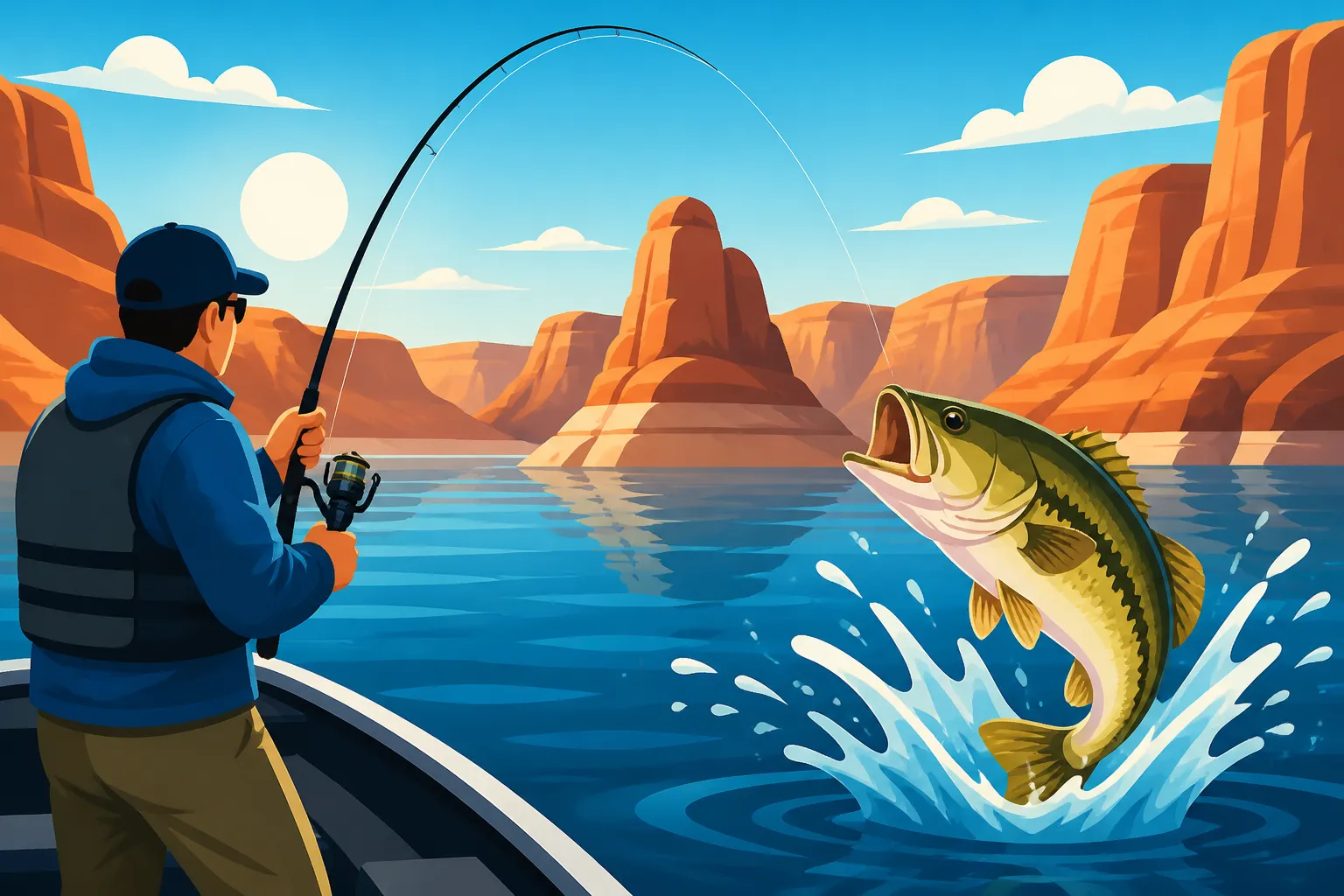
The "striper boil" is perhaps the most iconic and exhilarating fishing experience Lake Powell has to offer. Imagine hundreds, even thousands, of powerful striped bass erupting on the surface, pushing huge schools of shad into a frantic, splashing mass. Birds dive bomb, the water churns, and the air crackles with energy. It's an absolute adrenaline rush, and knowing how to capitalize on it is key to filling your cooler with these delicious, hard-fighting fish. A common question among anglers is, "When Do Striped Bass Boil on the Surface at Lake Powell?". Typically, this action heats up in the summer and fall months as the shad populations mature and water temperatures facilitate aggressive feeding.
Spotting a boil requires vigilance. Keep a keen eye on the horizon for bird activity, particularly seagulls or terns diving repeatedly – they're often the first indicators of a boil. Also, look for large areas of splashing and churning water. Once you spot one, the approach is crucial. You want to get there quickly but cautiously, avoiding running directly through the boil and spooking the fish. Approach upwind if possible, or from the side, cutting your engine a distance away and gliding in silently. The moment you're in casting range, it's a frantic free-for-all. Fast casting is essential. Topwater lures like poppers, chuggers, or walk-the-dog baits are incredibly effective, mimicking struggling baitfish. Spoons, especially chrome or white Kastmasters or jigging spoons, are also deadly, as are swimbaits and bucktail jigs. The idea is to present a lure that looks like an easy meal to these highly agitated, competitive feeders. Once hooked, stripers fight hard, often making powerful runs, so be prepared with medium-heavy spinning or casting gear and stout line. The action can last for minutes or over an hour, moving across the surface, so be ready to follow the school if it shifts. Remember, this is a race against time and a test of your casting arm, but the reward is unforgettable action and often a cooler full of fish. To help you find these hot zones, we also have detailed information on "How to Find Shad Boils at Lake Powell", which is often where the stripers will be concentrated.
Bass Fishing Strategies Largemouth & Smallmouth
While stripers often steal the spotlight, Lake Powell offers world-class bass fishing for both smallmouth and largemouth, each requiring slightly different approaches due to their preferred habitats. Smallmouth bass thrive in the rocky, canyon environments, making them much more prevalent across most of the lake. Largemouth, on the other hand, tend to be found in more isolated, brushier coves with slower water. Understanding these nuances is key to consistent success. For smallmouth, focus on rocky points, cliff faces, submerged humps, and rubble piles. These fish love structure and will ambush prey from crevices and ledges. "Best Coves for Bass at Lake Powell" will give you a head start on where to explore.
For smallmouth, versatile techniques are your best friend. In spring and fall, crankbaits that mimic crayfish or shad, spinnerbaits, and jerkbaits worked along rocky shorelines can be incredibly effective. As temperatures rise in summer, or when fish are pressured, switching to finesse techniques like drop shots with small worms or tubes, or Texas-rigged creature baits worked slowly along the bottom, often produces results. Topwater action for smallmouth can also be explosive in low light conditions. Largemouth bass will be tougher to find across the vastness of Powell, but when you do, they’ll typically be in areas with more cover like submerged trees or brush. Punching jigs or Texas-rigged plastics through thick cover, or throwing frogs and buzzbaits over sparse vegetation, can provoke aggressive strikes. Regardless of the species, always pay attention to the water level. Rising water can push fish shallow into newly inundated cover, while falling water often concentrates them on deeper break lines and channel edges. Using your fish finder to locate submerged structure, especially humps and points that drop into deep water, is absolutely vital for consistent bass success on Lake Powell.
Walleye and Crappie Tactics
Beyond the roaring stripers and acrobatic bass, Lake Powell also holds hidden gems for anglers seeking a different challenge: walleye and crappie. While not as universally distributed as the other species, targeting them can lead to excellent table fare and a rewarding change of pace. Walleye are particularly elusive in Lake Powell, known for their light-sensitive eyes and preference for deep, cooler water and structured environments. They tend to congregate around main lake points, submerged humps, and channel edges, particularly in the upper arms of the lake.
For walleye, the key is often patience and precise presentation. Trolling with deep-diving crankbaits (like those from Rapala or Bandit Baits) along contour lines and drop-offs can be highly effective, especially during low light conditions or at night. The vibrations and flash of these lures can draw strikes from otherwise lethargic fish. Vertical jigging with a spoon or a soft plastic tipped with a minnow can also be deadly when you mark walleye on your electronics, holding tight to structure. They often prefer a slow, methodical presentation, just barely lifting the bait off the bottom. Crappie, on the other hand, are typically found in shallower water than walleye, often suspending around submerged brush piles, standing timber (where available), or man-made structures like dock pilings, especially during the spring spawn. Small jigs, often tipped with a piece of minnow or scented soft plastic, are the go-to baits. A slip bobber rig allows you to present these baits at a precise depth above cover. Knowing where to find the underwater "trees" or brush, often visible on your sonar, is crucial for crappie success. Both walleye and crappie tend to bite best during low light conditions or at night, offering a fantastic opportunity for anglers to escape the daytime heat and enjoy the tranquility of Lake Powell after dark.
Top Fishing Spots and Access Points
Lake Powell is so vast that breaking it down into regions is essential for planning a successful trip. The sheer number of canyons, coves, and main channel areas means that fish patterns and hot spots can vary significantly depending on whether you're in the north or south, or deep within a winding arm. Knowing your destination and how to access it will greatly influence your strategy and potential success.
Northern Lake Powell Hotspots
The northern reaches of Lake Powell, stretching up towards the confluence of the Escalante and San Juan Rivers, offer a different kind of angling adventure compared to the more developed southern end. This area is generally wilder, more remote, and often less crowded, appealing to those seeking solitude and a true wilderness fishing experience. Access points like Bullfrog Bay and Hall's Crossing serve as major hubs, providing marinas, boat launches, and essential services, but once you leave these areas, you're truly on your own in a vast network of canyons.
Key hotspots in Northern Lake Powell include Good Hope Bay, known for its excellent bass fishing, particularly smallmouth around the abundant rocky structure. The numerous coves and points in this bay provide endless opportunities for casting jigs, crankbaits, or soft plastics. Further up, the Escalante Arm is a sprawling and intricate system of canyons that offers fantastic multi-species fishing. Stripers can often be found boiling in the wider sections, especially in late summer and fall, while bass hug the steep canyon walls. It's also an area where you might encounter walleye in the deeper channels. The San Juan Arm, extending far to the east, is another remote paradise. This area, particularly its upper reaches, can hold good numbers of walleye, crappie, and catfish, especially when the water levels are favorable. Fishing in these northern arms often requires a larger boat or a houseboat to cover the immense distances and stay out for multiple days, making it an ideal choice for a comprehensive fishing expedition. The remoteness also means fewer boat ramps and more limited services once you leave the main marina areas, so meticulous planning of fuel, food, and water is non-negotiable.
Southern Lake Powell Destinations
The southern end of Lake Powell, anchored by the bustling Wahweap Marina, is generally more accessible and often busier than its northern counterparts. This region is popular for day-trippers, recreational boaters, and anglers who prefer to stay closer to amenities. However, don't let the higher traffic fool you; the fishing here can be absolutely phenomenal, especially for striped bass, which tend to congregate in the larger, deeper bays and main channel areas. You'll find a wide range of services, from full-service marinas to restaurants and lodging, making it an easier entry point for many. For those interested in renting a houseboat to fully explore, there's comprehensive information on "Where to Rent a Boat for Fishing at Lake Powell".
Wahweap Bay itself, located right near the largest marina, offers surprisingly good fishing, particularly for bass around its numerous points and submerged structure. It's a great place to start your exploration. Just east of Wahweap lies Antelope Point, another significant marina with excellent access to prime fishing waters. From here, anglers can quickly reach areas like Padre Bay, one of the largest and deepest bays on the lake. Padre Bay is a legendary spot for striped bass, often producing massive boils in the summer and fall. The vast open water here means stripers have plenty of room to herd baitfish, leading to explosive surface action. Trolling with downriggers in the deeper parts of Padre Bay can also be very effective for targeting suspended stripers when they aren't on the surface. For detailed information on where to target these schooling fish, check out "Best Spots for Striped Bass at Lake Powell" and "Lake Powell Striped Bass Spots". The main channel leading out of Wahweap towards Glen Canyon Dam can also be a hotspot for deep-holding stripers and walleye, especially during the colder months when fish retreat to the warmest, most stable water. While the southern end might feel more developed, the fishing opportunities are just as immense and rewarding.
Exploring the Canyon Arms
The true magic and allure of Lake Powell lie within its intricate network of canyon arms. These aren't just mere coves; they are long, winding waterways, often miles deep, carved by ancient rivers. Exploring these arms is like entering a completely different world, with towering sandstone cliffs, hidden side canyons, and an ever-present sense of adventure. Fishing within these canyon arms presents unique challenges and rewards, requiring careful navigation and a keen eye for subtle structure. Each arm has its own character and can hold different concentrations of fish depending on the season, water levels, and baitfish availability.
Some of the most popular and productive canyon arms include Navajo Canyon, known for its excellent bass fishing, particularly smallmouth that cling to the steep, rocky walls and submerged shelves. It's a fantastic place to cast jerkbaits or work drop shot rigs. Antelope Canyon, while breathtaking for sightseeing, also offers fishing opportunities, particularly in its deeper sections for stripers and bass. As you venture further up the lake, arms like Iceberg Canyon, Lost Eden Canyon, and the various sections of the Escalante and San Juan arms open up even more possibilities. Fish often move into these arms as water temperatures warm, following the baitfish. Stripers might stage near the mouths of these canyons before moving deeper, and bass will set up ambushes along the numerous points and bends. The challenge often lies in finding the specific coves or points that are holding fish, as the sheer amount of similar-looking structure can be overwhelming. Using a detailed map or a good GPS unit with bathymetric charting is absolutely essential to identify productive depths and features. Anglers who take the time to explore these winding waterways often discover their own hidden gems, away from the main lake crowds, and experience some of the most spectacular fishing Lake Powell has to offer.
Lake Powell Gear and Boat Essentials
Tackling Lake Powell requires more than just a fishing rod and reel; it demands a comprehensive approach to gear, especially when considering the lake's vastness, its often-remote nature, and the intense conditions of the desert environment. Your setup needs to be robust, reliable, and capable of handling a variety of species and fishing situations. From the right tackle to crucial safety and navigation tools, being well-equipped can make the difference between a frustrating trip and an unforgettable one.
Recommended Rods, Reels, and Line
Choosing the right rods, reels, and line for Lake Powell fishing is paramount, as you'll be targeting powerful, hard-fighting fish in potentially challenging conditions. For the majority of your Lake Powell adventures, especially when chasing those notorious striped bass or the aggressive smallmouth, a versatile setup is key. Medium-heavy spinning or casting rods, typically in the 6'6" to 7'6" range, are excellent choices. These rods offer the backbone needed to cast heavier lures, set hooks firmly, and handle the strong runs of stripers, while still providing enough sensitivity for bass bites. Pair these with robust spinning reels (size 3000-5000) or baitcasting reels (with a good drag system and adequate line capacity) that can hold a decent amount of line.
When it comes to line, a good quality braided line in the 20-30 lb test range is a fantastic main line choice. It offers superior casting distance, sensitivity, and strength. Because of Lake Powell's often clear water and the presence of sharp rocks, tying a fluorocarbon leader (12-20 lb test) to your braid is highly recommended. Fluorocarbon is nearly invisible underwater and more abrasion-resistant, giving you an edge with wary fish and reducing break-offs. For lighter finesse techniques targeting bass, a medium-light or medium action rod with 8-12 lb fluorocarbon or monofilament might be more suitable. If you're planning to troll for deeper stripers or walleye, a dedicated trolling setup with line counters and heavier monofilament (e.g., 25 lb test) or wire line for downriggers will be necessary. Regardless of your specific target, always carry extra line, as the rocky environment and hard-fighting fish can take their toll.
Essential Lures and Baits
Lake Powell's diverse species and varied conditions mean that a well-stocked tackle box is essential. You'll need an arsenal of lures and baits that can cover everything from frantic surface boils to deep, subtle presentations. For striped bass, especially during those thrilling surface boils, topwater lures are a must-have. Think large poppers, walk-the-dog baits, and chuggers that create a lot of commotion. Chrome or white spoons (like Kastmasters or Hopkins Shorty spoons) in various weights are also incredibly effective, either cast into boils or vertically jigged for deeper fish. Swimbait imitations of shad are also deadly for stripers, whether cast or trolled. For deeper fish, heavy jigging spoons and bucktail jigs are proven producers. For those looking for more specific guidance on presentation, refer to "How to Rig Cut Bait for Striped Bass at Lake Powell" if you prefer bait fishing.
When targeting largemouth and smallmouth bass, a broader array of lures comes into play. For smallmouth around rocky structure, crankbaits (diving to various depths, in crayfish or shad patterns), jerkbaits, and spinnerbaits are highly effective, especially in spring and fall. Soft plastics, such as Senkos, creature baits, and worms, fished on Texas rigs, Carolina rigs, or drop shots, are staples for both species and often excel when the bite is tough. Jigs (football jigs, casting jigs) are also excellent for probing structure. Don't forget topwater baits for bass in low-light conditions! Walleye typically respond well to deep-diving crankbaits (trolled), jigs tipped with minnows or soft plastics (vertically jigged or cast), and bottom bouncers with crawler harnesses. Crappie are usually best caught on small jigs (1/32 to 1/8 oz) tipped with minnows or crappie tubes. Lastly, for catfish, traditional baits like cut bait (shad or anchovies), chicken livers, or stink baits fished on the bottom are often irresistible. A diverse selection ensures you're ready for whatever Lake Powell throws your way.
Navigational and Safety Equipment
Given the sheer scale, intricate geography, and often remote nature of Lake Powell, having the right navigational and safety equipment is not just a recommendation—it's an absolute necessity. The lake can be disorienting, with countless similar-looking canyons and coves, and weather can change rapidly. Your life, and the success of your trip, could depend on your preparedness. First and foremost, a reliable GPS unit with detailed nautical charts (like those offered by Navionics or Garmin) is non-negotiable. This isn't just for getting from point A to point B; it's crucial for identifying submerged humps, deep-water drop-offs, and other fish-holding structures that are invisible from the surface. A good fish finder (sonar) is equally important, allowing you to locate schools of baitfish and target species, assess depths, and identify hidden cover. Many modern units combine GPS and sonar capabilities, offering an all-in-one solution.
Beyond navigation, safety should always be your top priority. The desert environment means you're often far from help, and conditions can turn dangerous quickly. Required safety gear on any boat operating on Utah waters includes readily accessible life jackets for every person on board, a fire extinguisher, a sound-producing device (like a horn or whistle), and a bailing device (bucket or bilge pump). Given the potential for emergencies, a first-aid kit, extra water and food, and a VHF radio or satellite communication device (since cell service is spotty to non-existent in many areas) are highly recommended. Consider carrying spare props, basic repair tools, and enough fuel for your planned journey plus a reserve. If you're venturing far, especially into the northern arms, having a spotlight for night navigation is also crucial. For those who might be less experienced with boating on such a large body of water, or simply want to maximize their chances of success and safety, hiring a professional fishing guide is an excellent option. Services like FishingBooker can connect you with experienced, licensed guides who know Lake Powell intimately, have all the necessary safety gear, and can take you directly to the action while ensuring you return safely. This can be an invaluable investment for a stress-free and productive trip.
Navigating Lake Powell's Rules and Environmental Concerns
Fishing Lake Powell isn't just about catching fish; it's also about respecting the rules that govern this shared resource and doing your part to protect its delicate ecosystem. Given its unique status as an interstate body of water managed by multiple agencies (National Park Service, Utah DWR, Arizona Game & Fish), there are specific regulations that anglers need to be aware of. More critically, the threat of aquatic invasive species (AIS) like quagga and zebra mussels demands diligent adherence to preventative measures.
Key Regulations and Licensing
Before you even think about casting a line into the majestic waters of Lake Powell, ensuring you have the proper licensing is the absolute first step. Lake Powell straddles the border between Utah and Arizona, meaning you need to be aware of the specific licensing requirements. Generally, a valid Utah fishing license or an Arizona fishing license is required, and both states have reciprocity agreements for certain sections of the lake. However, it's always best to double-check the current regulations, especially if you plan to fish extensively on both sides of the state line. You can find comprehensive details on obtaining your license in our Utah Fishing License Guide and understanding the specifics in Utah Fishing Regulations Explained.
Beyond the license, you must familiarize yourself with bag and possession limits for each species. These limits are in place to ensure sustainable fish populations for future generations of anglers. For instance, striped bass often have generous or even unlimited possession limits in Lake Powell to help manage their population in relation to the forage base. However, species like walleye, crappie, and bass typically have more restrictive limits. These regulations can change annually, so it's critical to consult the most current Utah Fishing Guidebook (available from the Utah Division of Wildlife Resources or local license vendors) or the Arizona Game & Fish Department regulations before each trip. Ignoring these rules can lead to hefty fines and loss of fishing privileges, so always err on the side of caution. Remember, these regulations are designed to protect the fishery and ensure everyone has a chance to enjoy the bounty of Lake Powell.
Aquatic Invasive Species Prevention
The fight against Aquatic Invasive Species (AIS), particularly quagga and zebra mussels, is a critical concern for Lake Powell and all waters in Utah. These tiny organisms can wreak havoc on ecosystems, clog infrastructure, and severely impact recreational opportunities. Lake Powell itself has been infested with quagga mussels for several years, making the prevention of their spread to other uninfested waters in Utah and neighboring states an absolute priority. Every boater and angler has a vital role to play in this effort, and non-compliance carries serious penalties. To learn more about inspection requirements and prevention, be sure to read our detailed guide on Utah Aquatic Invasive Species Rules for Anglers.
The cornerstone of AIS prevention is the "Clean, Drain, Dry" protocol. Before leaving Lake Powell, you are legally required to:
- Clean: Remove all mud, plants, and animals from your boat, anchor, lines, and fishing gear.
- Drain: Pull your drain plug and drain all water from your bilge, ballast tanks, live wells, engine, and any other water-holding compartments.
- Dry: Allow your boat and all gear to thoroughly dry before launching into another body of water. Specific dry times are often mandated, especially if you've been in infested waters.
Additionally, many launch ramps at Lake Powell and other waters in Utah have mandatory Utah Aquatic Invasive Species Inspection Stations. All boats, including kayaks and paddleboards, are subject to inspection by authorized personnel when launching or leaving certain waters. These inspections are not a suggestion; they are a legal requirement, and bypassing them can result in significant fines. Boaters leaving Lake Powell who are planning to launch elsewhere must be prepared for a potential decontamination by certified staff, which uses hot, high-pressure water to kill any mussels. Your diligence in following these protocols is essential to protect Utah's precious waterways from further contamination and preserve fishing opportunities for generations to come.
Responsible Angling Practices
Beyond the legal requirements, being a responsible angler on Lake Powell means embracing ethical practices that minimize your impact on the environment and ensure a positive experience for everyone. This vast desert landscape is fragile, and its beauty depends on all of us doing our part. The "Leave No Trace" principles are particularly relevant here. Always pack out everything you pack in, including all trash, fishing line scraps, and any food waste. Never leave anything behind, as even biodegradable items can take a long time to decompose in the arid climate and can attract unwanted wildlife. Respect wildlife by observing them from a distance and never disturbing their natural behaviors.
Proper fish handling is another critical aspect of responsible angling, especially if you plan to practice catch and release. When releasing fish, minimize their time out of the water, handle them with wet hands to protect their slime coat, and support their body weight. If a fish is deeply hooked and cannot be safely unhooked, consider cutting the line as close to the hook as possible. If you are keeping fish, know your limits and only keep what you will consume. Properly bleed and ice your catch immediately to preserve its quality. Finally, extend courtesy to other boaters and anglers. Lake Powell is a shared resource, and everyone deserves to enjoy its beauty and fishing opportunities. This means giving other boats space, especially when they are actively fishing a spot, and avoiding excessive noise. By adhering to these responsible angling practices, you contribute to a sustainable fishery and help preserve the pristine, wild character of Lake Powell for generations of anglers to come.
Planning Your Lake Powell Fishing Trip
A successful Lake Powell fishing trip often hinges as much on careful planning as it does on angling skill. This isn't a small local pond you can just spontaneously drive to; it's a major expedition that requires forethought, especially considering its remote nature, fluctuating water levels, and the sheer volume of options for accommodation and services. Thinking ahead about where you'll stay and how you'll manage the logistics will significantly enhance your experience and allow you to focus on the fishing.
Accommodation and Services
Lake Powell offers a wide spectrum of accommodation options, catering to different styles and budgets, from rugged camping to luxurious houseboat living. The most iconic way to experience Lake Powell is undoubtedly by houseboat. These floating homes allow you to explore the furthest reaches of the lake, setting up "camp" in a secluded canyon for days on end, with your fishing boats launched directly from the houseboat. Marinas like Wahweap, Bullfrog, and Antelope Point all offer houseboat rentals, but they book up quickly, especially during peak seasons. If a houseboat isn't in your plans, there are also traditional lodging options at the major marinas. Lake Powell Resort at Wahweap and Defiance House Lodge at Bullfrog provide comfortable hotel-style rooms with easy access to marinas, restaurants, and boat rentals. For those who prefer a more rustic experience, numerous campgrounds are available, both developed sites with amenities and primitive beach camping (though accessibility depends on current water levels).
Beyond accommodation, understanding the available services is crucial. All major marinas (Wahweap, Bullfrog, Hall's Crossing, Antelope Point) offer essential services like fuel, boat repair, general stores for groceries and supplies, and boat rentals. Fuel docks can be sparse once you leave the main marina areas, so always top off your tanks and carry extra fuel if you plan extended trips into the arms. Many visitors choose to rent smaller power boats or PWC (personal watercraft) for fishing or exploring alongside their houseboat or shore-based lodging. For those new to Lake Powell or seeking to maximize their fishing time, hiring a professional fishing guide is an excellent investment. Guide services often provide all the necessary gear, expertise, and a fully equipped boat, ensuring you hit the best spots and learn effective techniques. You can easily find reputable guides through platforms like FishingBooker, which lists local Lake Powell experts ready to tailor a trip to your preferences. No matter your choice, early booking is critical, especially for houseboats and peak-season lodging.
Weather Considerations and Preparedness
Lake Powell's desert environment means weather is a dominant factor that can dramatically impact your trip. The region is known for its extremes, from scorching summer heat to surprisingly cold winter days, and sudden, intense storms. Being prepared for rapidly changing conditions is not just smart; it's a matter of safety and comfort. In summer, temperatures regularly soar into the triple digits. The sun reflecting off the water and red rock intensifies the heat. This demands diligent sun protection: wide-brimmed hats, long-sleeved UPF clothing, sunscreen, and sunglasses are non-negotiable. More importantly, hydration is paramount; bring far more water than you think you'll need, and consider electrolyte drinks. Planning your fishing for early mornings, late evenings, or even night fishing can help you avoid the most oppressive heat of midday.
Conversely, winter can bring surprisingly cold temperatures, sometimes dipping below freezing, especially overnight. While daytime highs might be mild, wind chill can make it feel much colder. Layered clothing, insulated jackets, warm hats, and gloves are essential for staying comfortable. Spring and fall offer more moderate temperatures, but they are also seasons of transition, meaning sudden thunderstorms and strong winds can appear with little warning. Wind on Lake Powell can be particularly dangerous, quickly whipping up large waves that make navigation treacherous and fishing impossible. Always check the marine weather forecast before heading out and be prepared to take shelter or cut your trip short if conditions deteriorate. A good quality rain suit, regardless of the season, is also a wise addition to your packing list. Having a contingency plan for bad weather, such as knowing safe coves to anchor in or having a backup activity for shore, is a sign of a seasoned Lake Powell adventurer. Your comfort and safety depend on respecting the power of nature in this magnificent, but unforgiving, landscape.
Lake Powell Fish Species and Tactics Table
To help you quickly get a handle on what you might catch and how to target them, here's a handy table summarizing the main game fish species found in Lake Powell, their typical sizes, and the most effective techniques and baits.
| Fish Species | Typical Size Range | Preferred Habitat | Key Lures/Baits | Best Season(s) |
|---|---|---|---|---|
| Striped Bass | 1-10 lbs (trophies >20 lbs) | Open water, main channel, chasing shad | Topwater (boils), spoons, swimbaits, jigs, cut bait | Summer, Fall |
| Smallmouth Bass | 1-3 lbs (trophies >5 lbs) | Rocky points, cliff faces, submerged rubble | Crankbaits, jerkbaits, jigs, drop shots, tubes | Spring, Fall, Summer |
| Largemouth Bass | 2-5 lbs (trophies >8 lbs) | Shallow, brushy coves (less common) | Jigs, Texas-rigged plastics, spinnerbaits | Spring, Summer |
| Walleye | 2-6 lbs (trophies >10 lbs) | Deep main channel, humps, structural edges | Deep-diving crankbaits, jigging spoons, jigs/minnows | Spring, Fall, Winter |
| Black Crappie | 0.5-1.5 lbs | Submerged brush piles, timber, dock pilings | Small jigs (tipped w/minnow), crappie tubes | Spring |
| Channel Catfish | 3-10 lbs (trophies >20 lbs) | Warmer, slower coves, deep holes | Cut bait (shad, anchovy), chicken liver, stink baits | Summer (night), Fall |
Disclaimer
The information provided in this guide is for general informational purposes only and is subject to change. Fishing regulations, water levels, and fish behavior can vary. Always consult the most current Utah Fishing Guidebook published by the Utah Division of Wildlife Resources or the Arizona Game & Fish Department before your trip to ensure compliance with all applicable laws and regulations. Practice safe boating and angling, and be prepared for changing weather conditions.