Best Urban Fishing Ponds Along the Wasatch Front
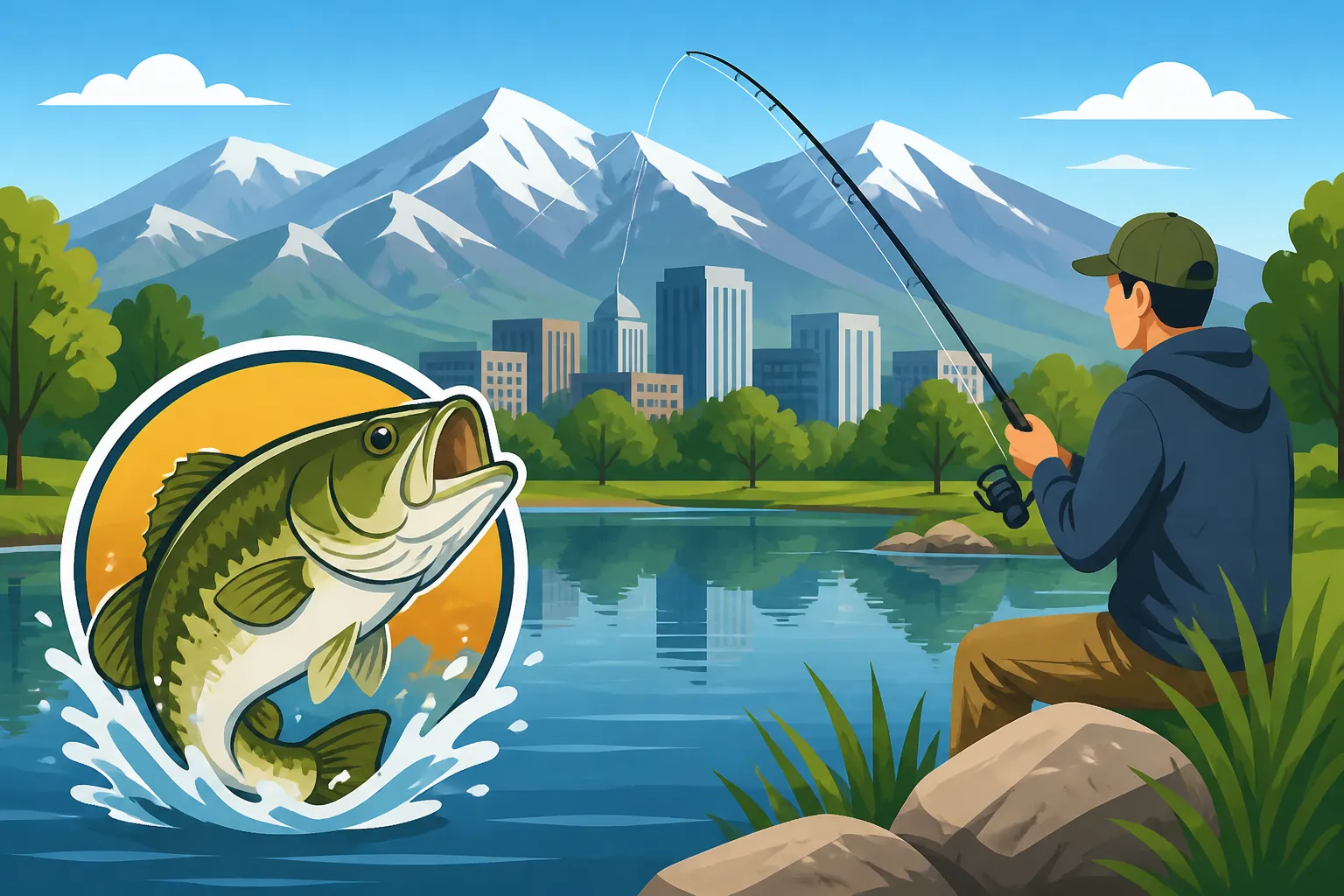
It's a common frustration for many of us who love to fish but live in the hustle and bustle of Utah's Wasatch Front: finding a convenient, productive fishing spot that doesn't require a full-day road trip. You want to get out, cast a line, and maybe even introduce the kids to the joys of angling, but traffic, distance, and the perception that all the good spots are remote can be real barriers. This guide is here to change that, revealing the best urban fishing ponds along the Wasatch Front that offer accessible, enjoyable, and often surprisingly fruitful opportunities right in your backyard.
The Allure and Challenge of Urban Fishing Along the Wasatch Front
There's a special kind of magic to fishing, a tranquility that many seek, and it often feels at odds with the concrete jungles and busy streets of our cities. Yet, for countless anglers, the dream isn't always about pristine wilderness rivers or vast, remote reservoirs. Sometimes, it's about stealing an hour before or after work, enjoying a quick outing with the family on a sunny afternoon, or simply having a readily available escape. That's where urban fishing ponds truly shine, offering a crucial lifeline for those of us who live life in the fast lane but still crave the tug of a fish on the line.
Why Urban Ponds are a Lifeline for Anglers
Think about it: how often do you feel like you have to pack up the car, drive for hours, and make a whole event out of going fishing? For families with young children, busy professionals, or anyone with limited time, that's just not always feasible. Urban ponds solve this problem beautifully. They are intentionally designed and managed by the Utah Division of Wildlife Resources (DWR) to provide close-to-home recreational opportunities. These aren't just puddles; they're often well-maintained environments with amenities like paved paths, restrooms, and sometimes even playgrounds, making them perfect for a diverse range of visitors.
The biggest draw, undoubtedly, is accessibility. Many of these ponds are a short drive from residential areas, accessible via public transportation, or even within walking or biking distance for some. This ease of access means you can grab your rod and reel for an impromptu outing, transforming a mundane afternoon into a mini-adventure. For parents, it's an incredible way to introduce kids to fishing without the commitment of a major trip. Imagine being able to take your child to a local pond, knowing there's a good chance they'll catch something, fostering that early love for the sport. The DWR regularly stocks these ponds with rainbow trout, and sometimes catfish, bass, or panfish, ensuring that catch rates are generally higher than in many wilder waters. This consistent stocking schedule makes them incredibly reliable spots, reducing the chances of a frustrating, fish-less day that might discourage a beginner. It truly validates the need for these close-to-home options that fit into our busy modern lives.
Overcoming the Crowds and "Fished Out" Feeling
Now, let's be realistic. When a fishing spot is as accessible and reliable as an urban pond, it stands to reason that it's going to attract a crowd, especially right after a fresh stocking. It can be a little disheartening to arrive at your favorite local spot and find every prime piece of bank already occupied, or to feel like the fish have been "fished out" just days after they were put in. This frustration is completely valid, and it’s something every urban angler has experienced. However, don't let a few crowded days deter you; with a little strategy, you can still find plenty of success and enjoyment.
The key to overcoming the crowds often lies in timing. Most anglers will flock to the ponds on weekends or immediately after a stocking report goes out. If your schedule allows, try fishing on a weekday morning or late afternoon. Even an hour or two during these less popular times can make a huge difference in finding a quiet spot and more active fish. Furthermore, while many anglers cast right off the main parking areas or designated piers, don't be afraid to explore. Often, a short walk around the pond's perimeter can reveal less-pressured pockets where fish might be holding. Think about structure – any submerged logs, weed lines, or even deeper holes can concentrate fish. While the DWR provides stocking reports, understanding the rhythm of these ponds can also help. Fish tend to disperse and become a bit warier a few days after stocking. Learning to adapt your presentation from aggressive, easy targets to more subtle approaches can yield excellent results even when the initial frenzy has died down. Remember that even if the shore is bustling, there's always a chance to find your own slice of fishing peace.
Top Urban Fishing Ponds Across the Wasatch Front
The Wasatch Front is dotted with fantastic urban fishing ponds, each offering its own unique charm and angling opportunities. From the bustling heart of Salt Lake City to the quieter communities north and south, you're never too far from a place to wet a line. The DWR does an amazing job managing these community fisheries, ensuring they are regularly stocked and maintained for public enjoyment.
Salt Lake Valley's Hidden Gems
Salt Lake County, being the most populous area, naturally has a great selection of urban ponds. These spots are incredibly convenient for residents and visitors alike, providing quick access to fishing without straying far from the city.
One standout is Decker Lake in West Valley City. This pond is easily accessible right off Redwood Road and is a true urban oasis. It’s frequently stocked with rainbow trout, making it a reliable spot for those looking for some fast action, especially in the cooler months. In addition to trout, you can often find decent populations of channel catfish, largemouth bass, and various panfish like bluegill and perch. It's a fantastic place for beginners because of the consistent bites, and there are paved walking paths around the perimeter. Another excellent option is Kidney Pond, nestled within Jordan Park in Salt Lake City. Despite its central location, it offers a surprisingly peaceful fishing experience. Like Decker, it receives regular trout stockings, and you can also target warm-water species here. It’s particularly popular with families due to the park amenities. Just a bit south, in Murray, you'll find Willow Creek Pond. This is another local favorite, known for its consistent trout stockings and its family-friendly atmosphere. The pond is smaller and often feels a bit more secluded than some of the larger urban waters, making it ideal for a quiet afternoon. All these Salt Lake Valley ponds are great places to practice your casting or just relax with a simple bait rig.
Northern Wasatch Front's Family Favorites
Moving north along the Wasatch Front, the cities of Ogden and Layton boast several excellent urban fishing ponds that cater to anglers of all ages and skill levels. These northern spots continue the DWR's commitment to providing readily available fishing opportunities for urban dwellers.
In Ogden, Fort Buenaventura Pond is a popular destination. Located within Fort Buenaventura State Park, this pond is a beautiful spot with a historic backdrop. It's regularly stocked with rainbow trout, especially during spring and fall, and also holds populations of catfish and other warm-water species. The park setting makes it a perfect place for a family outing, with plenty of space for picnicking and exploring beyond just fishing. Further south in Kaysville, Kaysville Pond is a smaller, more intimate option, highly valued by the local community. It's a quaint spot that gets consistent trout stockings, making it another reliable choice for a quick trip or for teaching a child how to fish. The manageable size of these northern ponds means you can often cover a good portion of the water from shore, increasing your chances of finding where the fish are holding. These ponds are prime examples of the DWR's effort to spread fishing opportunities across the entire Wasatch Front, ensuring that anglers in Ogden, Layton, and surrounding communities have quality options close to home.
Utah County's Accessible Oases
Heading south into Utah County, the communities around Provo and Orem also offer a fantastic array of urban ponds that are perfect for a quick fishing fix. These spots are especially popular among students and families looking to enjoy the outdoors without traveling to the larger, more distant reservoirs.
Spring Run Pond in Provo is a highly regarded urban fishery. It's known for its consistent DWR trout stockings and is a great spot to target panfish and occasionally even some largemouth bass. The pond is designed with easy access in mind, making it a comfortable place for anglers of all mobility levels. It's also a designated urban fishery, which means it receives extra attention from the DWR to ensure good catch rates. A little further north, near Highland, Highland Glen Park Pond offers another excellent option. This pond is set in a picturesque park, providing a beautiful backdrop for your fishing adventures. It’s a popular spot for trout and often yields good results for panfish. What makes Highland Glen particularly appealing is its scenic environment, which elevates the typical urban pond experience. For those in Utah County, these ponds provide essential, convenient access to the sport. If you ever find yourself wanting to try a different approach or explore larger waters with an expert, looking up local guides on platforms like FishingBooker can open up new angling experiences, from guided trips on nearby Utah Lake to fly fishing the Provo River.
Essential Tips for Successful Urban Pond Fishing
While urban ponds offer convenient access and frequent stocking, successful fishing still requires a little know-how. You don't need a boatload of expensive gear or years of experience, but a few smart choices in tackle and technique can make a significant difference in your catch rate and overall enjoyment. Remember, the goal is to have fun, catch a few fish, and make the most of these fantastic local resources.
Gear Up Smart for Pond Success
One of the best things about urban pond fishing is that you don't need to break the bank on specialized equipment. Simplicity and versatility are your best friends here. For most urban ponds along the Wasatch Front, a light to medium-light spinning rod between 5.5 and 7 feet in length is ideal. Pair this with a small spinning reel spooled with 4 to 6-pound test monofilament or fluorocarbon line. This setup is sensitive enough to detect the subtle bites of stocked trout but strong enough to handle a feisty catfish or bass. If you're looking for guidance on choosing the right equipment, our guide on Utah Fishing Gear Guide provides excellent starting points.
When it comes to bait, variety is key, but some old standbys almost always produce. For stocked trout, you can't go wrong with PowerBait in various colors (chartreuse, rainbow, and corn yellow are often top performers), corn kernels, or nightcrawlers. These are readily available at most tackle shops and even many grocery stores. For panfish like bluegill, small pieces of worm or tiny jigs under a bobber work wonders. If you're targeting catfish, stink baits, cut bait, or even hot dogs can be highly effective. Lures can also be productive, especially small inline spinners like a Rooster Tail or Panther Martin, and tiny spoons. These can mimic small baitfish or insects, triggering a predatory response from trout and bass. Remember to check local regulations for specific bait restrictions, though most urban ponds allow common baits. Our in-depth guide on How to Fish PowerBait for Stocked Trout can offer even more specific advice.
Timing and Tactics for Urban Waters
Success in urban ponds often comes down to understanding fish behavior and utilizing the information available to you. The DWR frequently stocks these ponds, and knowing when these stockings occur can give you a significant advantage. You can often find this information on the DWR website, which publishes weekly or bi-weekly stocking reports. Targeting a pond within a day or two after a stocking can lead to excellent action, as the newly introduced fish are often hungry and less wary. For up-to-date information, make sure to check How to Find Recent Stocking Reports for Utah Waters.
Beyond stocking times, consider the time of day and year. In spring and fall, when water temperatures are cooler, trout are typically more active throughout the day. During the hotter summer months, however, your best bets will be early mornings or late evenings when the water is coolest and fish are more likely to feed near the surface or in shallower areas. For targeting other species, our Utah Fishing Season Dates and Limits guide can offer more specific seasonal insights. As for tactics, keep it simple. For trout, a slip bobber rig with bait suspended a few feet off the bottom is a consistent producer. If fish aren't biting in one spot, don't be afraid to move around the pond. Fish often congregate in specific areas, especially near inlets, outlets, or any submerged structure. Sometimes, a subtle jigging motion with a bait or lure can entice a bite when still-fishing doesn't. And if you're bringing kids, remember that patience is key, but frequent small movements of the bait can keep them engaged while waiting for a bite.
Respecting the Resource and Other Anglers
Fishing in urban ponds is a shared experience, often with many other anglers and park users around. To ensure everyone has an enjoyable time and to preserve these valuable resources for future generations, it's crucial to practice good etiquette and respect the environment. This means adhering to all Utah Fishing Regulations Explained, including bag and possession limits. For example, if you're catching trout, be mindful of the Utah Trout Daily Limit Explained, which can vary by water body but is typically four fish in most community ponds. Knowing your limits helps prevent overfishing and ensures the DWR's stocking efforts remain effective.
Always carry out what you carry in, and perhaps even a little more. Discarded fishing line, bait containers, and other trash can be harmful to wildlife and detract from the beauty of these spaces. Make sure to properly dispose of any unwanted bait, and never release non-native species into the pond, as this can disrupt the delicate ecosystem. When fishing near others, be courteous. Give fellow anglers space, avoid loud noises, and be mindful of your casting distance to prevent tangles. If you’re fishing with children, this is a great opportunity to teach them about these important principles. Remember that most adults will need a fishing license, and understanding the Utah Fishing License Guide and specific details like Utah Fishing License Age Requirements or even Utah Fishing License Exemptions and Discounts for certain groups is crucial before you even cast a line. By being respectful of the environment and others, we can all ensure that the Wasatch Front's urban ponds remain vibrant and welcoming fishing spots for everyone.
| Pond Name | Location | Primary Species Stocked | Other Common Species | Key Features | Ideal For |
|---|---|---|---|---|---|
| Decker Lake | West Valley City | Rainbow Trout | Catfish, Bass, Panfish | Paved paths, easy access, large water body | Beginners, families, multi-species fishing |
| Kidney Pond | Salt Lake City | Rainbow Trout | Catfish, Panfish | Central location, park amenities, quiet pockets | Quick trips, urban escape, families |
| Willow Creek Pond | Murray | Rainbow Trout | Panfish | Smaller, more secluded feel, consistent stocking | Peaceful fishing, teaching kids |
| Fort Buenaventura Pond | Ogden | Rainbow Trout | Catfish, Panfish | State park setting, historical site | Family outings, combines fishing & park |
| Kaysville Pond | Kaysville | Rainbow Trout | Panfish | Community-focused, intimate, small | Local residents, quiet angling |
| Spring Run Pond | Provo | Rainbow Trout | Panfish, Bass | Good access, consistently stocked, DWR managed | Easy access, reliable bites, all ages |
| Highland Glen Park Pond | Highland | Rainbow Trout | Panfish | Scenic park setting, good for casual fishing | Relaxed fishing, beautiful environment |
Disclaimer
The information provided in this guide is for general informational purposes only and is subject to change. Fishing regulations, stocking schedules, and pond conditions can vary. Always consult the official Utah Division of Wildlife Resources (DWR) website or current fishing proclamation for the most up-to-date and accurate rules and information before planning your fishing trip.