Where to Fish Jordanelle Reservoir From Shore
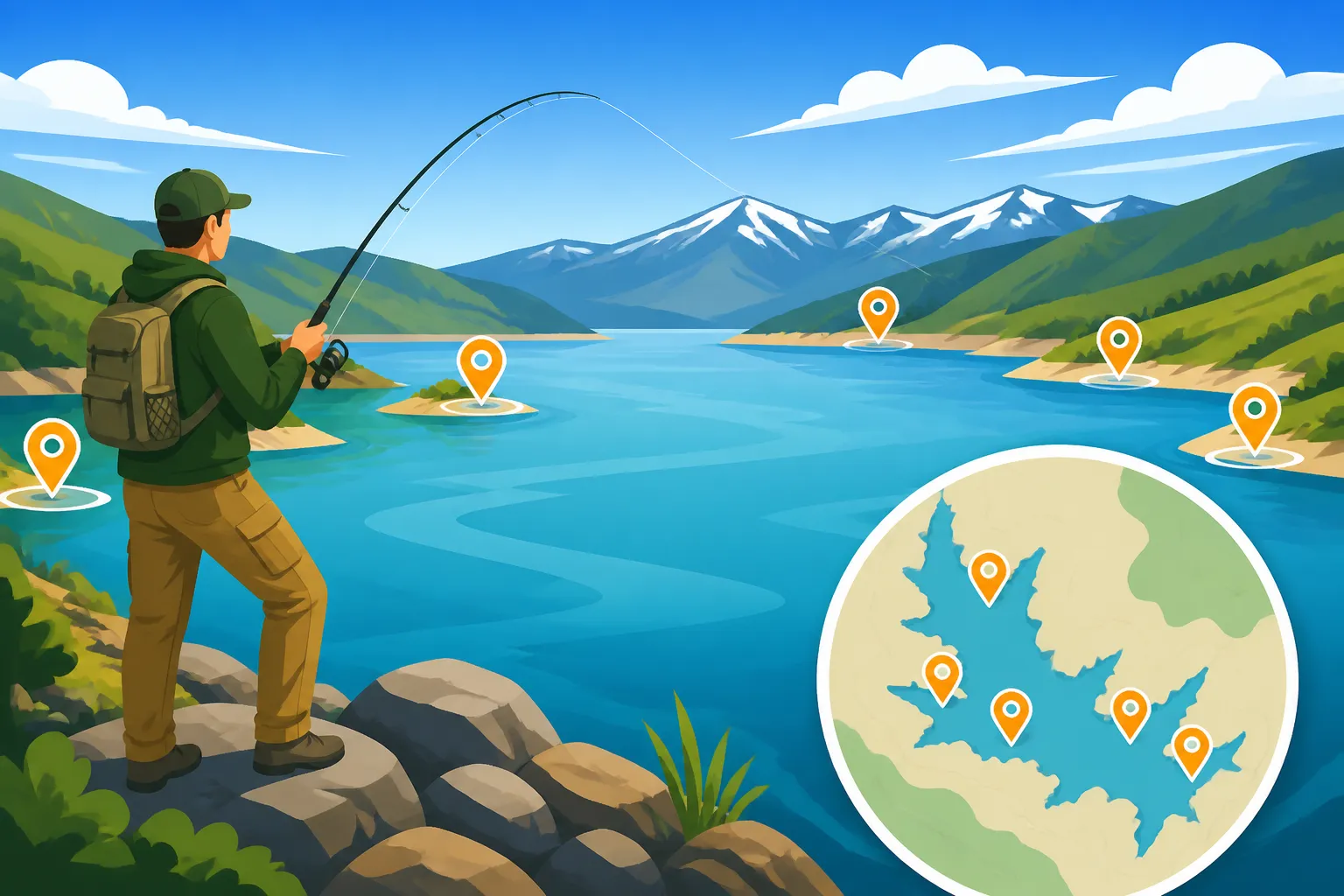
Finding productive fishing spots from the bank at a large, dynamic reservoir like Jordanelle can often feel like searching for a needle in a haystack. The constantly changing water levels, varied shoreline, and diverse fish populations can make it tough to know where to cast your line with confidence. This guide is dedicated to breaking down exactly where to go and how to approach shore fishing at Jordanelle Reservoir, helping you unlock its potential and enjoy a successful day on the water without needing a boat.
Understanding Jordanelle Reservoir for Shore Anglers
Jordanelle Reservoir, nestled in the scenic Heber Valley near Park City, offers a fantastic fishing experience, even for those without a boat. However, its expansive nature and fluctuating characteristics mean that a little local knowledge goes a long way. This isn't just a simple pond; it's a significant body of water with various depths, structures, and fish habitats, all of which impact your success from the shore.
Characteristics and Fish Species
Jordanelle is a deep, cold-water reservoir primarily known for its trout species, but it also holds other exciting game fish. For shore anglers, understanding what's swimming close to the bank and in the accessible coves is paramount. You'll primarily encounter Rainbow Trout, which are regularly stocked by the Utah Division of Wildlife Resources (UDWR) and are often quite eager to bite. These fish are a staple for many anglers and can be found cruising near points and drop-offs accessible from shore.
Beyond rainbows, you'll also find Brown Trout, especially in areas where streams feed into the reservoir, or along rockier shorelines where they can ambush prey. While less common from shore, Smallmouth Bass are present, particularly in the warmer months when they move into shallower, rocky areas to spawn and feed. These feisty fighters offer a thrilling challenge. Less frequently, but still possible, you might hook into some Yellow Perch or even the occasional Tiger Trout, a sterile hybrid known for its aggressive nature and beautiful markings. Understanding these species' preferences will help you choose your fishing spot and tackle more effectively. If you want to dive deeper into the local fish, check out our comprehensive guide to Utah Trout Species Guide.
Navigating Fluctuating Water Levels from Shore
One of the biggest challenges, and sometimes opportunities, for shore anglers at Jordanelle is the reservoir's dynamic water levels. Jordanelle is part of Utah's water storage system, and its levels can change significantly throughout the year, especially during spring runoff and late summer drawdowns. These fluctuations directly impact where the fish hold and, more importantly, what sections of the shoreline are accessible and productive.
When water levels are high, new areas of shoreline might become submerged, creating fresh feeding grounds for fish, but also potentially limiting access to some popular spots that become too deep or marshy. Conversely, during low water periods, vast mudflats or exposed rocky banks can appear, pushing fish further out and making it harder to reach them from shore. However, low water can also expose hidden structures like old creek beds, submerged rocks, and timber that fish relate to, giving you clues for when the water rises again. Always check current water levels before you head out. Websites like the Bureau of Reclamation often provide real-time data, which can be invaluable for planning your trip. For more details on how these changes affect fishing, you might want to read about How Reservoir Drawdown Affects Where Fish Hold.
Top Shore Fishing Access Points at Jordanelle
Jordanelle Reservoir boasts several excellent locations for shore fishing, primarily concentrated around the various sections of Jordanelle State Park. These areas offer amenities, easy access, and consistent fishing opportunities. However, for those willing to explore a little further, there are also some less-known spots that can yield surprising results and offer a bit more solitude.
Jordanelle State Park Shoreline Spots
Jordanelle State Park is divided into three main recreation areas: Hailstone, Ross Creek, and Rock Cliff. Each offers distinct advantages for the shore angler.
- Hailstone Recreation Area: This is the most developed and popular section of the park, offering extensive shoreline access, boat ramps, and plenty of parking. For shore anglers, the long stretch of beach and grassy areas near the main marina are great for casting. This area is regularly stocked with Rainbow Trout, making it an excellent choice for consistent action, especially for families or beginners. The points and small coves found here can also hold brown trout. The downside is that it can get very crowded, especially on weekends and holidays. Early mornings or weekdays are your best bet for a more peaceful experience. You can easily set up a few rods with bait or cast spinners and spoons along the shoreline. For a comprehensive overview of the area, consider looking into Best Fishing Spots at Jordanelle Reservoir.
- Ross Creek Recreation Area: Located on the eastern side of the reservoir, Ross Creek offers a quieter, more rustic experience compared to Hailstone. The shoreline here is often rockier and more irregular, providing excellent structure for smallmouth bass and brown trout. Access is good, with several pull-offs and trails leading to the water. This area is less crowded, making it ideal for those seeking a more tranquil fishing trip. Pay attention to the submerged rocks and ledges, as these are prime ambush points for predatory fish.
- Rock Cliff Recreation Area: Situated at the southern end of the reservoir, Rock Cliff is where the upper Provo River flows into Jordanelle. This area is particularly attractive for fly anglers and those targeting brown trout, as the river influence creates a unique ecosystem. The shoreline is often marshy in spots, but there are designated fishing areas and boardwalks that provide access. This is a designated "Blue Ribbon Fishery" stretch, emphasizing quality trout fishing. However, it's also a protected natural area, so be sure to respect all regulations regarding bait and tackle. Understanding Utah Fly-Fishing-Only Water Rules might be helpful if you venture into the Provo River sections.
Here's a quick comparison of the main access points:
| Access Point | Primary Species | Shoreline Type | Crowds | Best For | Notes |
|---|---|---|---|---|---|
| Hailstone | Rainbow Trout | Sandy/Grassy Beach | High | Families, beginners, consistent trout | Easy access, amenities, can get busy. |
| Ross Creek | Brown Trout, Smallmouth Bass | Rocky, Irregular | Moderate | Anglers seeking structure and less crowds | Good for targeting bass and larger trout. |
| Rock Cliff | Brown Trout, Rainbow Trout | Marshy, River Inlet | Low | Fly anglers, solitude, trophy browns | Part of a Blue Ribbon Fishery, focus on river influence. |
Exploring Less-Known Public Access Areas
While the State Park areas are fantastic, Jordanelle also has some less-defined public access points that can be incredibly rewarding, especially if you're looking to escape the crowds or target different types of water. These spots often require a bit more effort to reach but can offer a sense of discovery and often, less pressured fish.
One such area might be found along the western shore, outside of the main park boundaries, accessed via smaller county roads or pull-offs. These areas are usually unmarked and require careful scouting using satellite maps or local knowledge. The shoreline here can be steeper, rockier, or have more natural vegetation, providing excellent cover for fish. These less-traveled spots are often where you might find larger, more elusive brown trout or even some of the smallmouth bass that prefer solitude. However, be mindful of private property lines and always practice leave-no-trace ethics. Parking might be limited, and amenities are non-existent, so come prepared with everything you need. Checking local fishing forums or reports, sometimes consolidated on platforms like FishingBooker, can occasionally hint at these hidden gems, though specific directions are rarely shared publicly to protect their serenity.
Effective Baits, Lures, and Techniques for Bank Anglers
Shore fishing at Jordanelle is all about versatility. The fish are often on the move, and conditions can change quickly, so having a good selection of baits and lures, along with adaptable techniques, is crucial for consistent success.
Tackle Box Essentials for Jordanelle Trout and Bass
For the primary species you'll encounter from shore, a few key items should always be in your tackle box.
- For Trout (Rainbow, Brown, Tiger):
- PowerBait & Gulp!: These scented, artificial dough baits are absolute staples for stocked rainbow trout. Use an egg-sinker rig (Carolina rig) to allow the bait to float off the bottom, or a slip-bobber rig in shallower areas. Popular colors include chartreuse, rainbow, and white.
- Worms: Nightcrawlers or mealworms are natural baits that appeal to all trout species and can be fished under a bobber or on the bottom.
- Spinners: Small inline spinners like Mepps Aglias or Panther Martins (sizes #0-#3) are incredibly effective, especially in silver, gold, or brass blades with a variety of dressing colors. Cast and retrieve at a steady pace, varying your depth.
- Spoons: Kastmaster, Daredevil, or Acme Little Cleo spoons (1/8 oz to 1/4 oz) in silver, gold, or firetiger patterns are excellent for casting distance and imitating baitfish. A simple cast and retrieve with an occasional twitch can entice strikes.
- Jigs: Small marabou jigs or Gulp! Minnow jigs (1/16 oz to 1/8 oz) in white, black, or olive can be deadly when slowly retrieved or jigged near drop-offs.
For more specific trout advice, consider our Utah Trout Fishing Tips guide.
- For Smallmouth Bass:
- Soft Plastics: Grubs, tubes, and small creature baits (2-3 inches) rigged on a jig head or Texas-rigged are phenomenal for smallmouth. Target rocky areas and cast to visible structure. Colors like green pumpkin, brown, or watermelon are reliable.
- Crankbaits: Small, shallow-diving crankbaits that mimic crawfish or baitfish can be very effective when retrieved along rocky banks.
- Spinners & Spoons: The same spinners and spoons used for trout can also attract opportunistic smallmouth, especially if they are aggressive.
- Topwater Lures: During warmer months, small poppers or walk-the-dog style lures can provide explosive action at dawn or dusk, especially in calm coves.
Make sure your Utah Fishing Gear Guide includes a medium-light to medium power spinning rod (6-7 feet) paired with a 2500 or 3000 series reel spooled with 6-8 lb monofilament or fluorocarbon line, or 10-15 lb braided line with a fluorocarbon leader. This versatile setup will handle most of what Jordanelle has to offer from shore.
Reading the Water and Presenting Baits from Shore
Successful shore fishing isn't just about having the right gear; it's about understanding where and how to present your offerings.
- Look for Structure: Fish relate to structure. From shore, this means looking for submerged rocks, weed lines, drop-offs, points, and even changes in bottom composition. Cast your lures or baits to these areas, working them thoroughly. For instance, smallmouth bass will often be found hiding among rocky outcrops.
- Observe the Water: Pay attention to signs of fish activity. Are there baitfish schooling near the surface? Are birds diving? Are fish rising? These observations can tell you what fish are eating and where they are located. Also, note water clarity and temperature if possible. Murky water might call for brighter baits or more scent.
- Vary Your Retrieve: Don't just cast and retrieve at one speed. Experiment! For trout, a slow, steady retrieve with a spinner or spoon can be effective. For bass, a stop-and-go retrieve with soft plastics, mimicking a fleeing crawfish or injured baitfish, can trigger strikes. If you're using bait, let it sit for a while, but occasionally twitch your rod to impart some movement.
- Cover Water: Shore fishing can limit your reach, so make the most of your casts. Fan cast, covering different angles and distances before moving to a new spot. This helps you locate where the fish are holding on that particular day. Sometimes, even a slight shift in your position can put your lure right into a productive zone. Fishing from a float tube or kayak can extend your reach significantly, and there are many Best Spots to Fish From a Float Tube in Utah for that.
Maximizing Your Catch: Seasonal Strategies for Jordanelle Shore Fishing
The fishing at Jordanelle changes dramatically with the seasons. Understanding these shifts and adapting your strategy accordingly is key to consistent success from the shore.
Spring and Fall: Prime Time Opportunities
Many anglers consider spring and fall the absolute best times for shore fishing at Jordanelle.
- Spring (April-June): As the ice melts and water temperatures begin to rise, fish become incredibly active. This is often the period of heavy stocking for rainbow trout, meaning fresh, hungry fish are plentiful near the shore. The shallower coves and sun-warmed bays become hot spots as fish move in to feed and, for some species, spawn. For trout, PowerBait and worms fished on the bottom or under a bobber are exceptionally effective. Spinners and small spoons cast along points and drop-offs will also produce. Smallmouth bass also become more active, moving into shallower, rocky areas as water temperatures climb towards their spawning threshold. Targeting them with jigs and small crankbaits near cover can be very productive. Remember to check Utah Fishing Season Dates and Limits as conditions might vary.
- Fall (September-November): As summer heat gives way to cooler temperatures, the lake "turns over," distributing oxygen and nutrients more evenly. Fish, particularly trout, become very active as they feed heavily in preparation for winter. This is a fantastic time for larger brown trout, which become more aggressive and move into shallower areas to spawn. Anglers targeting brown trout from shore might have success with larger spoons, jerkbaits, or even fly fishing streamers in areas where the Provo River enters the reservoir. Rainbow trout remain active and can be caught with similar baits and lures as in spring. The cooler, less crowded conditions often make for a more enjoyable fishing experience.
Summer and Winter: Adapting to Conditions
While spring and fall are prime, Jordanelle can still offer excellent shore fishing during summer and winter if you know how to adapt.
- Summer (July-August): The heat of summer pushes many fish, especially trout, into deeper, cooler waters. This can make shore fishing more challenging. Your best bet is to fish during the cooler parts of the day – early mornings, late evenings, and even into the night. Look for shaded areas, deeper drop-offs close to shore, or areas with moving water like river inlets. For trout, long casts with spoons or jigs that can reach deeper water are essential. Smallmouth bass, however, can remain active in rocky shallows during summer, especially around dawn and dusk. Targeting them with topwater lures or soft plastics can be exciting. Keep an eye out for surface activity, sometimes fish will rise to feed on insects in low light. When you're fishing in warmer conditions, ensuring your catch stays fresh is important, so having a good Best Cooler Size to Keep a Trout Limit Fresh is a must.
- Winter (December-March): Ice fishing is a popular activity at Jordanelle, but shore fishing can still be possible in areas that remain ice-free, such as near the dam or where geothermal activity keeps water open. However, prolonged open water shore fishing in winter is rare. If you do find open water, fish will be lethargic, so a slow presentation is crucial. Small jigs tipped with mealworms or a tiny piece of PowerBait can sometimes coax a bite. The majority of winter angling will be through the ice, and if you're interested in that, our Utah Ice Fishing Guide provides ample information. Always prioritize safety if you encounter ice near the shore; never venture onto thin or questionable ice. For broader planning, understanding the Best Time of Year to Fish in Utah can help you decide when to focus on shore angling.
No matter the season, remember that preparation is key. Checking weather forecasts, water levels, and recent fishing reports (sometimes available from local tackle shops or online communities, including those linked through FishingBooker partners) will significantly increase your chances of a rewarding day on the beautiful Jordanelle Reservoir.
Disclaimer
Fishing conditions and regulations in Utah can change. Always consult the latest Utah Fishing Guidebook published by the Utah Division of Wildlife Resources (UDWR) before heading out. This article is for informational purposes only and does not supersede official regulations.