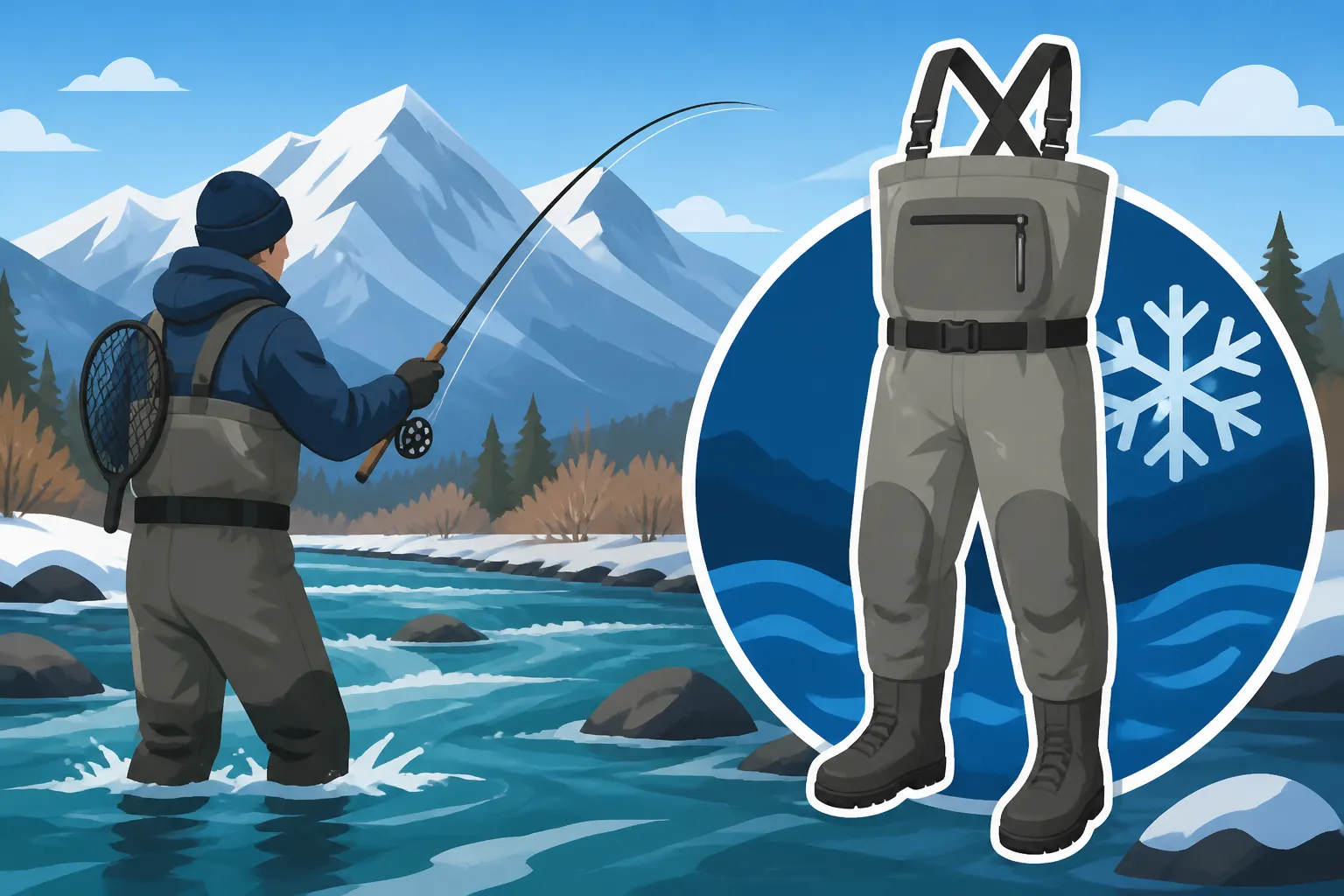
Best Waders for Cold Provo River Water
There’s nothing quite like the crisp air and serene beauty of the Provo River, especially in the cooler months, but let's be honest, the thought of plunging into those icy waters can make even the most dedicated angler shiver. Trying to fish the Provo when you're underdressed or wearing the wrong gear isn't just uncomfortable; it can cut your trip short and even be a safety concern. This guide is here to walk you through everything you need to know about choosing the best waders to keep you warm, dry, and happy on the Provo River, ensuring those cold water worries don't stand between you and a fantastic day of fishing.
Why Waders Are Non-Negotiable on the Provo River Especially When It's Cold
Stepping into the Provo River without proper protection is a fast track to misery, or worse. This isn't your average warm-water stream; the Provo, particularly the Middle and Lower sections, presents unique challenges that demand serious consideration for your gear, especially when it comes to waders.
The Brutal Reality of Provo River Temperatures
If you've ever felt that initial shock of cold river water seeping through inadequate footwear or thin pants, you know exactly what I'm talking about. The Provo River, fed by snowmelt from the towering Uinta Mountains and controlled by releases from Deer Creek Reservoir and Jordanelle Reservoir, maintains a surprisingly consistent chill throughout much of the year. Even in summer, the deeper currents can be quite cold, but come fall, winter, and spring, those temperatures plummet into the truly frigid range. We’re talking water that can numb your feet in minutes and send shivers through your entire body if you’re not properly insulated. The sheer volume and speed of the water also contribute to this intense cold, constantly bringing fresh, icy flows downstream.
Many anglers arrive excited, perhaps having driven from Salt Lake City or Provo, only to have their enthusiasm quickly dampened by the relentless cold. You want to focus on the delicate presentation of your fly or the subtle tug of a hungry brown trout, not on whether your toes are still attached. That constant, bone-chilling cold can quickly make a fun outing feel like a chore, forcing you off the water long before you've had your fill. It’s a frustration I’ve personally experienced, trying to ignore the creeping cold, only to finally admit defeat and retreat to the warmth of the truck.
Beyond Comfort: Safety and Performance in Cold Water
Proper waders aren't just about avoiding discomfort; they're a critical piece of safety equipment on the Provo River. Hypothermia is a real risk in cold water, and even mild cases can impair judgment, reduce dexterity, and make it difficult to perform basic tasks, like tying a knot or handling a fish. When you’re focused on staying warm, your concentration on fishing naturally diminishes. You might miss subtle bites, struggle with casting, or even make careless wading decisions in potentially dangerous currents.
Investing in quality cold-water waders means you can spend more time on the water, fish more effectively, and stay safer. Imagine the freedom of being able to wade deeper, explore more prime lies, and make that perfect drift without your mind constantly nagging you about frozen limbs. Warm, dry legs and feet allow for better blood circulation, which means better dexterity in your hands (even with gloves on) and a clearer, more focused mind. This translates directly into more enjoyable, productive, and safer fishing experiences on one of Utah’s premier trout streams. Provo River Fishing Guide has more on how to best enjoy this beautiful waterway.
Key Features to Look for in Cold-Water Waders for the Provo River
Choosing the right waders can feel a bit overwhelming with all the options out there. But for the cold waters of the Provo River, narrowing down your choices by focusing on a few key features will make all the difference. You're looking for a balance of warmth, durability, and mobility.
Material Matters: Neoprene vs. Breathable with Layering
When it comes to the material of your waders, you're primarily looking at two main types, each with its own advantages and disadvantages for the Provo's cold environment. Deciding between them often comes down to personal preference, the exact conditions you'll be fishing in, and your overall fishing style.
Neoprene Waders: The Warmth Powerhouse
Neoprene waders are like a wetsuit for your lower body. They are made from a synthetic rubber material, often ranging from 3mm to 5mm thick. Their primary advantage is exceptional insulation, making them incredibly warm in truly frigid conditions. If you're planning to brave the Provo in the dead of winter, or during the early spring runoff when temperatures are at their lowest, neoprene can be a lifesaver. They naturally trap a thin layer of water against your skin (or your base layers), which your body heats up, providing excellent thermal protection. They're also often more puncture-resistant than some breathable materials, which can be a plus when navigating rocky riverbeds.
However, neoprene waders come with a significant drawback: breathability. Or rather, a lack thereof. They don't allow moisture vapor (i.e., your sweat) to escape, meaning you can quickly overheat and get clammy on warmer days or during strenuous hikes. This can ironically make you feel cold once you stop moving, as the sweat cools on your skin. They are also bulkier and heavier than breathable waders, which can restrict movement and make longer hikes to Provo River Fly Fishing Sections a bit more cumbersome. Think of them as ideal for static, super-cold fishing, but less versatile for varied conditions or active angling.
Breathable Waders with Strategic Layering: The Versatility Champion
Modern breathable waders, typically made from GORE-TEX or similar proprietary fabrics, have become the go-to for many serious anglers, even in cold water. Their key advantage is their ability to allow sweat to escape while preventing water from entering. This keeps you dry from the inside out, which is crucial for staying warm. They are significantly lighter and less bulky than neoprene, offering superior mobility and comfort for wading, casting, and hiking.
The trick with breathable waders for cold Provo River water lies entirely in your layering system underneath. They don't inherently provide insulation like neoprene; they simply keep you dry. You need to wear appropriate base and mid-layers, such as fleece pants or thermal underwear, to provide the necessary warmth. This layering approach offers incredible versatility: you can adjust your insulation based on the weather, water temperature, and your activity level. On a warmer spring day, you might wear lighter layers, while in winter, you'd pack on the heavier fleece. This adaptability makes breathable waders a fantastic choice for year-round fishing on the Provo. Check out How to Layer Clothing for a Utah Winter Fishing Trip for more in-depth advice on staying warm.
Here's a quick comparison to help you weigh your options:
| Feature | Neoprene Waders | Breathable Waders (with Layers) |
|---|---|---|
| Primary Benefit | Maximum warmth, natural insulation | Versatility, breathability, comfort, reduced bulk |
| Insulation | Inherent (3-5mm thickness) | Provided by synthetic base/mid-layers underneath |
| Breathability | Very low; can cause sweating and clamminess | High; allows moisture vapor to escape |
| Mobility | More restrictive, bulky, heavier | Excellent, lighter, less restrictive |
| Seasonality | Best for extremely cold water/air, winter fishing | Year-round use; adaptable to various temperatures |
| Durability | Good puncture resistance | Good, but quality varies; can be susceptible to punctures |
| Cost | Generally more budget-friendly for basic models | Wider range, higher-end models can be significant investment |
Insulation and Bootfoot vs. Stockingfoot
Once you've considered the wader material, you'll need to think about the type of foot and any additional insulation features, especially for those bone-chilling days on the Provo.
Insulation Considerations
For neoprene waders, the insulation comes directly from the thickness of the neoprene itself, typically measured in millimeters (mm). A 3mm wader is suitable for cool conditions, while a 5mm wader is for truly cold weather. For breathable waders, as discussed, the insulation comes from your layers. However, some high-end breathable waders might incorporate a thin, integrated fleece lining or offer features that help retain heat. The key here is not just thickness, but also the quality of the material. Good quality neoprene will insulate better than cheap neoprene, and high-performance synthetic layers will outperform cotton in terms of warmth and moisture-wicking properties.
Don't fall into the trap of thinking "thicker is always better." While more insulation provides more warmth, it can also compromise mobility, especially in neoprene waders. You need to be able to comfortably walk, crouch, and move your legs to wade effectively and safely. For breathable waders, selecting the right layers underneath means you can dial in your warmth without sacrificing movement.
Bootfoot vs. Stockingfoot Waders
This choice significantly impacts your comfort, support, and versatility.
-
Bootfoot Waders: These waders have boots permanently attached to the wader legs. Their main appeal is convenience: you simply step in, pull them up, and you’re ready to go. They eliminate the need for separate wading boots, which can be great for quick trips or if you have limited storage space. Many bootfoot waders also come with insulated boots, providing warmth for your feet, which is a major plus on the Provo. However, they generally offer less ankle support than separate wading boots, can be heavier and bulkier for walking, and the fit of the integrated boot might not be as precise or comfortable for everyone. You're also stuck with whatever sole type comes with the wader (e.g., felt, rubber), limiting your options for different wading conditions on the rocky Provo bottom.
-
Stockingfoot Waders: These waders feature neoprene booties (like socks) at the end of the legs, requiring you to wear separate wading boots over them. This is the overwhelming preference for serious wade anglers, and for good reason. Stockingfoot waders, combined with dedicated wading boots, offer superior ankle support, better traction (as you can choose your boot sole type, like felt or rubber, and add studs), and a more customized, comfortable fit. They are lighter and less bulky, making them much more comfortable for hiking to your favorite stretch of the river or covering a lot of ground while fishing. While it's an extra piece of gear to manage, the benefits in terms of comfort, safety, and performance on a river like the Provo are hard to beat. If you're going with stockingfoot, make sure you're also looking for Best Wading Boots for Utah River Rocks.
Durability, Fit, and Other Essential Features
Beyond the core material and foot type, several other features can significantly enhance your experience and the longevity of your waders, especially when subjecting them to the rigors of the Provo River.
Durability for the Rocky Provo
The Provo River can be demanding on gear. Its rocky bottom, occasional brushy banks, and swift currents mean your waders will take a beating. Look for waders with reinforced knees and seat areas. These high-wear zones are often made with a thicker or tougher material, or an extra layer, to prevent punctures and abrasions. Seam construction is also critical; modern waders use sophisticated seam-taping and welding techniques to minimize leaks. Cheaper waders often skimp on this, leading to premature leaks. Paying a bit more upfront for robust construction can save you money and frustration in the long run.
The Importance of a Proper Fit
A good fit isn't just about comfort; it's about mobility and durability. Waders that are too tight will restrict movement, strain seams, and potentially limit your layering options. Waders that are too baggy can sag, create chafing points, and make wading feel cumbersome. Look for waders that offer enough room for your base and mid-layers without feeling like a potato sack. Many brands offer different sizing options beyond just S, M, L, including short, tall, stout, and women-specific fits. Take your measurements (inseam, chest, waist) and compare them to the manufacturer's sizing charts. Don't be afraid to try them on, if possible, even if it means trying them at a store like Bass Pro Shops or ordering from Amazon with a good return policy. The goal is a fit that allows for full range of motion while casting, bending, and wading.
Other Features That Make a Difference
- Wading Belt: Absolutely essential for safety. A wading belt helps prevent water from rushing up your waders if you take an accidental tumble, which can be incredibly dangerous in cold, swift water. Most waders come with one, but ensure it's robust and comfortable.
- Gravel Guards: These are small elastic cuffs that fit over your wading boots to prevent gravel, sand, and debris from entering your boots and abrading your wader booties. They significantly extend the life of your waders.
- Pockets: Chest pockets, often with waterproof zippers, are incredibly useful for storing small fly boxes, tippet spools, or your phone. Hand-warmer pockets are a godsend on cold days.
- D-rings and Accessory Tabs: These allow you to attach tools like nippers, forceps, or a zinger, keeping them easily accessible.
- Repair Kits: Many quality waders come with a small repair kit (patches and glue) for minor punctures. Knowing how to repair a fishing wader leak on the spot can save a fishing trip.
Recommended Wader Types and Where to Find Them for the Provo
Alright, with all that technical talk out of the way, let’s get into some practical recommendations for finding waders suitable for the Provo River’s chilly embrace. Remember, specific models and prices fluctuate, so these are general guidelines for types and brands to look for.
Entry-Level and Mid-Range Options for Budget-Conscious Anglers
Not everyone needs or can afford the most expensive waders on the market, especially if you’re newer to wading or only hit the Provo a few times a year. Thankfully, there are excellent options that offer solid performance without completely emptying your wallet.
For entry-level breathable waders, brands like Redington and Frogg Toggs often have models that provide good value. You might find basic breathable waders that are a good starting point, perhaps with fewer fancy pockets or reinforced zones, but still offer the core benefit of staying dry. When choosing these, prioritize the fit and the overall seam construction. You’ll definitely want to pair these with good thermal base layers to compensate for less inherent insulation. Look for models described as "all-season" or "heavy-duty" breathable, which usually implies slightly tougher fabric. These can be great for someone who wants to try out How to Fly Fish the Provo River without a huge initial investment.
For those on a tighter budget but needing serious warmth, neoprene waders can sometimes be found at a lower price point than comparable breathable options. While they might be heavier and less breathable, a 3mm or 5mm neoprene wader from a reputable brand will keep you toasty warm for cold winter days on the Provo. Just be mindful of the bulk and plan your layering accordingly to avoid overheating. Both Bass Pro Shops and Amazon are excellent places to start your search for these types of waders, offering a wide selection and competitive pricing, often with customer reviews that can guide your decision. Always double-check sizing charts and return policies when buying online.
Premium Waders for Serious Provo River Enthusiasts
If you’re a dedicated angler who fishes the Provo frequently, values maximum comfort, and demands top-tier durability, then investing in premium waders is absolutely worth it. These waders are designed for long-term performance, often incorporating advanced materials and construction techniques.
Brands like Simms and Patagonia are widely recognized as leaders in the premium wader market. Their breathable waders, often featuring GORE-TEX fabric, offer superior breathability, exceptional durability with reinforced areas, and meticulously taped seams that stand up to years of abuse. They typically come with thoughtful features like waterproof chest pockets, comfortable anatomical fits, and advanced gravel guard designs. While the initial cost is higher, the extended lifespan, enhanced comfort, and peace of mind from knowing you’re well-protected often make them a wise investment for the passionate angler. These waders are built to withstand everything from bushwhacking to navigating swift currents during How to Fish a River During Spring Runoff in Utah.
You'll often find these premium brands at specialized fly shops, which can provide excellent advice and fitting services. Larger outdoor retailers, including Bass Pro Shops, also carry a selection of higher-end waders. Online retailers like Amazon will also have these brands, but remember, for premium gear, getting hands-on advice and ensuring a perfect fit can be invaluable. Considering how much time you'll spend in them on the cold Provo, the comfort and reliability of premium waders can truly elevate your fishing experience.
Wading Boots: The Other Half of the Equation
For stockingfoot waders, your choice of wading boots is just as critical as the waders themselves. A fantastic pair of waders will do little good if your feet are slipping or aching inside ill-fitting boots. The Provo River’s bottom varies from smooth gravel to slick, moss-covered rocks, demanding excellent traction.
When selecting wading boots, consider the sole type. Felt soles offer exceptional grip on slick, algae-covered rocks but can perform poorly on mud, snow, or dry ground, and are sometimes restricted in certain areas due to concerns about spreading aquatic invasive species. Rubber soles are more versatile for various terrains, better for hiking, and don't typically have the same AIS concerns. Many rubber soles can also be fitted with studs for enhanced grip on treacherous surfaces, which I highly recommend for the Provo. Look for boots with good ankle support to prevent twists and falls, especially when wading in uneven currents.
Ensure your wading boots are sized correctly to accommodate the neoprene booties of your waders and any thick wading socks you might wear. Trying them on together is ideal. A good pair of wading boots, combined with your stockingfoot waders, will provide the stability and comfort you need to confidently explore every bend of the Provo. Best Wading Boots for Utah River Rocks offers a more detailed look at this essential gear.
Tips for Maximizing Your Wader's Performance and Lifespan on the Provo
Getting the right waders is a big step, but how you use and care for them can significantly impact their performance and how long they last. On a river like the Provo, where conditions can be tough on gear, proper technique and maintenance are key.
Layering Smart: Staying Warm Without Overheating
This is especially critical for breathable waders, but even with neoprene, smart layering can enhance comfort. The goal is to trap warm air and wick away moisture.
- Base Layer: Start with a moisture-wicking base layer. Think synthetic materials like polyester or merino wool. Avoid cotton at all costs, as it absorbs sweat and loses its insulating properties when wet, making you feel colder. This layer sits directly against your skin and moves sweat away.
- Mid-Layer: This is your primary insulation layer. Fleece pants are a popular choice due to their warmth-to-weight ratio and quick-drying properties. In colder conditions, you might opt for heavier fleece or even insulated pants designed for cold weather. The beauty of breathable waders is that you can add or subtract these layers based on the ambient air temperature, water temperature, and how active you plan to be. If you're hiking to a remote section of Middle Provo River Access Near Vivian Park, you might start with fewer layers and add them once you start fishing.
- Socks: Don't forget your feet! Wear a good pair of wool or synthetic thermal socks. Again, no cotton. You might even wear two pairs: a thin wicking liner sock and a thicker insulating sock. This will make a huge difference in keeping your toes from going numb in the cold Provo water.
Adjusting your layers throughout the day is part of the art. If you start to feel too warm, you can remove a layer. If a cold front moves in, add one. This adaptability is why breathable waders, paired with a solid layering system, are so popular for varied conditions.
Care and Maintenance for Longevity
Waders are an investment, and proper care will ensure they perform well for many seasons on the Provo. Neglecting them is the quickest way to end up with leaks or degraded material.
- Drying is Key: After every use, turn your waders inside out and hang them to dry completely. Then, turn them right side out and hang them again. This ensures both the interior and exterior are dry, preventing mildew growth and material breakdown. Never store wet waders. Store them in a cool, dry place, away from direct sunlight or extreme heat, which can damage the fabric and seam tape.
- Cleaning: Periodically, gently clean your waders. Rinse off any mud, dirt, or algae with fresh water. For deeper cleaning, use a mild, non-detergent soap (like specialty wader wash or a gentle baby shampoo) and a soft brush or sponge. Rinse thoroughly. Harsh detergents can strip the DWR (Durable Water Repellent) coating from breathable waders, reducing their performance.
- Repairing Leaks: It's almost inevitable that you'll get a small pinhole leak eventually. Don't panic! Most small leaks can be easily repaired with a wader repair kit (often included with new waders) or specialty repair glues. If you suspect a leak but can't find it, turn your waders inside out, spray the suspected area with rubbing alcohol, and look for dark spots where it soaks through. Mark the spot and patch it. Promptly repairing small leaks prevents them from becoming larger, more problematic tears.
Safety First: Wading in Cold, Fast Water
The Provo River can be swift and deceptively deep in places, and cold water adds a significant layer of risk. Your waders are part of your safety system, but your awareness and practices are even more critical.
- Always Wear a Wading Belt: I can't stress this enough. If you slip and fall in the river, a wading belt significantly reduces the amount of water that can fill your waders, which could otherwise drag you downstream and make it incredibly difficult to stand up or swim. It's a simple, life-saving piece of gear.
- Use a Wading Staff: A wading staff provides an extra point of contact and helps you gauge depth and footing, especially when crossing unfamiliar water or dealing with strong currents. It's like a third leg, offering stability where you need it most.
- Know Your Limits: Don't attempt to wade water that looks too deep or too swift. The Provo River, especially during high flows or spring runoff, can be powerful. If you're unsure, find another path or stick to the banks. No fish is worth risking your safety.
- Buddy System: Whenever possible, fish with a buddy. If something unexpected happens, having someone there to help can make all the difference. Even just having someone watch your back as you cross a tricky section can provide peace of mind.
- Be Aware of Conditions: Pay attention to recent rainfall, snowmelt, or reservoir releases, which can drastically change river levels and currents. Always be aware of the forecast; sudden drops in air temperature can make an already cold river even more dangerous. Your waders are your first line of defense, but common sense and caution are your most important tools.
Taking the time to understand your waders, how to best use them, and how to care for them will ensure that your cold-water adventures on the Provo River are not only productive but also safe and comfortable.
Disclaimer
This article is for general informational purposes only and does not constitute professional advice. Laws, prices and regulations vary by location and change over time. Consult a qualified professional for guidance on your specific situation.