Do You Need to Take a Boating Course Before Fishing From a Boat in Utah?
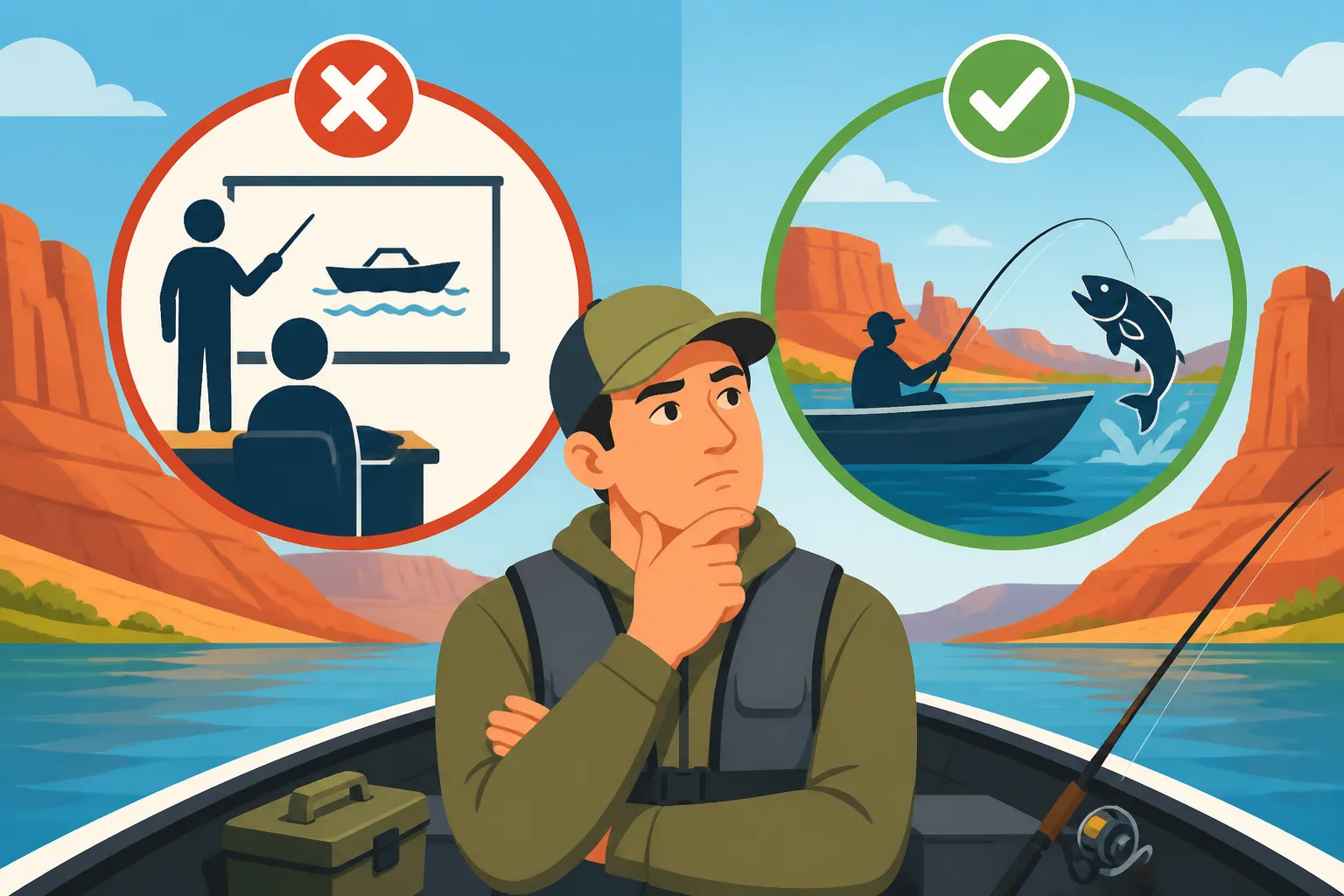
You've got your fishing gear dialed in, your bait bucket's ready, and the boat's hitched up, but then that nagging question pops into your head: do I actually need to take a boating course just to go fishing in Utah? It's a common point of confusion for many anglers, especially if you're new to boating or have recently moved to our beautiful state. Nobody wants to get a ticket or, worse, put themselves or others at risk on the water. This comprehensive guide will clear up all the rules and requirements, ensuring you're legally compliant and confidently prepared for your next angling adventure.
Utah's Boater Education Requirements Explained
Navigating the waters in Utah isn't just about knowing where the fish are biting; it's also about understanding the rules of the road – or, in this case, the lake. Utah takes boater safety seriously, and for good reason. Our reservoirs and rivers can get incredibly busy, especially during peak fishing season, and accidents can happen quickly if operators aren't properly educated.
Who Needs to Take a Boating Course
The core of Utah's boater education law is pretty straightforward, but it has some critical nuances that every angler needs to be aware of. Essentially, if you were born after January 1, 1988, you are required to complete a boating education course approved by the Utah Division of Wildlife Resources (DWR) to legally operate a motorboat on any Utah water. This isn't just for big powerboats; it applies to any vessel propelled by machinery, which means if your fishing boat has an outboard, inboard, or even an electric trolling motor that serves as its primary propulsion, you're likely included.
This requirement is in place to ensure that operators have a foundational understanding of boating safety, navigation rules, and responsible conduct on the water. It's not about being a seasoned skipper, but rather about having the basic knowledge to handle common situations and avoid hazards. Without this certification, you could face fines and other penalties if stopped by law enforcement on the water.
How Boating Education Connects to Fishing
This is where many anglers scratch their heads. "I'm just going out to drop a line, not waterski!" you might think. But the law doesn't differentiate between recreational activities when it comes to operating a motorboat. If you are the person in control of the helm, steering, and throttle of a motor-powered vessel while fishing, the same boater education requirements apply to you. It's about operating the boat, not specifically the activity you're doing on the boat.
Imagine you're out on Strawberry Reservoir, trolling for trout. You're focused on your downriggers and fish finder, but if you're the one driving the boat and you were born after that key date, you need that boater education card. The DWR and Utah State Parks officers enforce these rules to promote safety for everyone sharing the water, whether they're fishing, wakeboarding, or just enjoying a scenic cruise. So, if your fishing plan involves anything more than paddling or drifting, make sure you've got your ducks (and your boating certificate) in a row.
The Different Course Options Available
Thankfully, fulfilling the boater education requirement is relatively easy and flexible these days. The most popular option for many busy anglers is to take an online course. Platforms like Boat Ed and BoaterExam offer DWR-approved courses that you can complete at your own pace from the comfort of your home. These courses are designed to be engaging, covering everything from navigation rules and buoy systems to emergency procedures and responsible environmental practices.
Typically, these online courses involve reading through modules, watching videos, and completing quizzes, culminating in a final exam. Once you pass, you'll receive a certification card that proves you've met the state's requirements. While online options are convenient, some folks prefer in-person classes, which are periodically offered by various organizations, providing hands-on instruction and the chance to ask questions directly. Both avenues lead to the same official certification, so choose the one that best fits your learning style and schedule. You can often find study guides or practice tests for these courses on platforms like Amazon to help you prepare.
Exemptions and Special Considerations for Anglers
While the general rule is clear for those born after 1988, there are always a few exceptions and specific scenarios that anglers should be aware of. Knowing these can save you time, money, and potential headaches on the water.
Age-Based Exemptions
The most significant exemption revolves around age. As mentioned, if you were born before January 1, 1988, you are generally exempt from the mandatory boater education requirement in Utah. This means that many veteran anglers who have been enjoying Utah's waters for decades don't need to go back to school to operate their fishing boats. However, even if you're exempt, taking a refresher course or familiarizing yourself with current boating safety guidelines is always a good idea. Water safety practices evolve, and staying informed is part of being a responsible boater. For information on other age-related regulations, check out our guide on Utah Fishing License Age Requirements.
Another age-related nuance involves younger operators. While the primary requirement targets adults born after 1988, Utah law also states that anyone under 16 years of age cannot operate a motorboat with an engine of 15 horsepower or greater unless they are under the direct, onboard supervision of a person 18 years of age or older who has a valid boater education certificate. This ensures that younger, less experienced operators have a knowledgeable adult nearby to guide them, making their fishing trips safer.
Non-Motorized Vessels
This is excellent news for a growing segment of the angling community! If your fishing adventure involves only human-powered vessels, you are generally exempt from the boater education requirement. This includes kayaks, canoes, stand-up paddleboards, and float tubes – all popular choices for reaching those secluded fishing spots on many of Utah's beautiful lakes and rivers. So, if you're planning to paddle your way to a prime fishing location on Jordanelle Reservoir or float down a section of the Provo River, you don't need to worry about taking a boater education course.
While the education course isn't required, remember that other regulations still apply. For instance, you still need to adhere to life jacket requirements for all occupants, and it's always wise to carry other safety gear like whistles, lights for dawn/dusk, and a paddle. Furthermore, even non-motorized vessels often have obligations regarding aquatic invasive species (AIS) prevention. To ensure your non-motorized vessel is compliant, take a look at our article: Do Kayaks and Paddleboards Need AIS Inspections in Utah?.
Out-of-State Boaters
Utah recognizes boater education certificates issued by other states and Canadian provinces, provided those certificates are recognized by the National Association of State Boating Law Administrators (NASBLA). This is fantastic news for anglers visiting Utah from neighboring states like Idaho, Wyoming, or Arizona who already hold a valid boating safety education card. You won't need to take a separate Utah-specific course.
To ensure smooth sailing, always carry your out-of-state boater education card with you on the water, just as you would your fishing license. It's your proof of compliance. If you're an out-of-state resident planning an extended stay or considering becoming a Utah resident, it's a good idea to familiarize yourself with all of Utah's specific boating and fishing rules, as local regulations can sometimes differ even if the education requirement is reciprocal. For more on general boating rules, our Utah Boating and Fishing Rules guide is an excellent resource.
Here's a quick summary table of Utah's boater education requirements:
| Operator's Birthdate | Vessel Type | Boater Education Required? | Notes |
|---|---|---|---|
| After Jan 1, 1988 | Motorized (any HP) | Yes | Must be DWR-approved course. |
| Before Jan 1, 1988 | Motorized (any HP) | No | Exempt, but safety knowledge is always recommended. |
| All Ages | Non-Motorized (kayak, SUP, canoe, float tube) | No | Other safety rules (life jackets) and AIS prevention still apply. |
| Under 16 | Motorized (15 HP or more) | Yes, with Supervision | Must be supervised by someone 18+ with a boater education certificate. |
| Out-of-State | Motorized (any HP) | Reciprocity | Valid NASBLA-approved certificate from home state/province is accepted. Must be carried. |
Why Boater Education is Essential Beyond the Law
While meeting the legal requirement is crucial, the benefits of boater education extend far beyond simply avoiding a fine. It's about becoming a more competent, safer, and ultimately more successful angler and steward of Utah's precious aquatic resources.
Enhancing Safety on the Water
Let's be real, the main reason for these courses is safety. Knowing how to safely operate your boat is paramount, whether you're alone or with family and friends. A good boating course teaches you critical skills like understanding navigation aids (buoys, markers), proper docking and anchoring techniques, and how to safely pass other vessels. This knowledge is invaluable when you're navigating a busy waterway like Lake Powell or trying to find a quiet fishing cove on Pineview Reservoir. It helps prevent collisions, groundings, and other mishaps that can quickly turn a fun day into a dangerous situation.
Beyond the mechanics of operating a boat, these courses also delve into vital topics like weather awareness, emergency procedures, and basic first aid on the water. Imagine an unexpected storm rolling in on Willard Bay; knowing how to properly secure your vessel and navigate safely back to shore can be the difference between a close call and a serious incident. Carrying an emergency kit, having proper communication devices, and knowing how to use them are all part of responsible boating that you'll learn through these courses, contributing to safer days spent fishing. Many essential safety items, from first-aid kits to marine radios, can be found readily available on Amazon.
Protecting Utah's Waters and Fisheries
As anglers, we have a responsibility to protect the very environments that provide us with so much joy. Boater education courses aren't just about personal safety; they also cover environmental stewardship, which is deeply intertwined with the health of Utah's fisheries. You'll learn about preventing pollution, properly disposing of waste, and understanding the delicate ecosystems you're visiting. This knowledge is critical for maintaining the pristine beauty and productivity of our fishing spots.
A significant component of boater education in Utah, especially now, is the focus on preventing the spread of Aquatic Invasive Species (AIS) like Quagga and Zebra mussels. These invaders pose a severe threat to our native fish populations and critical water infrastructure. Learning about proper boat cleaning, draining, and drying procedures, and understanding the importance of mandatory inspections at stations found throughout the state, is an integral part of responsible boating. To dive deeper into these vital regulations, you'll find our guide on Utah Aquatic Invasive Species Rules for Anglers incredibly helpful, as well as the detailed information on Utah Quagga Mussel Decontamination Rules.
Improving Your Fishing Experience
Believe it or not, becoming a more educated boater can actually make you a better angler. When you're confident in your boat handling skills, you can spend less time worrying about navigation and more time focusing on finding fish. A better understanding of boat control allows you to position your vessel more effectively, whether you're trolling specific depths at Flaming Gorge, drifting a fly on the Green River, or holding steady over a school of fish at Utah Lake.
Moreover, boater education often includes sections on general marine etiquette, which is essential for maintaining peace and respect on crowded waters. Knowing how to yield to other vessels, minimize wake around anchored boats, and avoid disturbing other anglers shows good sportsmanship and makes the overall experience more enjoyable for everyone. Ultimately, a well-educated boater is a more relaxed and effective angler, allowing you to fully appreciate the beauty and challenge of Utah fishing.
Disclaimer
Please note that fishing and boating regulations in Utah can change. Always consult the most current Utah Fishing Guidebook and Utah State Parks boating regulations or visit the official Utah Division of Wildlife Resources (DWR) website and Utah State Parks website for the latest and most accurate information before heading out on the water. This article is intended for informational purposes only and should not be considered legal advice.