Do Kayaks and Paddleboards Need AIS Inspections in Utah?
It’s easy to think that the strict rules about aquatic invasive species (AIS) inspections only apply to big motorboats with deep hulls and complex systems. Many paddlers, myself included, have wondered if their lightweight kayak or stand-up paddleboard (SUP) could really pose a threat to Utah's pristine waters. The truth, however, is that these smaller, hand-launched vessels are very much a part of Utah's vital AIS prevention efforts and, yes, they absolutely require attention and often, inspection.
The Crucial Question: Do Kayaks and Paddleboards Need Inspections?
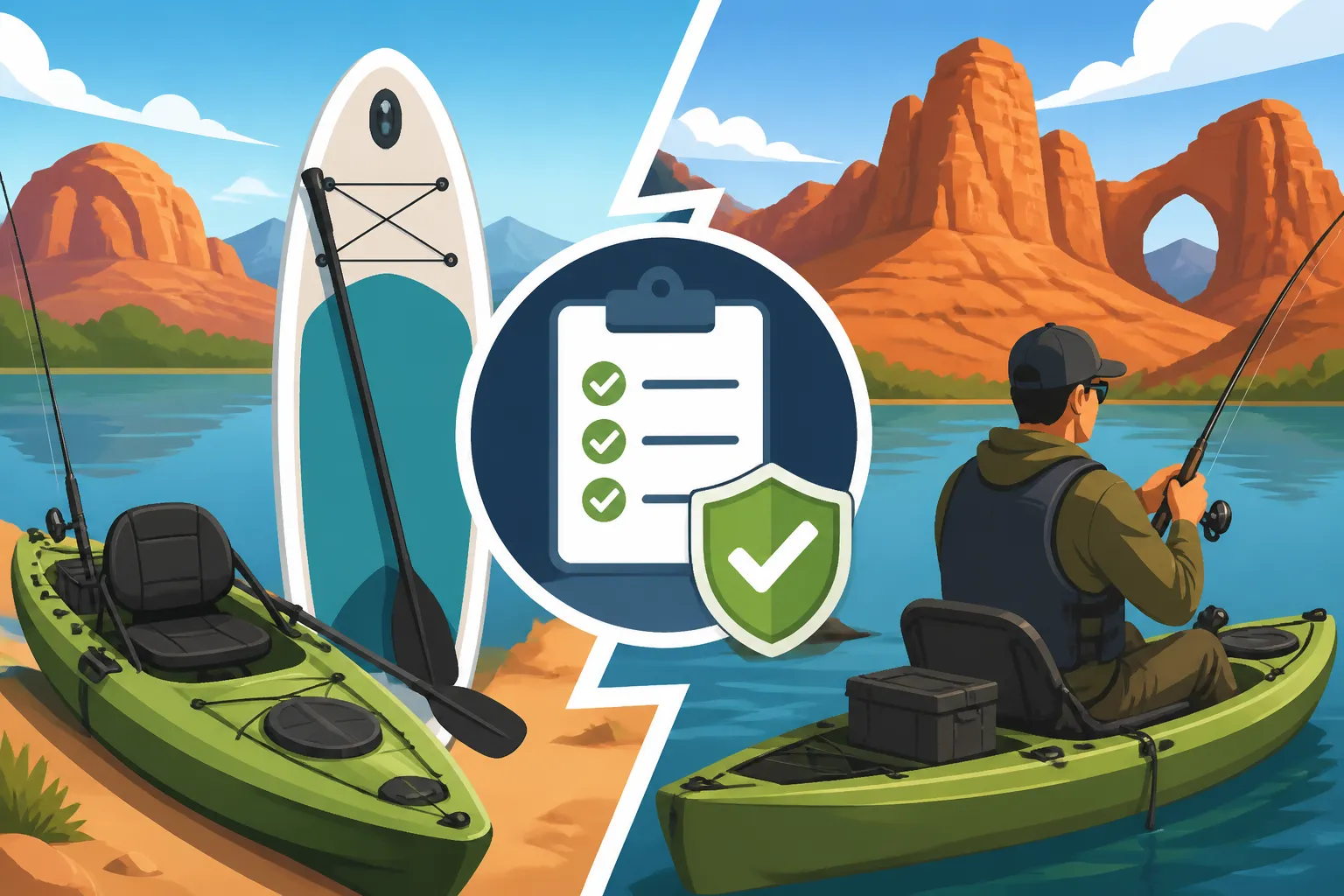
Let’s get right to it because this is a question that stumps a lot of folks out on the water. You're heading to your favorite quiet lake, your kayak strapped to the roof, or your SUP deflated in the trunk, and you see signs for AIS inspection stations. Your first thought might be, "That's not for me, I'm not a motorboat!" And honestly, that's a perfectly understandable assumption. However, in Utah, the answer is a resounding yes, kayaks and paddleboards absolutely need to adhere to aquatic invasive species regulations and can be subject to inspection and even decontamination.
This isn't about singling out paddlers; it's about protecting every drop of Utah's precious water resources. The frustrating reality is that invasive species don't discriminate by vessel size. A single microscopic larva, a tiny piece of plant matter, or a juvenile mussel can cling to almost any surface, surviving in a damp kayak hull, a paddle drip, or even a wet life vest. If that contaminated gear then touches another body of water, boom – a new infestation could begin, leading to irreversible ecological and economic damage. The Utah Division of Wildlife Resources (DWR) takes this extremely seriously, and so should every angler and paddler. You can learn more about the broader protective measures in our guide to Utah Aquatic Invasive Species Rules for Anglers.
Understanding Utah's AIS Program
Utah's AIS program is a critical line of defense against biological invaders that threaten to disrupt the delicate balance of our aquatic ecosystems. When we talk about aquatic invasive species, we're primarily focused on nasty critters like Quagga and Zebra mussels. These aren't native to North America and, once introduced, they proliferate at an alarming rate, causing catastrophic problems.
Think about it: these mussels attach to virtually any hard surface. They can clog pipes, dams, and irrigation systems, leading to millions of dollars in maintenance costs. They filter vast amounts of water, stripping it of plankton, which is the base of the food chain, ultimately starving native fish and disrupting entire ecosystems. They also create sharp shells that cut swimmers and make beaches unusable. The DWR has observed how quickly these mussels can spread in places like Lake Powell, which is considered a designated infested water body. Understanding How Quagga Mussels Got Into Lake Powell really highlights the urgency of these regulations.
Specific Regulations for Hand-Launched Vessels
Here's where it gets really specific for kayakers and paddleboarders. The term "hand-launched" does not mean "exempt." If your kayak or SUP has been in a body of water known to be infested with quagga mussels or other invasive species (like Lake Powell, Sand Hollow Reservoir, or Deer Creek Reservoir, among others), then it falls under specific regulations when you leave that water.
Upon exiting an infested water body, you are legally required to stop at any open AIS inspection station you encounter along your travel route. If no station is open or available, it is your responsibility to ensure your vessel undergoes the "Clean, Drain, Dry" process thoroughly before launching it into any other water body. For kayakers and paddleboarders, this means pulling out drain plugs (if you have them), ensuring there's no standing water in the hull, wiping down all surfaces, and allowing everything to dry completely. We're talking about paddles, life vests, seats, fishing gear – anything that touched the infested water. The DWR emphasizes these measures to prevent the spread, and the dry time rules can be particularly strict, especially after leaving highly infested waters like Lake Powell; you can read more about Utah Dry Time Rules After Leaving Lake Powell.
Even if your small craft hasn't been in an infested waterbody, if you're traveling through Utah and plan to launch anywhere, you should be familiar with the regulations, especially if you pass by an inspection station. It's always best practice to pull in and get cleared.
Navigating the Inspection Process for Small Craft
Alright, so you know the rules now. Your kayak or paddleboard needs to be checked. But what does that actually look like for a small craft that doesn't have an engine or a massive bilge pump? It’s often simpler than you might imagine for a large boat, but no less critical. The core principle remains "Clean, Drain, Dry."
What Happens at an AIS Inspection Station
When you pull into an AIS inspection station with your kayak or paddleboard, a DWR officer or certified technician will greet you. They’re not there to give you a hard time; they’re there to educate and protect.
Here's generally what to expect:
- Questioning: The officer will ask you a series of questions about your vessel's recent history. This will include where you've been boating, when you were last in the water, and where you plan to go next. Be honest and thorough in your answers.
- Visual Inspection: They will conduct a visual check of your kayak or paddleboard. This means looking at the hull, the deck, any internal compartments, scupper holes, rudders, fins, and even your paddle and life vest. They're looking for any visible mussels, plant fragments, or standing water. They might also check any fishing gear you have with you, like nets, anchors, or tackle boxes.
- Decontamination (if necessary): If your vessel has been in an infested water body and hasn't been properly dried, or if any suspicious matter is found, the officer might require decontamination. For smaller vessels like kayaks and SUPs, this typically involves a thorough wash with hot, high-pressure water. This is specifically designed to kill and remove any invasive species. While larger boats might incur a Utah Quagga Mussel Decontamination Cost, often for small craft, a quick hot water rinse is provided right there at the station, though policies can vary.
- Seal and Tag: If your vessel is deemed clean but hasn't had sufficient dry time, or if you plan to launch in an infested area and then move to a non-infested area, the officer might "tag" your vessel. This seal indicates that the boat has been inspected and is ready for safe transport. Removing the seal prematurely can lead to penalties.
It’s always a good idea to know where these stations are located. You can find out more about specific locations and operating hours by checking out Utah Aquatic Invasive Species Inspection Stations.
Self-Decontamination and the "Clean, Drain, Dry" Method
The absolute best thing you can do as a responsible kayaker or paddleboarder is to proactively implement the "Clean, Drain, Dry" method yourself, especially after every outing. This makes passing an inspection much quicker and often prevents the need for a full decontamination.
-
CLEAN:
- Remove visible debris: Immediately after pulling your kayak or SUP out of the water, thoroughly inspect it. Remove all visible mud, plants, and animals from the hull, deck, paddle, life vest, anchor, and any other gear. A sturdy brush or scraper can be invaluable here. Don't forget the inside of your kayak, especially if it has scupper holes or storage hatches.
- Wipe down surfaces: Use a towel to wipe down all surfaces. For added measure, a portable spray bottle with a diluted bleach solution (check DWR guidelines for safe ratios) can be used on non-porous surfaces, followed by a thorough rinse with fresh water.
- Check gear: Pay special attention to porous items like your life vest, sponges, or even fishing line and tackle. Mussels can attach to or larvae can hide in almost anything.
-
DRAIN:
- Remove all water: For kayaks, this means pulling all drain plugs (bow, stern, and any internal compartments) and allowing all water to completely exit. Tip your kayak on its side or stand it on its end to ensure every last drop drains out.
- Paddleboards: While SUPs don't typically have internal compartments that hold water, ensure the deck is completely clear of standing water, and if your paddle breaks down, ensure no water is trapped inside the shafts. Some inflatable SUPs can trap water inside their carry bags or pumps.
- Accessories: Don't forget bait buckets, live wells (if you have a fishing kayak with one), or any gear that can hold water.
-
DRY:
- Allow complete drying: This is often the most critical and challenging step. Invasive species, particularly mussels, can survive for days, even weeks, in damp conditions. Lay your kayak or SUP out in direct sunlight, if possible, allowing air to circulate. Prop it up so that all surfaces, especially the inside of the hull, are exposed to air.
- Extended dry times: For vessels coming from infested waters, the DWR often recommends specific dry times, which can range from several days to even a month, depending on ambient temperature and humidity. Always check current DWR guidelines, as these can change. Leaving your gear out in the sun or storing it in a warm, dry garage can significantly reduce survival rates of any hidden invaders.
Common Misconceptions and Penalties
It's natural to have questions and even some skepticism when new rules come out, especially when they seem to apply to something as seemingly innocuous as a kayak or paddleboard. But understanding the rationale and the potential consequences is crucial for every responsible water user in Utah. These regulations are a key part of Utah Boating and Fishing Rules for a very good reason.
"But It's Just a Kayak!" Addressing the Mindset
This is perhaps the biggest misconception. People think, "How could my little kayak, which I just put in the water and took right out, spread something?" The problem is that invasive species, particularly the larvae of Quagga and Zebra mussels, are microscopic. You can't see them with the naked eye. A single drop of water from an infested lake, trapped in a scupper hole, clinging to a fishing net, or even on the fabric of a life vest, can contain hundreds of these larvae.
Imagine you spent the day fishing at Deer Creek Reservoir, which has had documented quagga mussel detections. You pull your kayak out, give it a quick wipe, and head home. A few days later, you decide to paddle the tranquil waters of Jordanelle Reservoir. If even a tiny amount of water, carrying unseen mussel larvae, transferred from your gear from Deer Creek to Jordanelle, you could inadvertently start a new infestation. This small action, multiplied by hundreds or thousands of paddlers, creates a significant risk. The DWR isn't being overly cautious; they're being scientifically diligent. These invasive species are so harmful that it's simply not worth taking any chances, no matter how small your vessel might be. Many sources, including scientific studies, reinforce that Are Quagga Mussels Harmful to Fish Populations?.
Penalties for Non-Compliance
Ignoring AIS regulations for your kayak or paddleboard isn't just about a potential ecological disaster; it can also lead to serious legal consequences for you. The DWR has the authority to enforce these rules, and they don't take violations lightly.
Penalties for non-compliance can include:
- Fines: You could face significant monetary fines. These can vary depending on the severity of the offense, whether it's a first-time violation, and if you knowingly transported an infested vessel. These fines are often designed to be a deterrent and can quickly add up, easily costing you hundreds or even thousands of dollars.
- Vessel Impoundment: In more severe cases, your kayak or paddleboard could be impounded. This means the DWR could seize your vessel, and you wouldn't get it back until all fines are paid, the vessel is decontaminated, and possibly other conditions are met. This is a huge inconvenience and expense.
- Misdemeanor Charges: Repeat offenses or egregious violations could even lead to misdemeanor charges, which can have long-lasting impacts beyond just financial penalties. For a more general overview of fishing-related legal issues, you can refer to Utah Fishing License Penalties for Violations.
The bottom line is that these regulations are in place for a reason, and enforcement is a necessary part of protecting Utah's aquatic resources. It's far easier and cheaper to comply than to face the penalties.
Preparing Your Kayak or Paddleboard for Utah Waters
Preparing your kayak or paddleboard for Utah waters, especially when moving between different lakes or rivers, is all about being proactive and disciplined. A little effort on your part goes a long way in protecting our shared natural resources and ensuring you don't run into any issues with the DWR.
Essential Gear and Best Practices
Having the right gear to clean and dry your vessel can make a huge difference. You don't need anything fancy, but a few dedicated items can streamline the process.
Here’s a practical checklist:
- Cleaning Tools: Keep a stiff-bristled brush, a small scraper (for stubborn gunk), and a few absorbent micro-fiber towels (you can find multi-packs on Amazon) handy in your vehicle. These are perfect for wiping down surfaces and soaking up residual water.
- Drain Plugs & Access: If your kayak has drain plugs, make sure they are easily accessible and functioning. Consider adding a small sponge to manually soak up water from hard-to-reach areas inside the hull.
- Designated "Wet" Bag: Have a mesh or waterproof bag (many available on Amazon) specifically for wet items like your life vest, paddling shoes, and any other gear that contacted the water. This prevents cross-contamination in your vehicle and allows items to air dry once you get home.
- Drying System: Think about how you'll dry your vessel. Can you prop your kayak up in your driveway in the sun? Do you have hooks or a rack in your garage where your paddleboard can hang vertically to encourage draining? Maximum airflow and direct sunlight are your best friends.
- Checklist Reminder: It might sound silly, but having a small laminated checklist of "Clean, Drain, Dry" steps attached to your paddle or stored in your glove box can be a lifesaver, especially if you're rushing or distracted.
Best Practices for Every Trip:
- Always Inspect Upon Exit: Make it a habit to thoroughly inspect your kayak or SUP as soon as you pull it out of any water body. Don't wait until you get home.
- Clean at the Launch Site (if possible): If there's a wash station or even just a grassy area, do your initial cleaning right there. Get off as much visible debris as possible.
- Prioritize Drying Time: Give your gear as much dry time as possible between uses, especially if you've been in a suspect water body. Days, not just hours, can be crucial.
- Stay Informed: Keep an eye on DWR updates regarding Which Utah Lakes Require an AIS Inspection Before Launch? or new invasive species detections. The situation can evolve, and staying informed means staying compliant.
- Educate Others: Share what you've learned with fellow paddlers. We're all in this together, and a community-wide effort is the most effective defense against AIS.
AIS Compliance Actions for Kayaks and Paddleboards
To help you keep track, here's a quick overview of actions required depending on your recent paddling history:
| Scenario | Required Action | Key Considerations |
|---|---|---|
| Leaving a Designated Infested Water (e.g., Lake Powell) | Mandatory Stop at AIS Station: You must stop at the first open inspection station you encounter. | DWR officers will conduct a thorough inspection. Be prepared for questioning about your vessel's history. |
| Leaving an Infested Water, No Open Station | Self-Decontaminate Thoroughly: Immediately perform "Clean, Drain, Dry." This includes meticulous removal of all water from kayak hull, scupper holes, deck rigging, and accessories. | Ensure every surface is completely dry for the recommended duration (check DWR website for current dry times, as these are often stricter for infested waters). Consider using a shop vac to remove hidden water. |
| Launching into ANY Utah Water after being in an infested water | Present for Inspection (if available) OR Self-Certify Clean, Drain, Dry: Even if you’ve already done so, it’s best practice to stop if an inspection station is available. Otherwise, ensure your self-decontamination was 100% effective. | If an officer encounters you at a launch ramp and you've been in an infested water without proper inspection/dry time, you could face penalties. Proof of thorough cleaning and drying is on you. |
| Leaving a Non-Infested Water, Moving to another Non-Infested Water | Perform "Clean, Drain, Dry" Best Practices: While not always legally mandated to stop for every movement, it is always the responsible action to take. | This prevents the accidental spread of other non-native species or even native fish diseases. A good habit ensures you're always ready for a random check. |
| Transporting a Previously Inspected/Decontaminated Vessel with Seal | Do NOT Break the Seal: Drive directly to your next launch site, keeping the seal intact. | Breaking a DWR seal prematurely can result in a citation. The seal indicates your vessel has been cleared for transport. |
By diligently following these guidelines, you're doing your part to protect Utah's beautiful and vital aquatic environments for generations to come. It’s not just a regulation; it's a commitment to conservation. A good reminder on how to effectively dry your vessel can be found in our guide on How to Dry a Boat Properly to Meet Utah's AIS Rules.
Disclaimer
The information provided in this guide is for general informational purposes only and does not constitute legal advice. While we strive to offer accurate and up-to-date information, fishing regulations in Utah can change frequently. Always consult the official Utah Division of Wildlife Resources (DWR) regulations and advisories before engaging in any fishing or boating activities. Compliance with all local, state, and federal laws is the responsibility of the individual.