Does a Utah State Park Day-Use Fee Cover Boat Launching?
It's a common frustration many of us face when planning a day out on Utah's stunning waters: you've paid your entrance fee to a state park, but then you get to the boat ramp and realize there's another charge. It can feel like a hidden cost, and it often leads to confusion. This guide is here to clear up that very specific question, delving deep into how Utah State Park day-use fees work, what they cover, and why boat launching often falls under a separate umbrella of costs.
Understanding Utah State Park Fees
Navigating the fee structure at Utah State Parks can sometimes feel like trying to untangle a particularly stubborn fishing line. On the surface, it seems straightforward: pay a fee, enter the park, enjoy your day. However, when you add a boat into the mix, the picture often gets a little more complex. It’s important to understand the distinction between general access and specialized services like boat launching.
What a Standard Day-Use Fee Covers
When you pull up to the entrance station at a Utah State Park and pay the standard day-use fee, you're essentially buying access to the general amenities and natural beauty of that specific park for the day. This fee is your ticket to a range of recreational opportunities that don't involve launching a motorized watercraft. Think of it as your general admission pass.
Typically, this fee grants you access to things like picnic areas, hiking and biking trails, visitor centers, restrooms, and general shore access for activities such as swimming, sunbathing, or even shore fishing. For example, if you wanted to spend the day exploring the trails around Deer Creek Reservoir or enjoying a lakeside picnic at Jordanelle Reservoir, your day-use fee would cover that. It's designed for the casual visitor who wants to enjoy the park's land-based offerings or simply access the water from the shoreline, perhaps with a paddleboard or kayak that doesn't require a designated ramp.
The Separate Nature of Boat Launching Fees
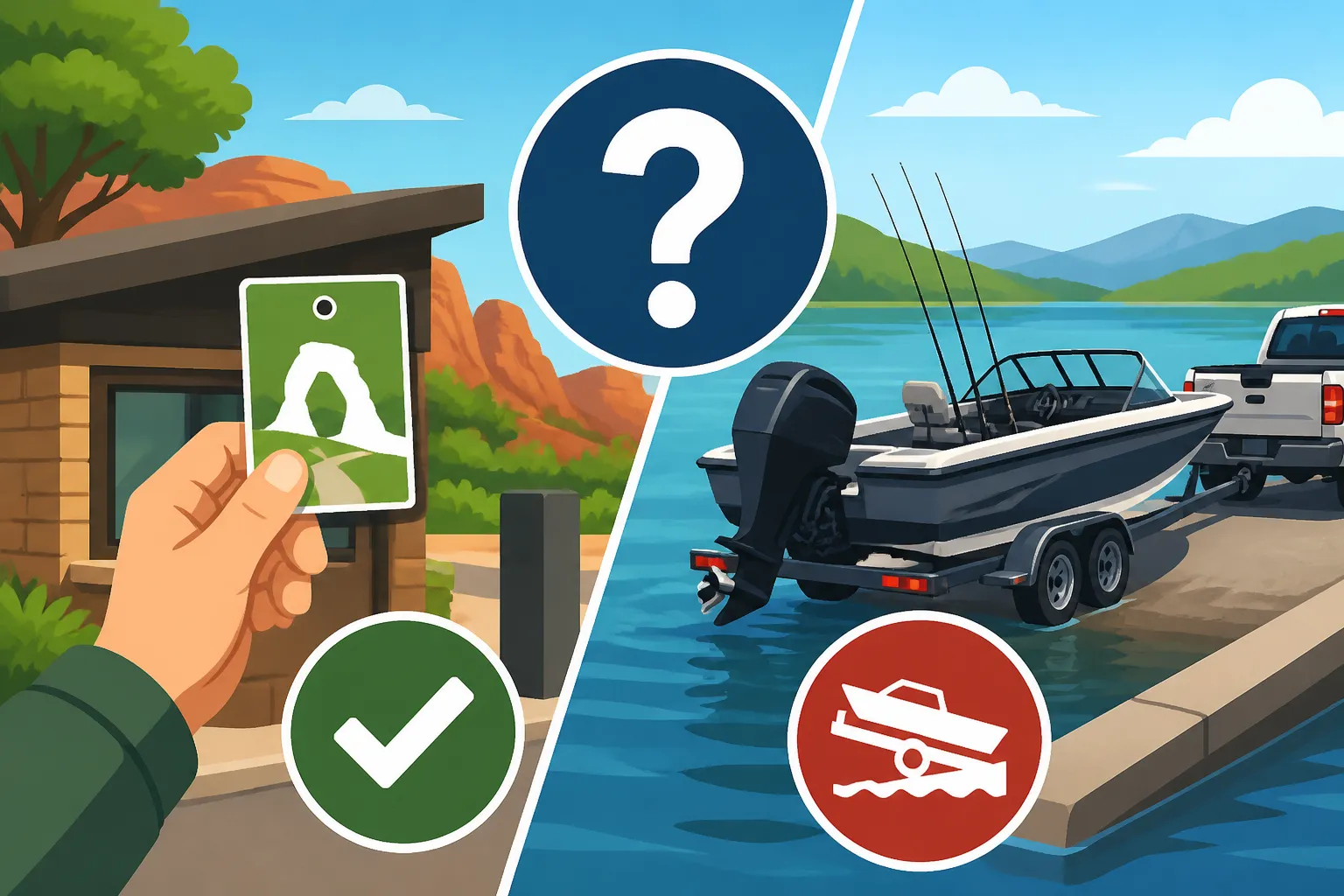
Here's the direct answer to that nagging question: no, a standard Utah State Park day-use fee does not typically cover boat launching. This is a crucial distinction that catches many anglers and boaters by surprise. While your day-use fee gets you into the park, actually putting your boat into the water usually requires an additional payment.
The reason for this separate charge boils down to several factors, all aimed at maintaining the quality and safety of Utah's waterways. Designated boat launch facilities, including ramps, docks, and parking areas for trailers, require significant upkeep. They endure constant wear and tear from heavy vehicles and trailers, necessitating regular maintenance, repairs, and improvements. Furthermore, these fees often contribute directly to critical programs like the state's Aquatic Invasive Species (AIS) prevention efforts. Every time you launch a boat, there's a risk of introducing or spreading invasive species, so dedicated staff and facilities are required to conduct mandatory inspections, such as those you'll find at Utah Aquatic Invasive Species Inspection Stations. These programs are vital for protecting Utah's delicate aquatic ecosystems, and the launch fees help fund them. It's an investment in keeping our lakes and reservoirs healthy for future generations of anglers and boaters.
Types of Boating-Related Fees You'll Encounter
Once you understand that boat launching is often a separate service, it's easier to prepare for the various fees you might encounter. Utah has a robust system in place to manage its waterways, and that includes specific charges for those of us who want to get out on the water in a boat. These fees ensure the facilities are maintained and that our natural resources are protected.
Standard Launch Fees
Beyond the general day-use entrance, almost every state park with a developed boat ramp will have an additional standard launch fee. This fee is typically applied per launch or per day, depending on the specific park and its policies. It's important to remember that this charge is specifically for the use of the boat ramp and associated facilities, like courtesy docks and dedicated trailer parking.
For instance, if you're heading to Willard Bay Fishing Access to chase some wiper, you'll first pay the day-use fee to enter the park, and then an additional fee at the ramp to launch your boat. These fees can vary slightly from park to park, but they generally range from $10 to $20 for a single-day launch. This fee helps cover the costs of dredging, repairing concrete ramps, maintaining restrooms near the launch, and ensuring adequate parking for all those trucks and trailers. It's a fundamental part of the cost of boating in Utah and helps keep these vital access points operational and safe for everyone.
Aquatic Invasive Species (AIS) Fees and Inspections
This is one of the most critical aspects of boating in Utah, and it comes with its own set of fees and rules. Utah takes the threat of aquatic invasive species, like quagga and zebra mussels, incredibly seriously. These tiny organisms can devastate native fish populations, clog waterways, and damage infrastructure, making prevention a top priority. As such, all motorized boats and personal watercraft are required to pay an AIS fee, which is often integrated into your boat registration or as a separate validation sticker. This fee contributes directly to the statewide effort to inspect and decontaminate boats.
Beyond the fee, mandatory inspections are a routine part of boating in Utah. Before launching, especially at waters known to be high-risk or after visiting certain lakes like Lake Powell, your boat will need to be inspected for AIS. These inspections might occur at designated stations off-site or right at the park's boat ramp. In some cases, if a boat is deemed high-risk, it may require professional decontamination, which also comes with its own costs. Failing to comply with these rules can result in significant fines, so it’s essential to be aware of and adhere to all Utah Quagga Mussel Decontamination Rules and inspection requirements. You can often find informational pamphlets about this at state park entrance booths, or even check the Utah Division of Wildlife Resources (DWR) website before you head out.
Annual Passes and Their Benefits
For frequent visitors and avid boaters, Utah State Parks offers several annual pass options that can save you money in the long run, but it's crucial to understand what each pass covers. The standard Utah State Parks Annual Pass, for example, is a fantastic option for year-round day-use access to all state parks. This pass covers your entrance fee, meaning you can drive into any state park without paying the daily day-use charge.
However, just like the single-day fee, this general annual pass typically does not include boat launching fees. For boaters, the real game-changer is often a specialized pass, such as the Utah State Parks Boating Annual Pass or a similar add-on that specifically covers launching. This "Boating Annual Pass" usually covers the boat launch fees at all participating state parks for an entire year, in addition to your day-use entrance. If you plan on hitting the water more than a handful of times in a year, this pass becomes an incredibly cost-effective option, saving you the hassle and expense of paying separate launch fees each trip. It’s definitely worth looking into if you’re a regular on Utah’s reservoirs, helping you make the most of your Utah Boating and Fishing Rules.
| Fee Type | What It Covers | Included in Standard Day-Use Fee? | Included in Standard Annual Pass? | Cost Range (Approx. Daily) |
|---|---|---|---|---|
| Day-Use Fee | Park entrance, general amenities, shore access | Yes | Yes | $10-$20 |
| Boat Launch Fee | Use of boat ramp, docks, trailer parking | No | No | $10-$20 (additional) |
| AIS Fee (Validation) | Funding for Aquatic Invasive Species programs | No | No (separate purchase/registration) | $10-$30 (annual) |
| Boating Annual Pass | Park entrance and boat launching at state parks | Yes | No (it's a different pass) | $150-$200 (annual) |
Note: Costs are approximate and subject to change. Always check the official Utah State Parks website for the most current fee schedules.
Navigating Fees at Popular Utah Fishing Destinations
Utah is blessed with an incredible array of fishing destinations, from vast reservoirs to winding rivers. Many of the most popular spots are managed by Utah State Parks, which means understanding their fee structures is paramount to a smooth and enjoyable outing. The last thing you want is a surprise at the gate when you’re eager to get your lines in the water.
Examples of Lakes with Separate Launch Fees
Let’s dive into some real-world examples to illustrate how these fees work in practice. If you're planning a trip to some of Utah's highly-regarded fishing waters, chances are you'll encounter the two-tiered fee system:
- Deer Creek Reservoir: A favorite for trout, bass, and perch, Deer Creek State Park near Provo is a prime example. You’ll pay a day-use fee to enter the park, which grants you access to picnic areas and shorelines. However, if you want to launch your boat from one of the park’s ramps to target the fish found in Deer Creek Reservoir Fishing Spots, you will pay an additional boat launch fee. This structure ensures that the specific infrastructure supporting boating is funded separately from general park maintenance.
- Jordanelle Reservoir: Another popular spot located conveniently near Park City and Provo, Jordanelle State Park operates similarly. Anglers flock here for trout and smallmouth bass. Your entrance fee covers access to beaches and hiking trails, but launching your boat from the main ramps at Hailstone or Rock Cliff areas, which lead to excellent Jordanelle Reservoir Fishing Access, will require that separate launch fee.
- Willard Bay State Park: Up north, Willard Bay is famous for its wiper and catfish. Here, too, expect to pay a day-use entrance fee. If you’re towing a boat to explore the productive waters of Willard Bay Fishing Access, you'll then pay an additional fee to use the state park's boat ramps.
- East Canyon Reservoir: This beautiful reservoir in a canyon setting is a great place to fish for rainbow and cutthroat trout. As with the others, the general park entrance fee at East Canyon Reservoir Fishing Spots doesn't include the cost of launching your boat.
The pattern is clear: the day-use fee is for general entry and facilities, while the boat launch fee is for the specific service of putting your vessel on the water. It’s a system designed to allocate costs to those who use the more specialized, high-maintenance facilities.
How to Find Up-to-Date Fee Information
Given that fees can occasionally change, and specific park conditions (like low water levels affecting ramp access) might impact your plans, it’s absolutely essential to verify current fee information before you head out. Don't rely on old memories or what your buddy told you last year!
The most reliable source for current fees and park-specific rules is the official Utah State Parks website. Each park typically has its own dedicated page where you can find detailed information on day-use fees, boat launch fees, operating hours, and any special alerts. You can also often find information regarding Utah Boat Registration Requirements there. Another excellent resource, particularly for AIS-related rules and fishing regulations, is the Utah Division of Wildlife Resources (DWR) website. Their pages often link directly to state park information or provide complementary details relevant to anglers. Finally, if you have any lingering doubts or specific questions, don't hesitate to call the individual state park office directly. A quick phone call can save you a lot of time, frustration, and potential fines, especially if you're traveling a long distance or visiting a park for the first time. It's always better to be over-informed than under-prepared.
Tips for Saving on Utah Boating and Fishing Costs
Fishing and boating in Utah is an incredible experience, but the costs can add up, especially if you're a regular on the water. Beyond the initial gear investment – like a new fishing rod you might find on Amazon, or even a basic tackle box – there are ongoing expenses like licenses, fuel, and, of course, those pesky park and launch fees. Fortunately, there are smart ways to minimize these costs without sacrificing your time on the water.
Considering an Annual Boating Pass
As we touched upon earlier, one of the most effective ways to save money if you're a frequent boater in Utah State Parks is to invest in an annual boating pass. This isn't just a convenience; it's a strategic financial move for many anglers.
Here’s when it typically becomes cost-effective: if you plan on launching your boat at state parks more than, say, 8-10 times in a calendar year, a Utah State Parks Boating Annual Pass will almost certainly pay for itself. Let’s do some quick math: if a day-use fee is $15 and a boat launch fee is another $15, that's $30 per trip. Ten trips would cost you $300. An annual boating pass, which usually hovers around $150-$200, would cut that cost in half or more. Beyond the direct savings, it also eliminates the hassle of paying at the gate every single time, making your access much smoother. Just flash your pass, and you're good to go! Before committing, check the Utah State Parks website for the most current pricing and ensure the pass covers all the specific parks you intend to visit.
Other Cost-Saving Strategies
Even if an annual pass isn't right for you, or if you're looking for even more ways to trim expenses, there are several other smart strategies to consider:
- Shore Fishing and Non-Motorized Access: Sometimes the best way to avoid boat launch fees is to simply not use a boat ramp! Many Utah reservoirs and lakes offer fantastic opportunities for shore fishing. Places like the causeway at Strawberry Reservoir, or designated fishing piers at community ponds, provide excellent access without the need for a vessel. If you prefer getting on the water but don't want the motorized boat expenses, consider a kayak, canoe, or float tube. These often don't require launch fees at state parks (though you still pay the day-use entrance) and can get you into some fantastic fishing spots, like those listed in Best Spots to Fish From a Kayak in Utah.
- Utilize Alternative Launch Points: While state park ramps are generally the most convenient and well-maintained, some larger reservoirs might have alternative, non-state-park-managed launch points. These could be city-run ramps, private marinas, or even undeveloped access points (though be mindful of property rights and the legalities of launching). Always research these options thoroughly before you go, as they may have their own fee structures or access limitations.
- Pack Smart and Bring Your Own: Rental costs for gear can add up quickly. If you're serious about fishing, investing in your own equipment, like a sturdy cooler to keep your catch fresh – many excellent options are available on Amazon – or a comprehensive tackle box, will save you money in the long run. Also, packing your own snacks, drinks, and lunch instead of relying on park concessions is a simple but effective way to cut down on daily expenses. Every dollar saved on the small things can add up to another trip on the water!
- Combine Licenses for Savings: While not directly related to boat launching, remember to look into combination licenses if you enjoy both fishing and hunting. Sometimes a Utah Fishing and Hunting Combination License Cost can be more economical than purchasing two separate licenses. Make sure you understand all the various Utah Fishing License Costs by Age and Residency to ensure you're getting the best deal.
By being mindful of these strategies, you can significantly reduce your overall costs, allowing you to spend more time enjoying the incredible fishing opportunities that Utah has to offer.
Disclaimer
The information provided in this guide is for general informational purposes only and is subject to change. While we strive to provide accurate and up-to-date information, fishing regulations, fees, and park rules in Utah can change without notice. Always consult the official Utah State Parks website, the Utah Division of Wildlife Resources (DWR) website, or contact specific park offices directly for the most current and accurate information before planning your trip. Fishing and boating involve inherent risks; always prioritize safety and adhere to all local, state, and federal laws and regulations.