Willard Bay Fishing Access
Trying to figure out the best way to hit the water at Willard Bay can feel a bit like cracking a secret code. You've heard the whispers of trophy wipers and chunky walleye, but knowing where to launch, how to approach this massive, shallow reservoir, and what to expect when you get there can be daunting. This guide is designed to demystify Willard Bay's fishing access points, offering practical advice to help you navigate its unique waters and get straight to the fish.
Understanding Willard Bay as a Unique Fishing Destination
Willard Bay isn't your typical high-mountain Utah reservoir. It's a vast, shallow freshwater lake separated from the Great Salt Lake by a dike, and its unique characteristics dictate how anglers approach it. Many folks underestimate the nuances of fishing here, often leading to frustrating trips. But once you understand what makes Willard tick, you'll be much better equipped for success.
The Saline Nature and Its Impact on Fish
Despite its proximity to the Great Salt Lake, Willard Bay is kept fresh by diversions from the Bear River. However, its history and geology mean that the water still retains a higher mineral content than many other freshwater lakes in Utah. This slightly brackish environment, while not salty enough to support true saltwater species, does create a unique ecosystem that favors certain robust fish species. It's not a place you'll find delicate mountain trout thriving. Instead, the fish here are tough, hard-fighting, and well-adapted to these specific conditions.
The unique water chemistry also impacts water clarity, which can fluctuate dramatically. After strong winds, the shallow depths can get churned up, turning the water murky and impacting visibility for both fish and anglers. This means your fishing strategies might need to be adaptable, perhaps favoring scent-based baits or noisy lures on days when the visibility is poor. Understanding this aspect of the bay is crucial for choosing the right approach on any given day.
Why Willard Bay is a Unique Fishery
Willard Bay truly stands out as a fishing destination, primarily because of its impressive populations of wiper (a striped bass hybrid), walleye, and channel catfish. Unlike many Utah lakes that are dominated by various trout species, Willard offers a warm-water fishing paradise that appeals to a different kind of angler. The sheer size of the bay, combined with its relatively uniform depth (averaging around 9-10 feet), means fish can be anywhere, requiring anglers to cover a lot of water.
This body of water is also known for its incredible growth rates for its resident species. Wipers, in particular, grow to impressive sizes, offering a truly powerful fight that tests even experienced anglers. The forage base, consisting largely of gizzard shad and carp, provides ample food for these predatory fish, fueling their rapid growth and making them aggressive feeders. It’s this combination of unique species, large fish, and a dynamic environment that sets Willard Bay apart.
Common Challenges for Anglers
Let's be real, fishing Willard Bay isn't always a walk in the park. One of the biggest challenges is the wind. Because it's so shallow and exposed, even moderate winds can quickly whip up significant chop, making boating uncomfortable and casting difficult. Strong winds can also stir up the bottom, reducing water clarity and making it tough for sight feeders like wiper and walleye. Many a fishing trip has been cut short or completely changed course due to unexpected high winds. Checking the weather forecast for wind speed and direction is paramount before heading out. Anglers often comment on how quickly conditions can change from calm to chaos.
Another challenge is locating the fish in such a vast, relatively featureless body of water. Without significant depth changes or obvious structures, fish can roam widely. This often means trolling or covering large areas with search baits until you find a school. Patience and persistence are key, as is a good fish finder. Moreover, anglers need to be diligent about Utah Aquatic Invasive Species Rules for Anglers, as the bay is regularly monitored, and proper decontamination of boats and gear is essential to prevent the spread of invasive species like quagga and zebra mussels.
Key Access Points and Facilities at Willard Bay
Accessing Willard Bay is straightforward, primarily through the two well-maintained state park marinas. However, knowing the specifics of each and understanding your options for shore fishing or launching smaller craft can make a big difference in your overall experience.
Willard Bay State Park North and South Marinas
The primary access points to Willard Bay are located within Willard Bay State Park, which is divided into a North Marina and a South Marina. Both offer excellent facilities for boaters and shore anglers alike. The North Marina, often considered the more popular choice, features multiple boat ramps, ample parking, and a large sandy beach area. It's a bustling hub, especially on weekends during peak season. You'll find restrooms, picnic areas, and often a concession stand offering snacks and basic fishing supplies. For those with larger boats, the North Marina is generally preferred due to its wider ramps and deeper water access.
The South Marina offers a slightly different vibe, often being a bit less crowded than its northern counterpart. It also provides boat ramps, parking, and picnic facilities, but it's typically favored by those looking for a quieter experience or heading to certain fishing grounds more directly accessible from the south. Both marinas require a day-use fee or a Utah State Parks Pass for entry, so be prepared for that. Whether you're launching a large fishing boat, a kayak, or just planning to fish from the bank, these state park facilities are your main gateways to the bay. Booking accommodations or checking on current conditions can be done through services like FishingBooker, which sometimes lists guide services operating out of these marinas.
Shoreline and Bank Fishing Opportunities
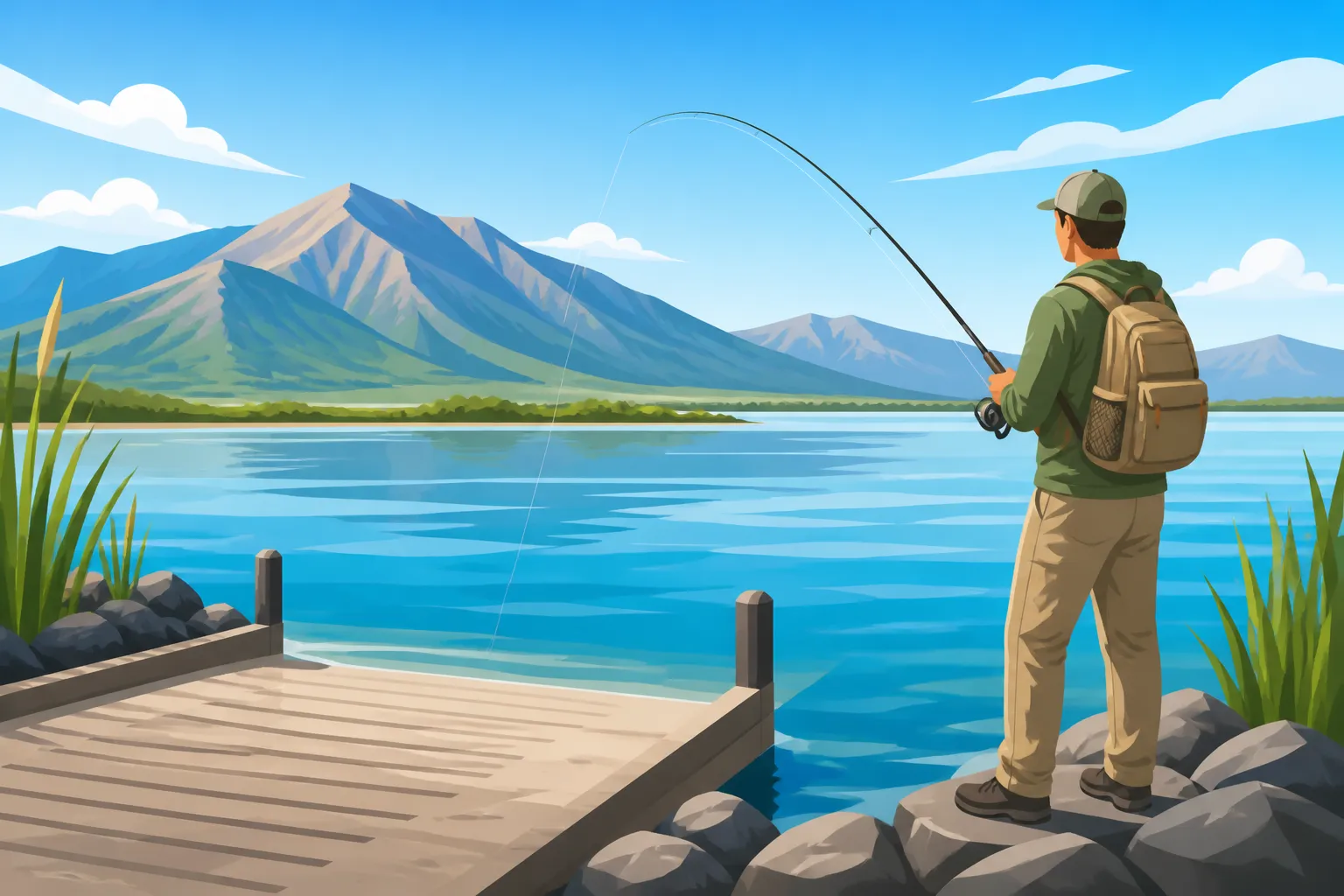
While Willard Bay is definitely a boater's paradise, there are still plenty of fantastic opportunities for shore anglers, especially if you know where to look. Both the North and South Marina areas offer designated bank fishing spots. The jetties and rocky breakwaters around the marinas can be productive, providing structure that attracts baitfish and, consequently, predatory species like wiper and walleye. These spots are easily accessible and don't require any special equipment beyond your rod and tackle.
Beyond the main marinas, there are often less-traveled sections of the dike and shoreline that offer secluded bank fishing. These can be a bit harder to find and might involve some walking, but they often yield excellent results, especially for catfish and carp, which cruise the shallower edges. Just be mindful of private property signs and ensure you're accessing public lands. Shore fishing can be particularly good during the spring and fall when fish are more active in shallower water. For families with young children, shore fishing from the sandy beach areas can also be a relaxed way to introduce them to fishing, even if the catches are smaller panfish.
Amenities and Services for Anglers
Willard Bay State Park is generally well-equipped to support anglers. Besides the obvious boat ramps and parking, you'll find clean restrooms at both marinas, which is always a welcome sight after a long day on the water. Picnic areas with tables and grills are scattered throughout the park, perfect for a mid-day break or a post-fishing meal. Trash receptacles are readily available, helping to keep the park clean and beautiful for everyone.
For boaters, both marinas typically have docks for temporary mooring while you prepare your gear or wait for your party. Some facilities may offer fuel services during peak season, though it's always wise to check ahead and fill up beforehand to avoid any surprises. There are also designated fish cleaning stations, which are incredibly convenient after a successful outing. While there aren't dedicated bait and tackle shops right on the water, the nearby towns of Willard and Brigham City have several options for last-minute supplies. It's truly a full-service experience designed to make your fishing trip as enjoyable and hassle-free as possible.
Targeting Willard Bay's Premier Fish Species
Willard Bay is celebrated for a particular set of species that thrive in its warm, nutrient-rich waters. If you're coming here, chances are you're hoping to hook into one of these hard-fighting beauties. Understanding their habits and preferred conditions is the first step toward a successful trip.
Mastering the Wiper Hybrid Striped Bass
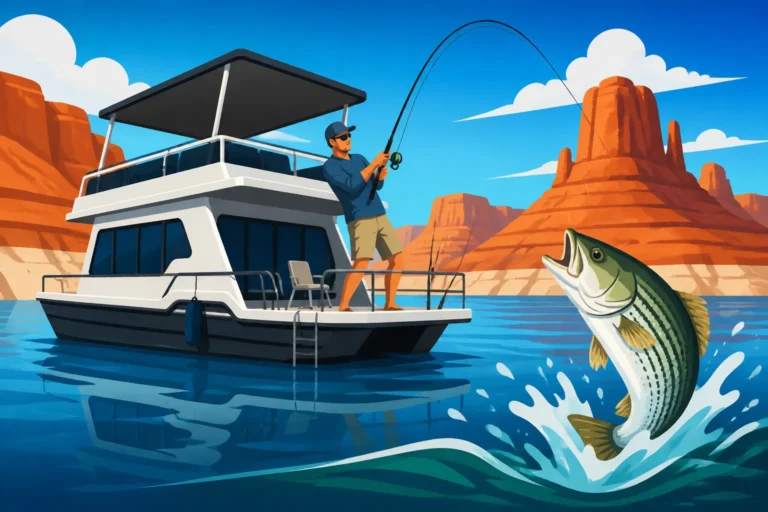
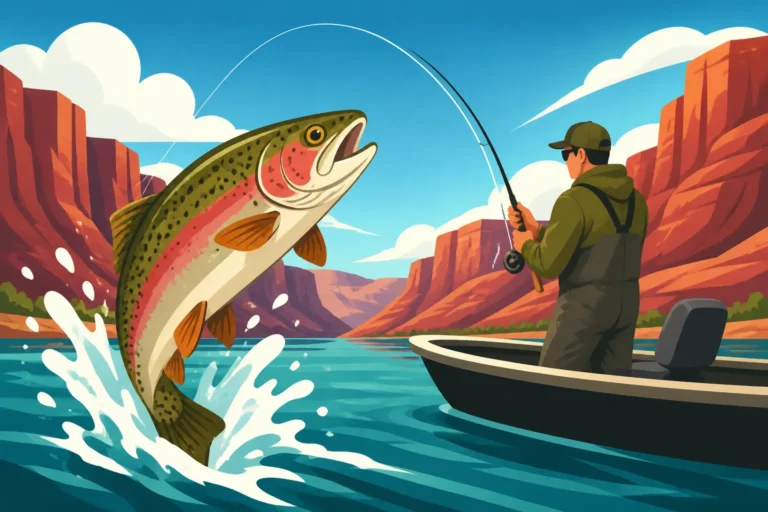
Wipers are undoubtedly the main attraction at Willard Bay, drawing anglers from all over for their aggressive strikes and powerful fights. These hybrid striped bass are known for their incredible speed and stamina, often making long runs and refusing to give up easily. To truly master wiper fishing, you need to understand their predatory nature. They are often found chasing schools of baitfish, like gizzard shad, across open water. Look for signs of "boiling" activity on the surface, where wipers are herding and attacking shad—it's an exhilarating sight and a sure sign of fish.
Effective techniques for wipers include trolling with crankbaits and spoons, casting large swimbaits, or even jigging with heavy spoons or blade baits when you locate schools on your fish finder. Popular lure colors often include shad patterns, chrome, or chartreuse. The retrieve speed is crucial; wipers are fast, and your lure needs to mimic fleeing prey. Early mornings and late evenings are often prime times, but overcast days can extend their active feeding periods. Remember to consult Where to Catch Wiper at Willard Bay for specific hotspots and How to Catch Wiper at Willard Bay for detailed technique breakdowns. It's not uncommon to land wipers in the 5-10 pound range, and even larger ones are regularly caught, offering a true trophy experience.
Pursuing Walleye and Catfish
Beyond the exhilarating wiper action, Willard Bay also boasts a healthy population of walleye and channel catfish, offering diverse fishing opportunities. Walleye, known for their delectable fillets and elusive nature, are often found relating to subtle bottom structure or deeper areas within the bay. They tend to be more active during low light conditions, making dawn, dusk, and even night fishing particularly productive. Trolling with bottom bouncers and worm harnesses or crankbaits is a popular and effective method. Jigging with a live minnow or a soft plastic grub also works well when you find a concentration of fish. Understanding Walleye Identification and Size in Utah can help you differentiate them from other species.
Channel catfish, on the other hand, are the bottom-feeding workhorses of Willard Bay. They are abundant and grow to impressive sizes, offering a powerful tug on the line. Catfishing is often best during the warmer months, especially at night. They are not picky eaters, readily taking cut bait, stink baits, hot dogs, or even chicken livers. Fishing directly on the bottom with a Carolina rig or a simple slip sinker rig is the go-to technique. The north end of the bay and the channels near the dike are often productive areas for catfish. Anglers looking for a relaxed yet rewarding experience, especially with family, often focus on these whiskered warriors.
Finding Panfish and Other Species
While wipers and walleye tend to steal the spotlight, Willard Bay also provides excellent opportunities for catching various panfish, which can be a fantastic way to introduce new anglers, especially kids, to the sport. Yellow perch are probably the most sought-after panfish in the bay. They school up and can provide fast action, making them a great target for light tackle. Small jigs tipped with a piece of worm, a minnow, or even just a brightly colored plastic grub are usually all you need. You'll often find them around submerged weeds or the rocky areas near the marinas. Checking out information on Yellow Perch in Utah Waters can give you a better idea of what to expect.
Beyond perch, you might also encounter occasional carp, which are abundant and can provide a surprisingly strong fight on light gear. While often considered a nuisance, some anglers specifically target them for their fighting prowess or for bowfishing. Crappie and bluegill are less common in Willard Bay compared to other Utah waters, but they can still be found in certain areas, particularly around any remaining submerged brush or timber. Regardless of your target, the diverse fishery at Willard Bay ensures there's always something to keep your line tight.
Seasonal Considerations for Fishing Willard Bay
Willard Bay is a year-round fishery, but its dynamics shift dramatically with the seasons. Understanding these changes and adapting your approach accordingly is crucial for consistent success. The shallow nature of the bay means water temperatures fluctuate more quickly than deep mountain lakes, directly influencing fish behavior.
Spring and Summer Strategies
Spring at Willard Bay is an exciting time as the ice melts (if it formed) and water temperatures begin to rise. This "ice-off" period can kickstart the bite, particularly for walleye and wipers as they become more active after winter's chill. Fish often move into shallower areas to feed and prepare for spawning, making them more accessible to both boat and shore anglers. Crankbaits, jerkbaits, and jigs are excellent choices during this period. As spring progresses into early summer, the water warms rapidly, and the fish's metabolism speeds up, leading to aggressive feeding frenzies, especially for wipers chasing schools of shad.
Summer fishing typically means targeting fish in deeper water (relatively speaking for Willard Bay) during the heat of the day, or focusing on prime feeding times during low light hours, such as dawn and dusk. Trolling becomes a very effective method during summer, allowing you to cover vast expanses of water to find roaming schools of wipers. Night fishing can also be incredibly productive for walleye and channel catfish, as they move into shallower feeding grounds under the cover of darkness. Remember that the summer sun can be intense, so bring plenty of water, sunscreen, and protective clothing. For the freshest conditions, consider consulting a local guide found on platforms like FishingBooker, who can provide up-to-the-minute intel on where the fish are hiding.
Fall Fishing and Turnover Effects
As the scorching summer heat gives way to cooler autumn air, Willard Bay undergoes a significant transformation, offering some of the year's best fishing opportunities. Fall turnover, while less dramatic in a shallow lake like Willard compared to deeper reservoirs, still happens. As the surface water cools, it can mix with the slightly warmer bottom water, redistributing oxygen and nutrients. This can sometimes make fishing challenging for a brief period, but once the lake stabilizes, the fishing can explode.
Wipers and walleye go on a serious feeding binge in the fall, bulking up for the colder months ahead. This is often when the biggest fish are caught, as they are actively chasing baitfish. Trolling large crankbaits and spoons remains a top technique, but casting swimbaits and lipless crankbaits into active schools can also be incredibly effective. Catfishing also remains strong through the early fall. The cooler temperatures make for a more comfortable fishing experience, and the vibrant autumn colors along the Wasatch Front provide a beautiful backdrop. Be prepared for How Wind Affects Fishing on Utah Reservoirs, as fall can bring strong, unpredictable gusts that can make boating challenging.
Winter and Ice Fishing Prospects
Willard Bay doesn't always freeze over completely every year, but when it does, it transforms into a popular ice fishing destination. When the ice is safe, typically from late December through February, anglers flock to target perch, walleye, and even wipers through the ice. Ice fishing requires specialized gear, including an ice auger, a flasher or fish finder, and warm clothing. Small jigs tipped with bait (like wax worms or mealworms) or small spoons are highly effective for perch and walleye. For wipers, anglers often use larger spoons or jigging Rapalas.
Before venturing onto the ice, always verify ice thickness and safety. It's crucial to understand Utah Ice Fishing Regulations regarding ice shanties and the number of lines allowed. While ice fishing can be a very social and rewarding experience, safety is paramount. The unpredictability of Willard Bay's ice conditions means checking with the state park or local bait shops for current reports is always a good idea. Even if the bay doesn't completely freeze, open-water fishing can still be possible from shore or boat on milder winter days, targeting sluggish but often hungry fish.
Essential Gear and Techniques for Willard Bay Success
Having the right gear and knowing how to use it effectively is paramount for a successful outing on Willard Bay. This isn't a place for flimsy tackle; you'll want robust equipment that can handle hard-fighting fish and often challenging conditions.
Recommended Rod and Reel Setups
For Willard Bay, versatility is key, but power is essential, especially if you're targeting those hard-fighting wipers. A medium-heavy to heavy-action spinning rod, around 6'6" to 7'6" in length, paired with a reliable 3000-4000 series reel, is a fantastic all-around choice. This setup gives you the backbone to cast larger lures and fight powerful fish, while still being sensitive enough to detect subtle bites. Spool your reel with 15-20 lb braided line, which offers superior casting distance and sensitivity, and add a 15-20 lb fluorocarbon or monofilament leader for abrasion resistance and stealth.
For dedicated walleye or catfish anglers, a similar medium-heavy spinning setup works well, perhaps leaning towards a slightly more moderate action for better sensitivity when jigging or using live bait. If you're into trolling, a medium-heavy baitcasting setup with a line counter reel spooled with 20-30 lb braided line can be incredibly efficient for maintaining precise depths with crankbaits and bottom bouncers. Having a couple of different setups prepared can make a huge difference in adapting to changing conditions or targeting different species throughout your day on the bay.
Proven Lures, Baits, and Tackle
When it comes to lures and baits for Willard Bay, think about mimicking the resident forage: gizzard shad and carp. For wipers, large lipless crankbaits, deep-diving crankbaits (in shad or chrome patterns), and heavy spoons (like Kastmasters or Dardevles) are consistently productive. Soft plastic swimbaits, rigged on weighted jig heads, can also be deadly when fished through schools of baitfish. When wipers are actively boiling on the surface, topwater lures like poppers or walk-the-dog baits can create explosive strikes that you'll never forget.
For walleye, jigs tipped with a Gulp! minnow or a live nightcrawler, bottom bouncers with worm harnesses, and crankbaits that run near the bottom are top choices. Catfish are less finicky; cut bait (like pieces of shad or carp), chicken livers, and various prepared stink baits fished on a Carolina rig are highly effective. For panfish like yellow perch, small jigs, tiny spoons, or a classic bobber and worm setup will do the trick. Always have an assortment of tackle in various sizes and colors to adapt to the fish's mood and water conditions. You might also want to explore Best Bait for Wiper at Willard Bay? for some specific recommendations.
Boat and Safety Equipment Considerations
Willard Bay is a large, open body of water, and proper boat and safety equipment are non-negotiable. Even on calm days, conditions can change quickly. A reliable boat, whether a dedicated bass boat, a versatile multi-species fishing boat, or even a sturdy kayak, is essential for covering water and safely navigating the bay. Ensure your boat is properly registered and equipped with all required safety gear, including enough life jackets for everyone on board, a throwable flotation device, a whistle or horn, navigation lights (if fishing at night), and a fire extinguisher.
A quality depth finder or fish finder is arguably the most important piece of electronic equipment for Willard Bay. With its relatively uniform depth, finding subtle structure, baitfish schools, or concentrations of game fish requires good sonar. A GPS unit or a chart plotter integrated with your fish finder can help you mark productive spots and navigate safely. Given the importance of AIS prevention, having a thorough cleaning regimen for your boat and gear is critical. This includes draining all water, removing any visible vegetation, and allowing your boat to dry completely before launching in another body of water. Check out How to Dry a Boat Properly to Meet Utah's AIS Rules for detailed instructions.
Navigating Regulations and Conservation Efforts
Fishing is a privilege, and understanding and adhering to Utah's fishing regulations, especially those specific to Willard Bay, is crucial for both legal compliance and the long-term health of the fishery. Ignorance of the rules is never an excuse, and violations can lead to hefty fines.
Licensing and Bag Limits Specific to Willard Bay
Before you even think about casting a line, ensure you have a valid Utah fishing license. Whether you're a resident or non-resident, annual, short-term, or even youth licenses are required for most anglers. You can find comprehensive details in the Utah Fishing License Guide. Once you have your license, familiarize yourself with the specific regulations for Willard Bay, as rules can vary from general state regulations depending on the body of water.
For Willard Bay, specific bag and possession limits apply to its popular species, like wiper, walleye, and channel catfish. These limits are designed to manage fish populations sustainably. For instance, there might be a daily limit on the number of wipers you can keep, or a minimum/maximum size slot for walleye. These regulations are subject to change, so always consult the most current Utah Fishing Guidebook published by the Utah Division of Wildlife Resources (UDWR) before your trip. Violating these rules, even unintentionally, can result in penalties. Check Utah Daily Bag and Possession Limits for general information, and then cross-reference with the current guidebook.
Aquatic Invasive Species AIS Requirements
Willard Bay, like many Utah waters, is under constant threat from Aquatic Invasive Species (AIS), particularly quagga and zebra mussels. These microscopic invaders can wreak havoc on ecosystems, clog infrastructure, and impact recreational opportunities. Because of this, Utah has some of the most stringent AIS regulations in the nation, and compliance is not optional. Every time you launch a boat or watercraft, including kayaks and paddleboards, you are required to "Clean, Drain, and Dry" it.
This means removing all visible mud, plants, and animals, draining all water from your bilge, live wells, and engine, and allowing your watercraft to dry completely before moving to another body of water. For certain waters, or if your boat has been in a quagga-infested lake, professional decontamination might be mandatory. AIS inspection stations are often present at popular boat ramps, and non-compliance can lead to citations. It's not just about avoiding a fine; it's about protecting Utah's precious waterways for future generations of anglers. Remember, Do Kayaks and Paddleboards Need AIS Inspections in Utah? – the answer is yes, they are also considered watercraft.
Conservation Practices for a Sustainable Fishery
Beyond regulations, every angler plays a vital role in ensuring the sustainability of Willard Bay's fishery. Practicing ethical angling techniques, such as proper catch-and-release when allowed or mandated, minimizing stress on fish, and respecting habitat, contributes significantly to conservation. If you're keeping fish, only take what you need and adhere strictly to bag limits. Avoid unnecessary waste.
Support efforts by the UDWR to manage and monitor fish populations. This might involve participating in creel surveys or reporting any suspicious activity that could harm the environment. Leave no trace behind; pack out all trash, including discarded fishing line, which can be harmful to wildlife. By being a responsible angler, you're not just enjoying the outdoors; you're actively contributing to its preservation. Willard Bay is a fantastic resource, and by working together, we can ensure it remains a premier fishing destination for years to come.
Disclaimer
The information provided in this guide is for general informational purposes only and is subject to change. Fishing regulations, conditions, and access policies can vary and be updated frequently. Always consult the most current Utah Fishing Guidebook published by the Utah Division of Wildlife Resources (UDWR) and check official Willard Bay State Park resources before planning your fishing trip. The author and publisher are not responsible for any inaccuracies or outdated information.