Fish Species in the Weber River
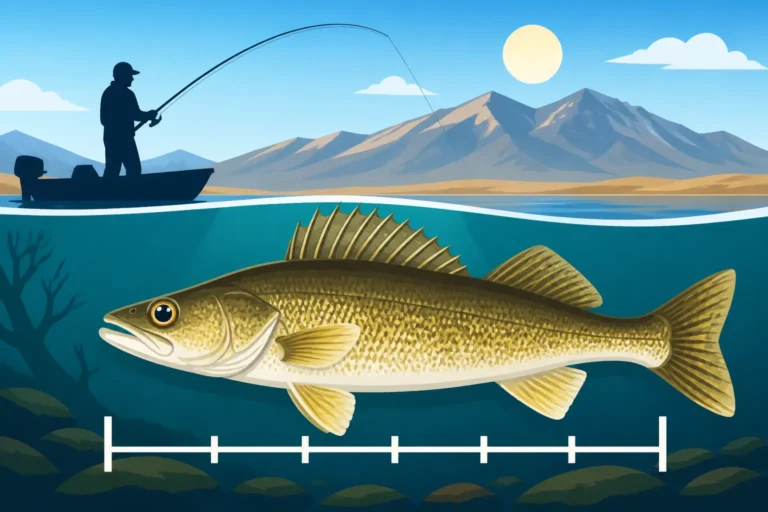
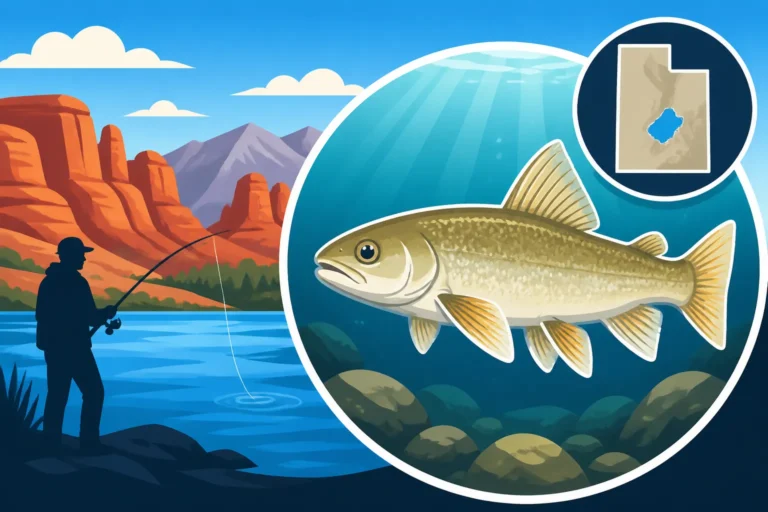
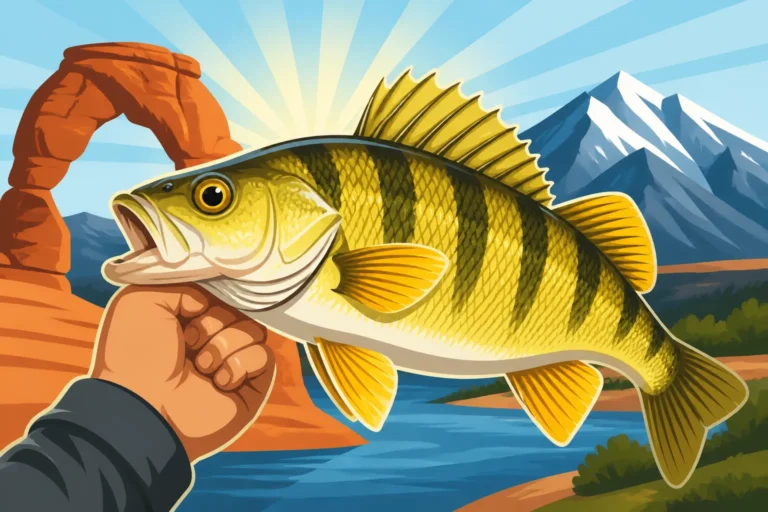
When you're dreaming of a day out fishing in Utah, the Weber River often comes up, but figuring out exactly what kind of fish you're likely to hook into can feel a bit like a mystery. You hear whispers of different trout, maybe some other species, and it can be tough to know what flies or bait to even bring. This guide is going to clear up all that confusion, giving you a detailed look at the diverse fish species that call the beautiful Weber River home, from its cold mountain headwaters down to its slower, meandering lower stretches.
The Weber River's Diverse Ecosystem and Its Fish
The Weber River is truly a remarkable waterway, carving its way through diverse landscapes in northern Utah. From its high-elevation origins in the Uinta Mountains, flowing through canyons, agricultural lands, and even urban areas, it offers a fascinating array of habitats. This varied environment, coupled with strategic management by the Utah Division of Wildlife Resources (DWR), creates a rich tapestry of fish life that keeps anglers coming back year after year. It's not just a river; it's a living, breathing ecosystem that constantly changes, and so do the fish populations within it.
A Mix of Wild and Stocked Trout
One of the Weber River's defining characteristics is its healthy population of both wild and stocked trout. In the upper, colder reaches and many of the tributary streams, you'll find thriving populations of wild trout that reproduce naturally. These fish are often harder to catch, displaying a natural wariness honed by survival in their challenging environment. Their vibrant colors and strong fight are a testament to their wild heritage.
However, the DWR also plays a crucial role in enhancing the fishing experience, particularly in more accessible sections, by regularly stocking rainbow trout and sometimes other species. This ensures that even those new to the sport or looking for a more consistent bite have plenty of opportunities. These stocked fish, while perhaps less wary than their wild cousins, still provide excellent sport and contribute significantly to the river's overall productivity. It's a nice balance, offering a chance for a quick catch on a Utah Free Fishing Day for beginners, while still presenting a challenge for seasoned anglers.
Beyond Trout: Other Notable Species
While trout often get all the glory, the Weber River is home to more than just the flashy fighters. Several other species contribute to the river's ecological balance and can surprise an angler. Mountain whitefish, for instance, are a native species that thrive in the colder, cleaner sections alongside trout. They might not jump out of the water like a rainbow, but they put up a respectable fight and are a sign of a healthy river.
As you move downstream into warmer, slower sections, you might encounter other fish species that are less commonly targeted by sport anglers but are integral to the river's ecosystem. These can include various suckers and even some carp in the very lower stretches before it reaches the Great Salt Lake. While not typically sought after, their presence highlights the broad spectrum of aquatic life supported by the Weber.
Key Trout Species You'll Encounter in the Weber River
When most people think of fishing the Weber River, their minds immediately jump to trout, and for good reason! The river is a fantastic trout fishery, boasting several species that offer different challenges and rewards. Knowing which trout you're after can significantly improve your chances of success, allowing you to tailor your approach, whether it's choosing the right fly pattern or the perfect bait.
Brown Trout: The Wary Resident
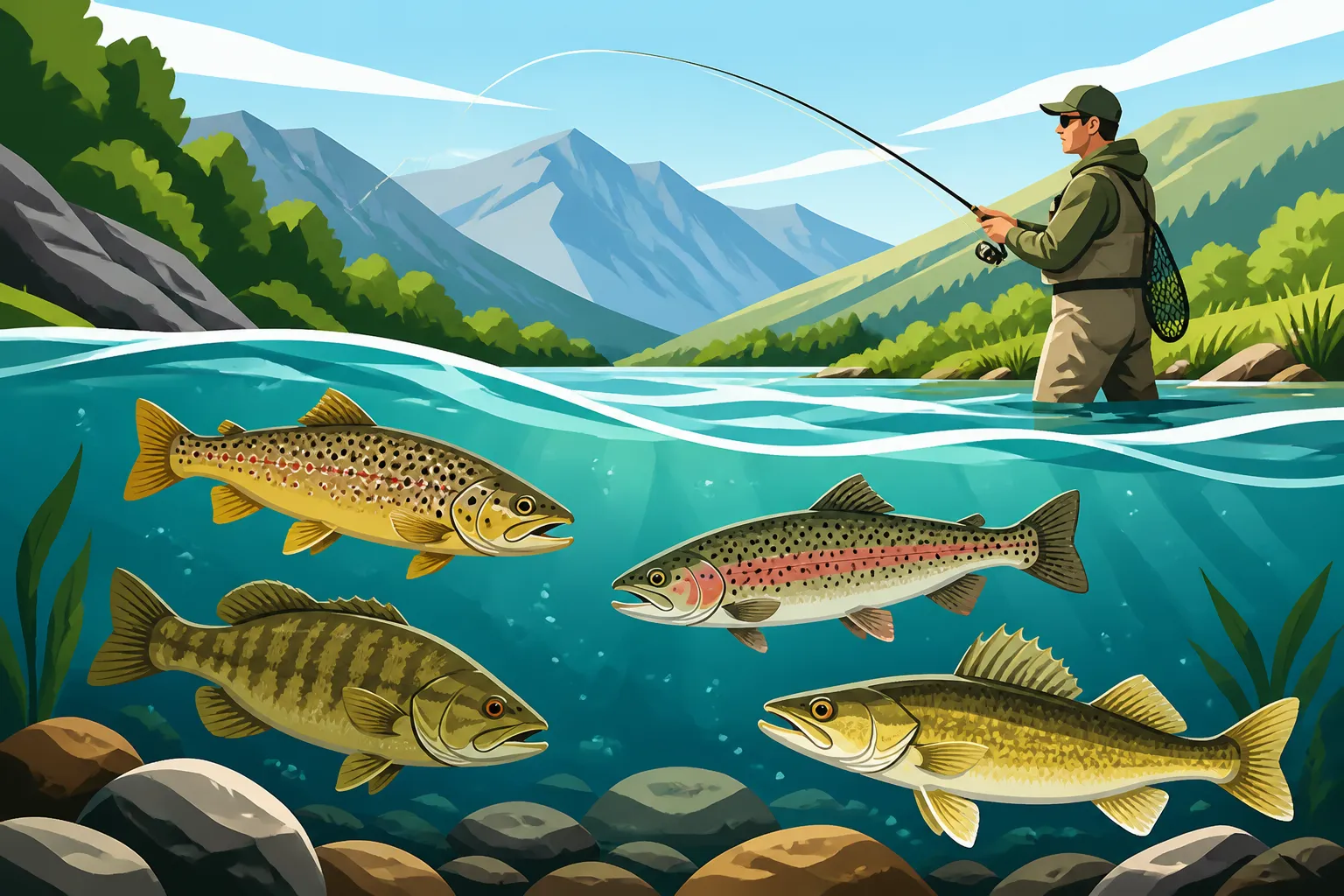
Brown trout are perhaps the most revered by many experienced Weber River anglers. These beautiful fish are known for their golden-brown flanks, often adorned with dark spots ringed in lighter halos, and sometimes vibrant red spots too. They are incredibly elusive, preferring to hold in deep, dark pockets, under undercut banks, beneath submerged logs, or behind large boulders where they feel secure and can ambush prey. Catching a large wild brown trout from the Weber River is a true accomplishment, a testament to an angler's skill and patience.
They are primarily insectivores, feasting on nymphs, larvae, and adult insects, but larger browns are also opportunistic predators, readily consuming smaller fish, sculpins, and even mice that fall into the water. This predatory nature makes them a thrilling target for anglers using streamers or larger dries. If you're hoping to entice one of these wary residents, mastering techniques for targeting their preferred hideouts is key. Often, you'll find the best presentations involve getting your offering deep and slow, right into their living room. You might find some excellent tips for these fish in our guide on How to Fish a Streamer for Brown Trout in Utah.
Rainbow Trout: The Popular Fighter
Rainbow trout are the workhorses of many Utah fisheries, and the Weber River is no exception. These vibrant fish, characterized by their iridescent silvery sides with a distinctive pinkish-red band, are widely stocked throughout the river, making them accessible to anglers of all skill levels. They are known for their aggressive strikes and spirited fights, often leaping clear of the water, making every catch exciting.
Rainbows are less particular about their holding lies than browns and will often be found in riffles, runs, and the heads of pools where food is readily available. They're not shy about taking a variety of offerings, from PowerBait and worms for bait anglers to a wide array of nymphs, dry flies, and small spinners or spoons for fly and spin fishers. Because they are frequently stocked, they offer a consistent opportunity for action, especially in sections that receive regular DWR plants. If you're curious about identifying these fish, take a look at our How to Identify a Stocked Rainbow Trout in Utah article.
Cutthroat Trout: The Native Gem
The Weber River, particularly in its upper reaches and tributary streams, is a stronghold for the native Bonneville cutthroat trout. These iconic fish are a crucial part of Utah's natural heritage and are recognizable by their distinctive red or orange slash marks under their jaw, which gives them their name. Their coloration can vary, but generally, they have a greenish-gold to silvery body with scattered dark spots, often concentrated towards the tail.
Bonneville cutthroat trout prefer colder, cleaner water and are often found in higher-elevation sections of the river, away from the more urbanized areas. They are typically less wary than brown trout but can still be selective in their feeding, especially on technical dry fly water. Conservation efforts have been vital in restoring and maintaining their populations, so practicing careful catch-and-release is often encouraged when targeting these beautiful natives. Understanding their unique traits and how they differ from other trout species is important for any angler, and our guide on Bonneville Cutthroat Trout Identification offers valuable insights.
Non-Trout Species and Their Role in the Weber River
While trout might be the stars of the show for many, the Weber River's aquatic community is much broader. These other species play vital roles in the ecosystem, contributing to the river's health and providing alternative angling opportunities, even if they're not always the primary target. Recognizing them is part of understanding the river as a whole.
Mountain Whitefish: The Unsung Hero
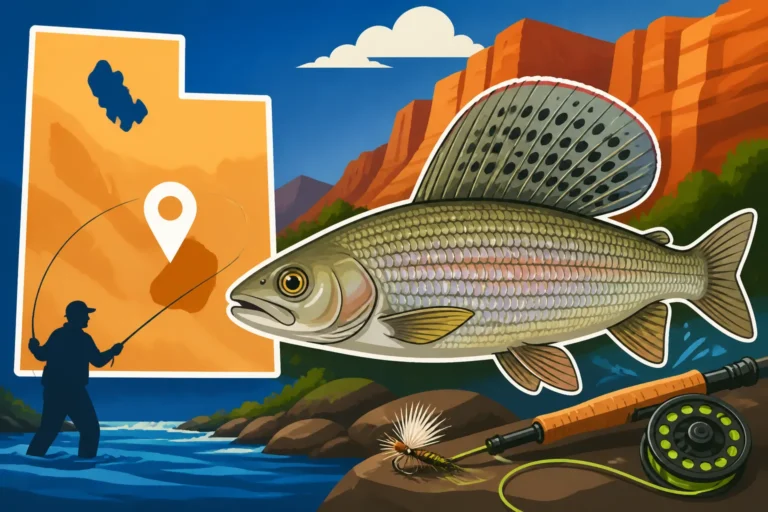
Mountain whitefish are a native species to the Weber River, often overlooked but incredibly important to the ecosystem. They have a slender, torpedo-shaped body, typically silvery-gray, with larger scales than trout and a small, downward-turned mouth. Many anglers mistake them for suckers or even small trout, but they are a distinct species related to salmon and trout. They prefer the same cold, clean, oxygenated water as trout and are often found in similar habitats, such as riffles and runs.
Whitefish are primarily bottom feeders, sifting through the substrate for aquatic insects, small crustaceans, and other invertebrates. Anglers often catch them accidentally while nymphing for trout, as they will readily take small flies drifted along the bottom. While they don't typically jump, they put up a strong, dogged fight on light tackle. Their presence is a good indicator of a healthy river system, signifying good water quality and a robust insect population. They're a truly unique and often underestimated part of the Weber River experience.
Exploring Other Coarser Fish
As the Weber River makes its way out of the mountains and through more developed and agricultural areas, its character changes. The water often becomes warmer, slower, and sometimes more turbid. In these lower, less oxygenated sections, you'll find a different array of fish, often referred to as "coarse fish." These can include various species of suckers and, in the very lowest stretches, common carp.
Suckers, with their distinctive fleshy, downward-pointing mouths, are bottom feeders that play a crucial role in cleaning the riverbed by consuming detritus and algae. While not typically targeted for sport, they can be caught on worms or dough baits. Carp, introduced to many waters across the US, are large, powerful fish that thrive in warm, slow-moving water. They are incredibly strong fighters, making them a popular target for a niche group of anglers using specialized gear and baits like corn or boilies. While not what most come to the Weber for, these species are a testament to the river's adaptability and offer a different kind of angling challenge for those interested in exploring the full spectrum of its fish populations.
Understanding Weber River Sections and Fish Distribution
The Weber River isn't a monolithic entity; it's a dynamic system with distinct sections, each offering unique fishing experiences and supporting different fish populations. The characteristics of each section—like water temperature, flow, habitat structure, and proximity to stocking points—all influence what you'll find swimming beneath the surface. Knowing these distinctions can help you pick the perfect spot for your next outing, and perhaps help you choose the right gear, which you can often find readily available on Amazon.
Upper Weber River: Cold, Clear, and Trout-Rich
The upper reaches of the Weber River, particularly those above Rockport Reservoir and into the high mountain tributaries, are typically characterized by cold, clear, and highly oxygenated water. This is prime trout habitat. Here, you'll find robust populations of wild brown trout and, significantly, the native Bonneville cutthroat trout. These fish thrive in the pristine conditions, with abundant insect life and plenty of natural cover provided by rocks, fallen timber, and undercut banks.
This section is often more remote and may require some hiking to access, but the reward is a chance to target truly wild fish in a stunning natural setting. Anglers here often employ fly fishing techniques, matching the hatch of various aquatic insects. The fishing pressure might be lower in some of these harder-to-reach spots, leading to a more serene and rewarding experience. This part of the river showcases the health and natural beauty of Utah's waterways, providing an experience that resonates with anyone looking to connect with nature.
Middle Weber River: Tailwater and Freestone Mix
Below Rockport Reservoir, the Weber River transforms into a mix of tailwater and freestone sections. A tailwater is a river section directly below a dam, where water releases from the reservoir influence its flow and temperature. This can create very stable conditions, often favoring larger trout due to a consistent food supply. The middle Weber benefits from these regulated flows, especially in winter when upstream sections might freeze.
This section is heavily managed and often receives significant stocking efforts, particularly for rainbow trout, to supplement the existing wild populations of brown trout. The accessibility is generally better here, with various public access points. You'll find a diverse range of water types, from fast riffles to slower pools and meandering runs, offering something for every angler. It's a fantastic spot for both fly fishing and spin fishing, depending on the conditions and the specific stretch you're on. For those looking for prime fly fishing opportunities, check out our guide on Best Fly Fishing Access on the Weber River.
Lower Weber River: Slower Waters and Diverse Populations
As the Weber River continues its journey downstream, especially below the town of Plain City and towards its confluence with the Great Salt Lake, the river's character changes dramatically. The gradient lessens, the flow slows, and the water often becomes warmer and more turbid, especially during agricultural runoff periods. This environment is less ideal for cold-water trout but opens the door for other species.
In these lower sections, you'll find fewer trout, though some hardy brown and rainbow trout might still persist in deeper, cooler pockets. Instead, you're more likely to encounter various species of suckers, carp, and potentially even some smaller warm-water fish. While not the trophy trout fishery of the upper and middle sections, the lower Weber still offers unique angling opportunities. It's a place where you might experiment with different baits and techniques, targeting the powerful carp or other species that thrive in these warmer, slower conditions. It reminds us that every river, like the Bear River detailed in Best Fishing Spots on the Bear River, has its own unique characteristics from headwaters to mouth, influencing the fish it can sustain.
Here’s a quick overview of what you might expect to catch in different sections of the Weber River:
| Fish Species | Primary Habitat | Typical Size | Fishing Method (Common) | Notes |
|---|---|---|---|---|
| Brown Trout | Upper & Middle River, undercut banks, deep pools | 10-20 inches, can be larger | Flies (streamers, nymphs), small lures | Wary, strong fighters, often wild |
| Rainbow Trout | Middle & Lower-Middle River, runs, riffles | 8-16 inches, can be larger | Flies (nymphs, dries), bait, spinners | Frequently stocked, aggressive takes |
| Cutthroat Trout | Upper River, cold tributaries, clear water | 8-14 inches | Flies (dries, nymphs) | Native species, often catch-and-release |
| Mountain Whitefish | Upper & Middle River, riffles, runs | 8-15 inches | Flies (nymphs), small jigs | Native, bottom feeders, strong on light tackle |
| Common Carp | Lower River, slow, warm, murky water | 15-30+ inches | Bait (corn, dough balls) | Powerful fighters, for specialized anglers |
| Suckers | Middle & Lower River, bottom of pools | 10-20 inches | Bait (worms) | Bottom feeders, often incidental catch |
Disclaimer
This article is for general informational purposes only and does not constitute professional advice. Laws, prices and regulations vary by location and change over time. Consult a qualified professional for guidance on your specific situation.